@pleasedontmakemefocus
TikTok · Talking Head Edit
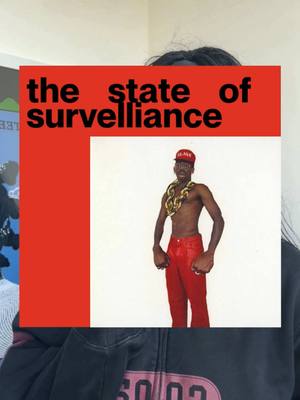
@pleasedontmakemefocus talking about the surveillance state makes me feel like i got a tinfoil hat on #tylerthecreator #donttaptheglass #marketing #genz #fyp

@pleasedontmakemefocus
TikTok · Talking Head Edit
@pleasedontmakemefocus talking about the surveillance state makes me feel like i got a tinfoil hat on #tylerthecreator #donttaptheglass #marketing #genz #fyp
Performance
Video #16576 · Talking Head Edit
[01]
The creator uses a note from musician Tyler, the Creator as a starting point to deliver a video essay on the modern surveillance state. They introduce and explain the sociological concept of the Panopticon, arguing that the constant possibility of being filmed causes people to self-regulate their behavior. The creator provides examples of how society is complicit in this system through social media and how it has reshaped creativity into a performance, before concluding that privacy and being offline are becoming the new forms of luxury.
[02]
[03]
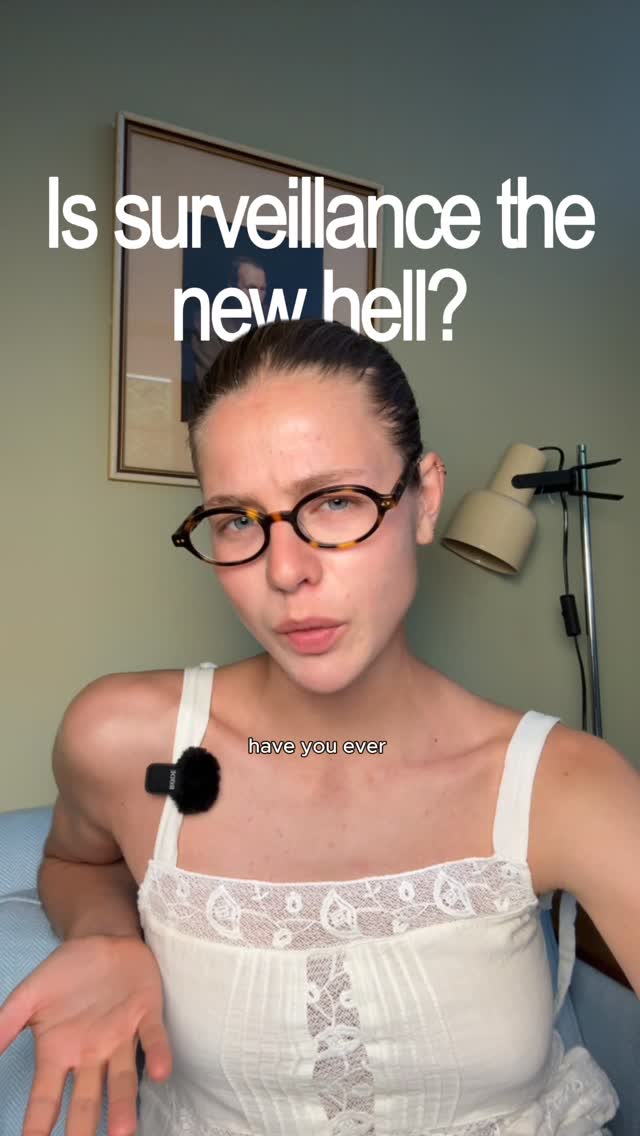 862.1K35.3×Explaining surveillance's psychological effect@var.aunevik · Breakdown
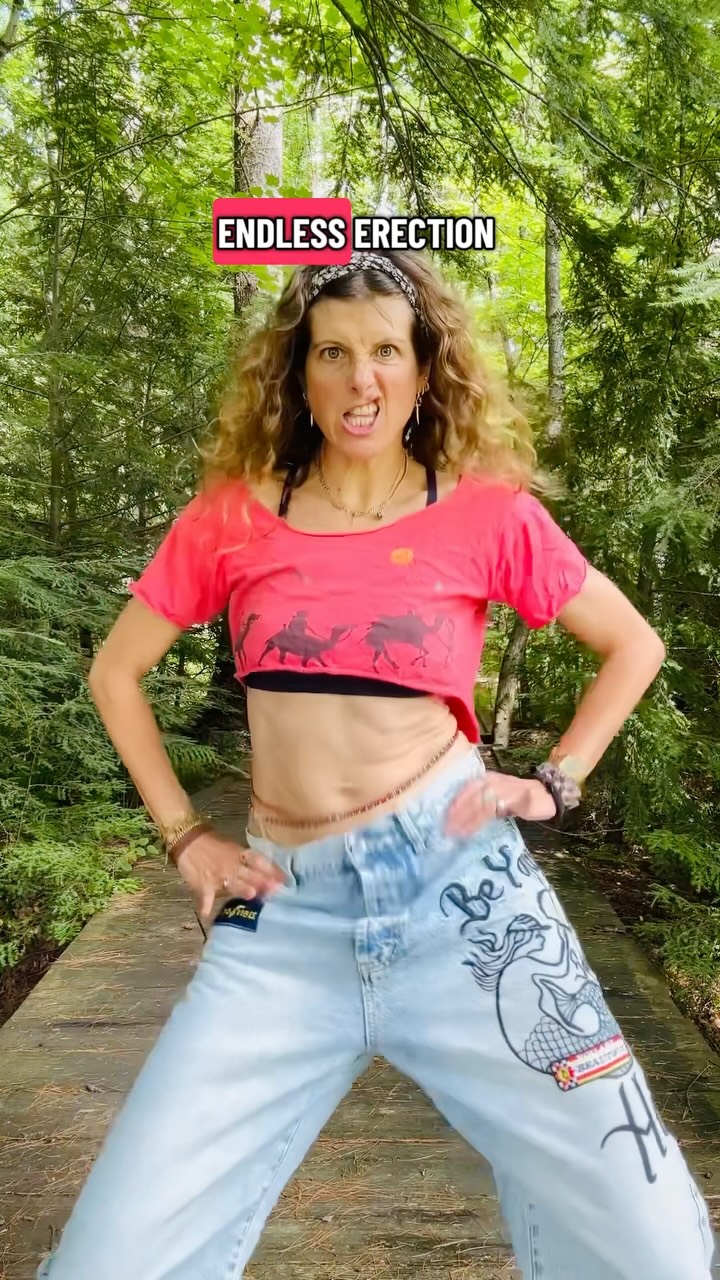 386.5K47.2×Interpretive dance about surveillance state@toninagy
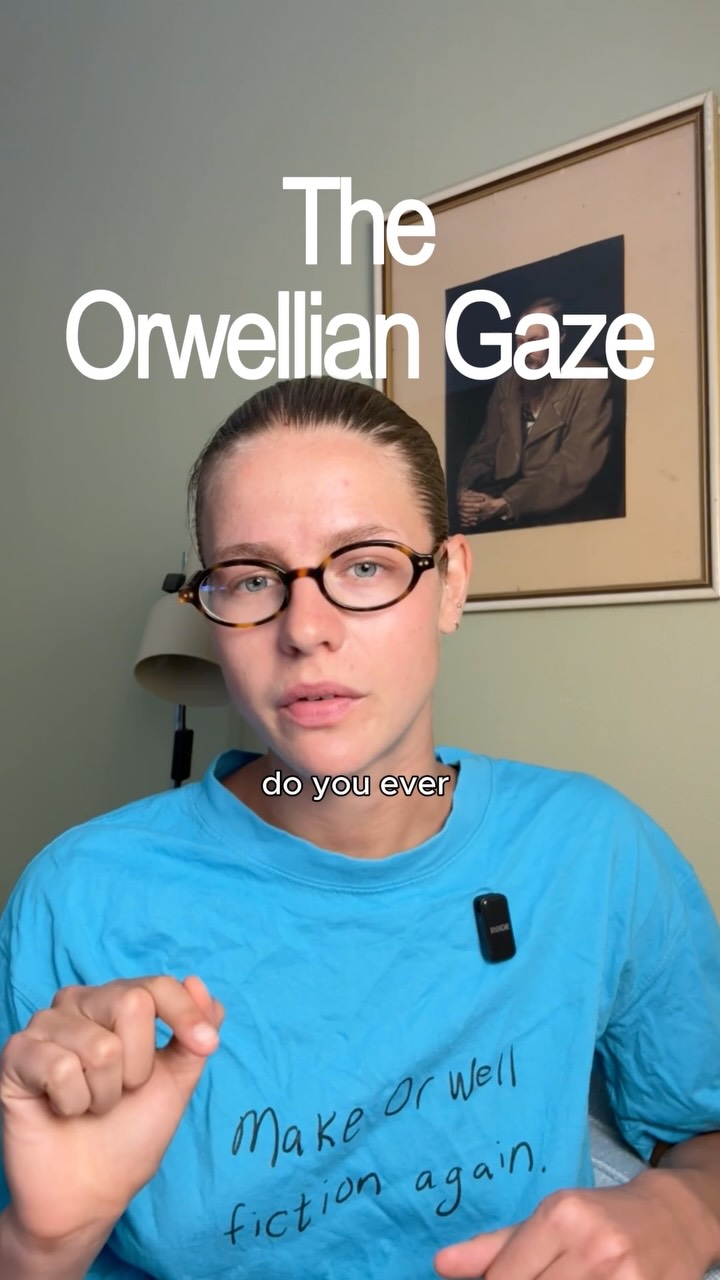 137.6KExplaining the modern surveillance gaze@var.aunevik · Breakdown
 295.8K81.5×Analyzing social media performance archetypes@theoparisi__ · Breakdown
 694.1K26.9×Explaining Thoreau's technology critique@var.aunevik · Anecdotal Philosophy
 8.1M481.1×Critiquing optimization culture with evidence@shwinnabegobrand · Cultural Rant
 2.1M6.6×Explains psychology of social media lurking@sensei.nick · Breakdown
 422.3K89.9×Selfie monologue about societal shift@karlkarma · Cultural Rant
 168KMonologue on overcoming fear online@higherupwellness · Vulnerable Monologue
 249.8K31.4×Direct monologue about material attachment@sensei.nick · Anecdotal Philosophy
 837.3K63.5×Voiceover story with B-roll clips@bensantos508 · Vulnerable Monologue
 687.7KAnalyzing the performative male aesthetic@eugbrandstrat · Breakdown
[04]
[05]
What stops the scroll in the first 3 seconds
Title hook · 35%
the note that tyler the creator dropped after his new album
Verbal hook · 40%
Note that Tyler the creator dropped after his new album really highlights something in the whole fear of being perceived conversation,
Visual hook · 25%
The creator holds up a large, solid blue square with a block of white text, completely obscuring their face and creating immediate curiosity about the message.
[07]
The promise the opener makes, and how the video pays it back
Hook
Ground a broad, abstract societal fear in a concrete, timely cultural reference, making the topic immediately accessible and relevant to a target audience.
Payoff
Circle back to the initial hook and the core emotion (e.g., fear), but redefine it with a more potent and precise term that encapsulates the entire argument, providing a memorable and impactful conclusion.
[08]
The structural pattern this video runs on
Framework
The Cultural Thesis Escalator
The framework uses a specific, culturally relevant artifact (like a piece of art, a quote, or a trend) as an entry point to introduce and deconstruct a broader, more complex societal phenomenon. It systematically builds an argument that implicates the viewer, reveals a paradoxical inversion, and concludes by reframing the initial observation into a powerful new thesis.
The Academic Framework
Introduce a formal concept or theory (e.g., sociological, philosophical) to lend intellectual credibility to the initial observation and provide a lens for the subsequent analysis.
The Internalization Beat
Translate the abstract academic concept into a tangible, internalized psychological reality for the modern individual, explaining how 'we' now operate under this new condition.
The Complicity Accusation
Shift the focus from an external force to the audience's own behavior, demonstrating how most people are active participants in the very system being critiqued. This makes the argument personal and provocative.
The Systemic Expansion
Show how the phenomenon has permeated other areas of life, such as creativity, work, and identity, demonstrating its widespread and inescapable influence.
The Aesthetic Inversion
Reveal the central paradox: the negative societal force has been co-opted and transformed into a desirable aesthetic or style, highlighting a deep cultural irony.
The Historical Shift
Use a historical comparison or anecdote to illustrate how the 'rules of engagement' with this phenomenon have changed over time, creating a sense of loss or injustice for the contemporary individual.
The Counter-Movement as Luxury
Present the emerging reaction or solution to the problem, framing an act of opting-out not as a retreat, but as a new form of aspirational status or luxury.
talking about the surveillance state makes me feel like i got a tinfoil hat on #tylerthecreator #donttaptheglass #marketing #genz #fyp
title · beginning
the note that tyler the creator
title · beginning
dropped after his new album
title · beginning
really highlights something in the whole
title · beginning
fear of being perceived conversation
contextual · beginning
*pls let me explain
contextual · beginning
metaphor by: michel foucault
contextual · middle
based on... a prison structure
contextual · middle
*not me tho
Note that Tyler the creator dropped after his new album really highlights something in the whole fear of being perceived conversation, and it's the fact that we live in a surveillance state. Not just politically, but socially, creatively, and emotionally. And there's actually a sociological line for this, and it's called the panopticon. It's this idea that people regulate their own behavior no because they are being watched, but because they might be being watched. That's what's happening now where we've internalized the possibility of being perceived. So we move to the world like there's always a camera running because there usually is. And it's funny because most people are actually complicit in this system. Like, we film strangers on trains. We upload clips of people crying, arguing, breaking down. People narrate each other's lives in real time. Surveillance isn't just a force applied to us. It's one that we enact on each other. Even creativity has been folded into this idea. To be a content creator now means optimizing your life for visibility. Post more, stream longer, be everywhere. Even just existing online demands a constant performance. You don't even need a niche anymore. Sometimes your personality can beat the product. And it's not even that we've just adapted to surveillance. Sometimes we even style ourselves around it. Like the paparazzi style campaigns, the tabloid inspired edits, the trends to make it look like you got caught off guard. Being watched is a style. I remember this Cameron Diaz interview. She said the moment everything changed for her was when films started having cameras. She knew then that privacy was over. What shifted is that now everyone's a potential target, not just celebrities. There used to be, like, an implicit contract, visibility tier exchange for access. Fame meant that you gave up some privacy, but you got protection, perks, money. Now regular people are being exposed in the same way, but without any benefits. And that's why people are starting to say things like being unreachable or touching grass is the new luxury. Privacy, stillness, and not being online are being reframed as aspirational. It's no longer about disappearing to escape, but it's about being able to opt out. And that's why I think a lot of people resonate with what his friend said because the fear isn't just of being perceived, it's of being captured.