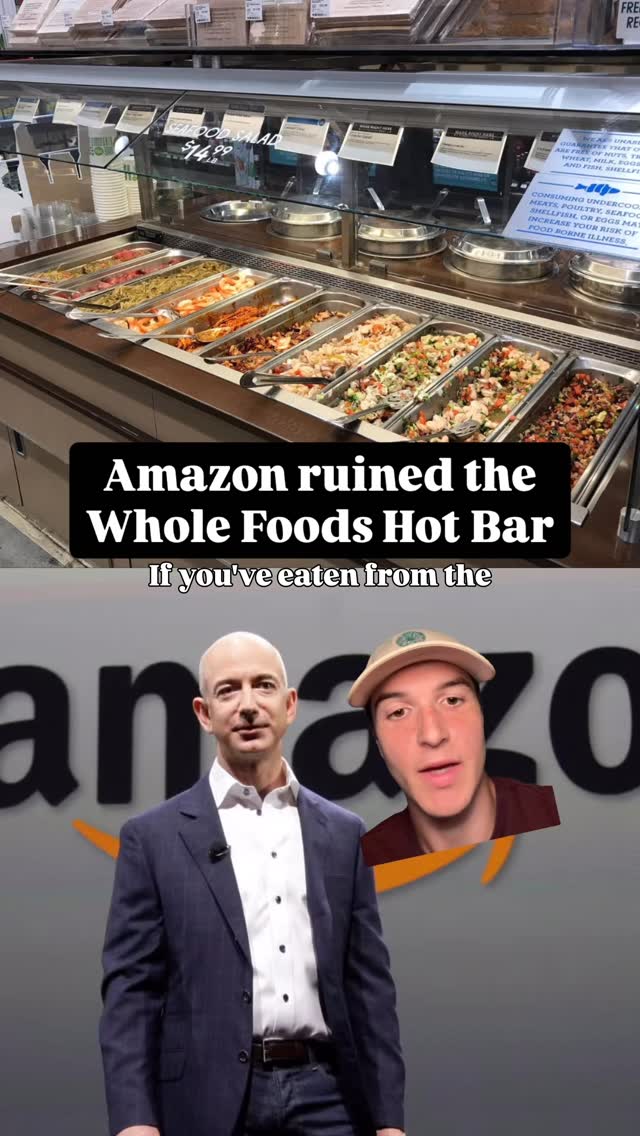
@zephzoid If you noticed the Whole Foods hot bar isn’t what it used to be…you’re not alone.
They’ve been owned and operated by Amazon for quite some time now.
And that can come with what is called “operational efficiencies.”
Pre-Amazon customers say
• Natural ingredients
• Local sourcing
• Scratch cooking
Post-Amazon customers say
• Feels mass-produced, low-quality
• Food is bland/poorly seasoned
• Almost every dish has seed oils
Ingredient lists are long for fresh cooked foods with additives that clash with Whole Foods’ early natural‑foods ethos.
Employees even now report hot bar offerings became more standardized across stores, with many items pre‑packed, and reheated rather than from scratch.
And if you go another level it gets worse.
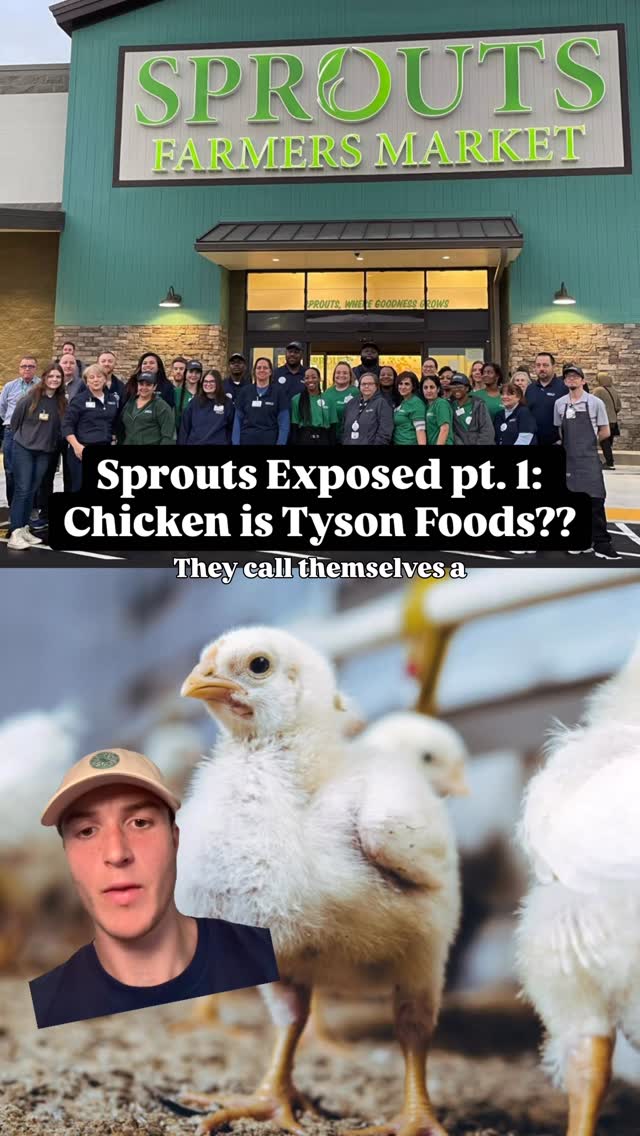
From the investigative reporting we’ve seen to date, their 365 chicken is likely produced in good part from Perdue and other Big poultry producers.
The same report showed their private label beef is from Tyson Foods.
Whole Foods publicly clarified hat it carries beef from Tyson-owned Open Prairie but said it does not carry Tyson poultry.
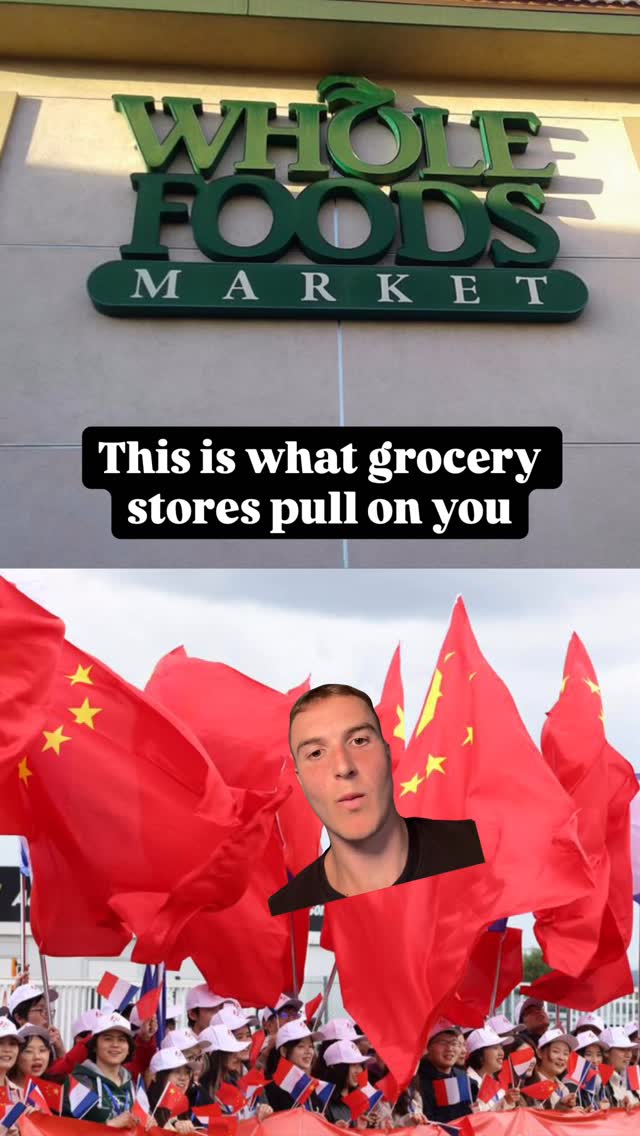
As a reminder this is widely perceived to be one of the healthiest grocery stores filled with meat from conventional farms and cooked with industrial ingredients.
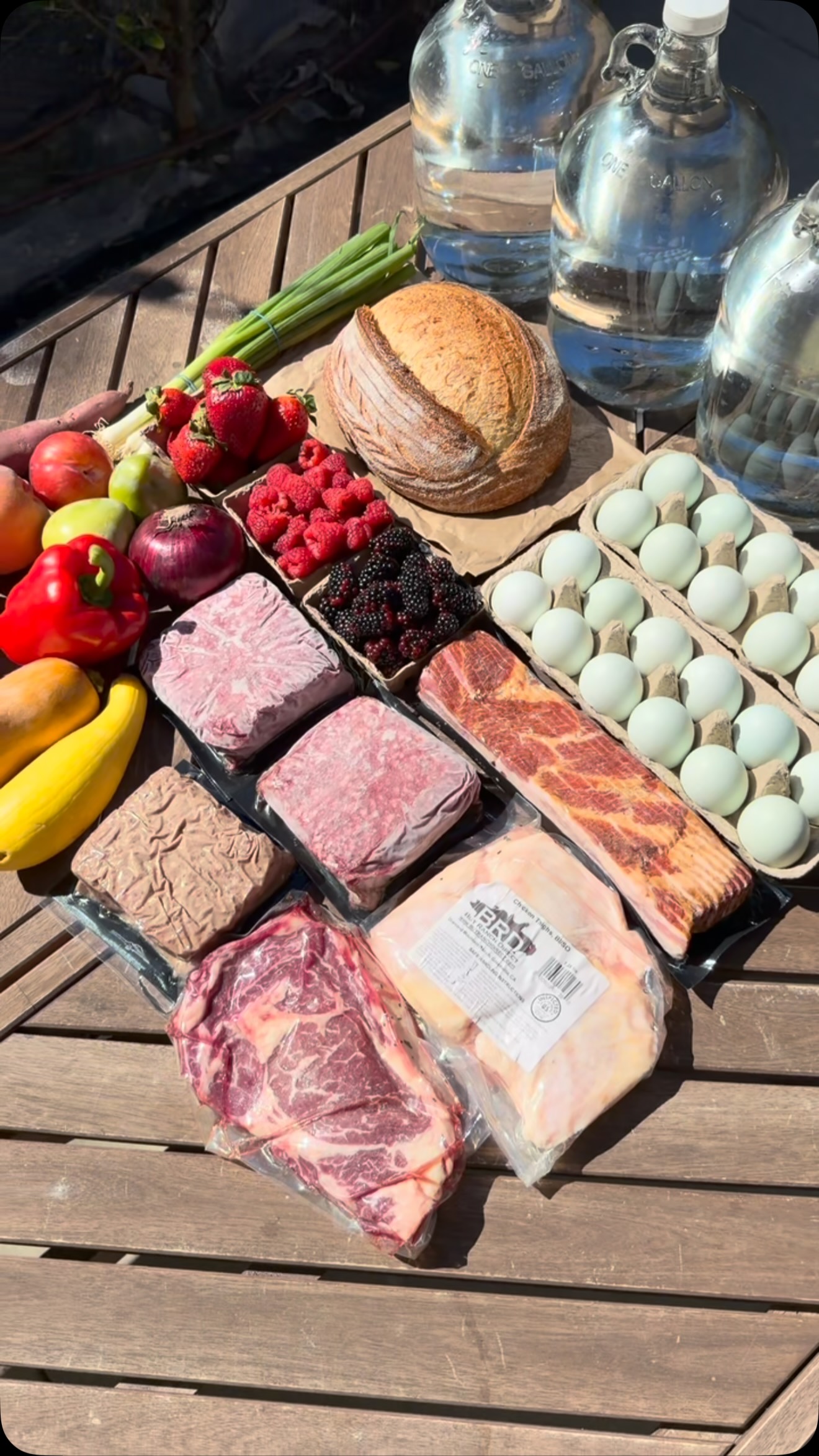
The lack of transparency in the grocery store is exactly why shopping at local farms is the future.
Without transparency comes drops in quality and the consumer getting something completely different from expectations.
The creator explains how Amazon's acquisition of Whole Foods has led to a decline in the quality of its hot bar and overall food sourcing. He contrasts the pre-Amazon era of fresh, local ingredients with the post-Amazon era of mass-produced, standardized food, citing employee reports and investigative journalism about sourcing from large producers like Perdue and Tyson. Finally, he presents this lack of transparency as a reason to shop at local farms and promotes an app to help consumers do so.
You've eaten from the Whole Foods hotbar before and after Amazon, you've probably already noticed this.
Visual hook · 15%
A wide shot of a Whole Foods hot bar, which then transitions to a split screen featuring Jeff Bezos and the creator, immediately establishing the video's subject and key players.
[07]
Hook and payoff
The promise the opener makes, and how the video pays it back
Hook
Targets a specific audience by voicing a common, unconfirmed suspicion about a familiar product or service, instantly creating a sense of validation and intrigue.
Payoff
Presents a clear, actionable alternative or solution that directly counters the diagnosed root cause, empowering the viewer to bypass the flawed system and achieve a better outcome.
[08]
Narrative framework
The structural pattern this video runs on
Framework
The Investigative Escalation
To validate a common consumer suspicion about a well-known brand, then systematically escalate the severity of the problem through layers of evidence, culminating in a shocking revelation that undermines the brand's core identity, and finally pivoting to an actionable alternative solution.
1
The 'Then vs. Now' Contrast
Establishes the core problem by contrasting a positive past experience (the 'then') with a negative present reality (the 'now'), framing the decline in quality and setting the stakes.
2
The Insider's Corroboration
Adds a layer of credibility by introducing 'insider' information or employee testimony, confirming that the perceived decline is a deliberate, systemic change rather than an isolated issue.
3
The Supply Chain Bombshell
Dramatically escalates the stakes by revealing a hidden, shocking truth about the product's origin or composition that directly contradicts the brand's public image or core promise.
4
The Root Cause Diagnosis
Synthesizes all the evidence to identify a single, overarching villain or abstract problem (e.g., 'lack of transparency,' 'corporate greed'), making the complex issue feel understandable and framing the need for a solution.
Themes
Corporate consolidation
Decline in quality
Food transparency
Support local
Techniques
B-Roll Cutaway
Image Overlay
Picture-in-Picture
Trends
Brand critique
Investigative content
Post caption
If you noticed the Whole Foods hot bar isn’t what it used to be…you’re not alone.
They’ve been owned and operated by Amazon for quite some time now.
And that can come with what is called “operational efficiencies.”
Pre-Amazon customers say
• Natural ingredients
• Local sourcing
• Scratch cooking
Post-Amazon customers say
• Feels mass-produced, low-quality
• Food is bland/poorly seasoned
• Almost every dish has seed oils
Ingredient lists are long for fresh cooked foods with additives that clash with Whole Foods’ early natural‑foods ethos.
Employees even now report hot bar offerings became more standardized across stores, with many items pre‑packed, and reheated rather than from scratch.
And if you go another level it gets worse.
From the investigative reporting we’ve seen to date, their 365 chicken is likely produced in good part from Perdue and other Big poultry producers.
The same report showed their private label beef is from Tyson Foods.
Whole Foods publicly clarified hat it carries beef from Tyson-owned Open Prairie but said it does not carry Tyson poultry.
As a reminder this is widely perceived to be one of the healthiest grocery stores filled with meat from conventional farms and cooked with industrial ingredients.
The lack of transparency in the grocery store is exactly why shopping at local farms is the future.
Without transparency comes drops in quality and the consumer getting something completely different from expectations.
Text overlays
title · throughout
Amazon ruined the Whole Foods Hot Bar
informational · beginning
Pre amazon customers say it was natural ingredients, local sourcing, and cooking
informational · middle
Post amazon, many report it feels mass produced, low quality, the food is bland, and almost every dish has seed oils
branding · end
Localize
contextual · end
Pasture Chicken
contextual · end
Grassfed Beef
Transcript
You've eaten from the Whole Foods hotbar before and after Amazon, you've probably already noticed this. Pre Amazon customers say it was natural ingredients, local sourcing, and scratch cooking. Post Amazon, many report it feels mass produced, low quality, the food is bland, and almost every dish has seed oils. Not only this, but the ingredient lists are long for fresh cooked foods with additives that clash with Whole Foods' early natural food ethos. And this was confirmed by employees who now report that hot bad offerings became more standardized across stores with many items prepacked and reheated rather than cooking from scratch like they used to. And if you go another level to the sourcing, it gets worse with reports showing their three sixty five branded chicken is likely produced in good part from Purdue and other big poultry producers. That same report showed that their private label beef is from Tyson Foods to which Whole Foods publicly clarified that it does carry beef from Tyson owned brands, but it does not carry Tyson poultry. That lack of transparency on the label when you go to checkout is exactly why shopping at local farms is the future because you can directly see who you're buying from. Even if you currently buy private label from a grocery store like Sprouts or Whole Foods, you can easily switch to localized to find a farmer that has full traceability to the meat you're getting.