Viral Hooks
Trending short videosExposing egg brand with data
Z

@zephzoid

Instagram · Speaker address

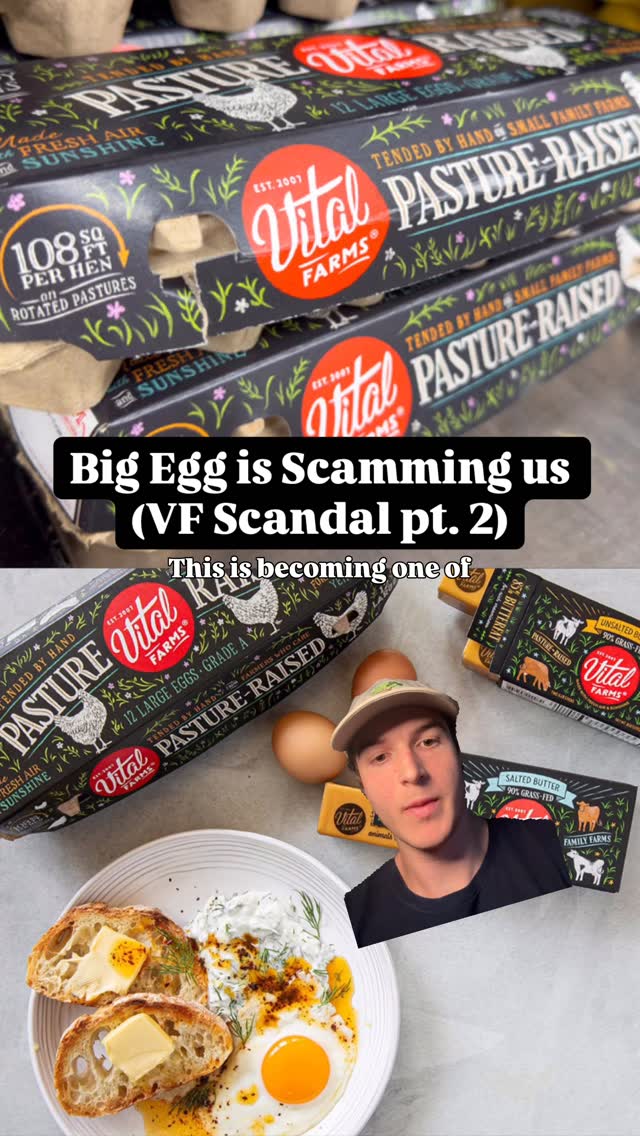
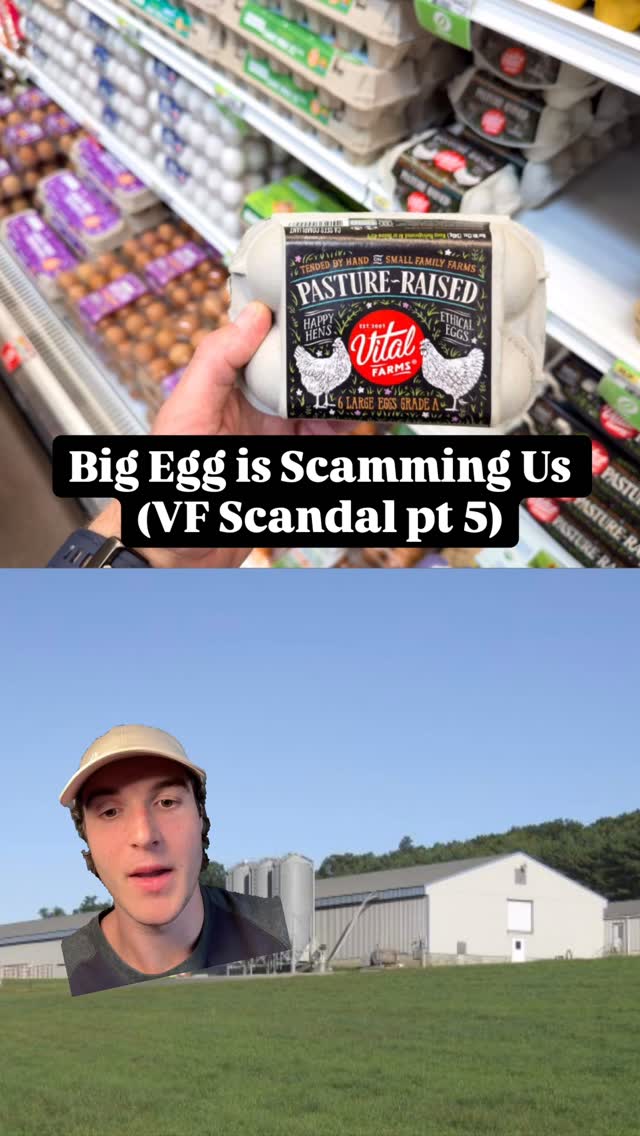
@zephzoid Welcome to food in 2026: where labels mean next to nothing and grocery stores can’t be trusted. Turns out one of the most popular Pasture-Raised Eggs - Vital Farms - has extremely omega-6 polyunsaturated fat (PUFA or Linoleic acid). While the chickens are raised on pasture…they are also fed corn and soy. Billions in subsidies go towards these crops which makes production cheap but also makes them pro-inflammatory. Why this is devastating? These are some of the most widely available “high-quality” eggs. And test results show they aren’t all the much different from many cage-free/free range eggs, but greenwashed marketing pushes the price up 2-4x. The future of eggs - local farms > grocery stores - corn and soy free is the standard - testing becomes a necessity Talk to your farmer. Ask about the feed. This is what we should be buying based on not marketing claims.

View original on Instagram

The edit1 shot · 5 text
Shots Text

Performance

Views
800.9K
Likes
18.9K
Comments
1.1K
Engagement
2.5%
Outlier
19.7×

Video #17303 · Speaker address

Exposing egg brand with datafrom @zephzoid

[01]

Overview

The creator exposes the high Omega-6 (PUFA) content in Vital Farms eggs, presenting test data that compares them unfavorably to other brands. He explains this is due to their corn and soy feed, a practice encouraged by government subsidies, and accuses the brand of greenwashing. He concludes by advocating for consumers to buy eggs from local farms with better feed practices and to verify this by talking directly to farmers.

[02]

Simple outline

  1. 1State shocking counter-intuitive claim
  2. 2Reveal the hidden 'why'
  3. 3Expose the systemic problem
  4. 4Provide an actionable solution

[03]

Related videos

[04]

Classification

Concepts
BreakdownHot Take
Elements
Text Overlay

[05]

Hook analysis

What stops the scroll in the first 3 seconds

Title hook · 65%

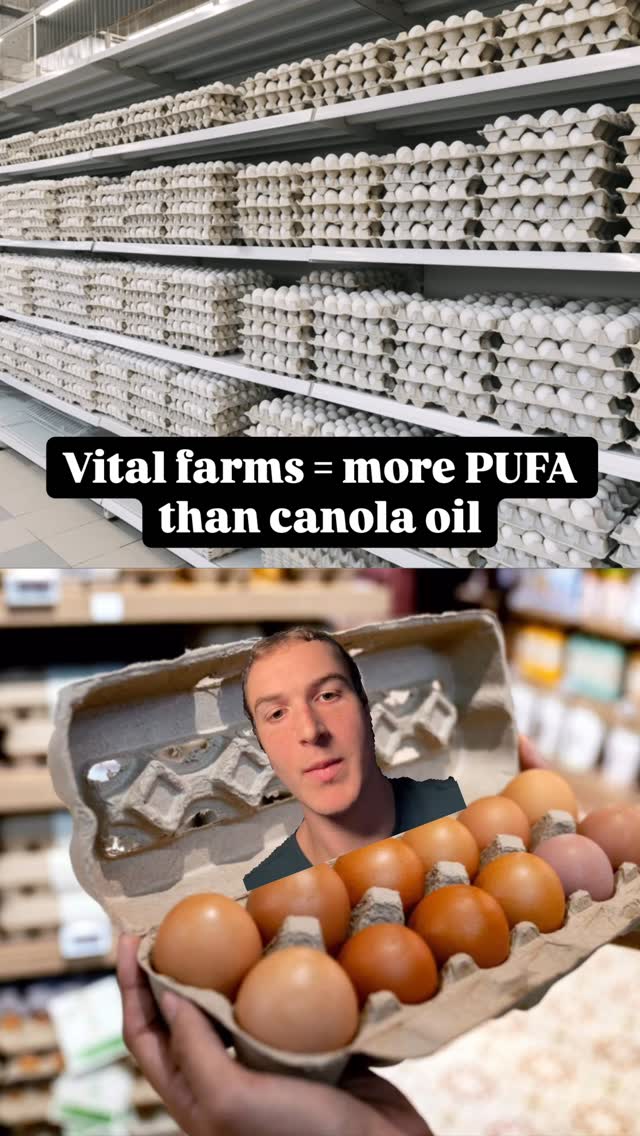
Vital farms = more PUFA than canola oil

Verbal hook · 25%

This one really upset me, but honestly, at this point we shouldn't even be surprised.

Visual hook · 10%

The video opens with a wide, slightly distorted shot of immense grocery store shelves stacked high with egg cartons, creating a visually overwhelming sense of industrial scale. This is immediately followed by a cut to the creator's face overlaid on a carton of eggs he is holding.

[06]

Hook template

Steal this for your own video

[premium brand] has more [harmful ingredient] than [unexpected comparison].

  • — This protein bar has more sugar than a glazed doughnut.
  • — This “natural” cereal has more sodium than potato chips.
  • — This luxury skincare cream has more fragrance than drugstore body lotion.

[07]

Hook and payoff

The promise the opener makes, and how the video pays it back

Hook

A combination of personal emotional reaction ('This one really upset me') and a shocking, data-driven headline that challenges a widely held belief about a popular product.

Payoff

An empowering call to action that gives the viewer a clear, tangible step to take (e.g., 'Talk to your farmer'), shifting them from a passive consumer to an informed participant and resolving the initial outrage with a sense of agency.

[08]

Narrative framework

The structural pattern this video runs on

Framework

The Deceptive Label

To expose a popular, trusted product or idea as deceptive by revealing a hidden, counter-intuitive truth, then linking it to a systemic issue and providing an alternative, empowered path forward for the consumer.

  1. 1

    The Data Drop

    The initial claim is immediately substantiated with visual evidence, such as a chart or test result, presented as objective proof that validates the shocking hook.

  2. 2

    The 'Beneath the Label' Reveal

    The video explains the hidden mechanism or practice (e.g., feeding corn and soy) that causes the discrepancy between the product's marketing and its reality.

  3. 3

    The Systemic Zoom-Out

    The specific issue is connected to a larger, systemic problem (e.g., government subsidies), framing it as a widespread issue, not an isolated incident, which elevates the stakes.

  4. 4

    The Greenwashing Indictment

    The creator explicitly calls out the deceptive marketing and the financial/trust betrayal of the consumer, validating the viewer's potential feelings of being misled.

  5. 5

    The Alternative Path

    A new, superior model or solution is presented as the way forward (e.g., local farms over grocery stores), shifting the narrative from problem to solution.

  6. 6

    The Idealized Future

    A vision of the 'correct' or ideal standard is shown (e.g., chickens eating bugs and grass), creating a clear aspirational goal for the viewer.

Themes

  • Food transparency
  • Marketing vs. reality
  • Consumer awareness
  • Critique of industrial agriculture
  • Support for local food systems

Techniques

  • Data presentation
  • Problem-solution narrative
  • Call to action

Trends

  • Exposing brands
  • Seed oil discourse

Post caption

Welcome to food in 2026: where labels mean next to nothing and grocery stores can’t be trusted. Turns out one of the most popular Pasture-Raised Eggs - Vital Farms - has extremely omega-6 polyunsaturated fat (PUFA or Linoleic acid). While the chickens are raised on pasture…they are also fed corn and soy. Billions in subsidies go towards these crops which makes production cheap but also makes them pro-inflammatory. Why this is devastating? These are some of the most widely available “high-quality” eggs. And test results show they aren’t all the much different from many cage-free/free range eggs, but greenwashed marketing pushes the price up 2-4x. The future of eggs - local farms > grocery stores - corn and soy free is the standard - testing becomes a necessity Talk to your farmer. Ask about the feed. This is what we should be buying based on not marketing claims.

Text overlays

  • title · beginning

    Vital farms = more PUFA than canola oil

  • contextual · beginning

    This one really upset me

  • contextual · beginning

    Testing just revealed

  • informational · middle

    The future of eggs means local farms over grocery stores

  • call-to-action · end

    Talk to your farmer and ask about the feed because this is how we should be buying not based on marketing claims

Transcript

This one really upset me, but honestly, at this point we shouldn't even be surprised. Testing just revealed one of the most popular pasture raised eggs, Vital Farms, has extremely high omega-six polyunsaturated fat, which is pro inflammatory. While the chickens are apparently raised on pasture, they are also fed corn and soy. And we should know by now this is part of a much bigger complex of billions in subsidies going towards these crops, which makes production extremely cheap. This is so devastating because these are some of the most widely available high quality eggs. Yet best results show they aren't all the that much different from cage free or free range eggs, but the greenwash marketing pushes the price up two to four x. The future of eggs means local farms over grocery tier, with feeds of bugs, insects, and grass becoming the standard over corn and soy. Nutrient testing will become a necessity. Talk to your farmer and ask about the feed because this is how we should be buying, not based on marketing claims.

Exposing egg brand with data | Viral Hooks