@bad.hambres
Instagram · Vlog
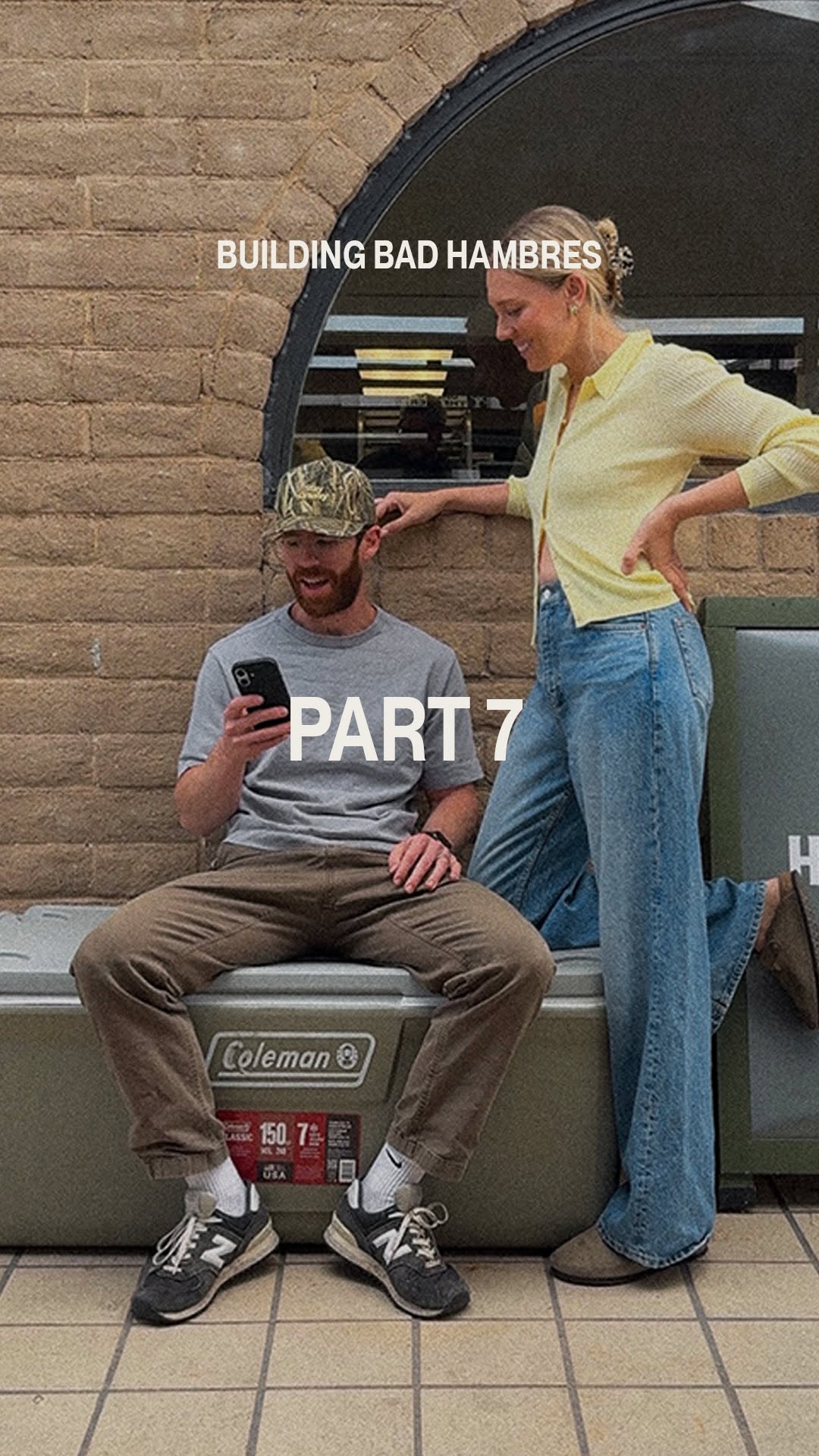
@bad.hambres Part 7: Felt like giving up. Glad we didn’t.

@bad.hambres
Instagram · Vlog
@bad.hambres Part 7: Felt like giving up. Glad we didn’t.
Performance
Video #24986 · Vlog
[01]
The creator recounts the journey of starting his frozen burrito company, detailing the initial success, a major sales slump that nearly bankrupted them, their various attempts to pivot, and the eventual surge in demand driven by media attention, leading to them selling out and needing to scale up production.
[02]
[03]
 3.2M4.6×Founder documents business highs and lows@bad.hambres · Origin Story
 185.9KDocumenting a burrito business journey@bad.hambres · Origin Story
 1.2MChronicles starting a burrito business@bad.hambres · Journey Documentation
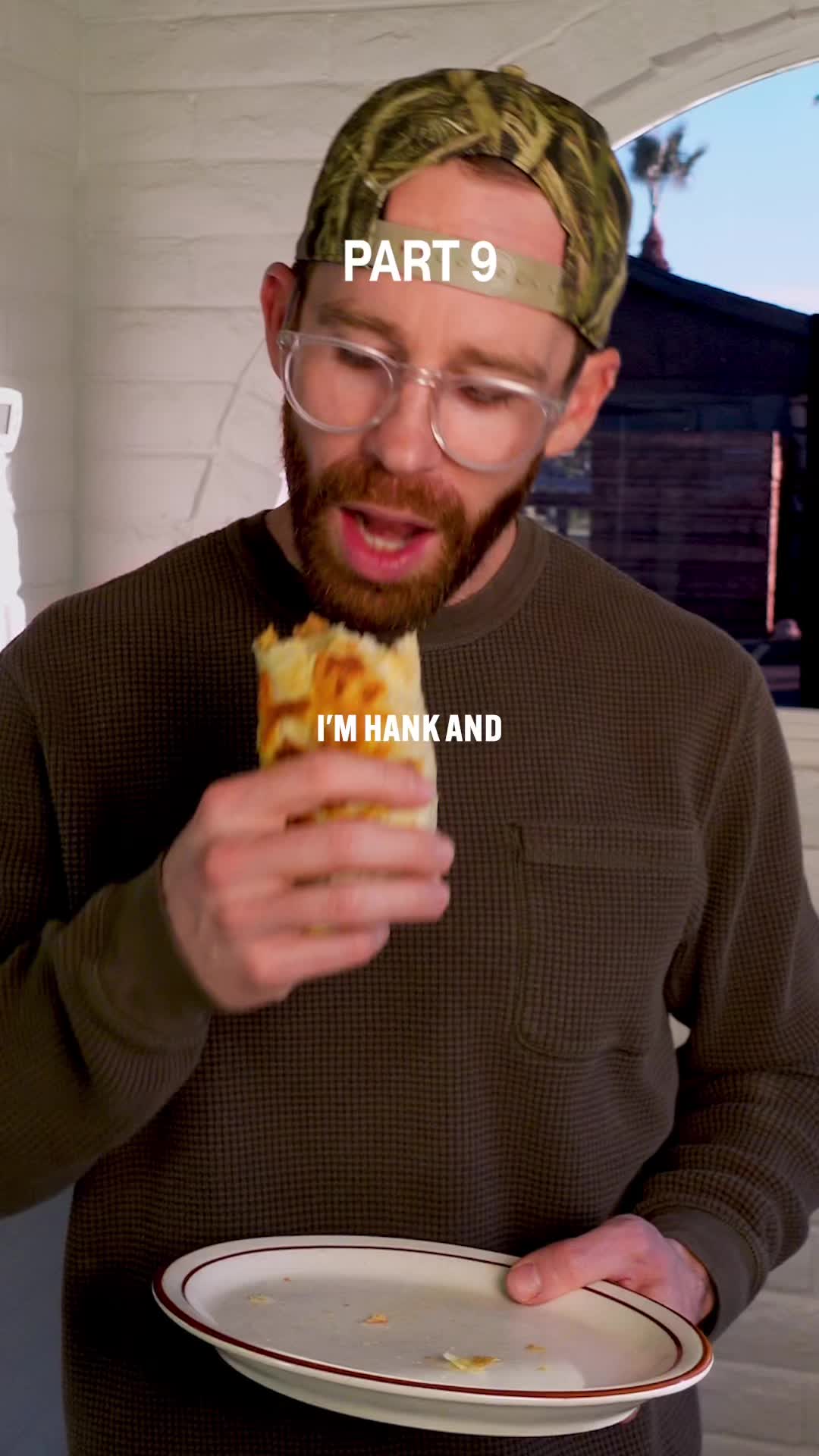 80.9K1×Documenting our business startup journey@bad.hambres · Origin Story
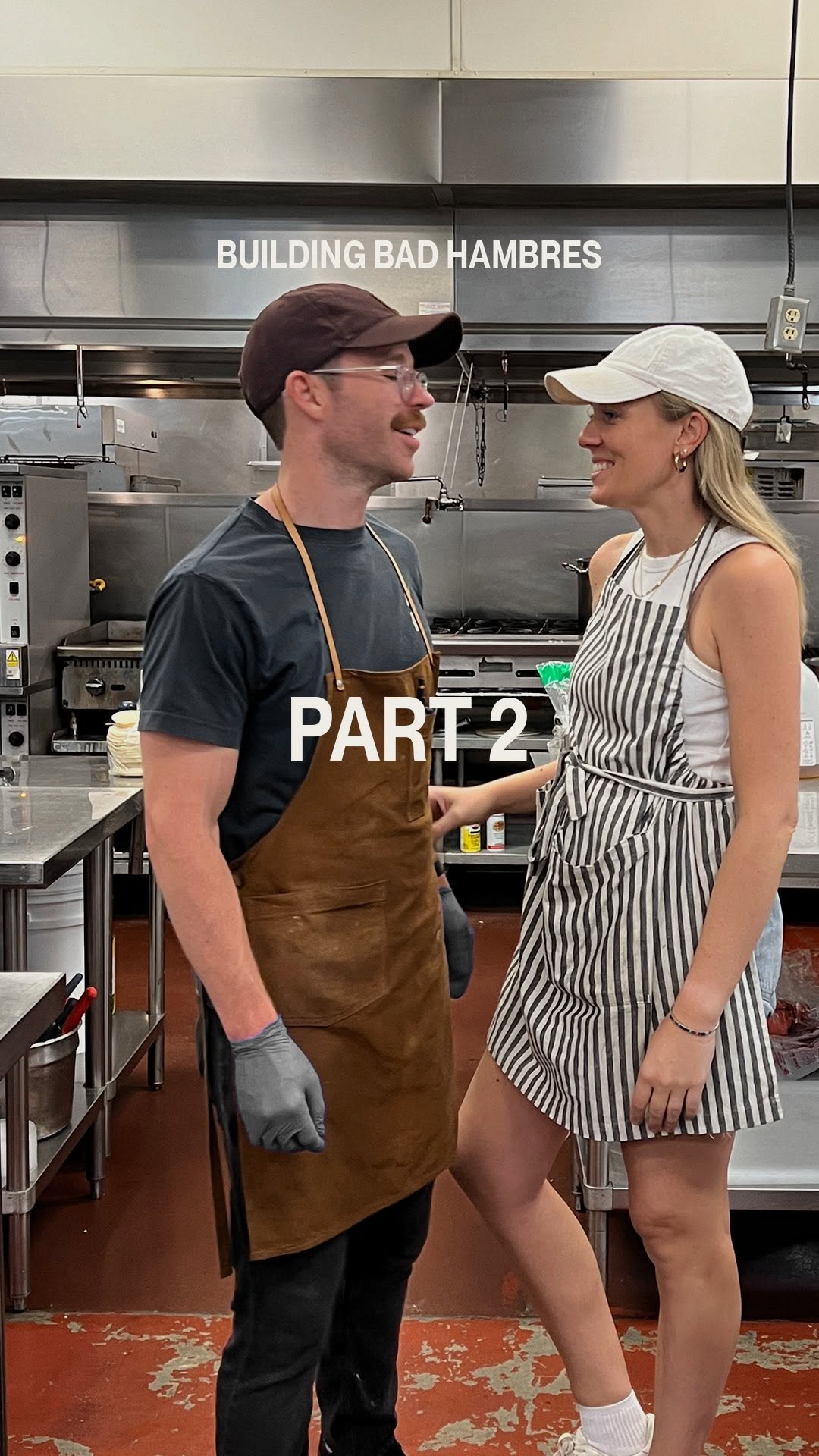 597.7KDocumenting a new business journey@bad.hambres · Journey Documentation
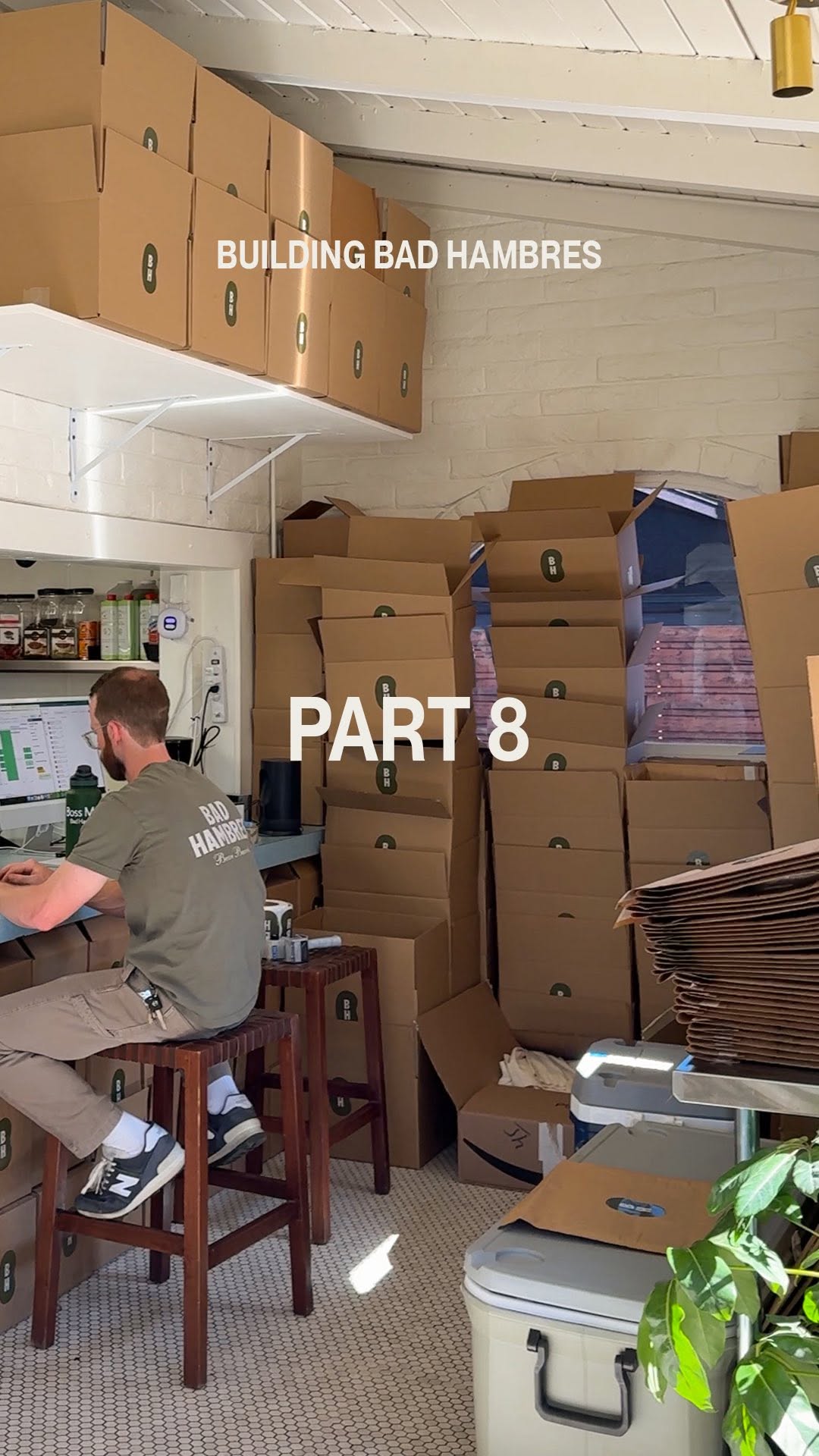 85.6KFounder tells business journey story@bad.hambres · Origin Story
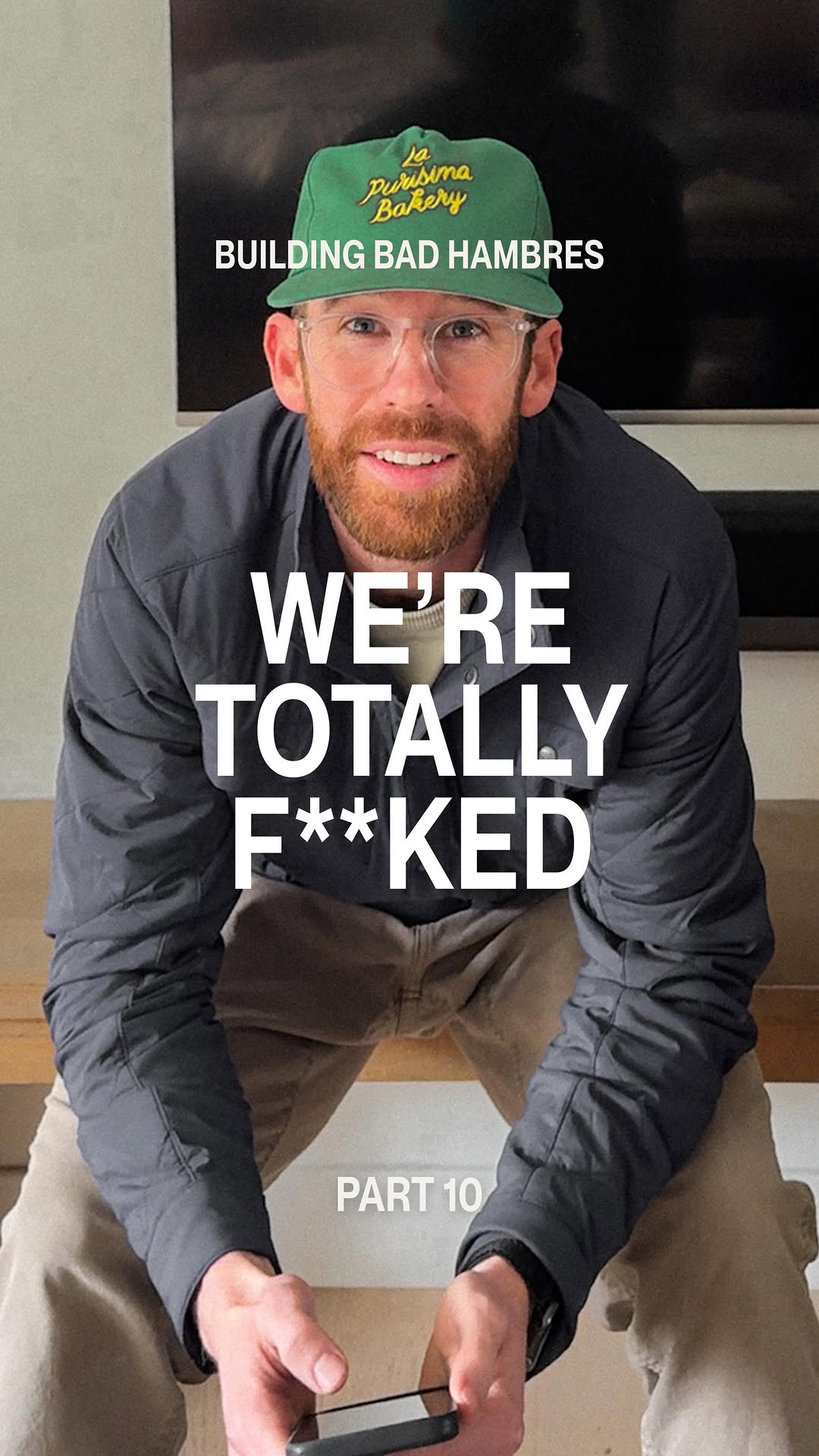 1.2M15.3×Founders share business origin story@bad.hambres · Origin Story
 714K10.2×Documenting our burrito business journey@bad.hambres · Origin Story
 66KDocumenting our frozen burrito business@bad.hambres · Journey Documentation
 484.2K1.8×Chronicles starting a burrito business@bad.hambres · Journey Documentation
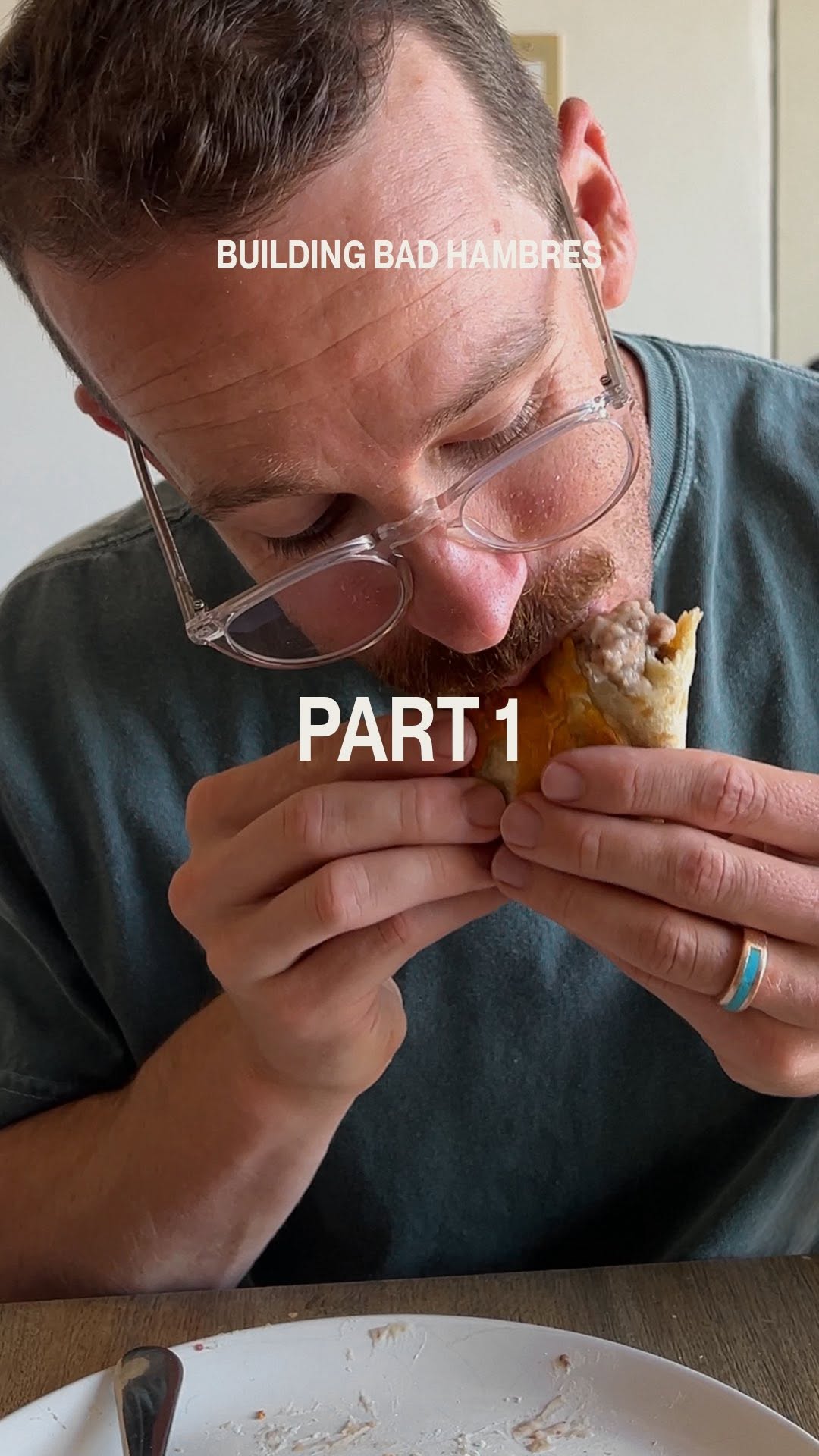 150.4KEntrepreneur origin story montage@bad.hambres · Origin Story
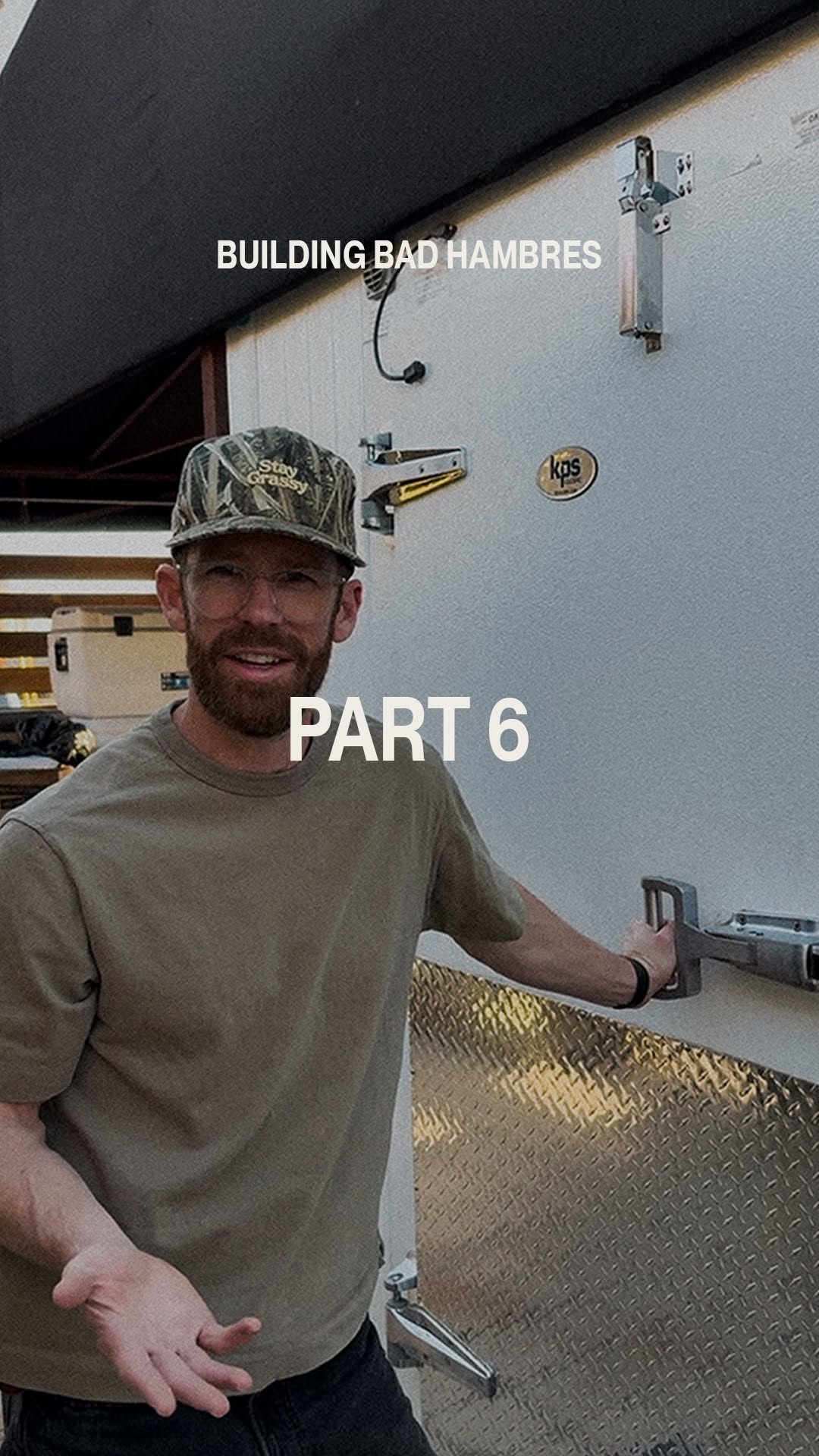 243.9KBusiness journey from hype to pivot@bad.hambres · Journey Documentation
[04]
[05]
What stops the scroll in the first 3 seconds
Title hook
PART 7
Verbal hook · 75%
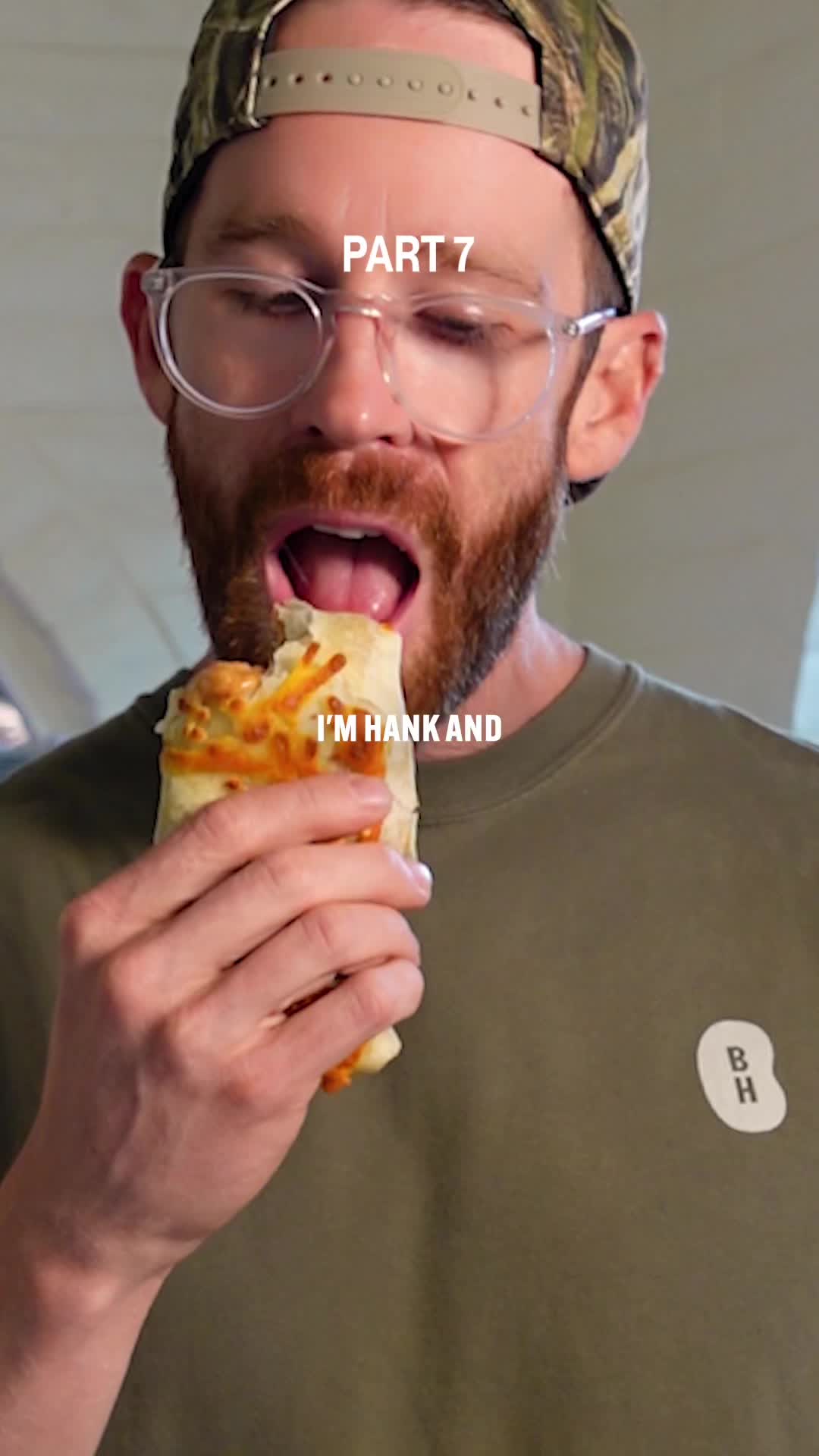
I'm Hank, and eight months ago, I quit my nine to five job to start a frozen bean and cheese burrito company with my wife, Sam.
Visual hook · 25%
A close-up shot of the creator eating the product (a burrito), immediately establishing the subject and creating a personal connection.
[06]
Steal this for your own video
I quit my ago to start a , and here's what happened.
[07]
The promise the opener makes, and how the video pays it back
Hook
A personal, relatable introduction that establishes the protagonist, the high-stakes goal, and the initial investment (e.g., quitting a job).
Payoff
A resolution that confirms the venture's success while simultaneously setting the stage for future challenges, converting viewers into followers by promising an ongoing story.
[08]
The structural pattern this video runs on
Framework
The Founder's Rollercoaster
Chronicles a high-stakes venture through a dramatic cycle of success, near-catastrophic failure, and an explosive rebound, framing the journey as an ongoing saga to build a loyal audience.
The Initial Peak
Showcase early, rapid success to establish credibility and set high expectations for the narrative, creating a peak from which to fall.
The Crisis Cascade
Introduce a sudden, sharp downturn and detail a series of failed attempts to fix it, escalating the stakes and financial/emotional pressure.
The Moment of Despair
Articulate the lowest emotional point where the protagonist questions the entire venture, maximizing audience empathy and narrative tension.
The External Catalyst
Introduce an unexpected external event (e.g., press, social proof) that acts as a turning point, shifting the narrative momentum from negative to positive.
The Rebound Whiplash
Showcase an overwhelming surge in success that directly contrasts with the recent low point, creating a powerful feeling of release and victory.
The Full-Circle Grind
Depict the protagonist returning to the foundational, hands-on work, demonstrating humility and reinforcing their commitment despite the newfound success.
The New Baseline & Future Promise
Validate the rebound as the new normal, resolve a previously failed objective, and issue a clear call-to-action for the audience to follow the next chapter of the ongoing journey.
Part 7: Felt like giving up. Glad we didn’t.
contextual · beginning
PART 7
contextual · beginning
I QUIT MY 9 TO 5 JOB
contextual · beginning
BEAN AND CHEESE
informational · beginning
19,000 BURRITOS
contextual · beginning
WE FELT UNSTOPPABLE
contextual · beginning
SALES DROPPED
contextual · middle
WAS RUNNING OUT
contextual · middle
WE LAUNCHED
contextual · middle
FARMERS MARKET
contextual · middle
EVERYONE KEPT ASKING
contextual · middle
INTO FULFILLMENT HQ
contextual · middle
BUT THE RUSH NEVER CAME
contextual · middle
WE WERE EXHAUSTED
contextual · middle
OUT OF MONEY
contextual · middle
INFLUENCERS STARTED POSTING
contextual · middle
ON THE LOCAL NEWS
informational · middle
8,000 BURRITOS
contextual · middle
WE COMPLETELY SOLD OUT
informational · end
WE SOLD 20,000 BURRITOS
contextual · end
CUSTOMERS WERE HAPPY
contextual · end
WE'RE BRINGING IT BACK
branding · end
WE'RE BAD HAMBRES
call-to-action · end
FOLLOW ALONG TO SEE
I'm Hank, and eight months ago, I quit my nine to five job to start a frozen bean and cheese burrito company with my wife, Sam. After selling 19,000 burritos in our first four months, we felt unstoppable. Then sales dropped best, but we'd already scaled up. Team, kitchen, overhead, and the cash was running out. So on top of Phoenix delivery, we launched pickup, wholesale, and hit the farmer's market, but sales kept slipping. It was time to expand. Everyone kept asking, when are you gonna ship? So we turned our tiny Taco Bell into fulfillment HQ. Pallets stacked too high, hopes even higher, and launched Arizona shipping to our email list ready to be buried in orders. But the rush never came. We were exhausted and running out of money. Started wondering, is this as far as the best dream goes? But then we turned a corner. Influencers started posting. A Phoenix paper ran a story. We even ended up on the local news. We're selling so many burritos. 8,000 burritos good in days. We completely sold out. Bad to pause shipping just to keep up. A week earlier, we're sweating every expense. Then all of a sudden, we couldn't make burritos fast enough, but we weren't sure it would best. So we played it safe and didn't staff up. Our squad went into beast mode, but there worse still gaps. So I ended up back where I started, stirring beans solo at night best like the good old days when it was me and two giant pots in a shared kitchen. And it turns out it wasn't a fluke. Demand kept pumping. We dropped a burrito collab with an award winning chef, sold out in twenty minutes. Then last month, we sold 20,000 burritos. Still not paying ourselves, but finally, we had some room to breathe. And, yeah, the shipping test was smaller than expected, but it worked. Customers were happy. Shipping isn't dead. We're bringing it back because we just hired another full time kitchen pro, and it's game on. We're bad hombres. Follow along to see how far this best dream goes.