@var.aunevik
TikTok · Talking Head Edit
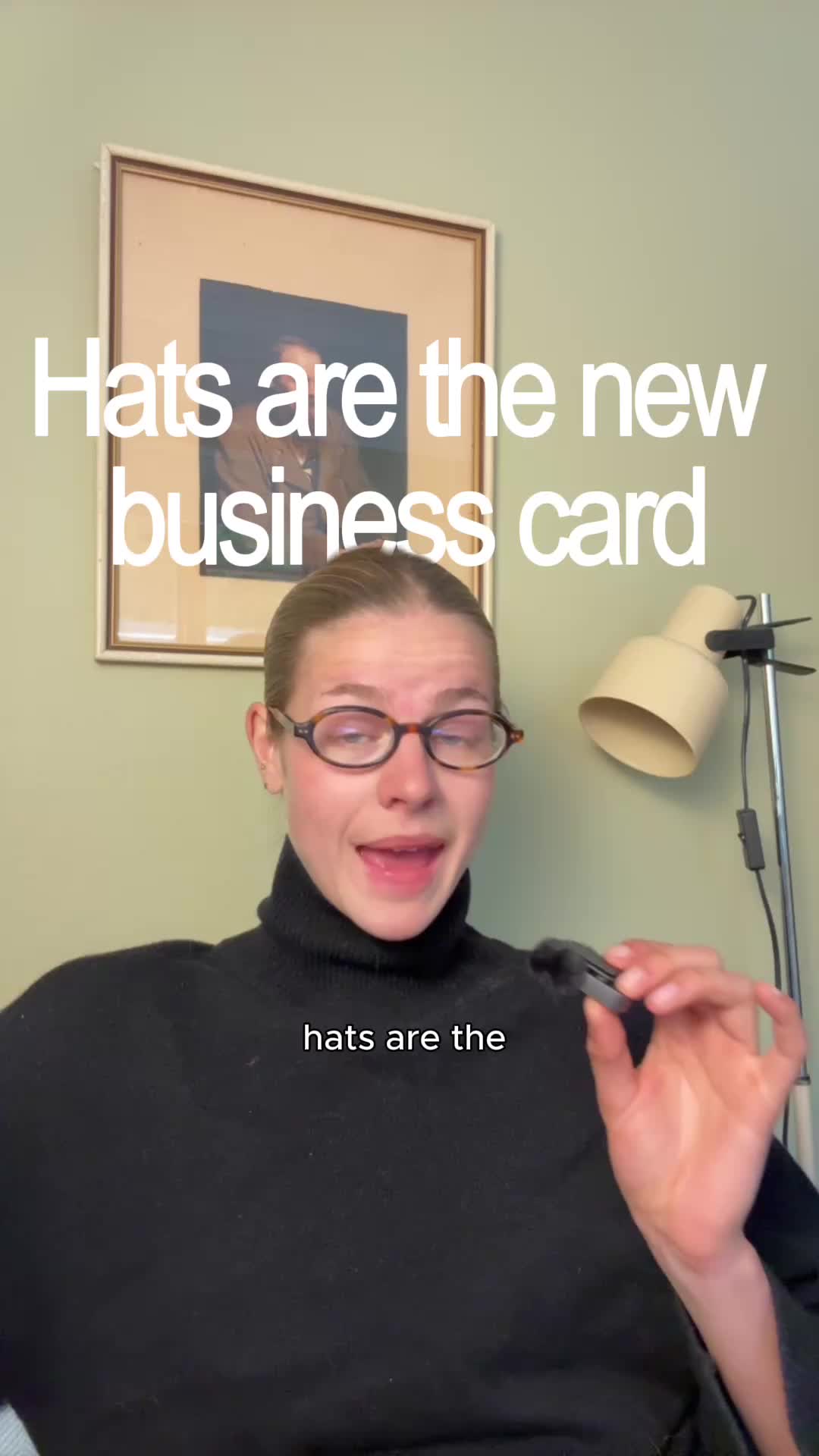
@var.aunevik Hats are sort off the new business card. Baseball caps with branded slogans or text have almost become a status symbol. And the great thing is that they are always visible, even on zoom calls.

@var.aunevik
TikTok · Talking Head Edit
@var.aunevik Hats are sort off the new business card. Baseball caps with branded slogans or text have almost become a status symbol. And the great thing is that they are always visible, even on zoom calls.
Performance
Video #25087 · Talking Head Edit
[01]
The creator presents and defends the thesis that branded hats are the new business card. She uses a hypothetical scenario of an AI company's hat giveaway to explain their value, arguing that hats are highly visible, act as a 'moving billboard,' and create a sense of exclusivity and community when designed with a minimal, anonymous aesthetic.
[02]
[03]
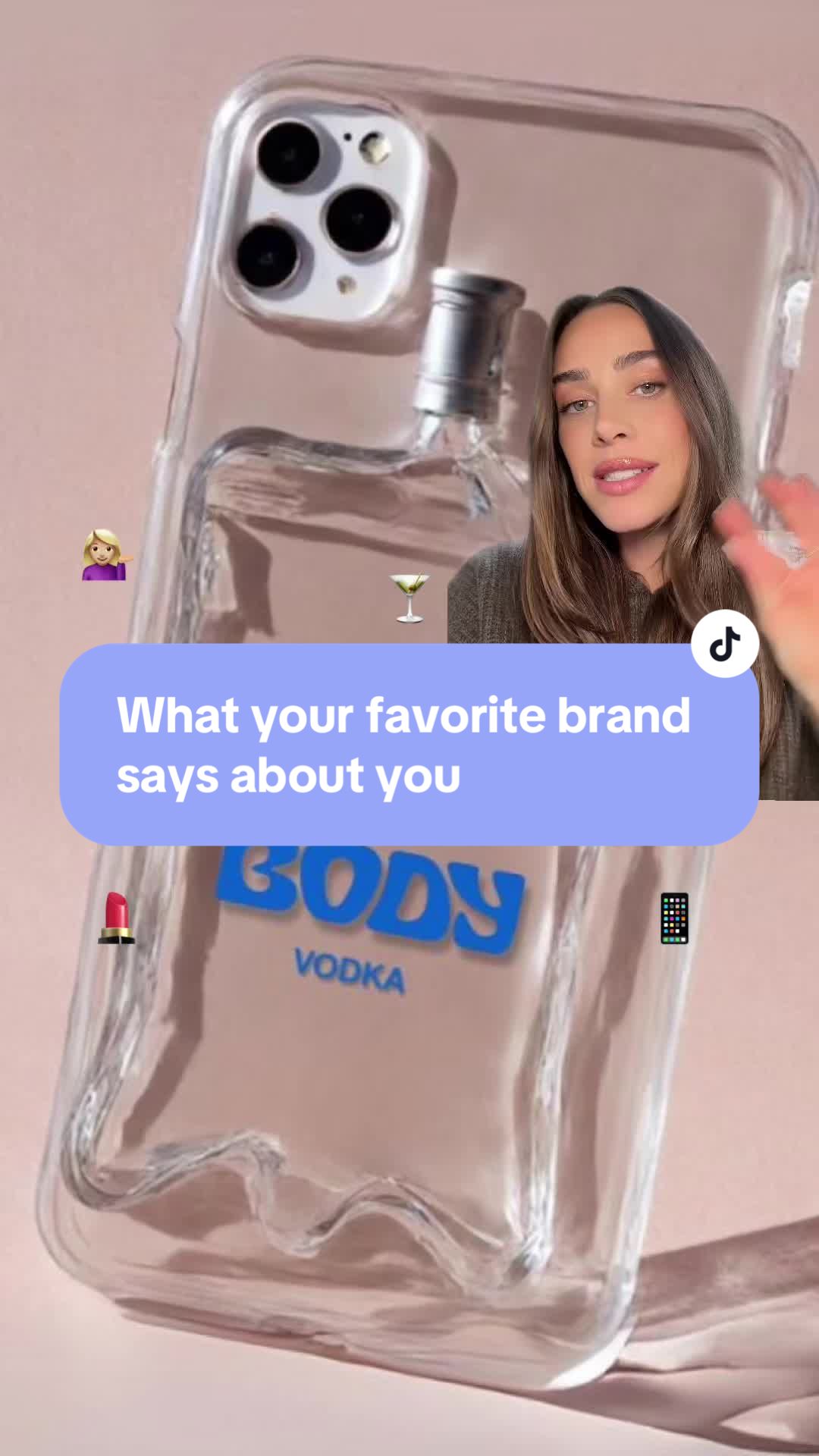 77.8KAnalyzing phone cases as status symbols@kiramackenz · Breakdown
 216.4K1.7×List of uncommon hat brands@finnlately · Rapid Fire Listicle
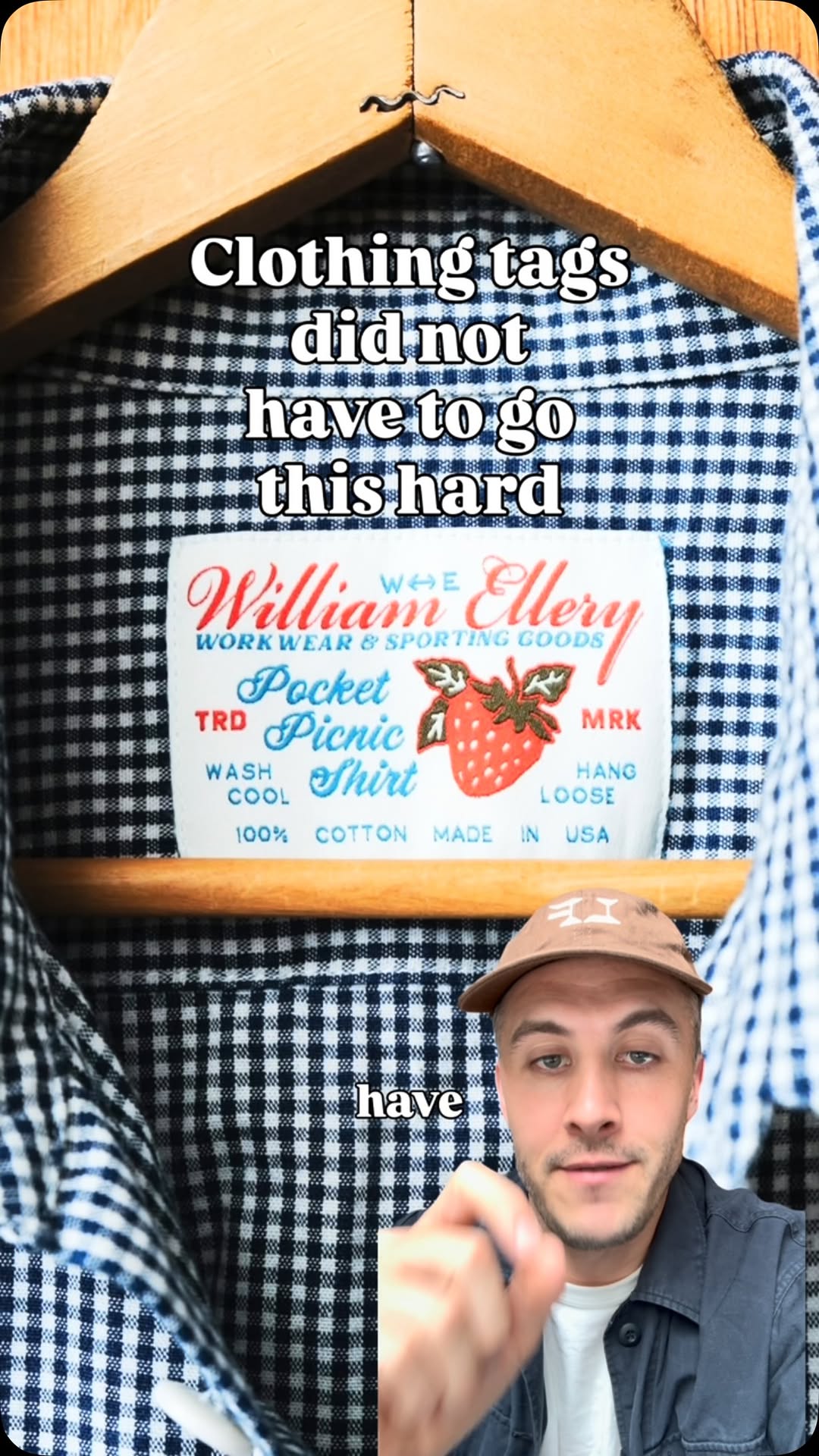 358.1K20.2×Creator critiques bland branding trend@clayton.chambrs · Good vs Bad
 56KBranding concept explained with proof@orenmeetsworld · Case Study Reminder
 449.2KRecommending five unique hat brands@finnlately · Rapid Fire Listicle
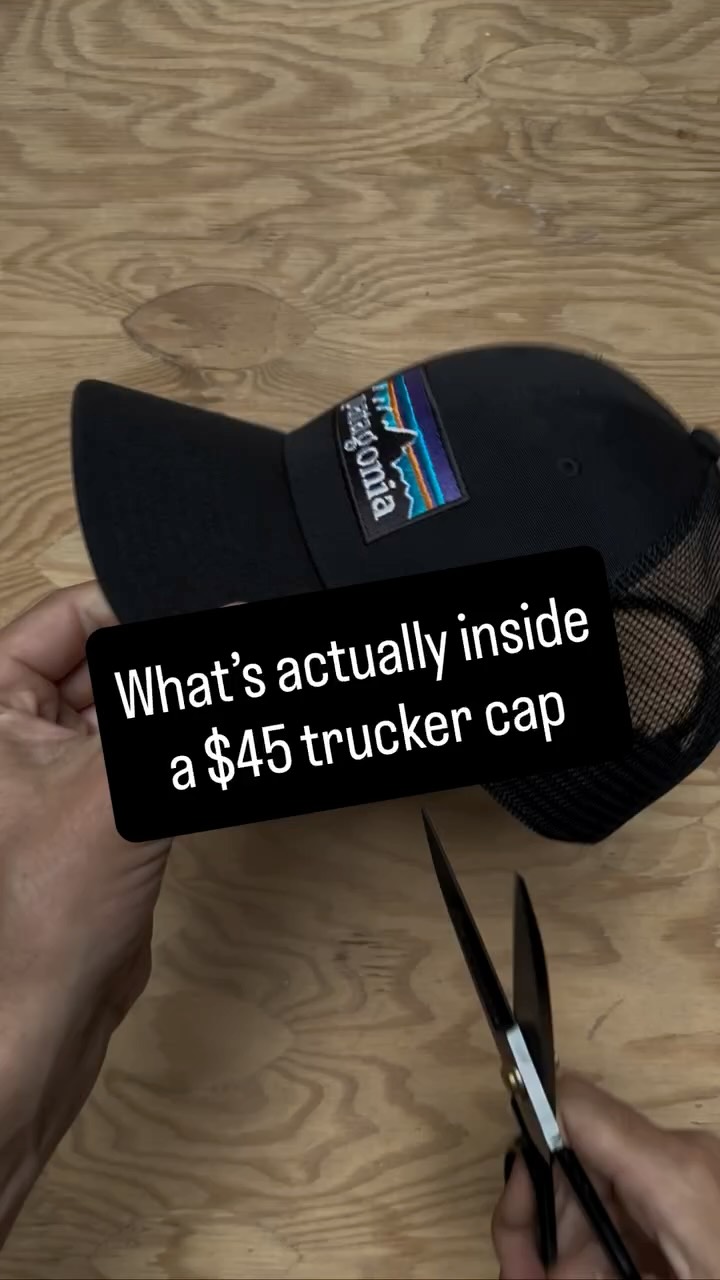 774.5KDeconstructing a hat for sustainability@rustek.collective · Breakdown
 321K1×Analysis of intellectualism as a trend@deathtostock · Breakdown
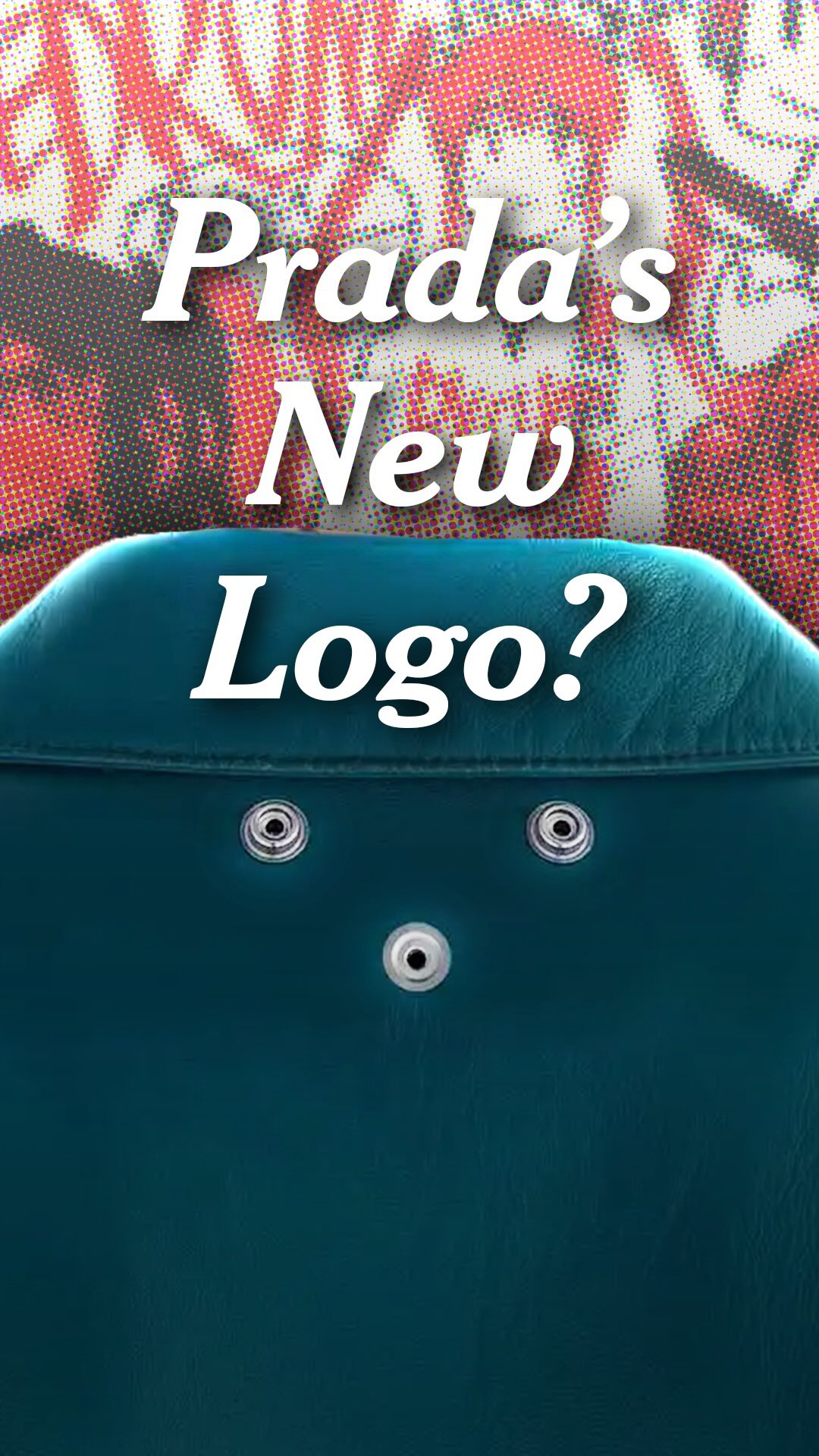 432.8KExplaining the trend of quiet luxury@alextwma · Breakdown
 1.6M119.3×Explaining the 'tastewashing' tech trend@var.aunevik · Breakdown
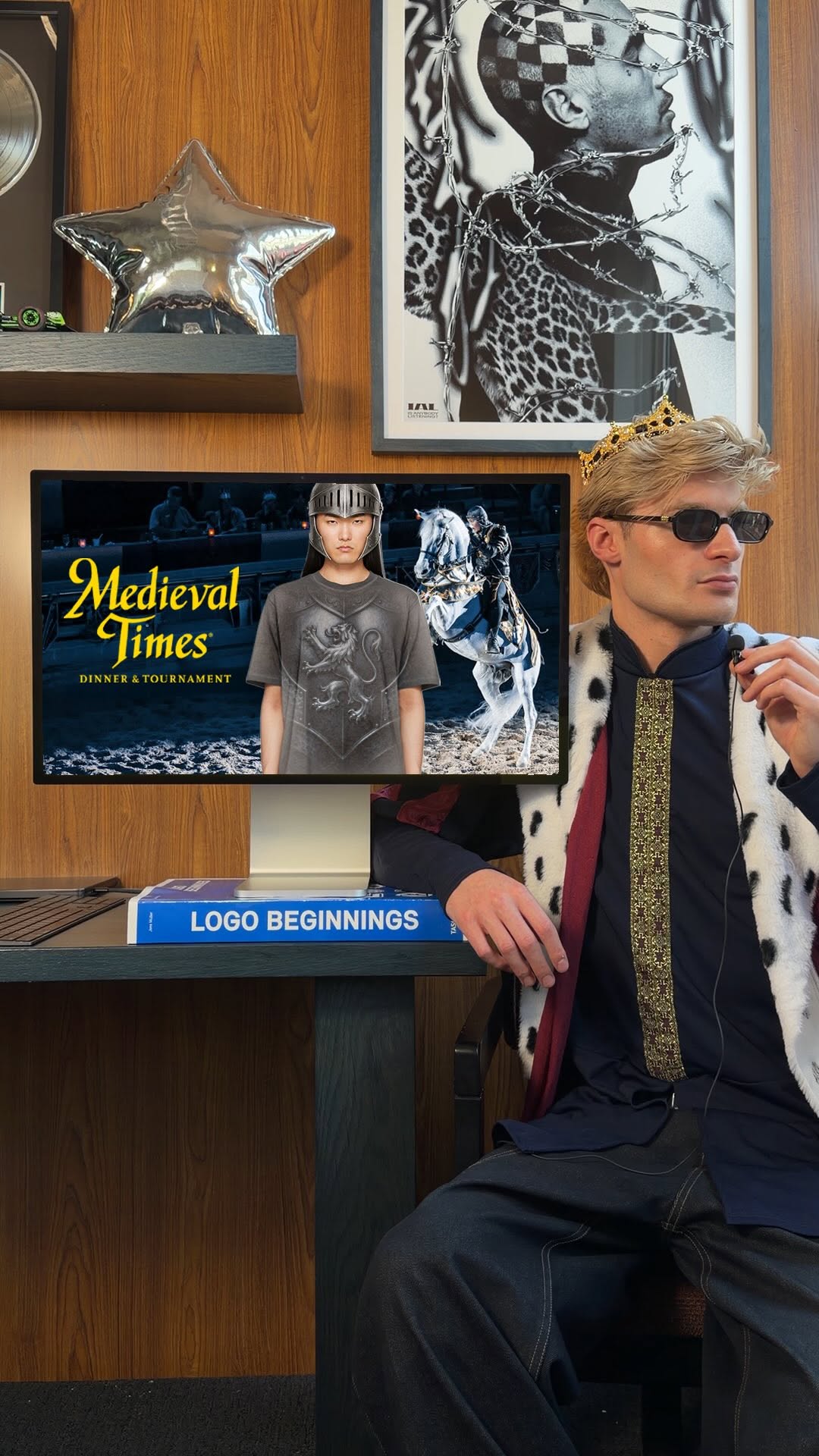 333.3K5.3×King presents satirical merch designs@spaceboycole · Hypothetical Case Study
 2.6M630.8×Explaining brand strategy with luxury product@lukas.mullen · Case Study Breakdown
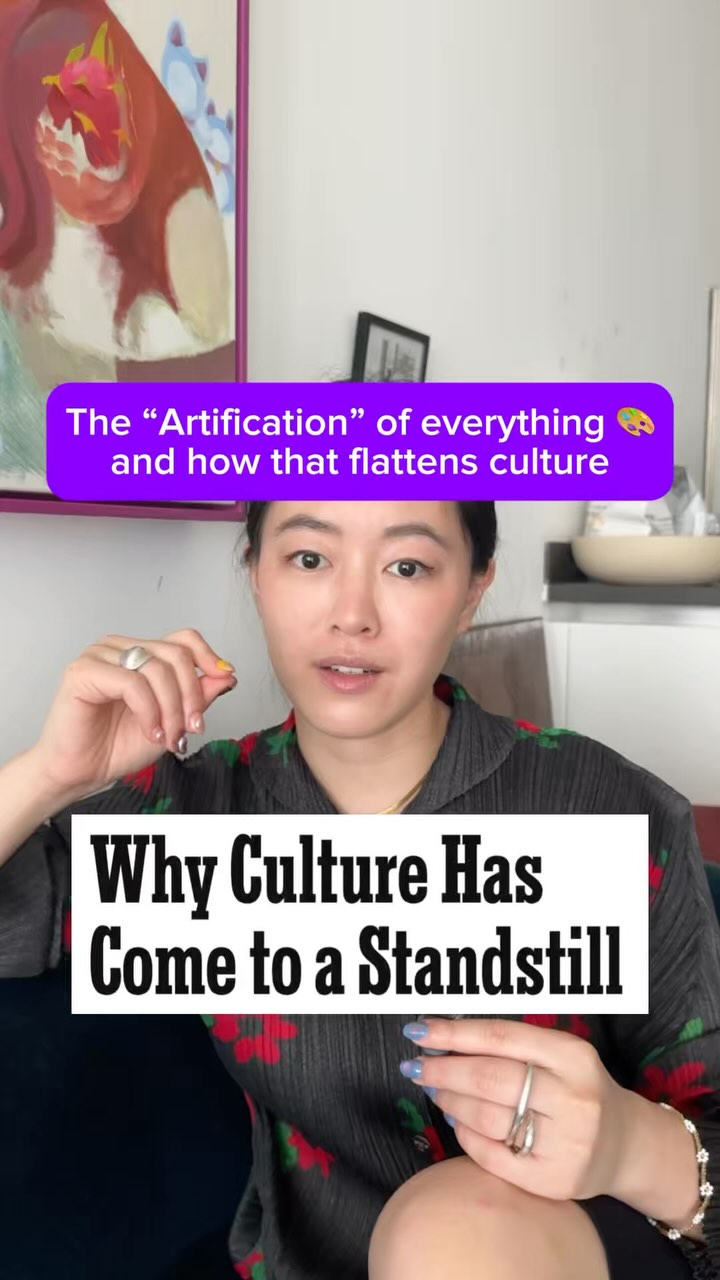 2.3M29.8×Explaining the flattening of culture@ghostinthesam · Breakdown
[04]
[05]
What stops the scroll in the first 3 seconds
Title hook · 50%
Hats are the new business card
Verbal hook · 45%
Hats are the new business card.
Visual hook · 5%
A medium close-up of the speaker addressing the camera directly while holding a small, fuzzy microphone, creating a sense of direct communication and authority.
[06]
Steal this for your own video
is the new .
[07]
The promise the opener makes, and how the video pays it back
Hook
A bold, counter-intuitive declaration that challenges a common assumption and creates an immediate curiosity gap (e.g., 'X is the new Y').
Payoff
A powerful re-statement of the original thesis, now imbued with the new context and logic. It provides a satisfying intellectual conclusion and reframes the concept as an advanced or 'neo' version of the original idea, often highlighting a paradigm shift.
[08]
The structural pattern this video runs on
Framework
The Counter-Intuitive Thesis
Presenting a seemingly absurd or counter-intuitive claim as a hook, then systematically proving its validity through a combination of a surprising real-world example, functional logic, and cultural analysis, making the viewer feel like an insider.
The Illustrative Anecdote
Grounds the abstract thesis in a concrete, surprising, and slightly absurd real-world scenario to make the claim tangible and intriguing. It subverts viewer expectations about a familiar situation.
The Functional Justification
Deconstructs the practical, logical reasons why the initial thesis is valid, often by comparing the subject favorably against established alternatives to prove its superiority.
The Cultural Justification
Elevates the argument beyond pure function by explaining the social dynamics at play, positioning the concept as a signal of insider status, exclusivity, or cultural capital.
Hats are sort off the new business card. Baseball caps with branded slogans or text have almost become a status symbol. And the great thing is that they are always visible, even on zoom calls.
title · beginning
Hats are the new business card
contextual · beginning
long ass line
title · end
Neo Business Card
Hats are the new business card. Picture this, you're spot a long ass life. But it's not for a sneaker drop or a hyped bakery cookie. It's an AI company handing out baseball caps that just say thinking. And it sounds kind of ridiculous until you think about it. Because right no, the cap is one of the most valuable pieces of merch a brand can make. It's always visible. A tier shirt gets covered and so does a tote bad, but a cap sits exactly where people are always looking, your face. So it becomes a kind of moving billboard best without feeling like one. And the good ones don't even look like merch anymore. They're minimal, a bit anonymous, and almost like you're in on something. A small piece of exclusivity, if you will. And that's why people want them. It's a kind of no business card, except instead of handing it out, you let people come to you.