Post caption
📍🟡 "We're looking at cutting discretionary expenditures. The second absolute last resort is cutting the salaries of civil servants, but we don't want to do that."
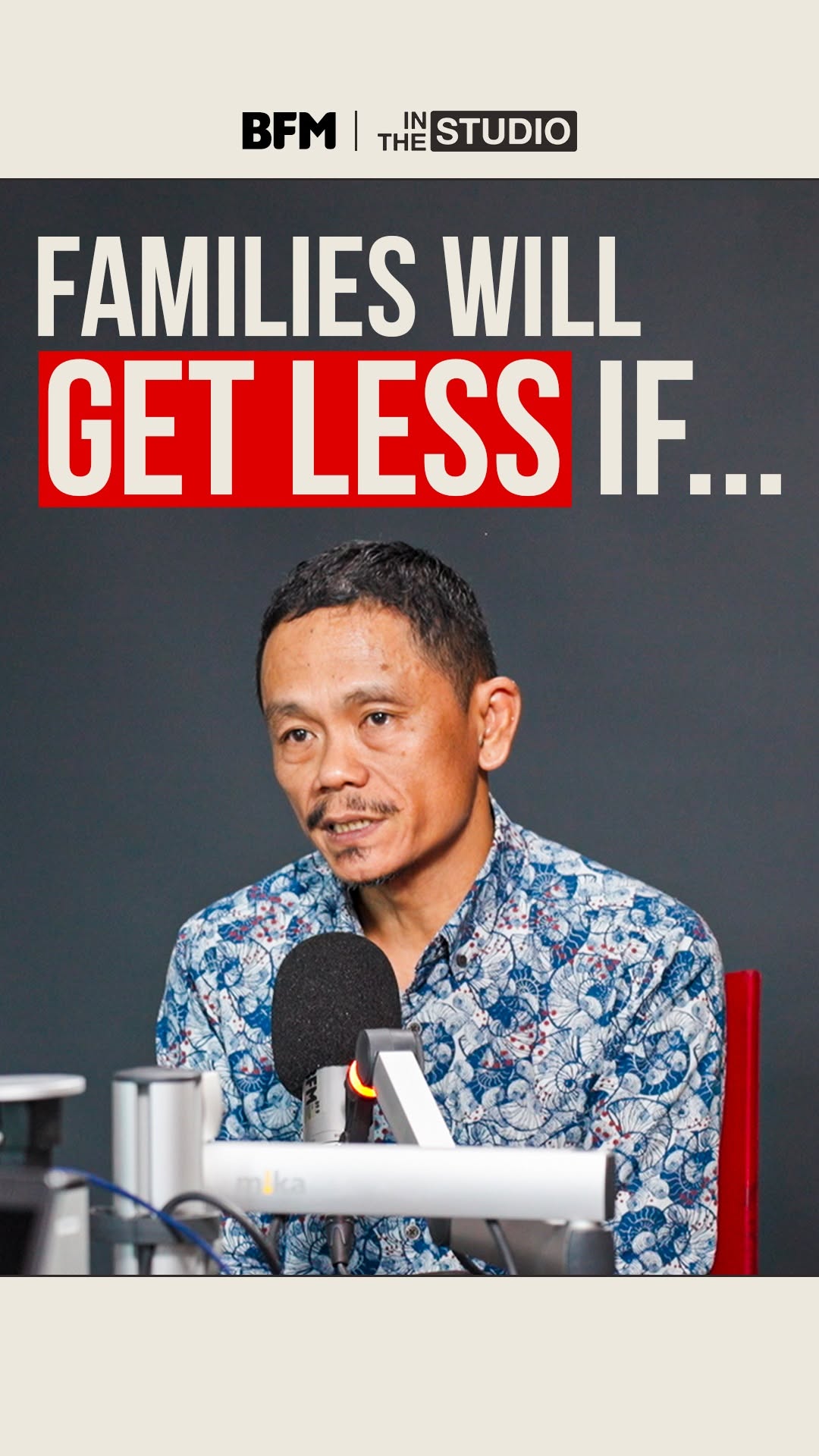
The Economic Advisor to the Prime Minister’s Office Nurhisham Hussein joins The Breakfast Grille to answer:
• Why the real impact of this crisis will hit us in June
• How supply shortages will impact every aspect of our lives beyond petrol prices
• What happens if we don’t start consuming less now
This interview was filmed on 11 May 2026.
Watch the full interview here on BFM's YouTube channel or via the link in our bio.
The Breakfast Grille is powered by U Business. @umobile, Malaysia’s No.1 5G Network. 5G makes business sense.
#BFMIntheStudio
Transcript
The more you consume, the less is available for yes neighbor. For example, plastics, because we were very concerned about plastic. We were looking at maybe sourcing from The United States. Ironically. Ironically. Because that's the complete irony of this particular crisis. The people who instigated it are the ones who are coming off the best because their supply is no touched. I hear that their export terminals are completely full. They can't even export more even if they wanted to. We have this very uncomfortable situation where we can get supply from alternative sources, but it might no get here in time, which is why I'm I'm thinking June, July is going to be the real point where we rank see this crisis being very evident because that that's at the point where a lot of businesses rank out of the old stock, I think, in terms of raw materials, and they're still waiting for the new one to come in. Let's talk about the the mindset better for businesses and for the general public going into this crisis, come the second wave, come the real shortages, come, the austerity that the government is going to have to impose on itself. What is it that you think Malaysians need to worst? Whether they're all business owners or in manufacturing or they're just ordinary households. This is a supply crisis, and it's very different from the crises that we've gone through before, which are always about demand. And in a supply side crisis, you can't spend your way out of it because you cannot buy something that's not there. Our strategy, I think as far as the government is concerned, the first part is actually securing basic supplies. I mean, that's that's mostly done. The second one is stretching the supplies that we already have. It's not so much austerity. I think it's more about consciously I think the consumption side has to be moderated because having more money doesn't matter if you can't get whatever supply. The government can only do so much in those areas because the government doesn't consume consumer good. But I think it falls to the right yes and businesses as a whole to be mindful about consumption because the more you consume, the less is available for your neighbor or for your business partner or for your friends or your family. We don't want to see panic buying. Are we seeing any hoarding and stuff? Is that is that starting to merge? Yes. Unfortunately, yes. We're We're starting to see some hoarding, especially at industrial level because obviously tier were impacted first. Right? They're the ones who are facing the shortages worst, and we are seeing hoarding of that. Unfortunately, there's no legal framework for the government to prevent that unless it's a controlled item. The danger point good be if the general public starts doing that as well. We need to go back to that spirit of COVID, Ita Jaga Gita. I'm very mindful about saying that because it's, you know, coming from the government. Right? But really this is about us taking care of ourselves.