Viral Hooks
Trending short videosExposing a food brand's practices
Z

@zephzoid

Instagram · Talking Head Edit

@zephzoid This is an open letter to the entire Executive Board of Driscoll’s demanding change for our food, communities, and health. Driscoll’s supplies 1/3 of America’s Berries. Primarily grown in one California region…where kids also have nearly 40% higher cancer rates. It’s all happening in the Watsonville area of Santa Cruz County. 98.5% of the pesticides linked to childhood leukemia used in the county were applied in the Watsonville area. 95.2% linked to childhood brain cancer were also used in Watsonville. Residents have a simple ask: stop spraying near school grounds. Crickets… And if this is happening to the children residents, imagine the actual workers spraying the pesticides. A drift event near Watsonville sickened 15 agricultural workers, several hospitalized. All Driscoll’s got? A $56,000 fine. Organic Insider also documented a farmworker speaking publicly on camera about her stomach cancer just last year, which she believes was caused by pesticide exposure in the Watsonville area. Still no lawsuits, no jail time. The damage is becoming undeniable and the solution is simple: stop using synthetic pesticides and practice regenerative. While we await change from a massive corporation that will likely never come, you can support Localize farmers and buy seasonal berries near you.

View original on Instagram

The edit1 shot · 2 text
Shots Text1:25

Performance

Views
133.6K
Likes
7.3K
Comments
320
Engagement
5.7%
Outlier
6.9×
Length · 13 May 2026
1:25

Video #28947 · Talking Head Edit

Exposing a food brand's practicesfrom @zephzoid

[01]

Overview

The creator presents an "open letter" to the Driscoll's executive board, exposing the company's alleged harmful practices. He uses statistics to link their heavy pesticide use in Watsonville, CA, to elevated cancer rates in local children, shows footage of community protests, and details incidents of farmworkers being hospitalized from pesticide exposure, concluding with a call to boycott Driscoll's and support local farmers instead.

[02]

Simple outline

  1. 1Target a powerful entity.
  2. 2Present a shocking correlation.
  3. 3Escalate with data and anecdotes.
  4. 4Provide a consumer-driven solution.

[03]

Related videos

[04]

Classification

Concepts
Breakdown
Elements
B-Roll CutawayPicture-in-PictureText OverlayImage Overlay

[05]

Hook analysis

What stops the scroll in the first 3 seconds

Title hook · 35%

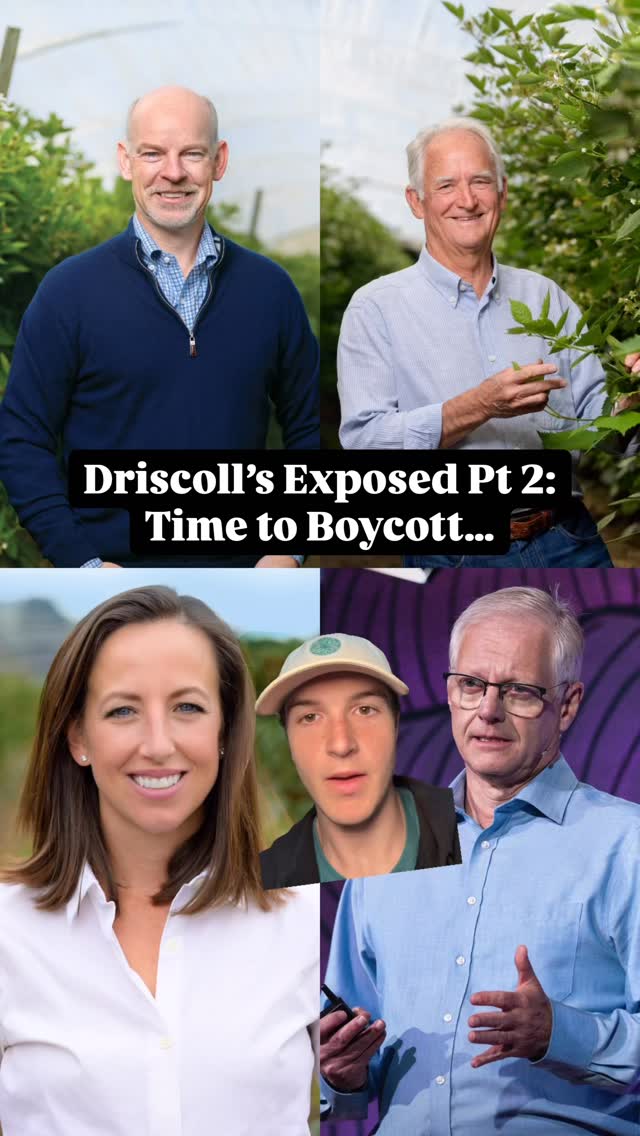
Driscoll's Exposed Pt 2: Time to Boycott... This is an open-letter

Verbal hook · 40%

This is an open letter to the entire executive board of Driscoll's demanding change for our food, communities, and health.

Visual hook · 25%

A collage of five professional portraits, presumably of the Driscoll's executive board, creating a direct and confrontational opening.

[07]

Hook and payoff

The promise the opener makes, and how the video pays it back

Hook

The video opens with a formal declaration of purpose, framing the content as a direct challenge or 'open letter' to a specific, powerful entity, immediately establishing high stakes and an adversarial tone.

Payoff

The video concludes with a two-part call to action. First, it empowers the viewer by offering a simple, immediate, and constructive alternative they can personally adopt (e.g., supporting a competitor, changing a habit). Second, it restates the simple, moral solution the target entity should adopt, leaving the viewer with a clear sense of right and wrong.

[08]

Narrative framework

The structural pattern this video runs on

Framework

The Public Indictment Framework

To build a compelling, evidence-based case against a powerful entity by systematically escalating from broad correlation to specific data and human stories, culminating in a call for a consumer-led boycott or alternative action.

  1. 1

    The Scale of Influence

    Establishes the target's dominance and the widespread impact of their operations, often using a surprising statistic to define the scope of the problem.

  2. 2

    The Disturbing Correlation

    Introduces the core accusation by linking the target's activities to a serious, emotionally charged negative outcome (e.g., health crises, environmental damage) in a specific, localized area.

  3. 3

    The Statistical Indictment

    Substantiates the initial correlation with hard numbers and specific data points, lending an air of journalistic authority and making the accusation feel less like a claim and more like a proven fact.

  4. 4

    The Plea and the Silence

    Humanizes the victims by outlining their reasonable requests for change and contrasts this with the target entity's perceived indifference or inaction, painting them as callous.

  5. 5

    The Widening Circle of Harm

    Expands the scope of victims beyond the initial group to show that the negative impact is even more widespread, often by pivoting from a passive group (e.g., residents) to an active one (e.g., workers).

  6. 6

    The Tangible Consequence

    Presents a specific, documented incident of harm, complete with the inadequate punishment or fine received by the entity. This makes the danger concrete and fuels outrage over the lack of accountability.

  7. 7

    The Personal Testimony

    Moves from statistics to a single, powerful anecdote from an individual victim. This adds an emotional, human face to the problem, making it more relatable and tragic.

  8. 8

    The Verdict of Inaction

    Summarizes the systemic failure of accountability (e.g., 'no lawsuits, no change'), reinforcing the narrative that conventional systems have failed and justifying the need for public intervention.

Themes

  • corporate responsibility
  • public health
  • environmental justice
  • consumer activism

Techniques

  • investigative journalism
  • b-roll montage
  • data presentation

Trends

  • brand exposé
  • call-out culture

Post caption

This is an open letter to the entire Executive Board of Driscoll’s demanding change for our food, communities, and health. Driscoll’s supplies 1/3 of America’s Berries. Primarily grown in one California region…where kids also have nearly 40% higher cancer rates. It’s all happening in the Watsonville area of Santa Cruz County. 98.5% of the pesticides linked to childhood leukemia used in the county were applied in the Watsonville area. 95.2% linked to childhood brain cancer were also used in Watsonville. Residents have a simple ask: stop spraying near school grounds. Crickets… And if this is happening to the children residents, imagine the actual workers spraying the pesticides. A drift event near Watsonville sickened 15 agricultural workers, several hospitalized. All Driscoll’s got? A $56,000 fine. Organic Insider also documented a farmworker speaking publicly on camera about her stomach cancer just last year, which she believes was caused by pesticide exposure in the Watsonville area. Still no lawsuits, no jail time. The damage is becoming undeniable and the solution is simple: stop using synthetic pesticides and practice regenerative. While we await change from a massive corporation that will likely never come, you can support Localize farmers and buy seasonal berries near you.
Text overlays

  • title · throughout

    Driscoll's Exposed Pt 2: Time to Boycott...

  • contextual · beginning

    This is an open-letter

Transcript

This is an open letter to the entire executive board of Driscoll's demanding change for our food, communities, and health. Driscoll supplies a shocking one third of America's berries, and it's primarily grown in one California region, where children also happen to have nearly forty percent higher cancer rates than the rest of California. It's all happening in the Watsonville area of Santa Cruz County, and some of the stats on this pesticide usage will shock you. 98.5% of the pesticides linked to childhood leukemia used in the county were applied just in this Watsonville area, and 95.2% linked to childhood brain cancer were also used in Watsonville. Residents have a simple rank, stop spraying near school grounds, and all they've heard is crickets. Not to mention, if this is happening to the children residents, imagine the workers that are actually spraying the pesticides on the field. You don't even have to imagine, though, as there's been drift events near the Watsonville area that sicken fifteen agriculture workers, several of them being hospitalized, and all Driscoll's got was a $56,000 fine. And just last year, a farm worse came out speaking publicly about her stomach cancer, which she believes was caused by pesticide exposure in the Watsonville area. Still no lawsuits, no jail time, and no change. While we await change from a massive corporation that will likely never come, you can support farmers on localized and buy seasonal berries near you. But I hope Driscoll listens because the solution is simple. Stop using so many synthetic pesticides and practice regenerative.