@theironsnail
Instagram · Talking Head Edit
@theironsnail I bought all of my hiking friends fishnets for Christmas and needed to make this video to explain why

@theironsnail
Instagram · Talking Head Edit
@theironsnail I bought all of my hiking friends fishnets for Christmas and needed to make this video to explain why
Performance
Video #29153 · Talking Head Edit
[01]
The creator investigates the surprising historical and scientific reasons why Norwegians wear fishnet base layers. He demonstrates the clothing, uses archival photos and vintage ads to explain its history, and conducts simple experiments to show how the mesh traps air for insulation and wicks moisture away from the body to regulate temperature.
[02]
[03]
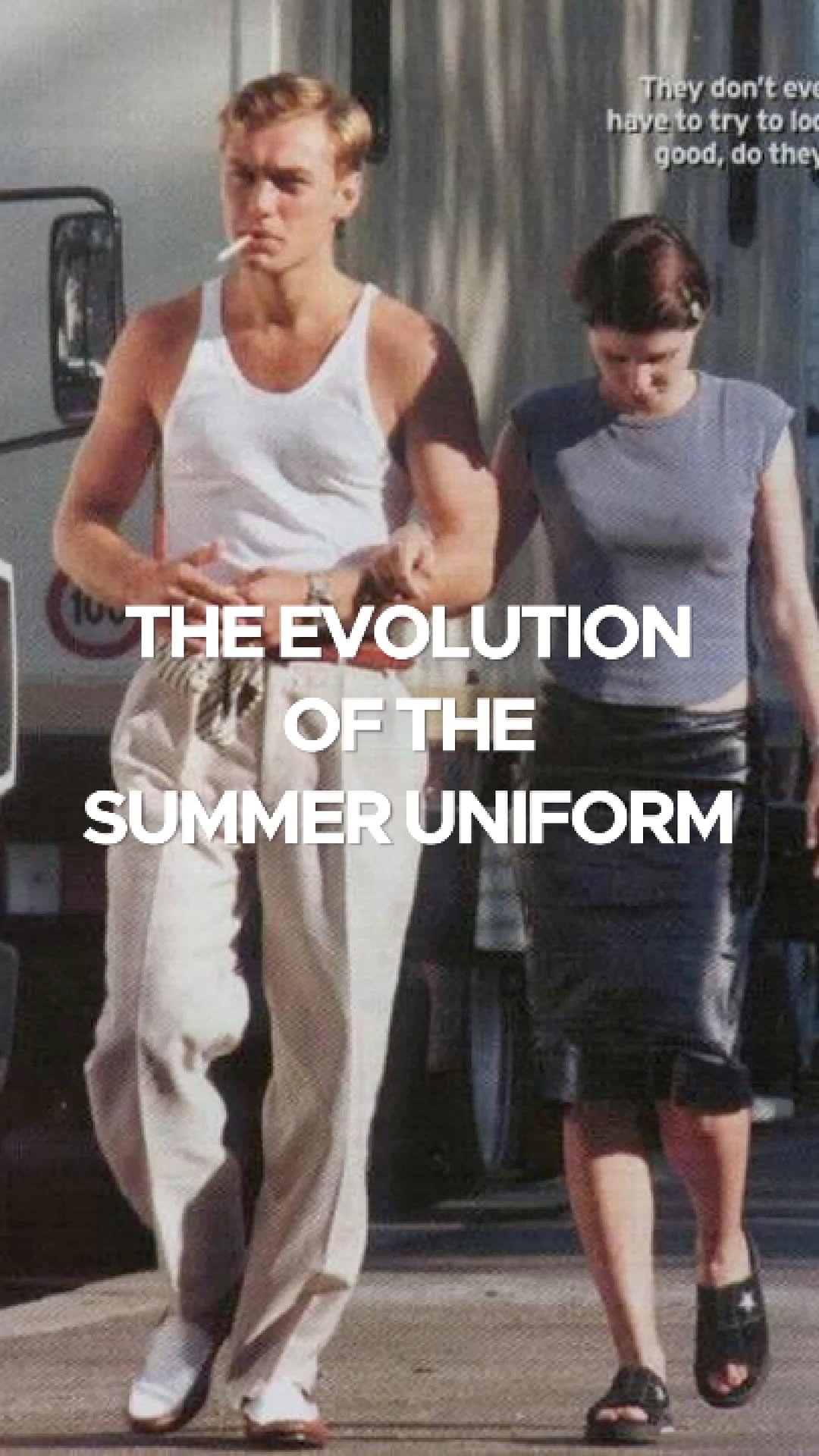 123.9K10.8×Historical breakdown of summer fabrics@gents.studios · Breakdown
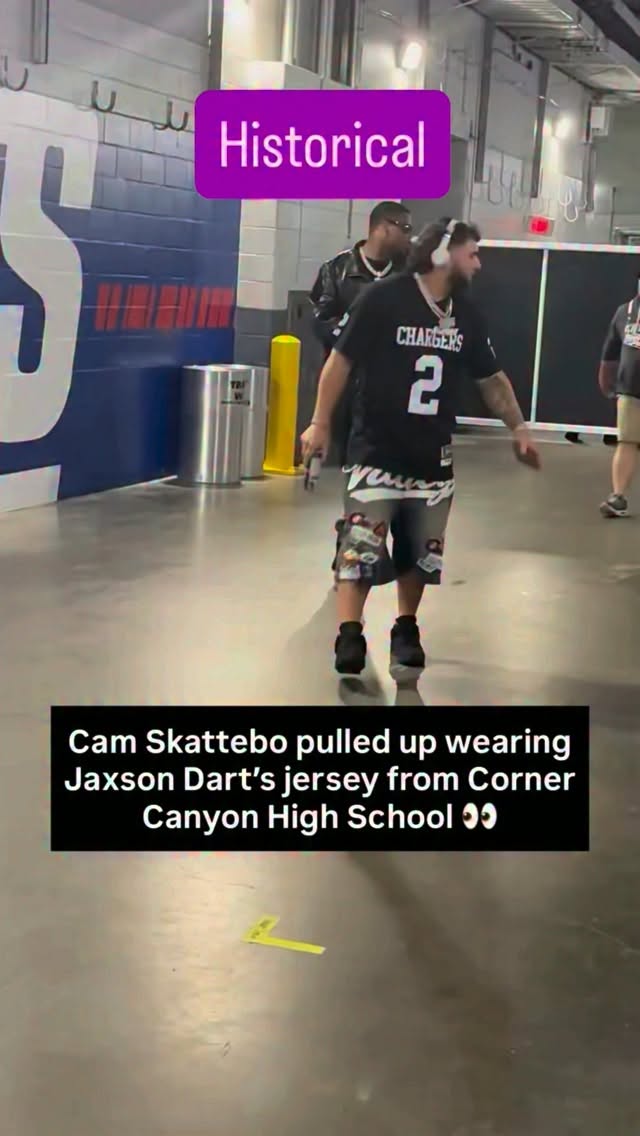 1.1M222.3×Creator satirically analyzes football player's outfit@alfonsofrfr · Breakdown
 310.9KExplaining a trend's historical context@theironsnail · Breakdown
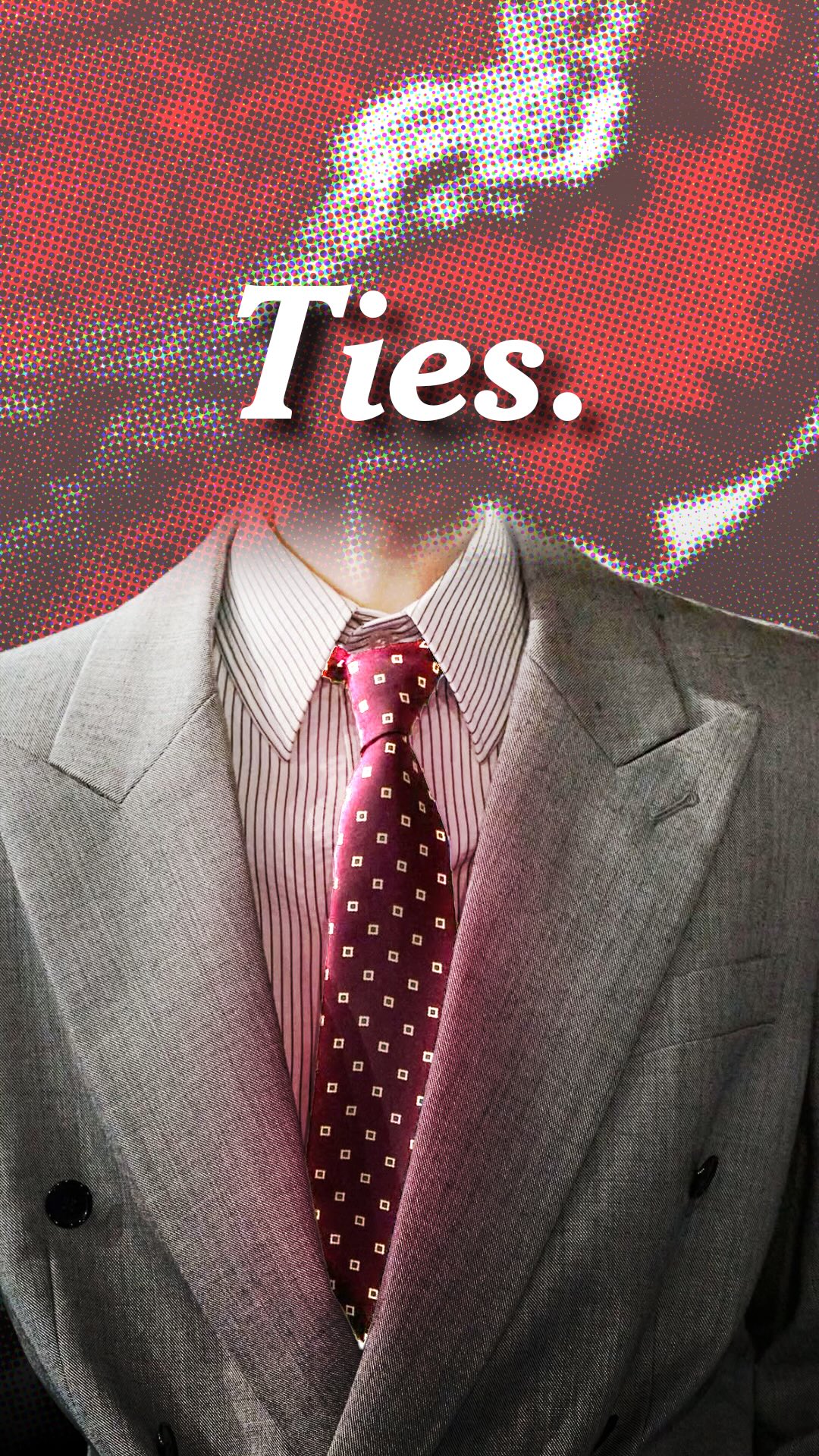 1.5M13.9×Explaining the history of neckties@alextwma · What Is X?
 218.7K2.5×Explaining a fashion trend's history@thealgorythm · Breakdown
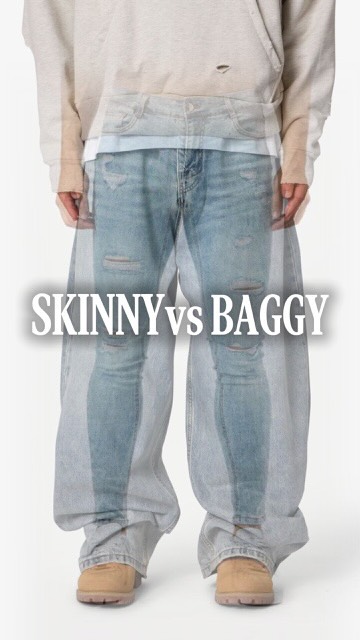 272.3K48.1×Explaining the skinny vs baggy cycle@peter_reitano · Evolution Showcase
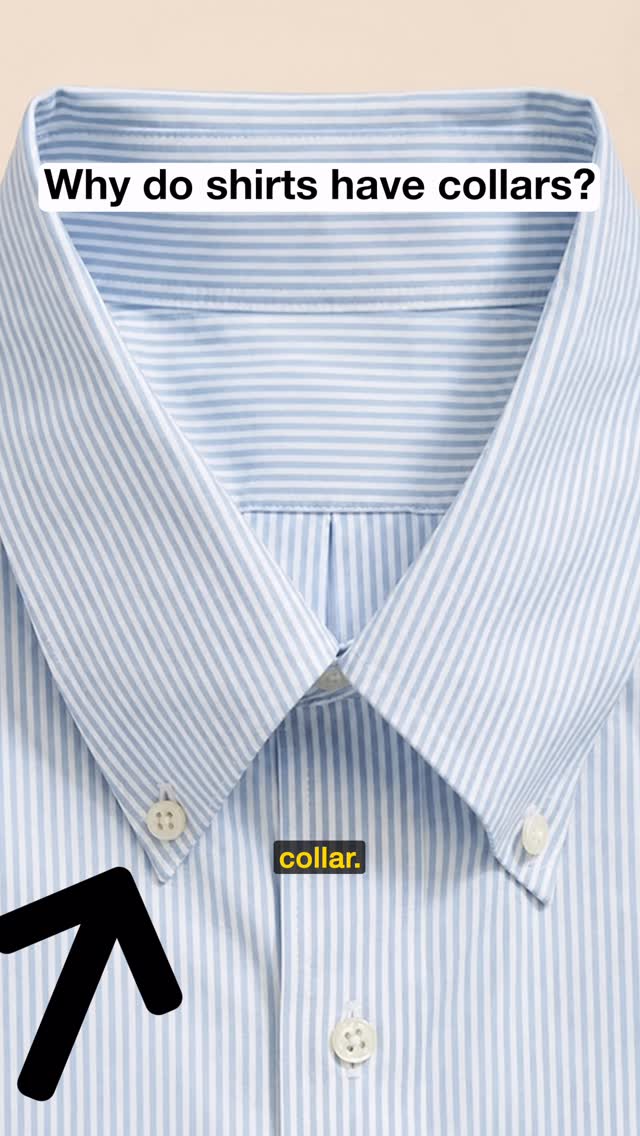 1.1M55.7×Explaining the origin of collars@fineasjackson · Origin Story
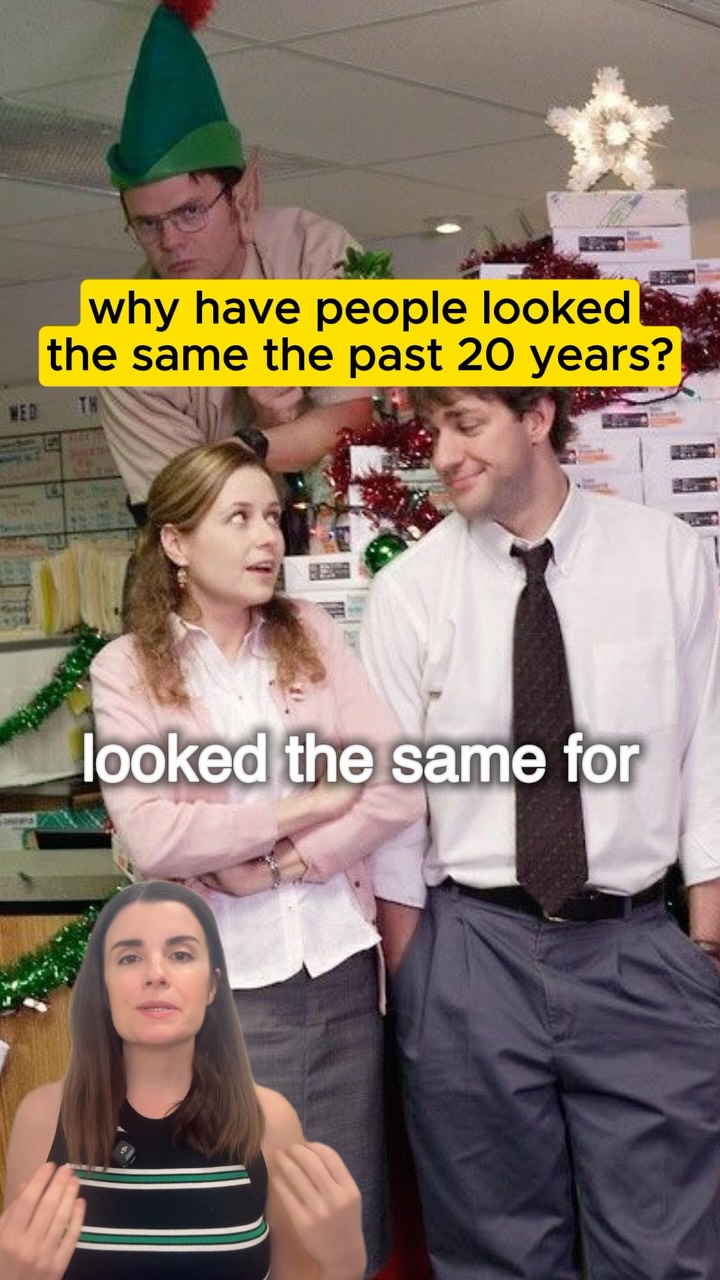 119.9K61.7×Creator explains why fashion stopped@alexgreifeld · Breakdown
 150.1K1.3×Explaining military origins of fashion@henrythekidd_ · Origin Story
 223.9K8×Trend analysis with brand examples@clayton.chambrs · Breakdown
 1.2M211.7×Explaining the cultural history of menswear@gsnwilliams · Breakdown
 339.7K3.5×Explaining a vision for fashion's future@thealgorythm · Breakdown
[04]
[05]
What stops the scroll in the first 3 seconds
Title hook · 45%
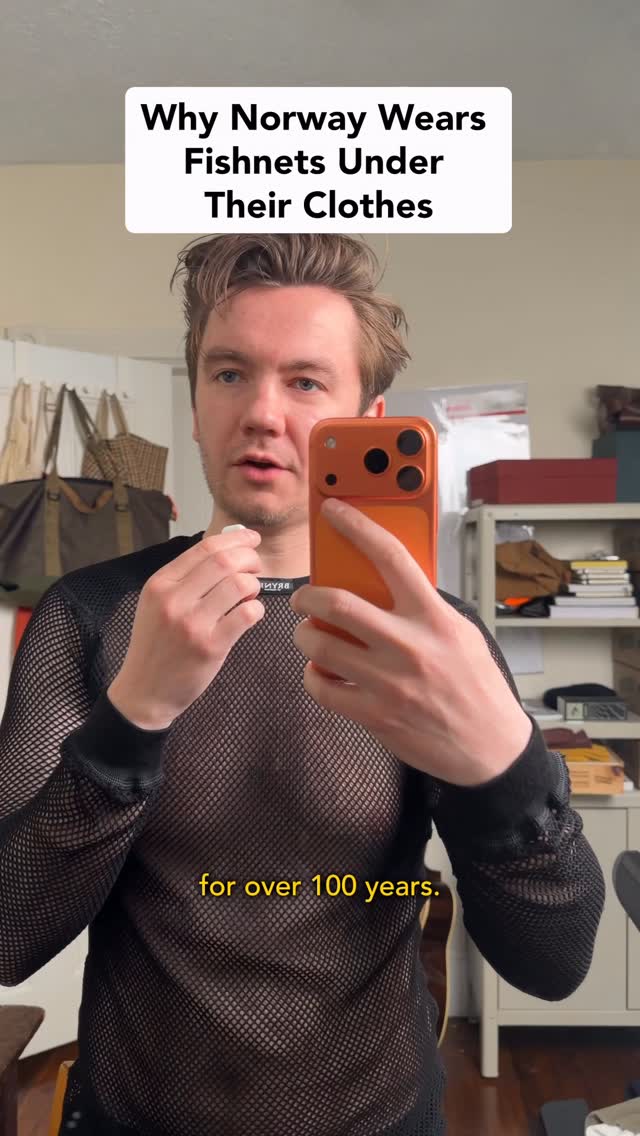
Why Norway Wears Fishnets Under Their Clothes
Verbal hook · 35%
Apparently, Norwegians wear fishnets under their clothes and have been for over a hundred years.
Visual hook · 20%
A man stands in front of a mirror wearing a full-body black fishnet suit, an unusual and attention-grabbing sight that creates immediate curiosity.
[06]
Steal this for your own video
Why — and have been for
[07]
The promise the opener makes, and how the video pays it back
Hook
Present a visually and conceptually strange or counter-intuitive premise that immediately generates a 'Why?' question in the viewer's mind.
Payoff
Deliver a concrete, data-backed piece of evidence that solidifies the entire explanation and leaves the viewer with a powerful, memorable takeaway.
[08]
The structural pattern this video runs on
Framework
The Counter-Intuitive Explainer
To take a seemingly bizarre or illogical practice, product, or concept and systematically deconstruct it to reveal a surprisingly logical and effective underlying principle, building credibility through layered evidence.
The Absurd Hook
State the bizarre premise and the creator's quest to understand it, framing the video's central mystery.
The Legitimacy Proof
Immediately validate the strange premise with a high-status or extreme example to prove its real-world effectiveness and shift the tone from novelty to serious inquiry.
The Semantic Reframe
Correct a common misconception or provide historical context about the topic, establishing the creator's expertise and offering 'insider knowledge'.
The Core Mechanism Reveal
Unveil the single, simple scientific or logical principle that underpins the entire concept, providing the first major 'aha' moment.
The First Use Case Demonstration
Explain how the core principle functions in one specific context or state (e.g., the 'uncovered' or 'off' state).
The Second Use Case Demonstration
Explain the counter-intuitive second function of the principle in the opposite context, revealing the concept's versatility.
The Bonus Benefit Reveal
Introduce a secondary, related benefit that adds more value and reinforces the concept's overall utility.
The Relatable Outcome
Translate the technical benefits into a simple, desirable human experience (e.g., comfort, efficiency, safety).
The Principle Recap
Briefly restate and reinforce the core mechanism to ensure clarity and prime the viewer for the final proof.
The Quantified Payoff
Conclude with a hard, memorable statistic or a quantifiable claim that provides a definitive and satisfying resolution to the initial question.
I bought all of my hiking friends fishnets for Christmas and needed to make this video to explain why
title · beginning
Why Norway Wears Fishnets Under Their Clothes
title · beginning
2 More Reasons to Wear Fishnets
contextual · middle
Sir Edmund Hillary and Tenzing Norgay
contextual · middle
"Don't call them fishnets."
contextual · middle
"Health Vests" or "String Vests."
informational · middle
(this area is protected so the mesh doesn't dig in when wearing a backpack)
informational · middle
The mesh creates pockets of air between me and my mid-layer
Apparently, Norwegians wear fishnets under their clothes and have been for over a hundred years. So I wanted to figure out why are they doing that. In all seriousness though, fishnets are incredibly useful when worn under clothes. Just rank the first ever people that summoned Mount Everest. Decades ago though, they were incredibly popular. There's a ton of ads about them, just jolly folks wearing them, but they weren't called fishnets. Even though originally they were made out of fishnets, they were called health vests or string vests. The reason that everybody was such a big fan of string vests or health vests was because of an invisible layer of air trapped right here. When the mesh is uncovered, obviously, that area of air is moving about, nothing is staying still. It's basically like you're shirtless, which is really helpful if you're doing a big expedition and need to vent heat really fast. But when you put a layer over that mesh and cover up the holes, the mesh essentially is pushing that layer out just a tiny bit. It's not connecting with your skin. And since it's a mesh, as it's doing that, moisture, water vapor, and everything can pass through the holes easily and get stuck on this layer instead of that layer, keeping the moisture off of your body. That really helps regulate your overall body temperature and make you feel a lot more comfortable when you don't have wet, clammy clothes sticking to you at all times. And in a similar vein, that invisible pocket of air that I was talking about before gets trapped by the outer layer, which makes this really, really insulating in hot or cold environments. And according to Better, who did not sponsor this video, it makes their base layers four to six times warmer than one that wasn't mesh.