@alextwma
Instagram · Talking Head Edit
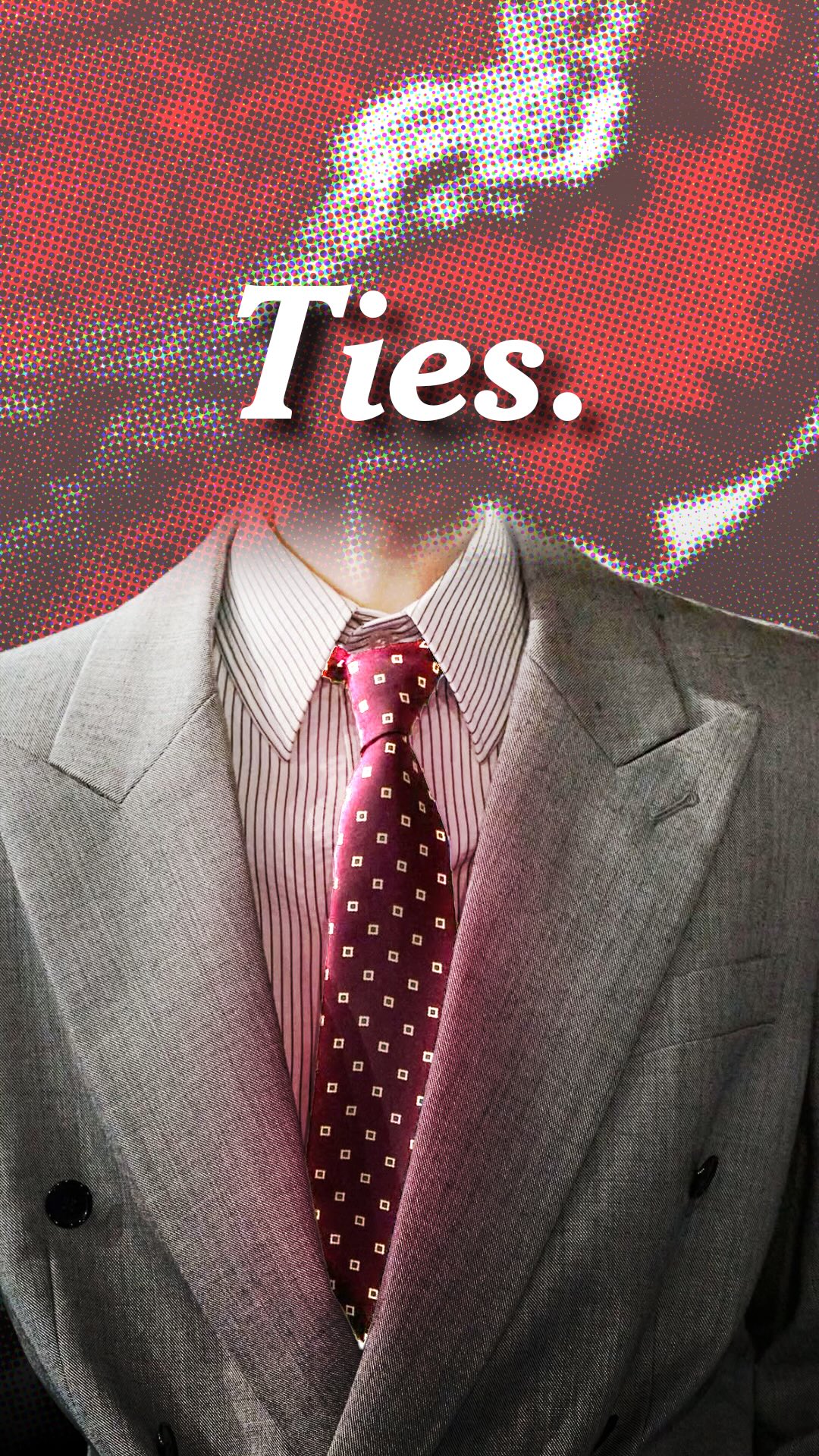
@alextwma Why do we still wear ties?

@alextwma
Instagram · Talking Head Edit
@alextwma Why do we still wear ties?
Performance
Video #46374 · Talking Head Edit
[01]
The creator explains the seemingly pointless nature of neckties by posing a question about their purpose, then tracing their historical origin from 17th-century Croatian mercenaries where they served as functional sweat absorbers. He follows their evolution through different eras, noting how the tie lost its original function but gained a new one as a powerful, non-verbal signal of formality, effort, and social awareness.
[02]
[03]
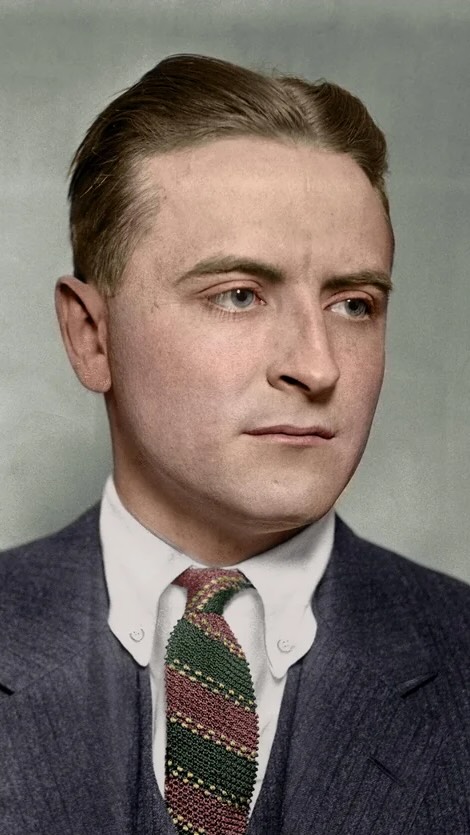 177.8K5.3×Explaining the history of ties@brockvignery · Origin Story
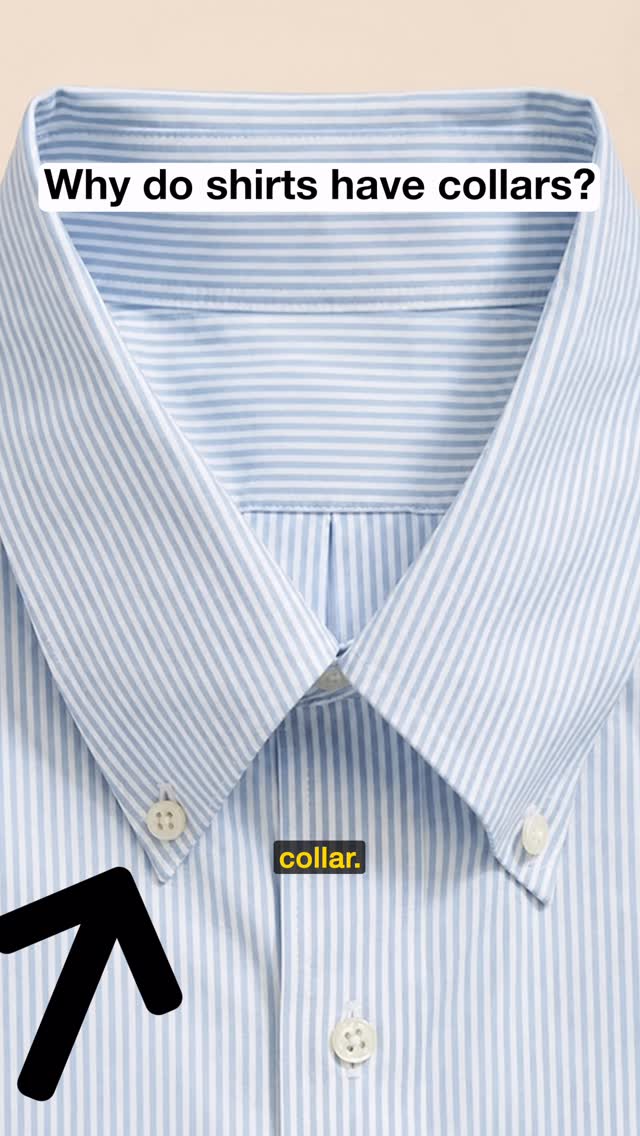 1.1M55.7×Explaining the origin of collars@fineasjackson · Origin Story
 599.1KExplaining workwear's historical fashion origin.@frontoffice.co · Breakdown
 2.4M7.8×Explaining the history of collars@alextwma · What Is X?
 2.6M143.6×Explaining suit button fashion history@fineasjackson · Strange but True
 1.1M79.5×Historical breakdown of trench coats@fineasjackson · Breakdown
 150.1K1.3×Explaining military origins of fashion@henrythekidd_ · Origin Story
 1.1M57.9×Question hook then historical explanation@fineasjackson · Origin Story
 331K26.1×Explains fashion problem, presents solution@2ndcoat_ · Breakdown
 552.7K20.6×Explaining an obscure aesthetic's origin@fakeplasticbrands · Breakdown
 115.5K2.5×Explaining the history of a style@ella.bellaaa___ · Breakdown
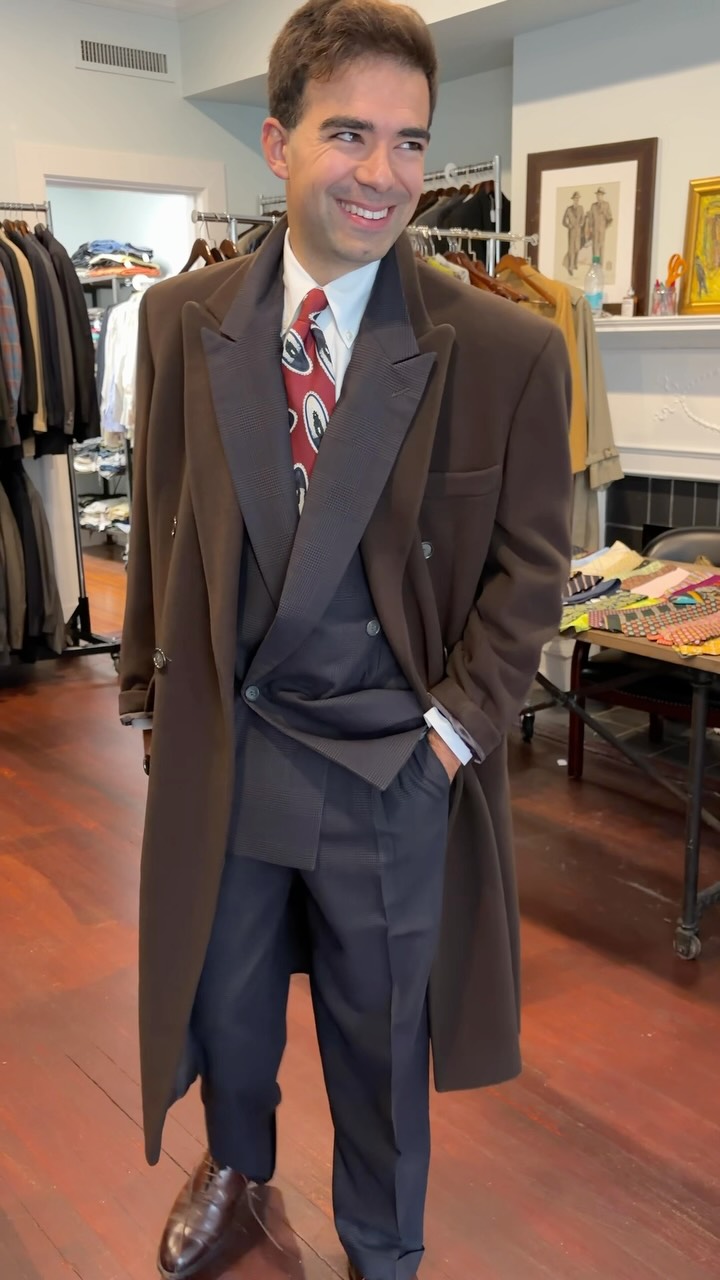 145.3K71.3×Stylist gives rule-breaking suit advice@parvs.dc · Tutorial / How To
[04]
[05]
What stops the scroll in the first 3 seconds
Title hook
TIE
Verbal hook
So a tie is insanely pointless.
Visual hook
An extreme close-up of a man wearing a tie completely covered in a dense pattern of colorful buttons of various sizes, creating a strong pattern interruption.
[07]
The promise the opener makes, and how the video pays it back
Hook
State a provocative, counter-intuitive thesis that a common item is 'pointless' or 'strange,' immediately followed by a 'why' question to create a strong curiosity gap.
Payoff
Deliver a concise, philosophical summary that resolves the initial paradox by concluding that the item's modern 'pointlessness' is, in fact, its new and current purpose. This closes the narrative loop opened by the hook.
[08]
The structural pattern this video runs on
Framework
The Historical Deconstruction
To take a common, seemingly pointless modern object or custom, and reveal its forgotten practical origins to explain its current symbolic meaning.
The Enigmatic Reframe
Provide an immediate, paradoxical answer to the initial question (e.g., 'its point is that it has no point'), which serves as a secondary hook to deepen the mystery and retain the viewer.
The Historical Anchor
Transport the viewer to a specific point in history to establish the item's origin story, grounding the narrative in a concrete time and place.
The Lost Utility
Deliver the first major 'aha' moment by revealing the item's original, surprising, and practical function that has since been forgotten.
The Practical Legacy
Trace the evolution of that original function into a more refined, but still practical, form, explicitly connecting a historical practice to a recognizable modern element.
The Functional Extinction
Identify the narrative's turning point, where the item definitively loses its practical purpose and begins its transition into a purely symbolic object.
The Semiotic Shift
Define the item's new, modern meaning. This beat explains what the item now *signals* about the user (e.g., status, effort, social awareness) in the absence of its original function.
Why do we still wear ties?
title · beginning
TIE
informational · middle
“La Cravate”
informational · middle
Cravate “La Croat”
So a tie is insanely pointless. It's really strange because it does nothing for you. It doesn't keep you warm or provide any utility, it just sits there. I mean, why do we still put them on? Well, because doing nothing is its whole point. Sort of. You see, tier started in the 1600s with Croatian mercenaries that fought for the French. The Croats wore knotted cloths around their neck with coarse fabric for regular soldiers and fine silk for officers. Even then, the cloth around your neck signaled who you were. The French loved this necktie and named the cloth after tier, la cravat, as a corruption of the word Croat. But here's the thing, before it meant anything, it actually did something. That original cloth was a sweat absorber for the men fighting in it. And centuries better, the Thai's most practical descendant wasn't worn by aristocrats at all. It was coachmen slipknotting their cravats so they wouldn't blow around in the wind while driving a team of worse. That simple, functional knot is the same one most use today, the four in hand tier. Better at this point, the tie had already lost its original function. Over the decades, we saw cyclical variations in tie width from ultra wide to incredibly slim bad and forth. These changes were no longer about utility, but about style. What's left of the tie today is the only part that was never about function to begin with. It's just the part that tells people something about you. A tie serves as a universal signal of formality and effort. It means you had the time this morning to do something stylish yet fundamentally unnecessary. Perhaps that you weren't doing physical work today, and that you know the social rules well enough to follow them. Even though we're seeing a tie regression today with casual dress codes on the rise, the tie is still inseparable from its formal habitat. It does nothing, but that same nothing still says something about you. And if it wasn't for that, it probably would good disappeared a long, long time ago.