@fineasjackson
Instagram · Talking Head Edit
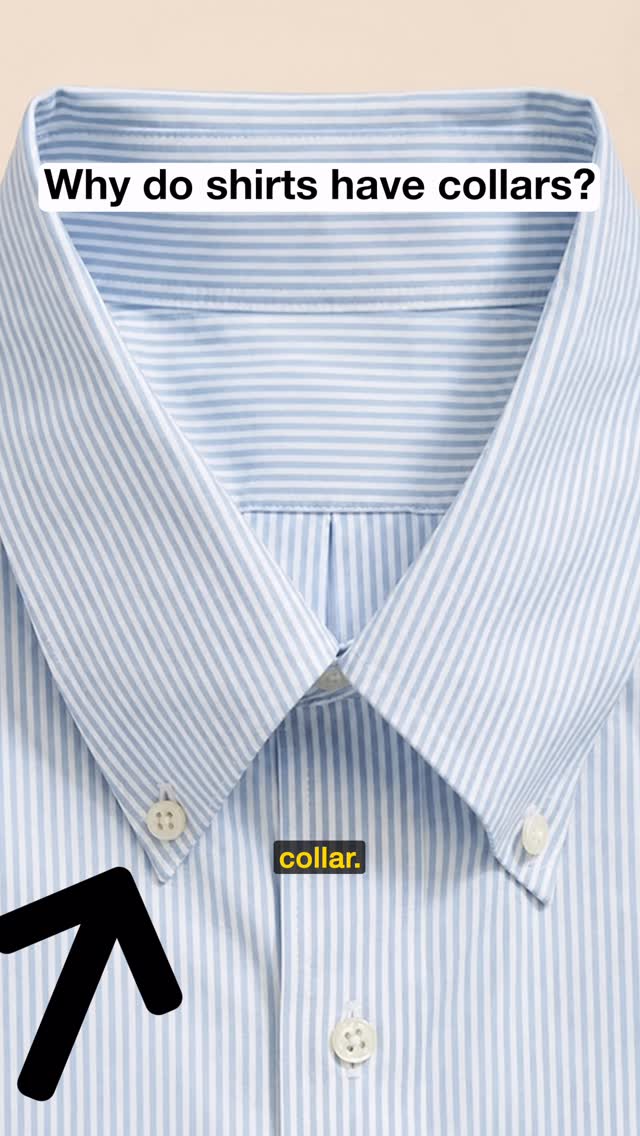
@fineasjackson They look like decoration, but there’s a reason…behind the collar on your shirt

@fineasjackson
Instagram · Talking Head Edit
@fineasjackson They look like decoration, but there’s a reason…behind the collar on your shirt
Performance
Video #36489 · Talking Head Edit
[01]
The creator poses a question about the seemingly non-functional purpose of a modern shirt collar. He then delves into its history, explaining that shirts were originally collarless undergarments. The narrative traces the collar's invention by priests for practical protection against scratchy tunics, and its subsequent adoption and extravagant evolution by European nobility as a prominent status symbol.
[02]
[03]
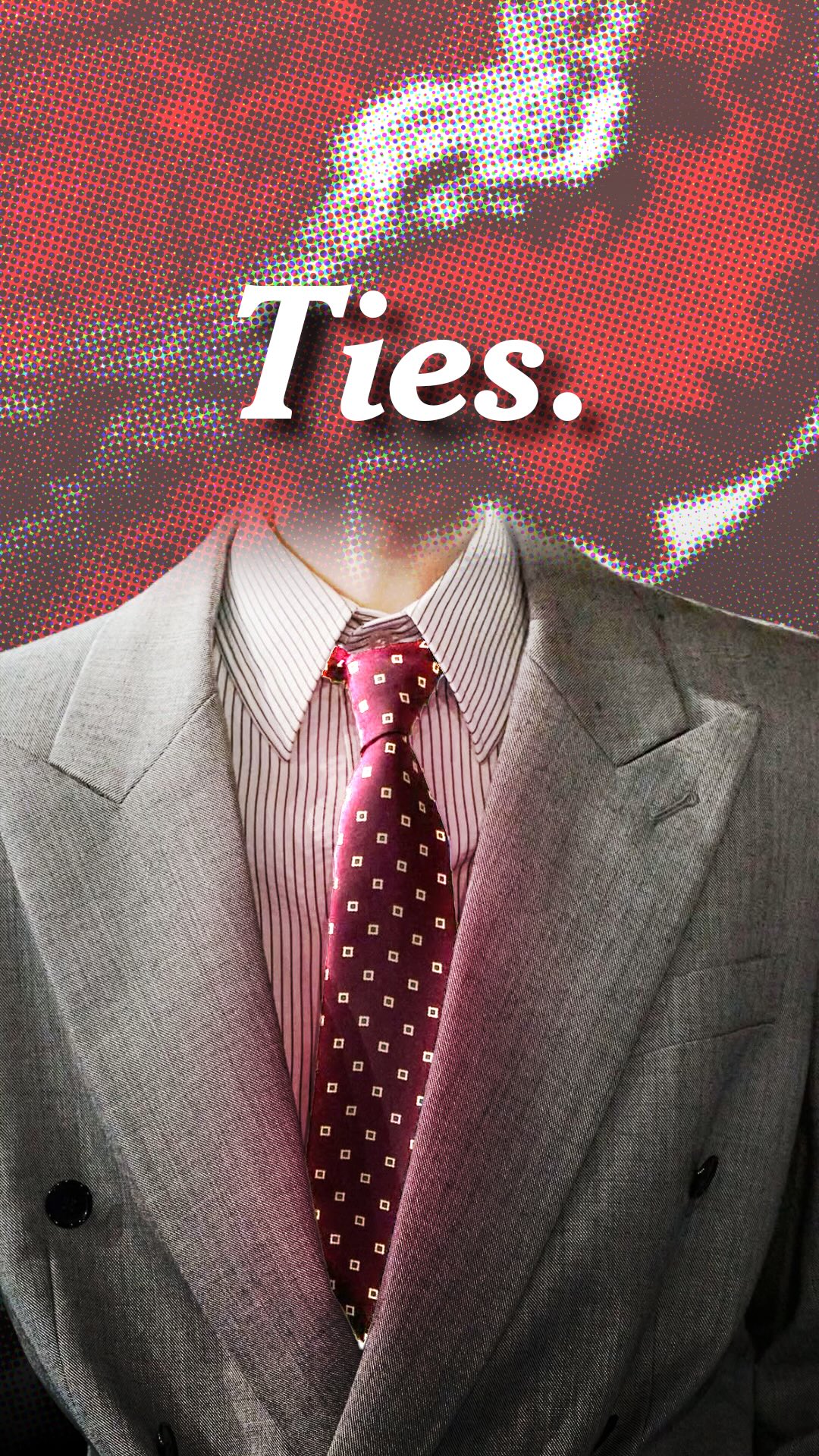 1.5M13.9×Explaining the history of neckties@alextwma · What Is X?
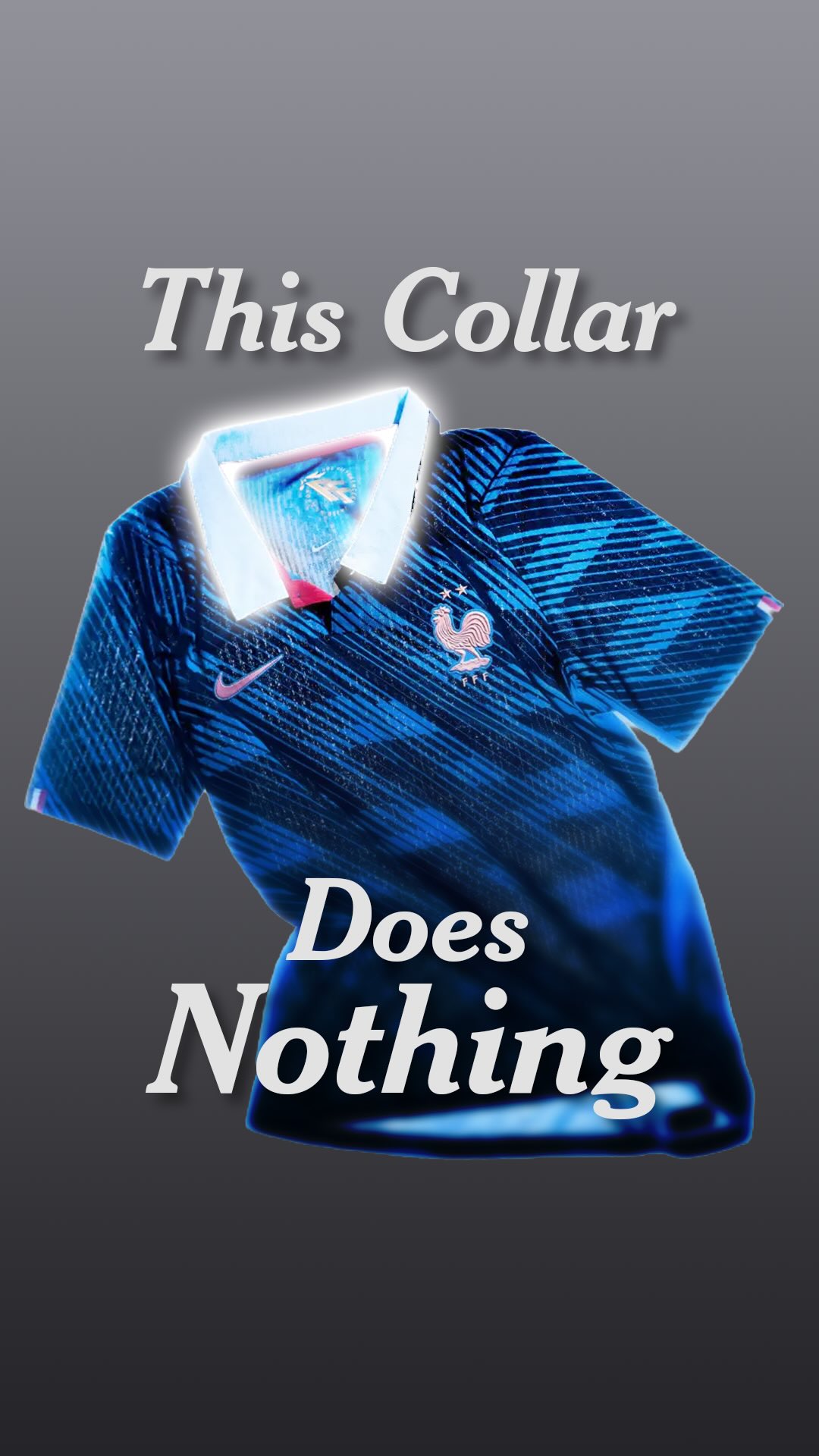 2.4M7.8×Explaining the history of collars@alextwma · What Is X?
 599.1KExplaining workwear's historical fashion origin.@frontoffice.co · Breakdown
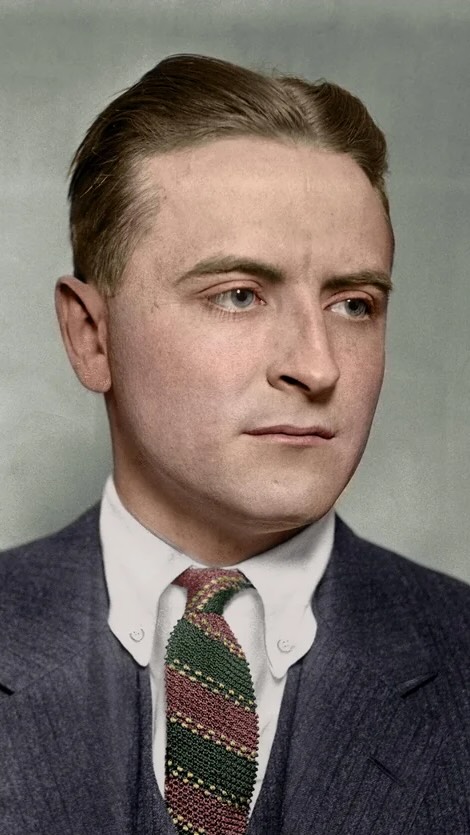 177.8K5.3×Explaining the history of ties@brockvignery · Origin Story
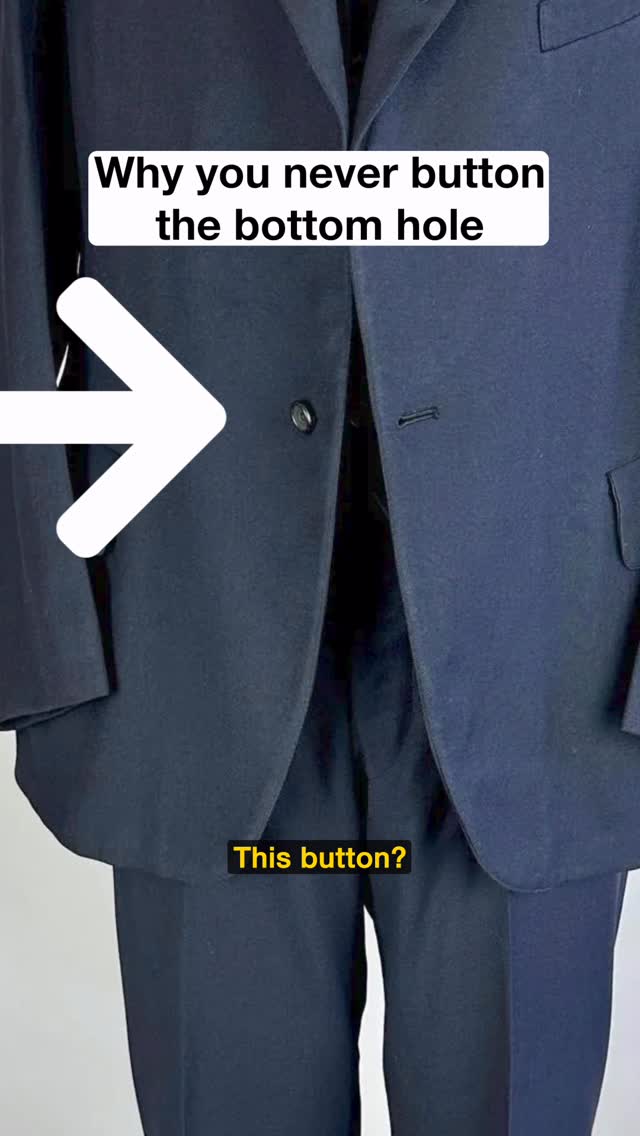 2.6M143.6×Explaining suit button fashion history@fineasjackson · Strange but True
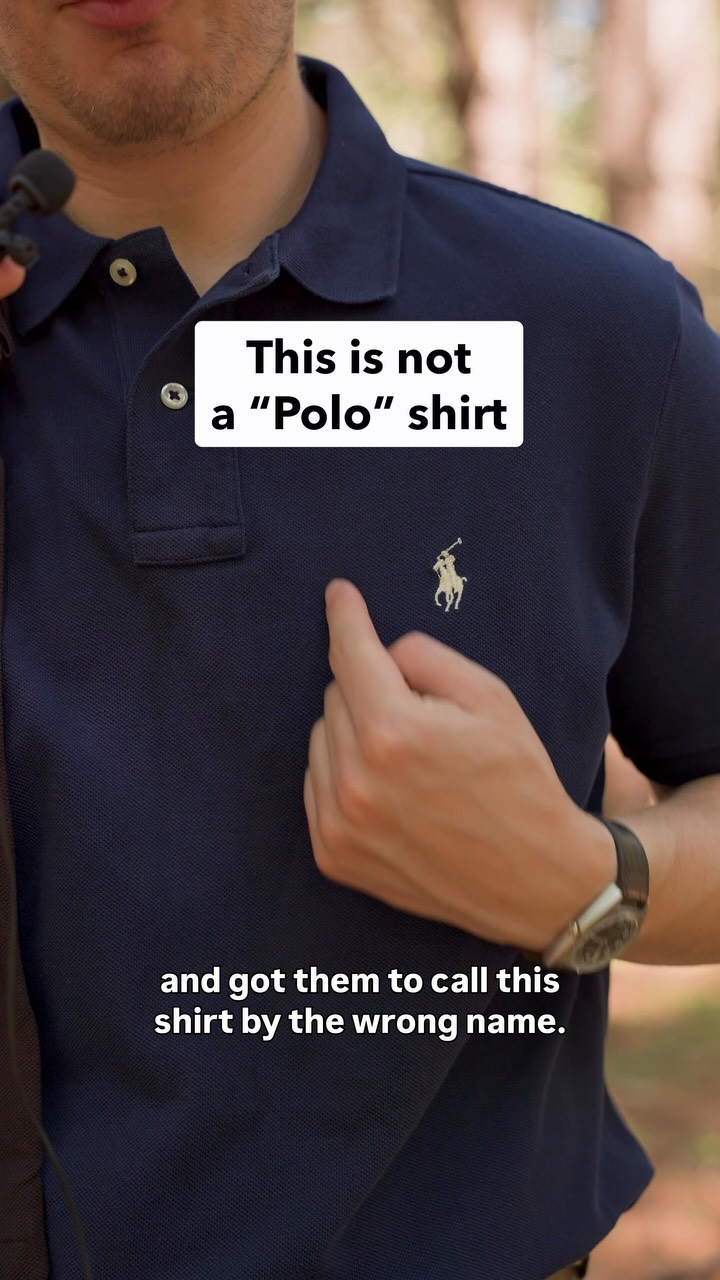 1.6M1.6×Explaining the real polo shirt history@theironsnail · Origin Story
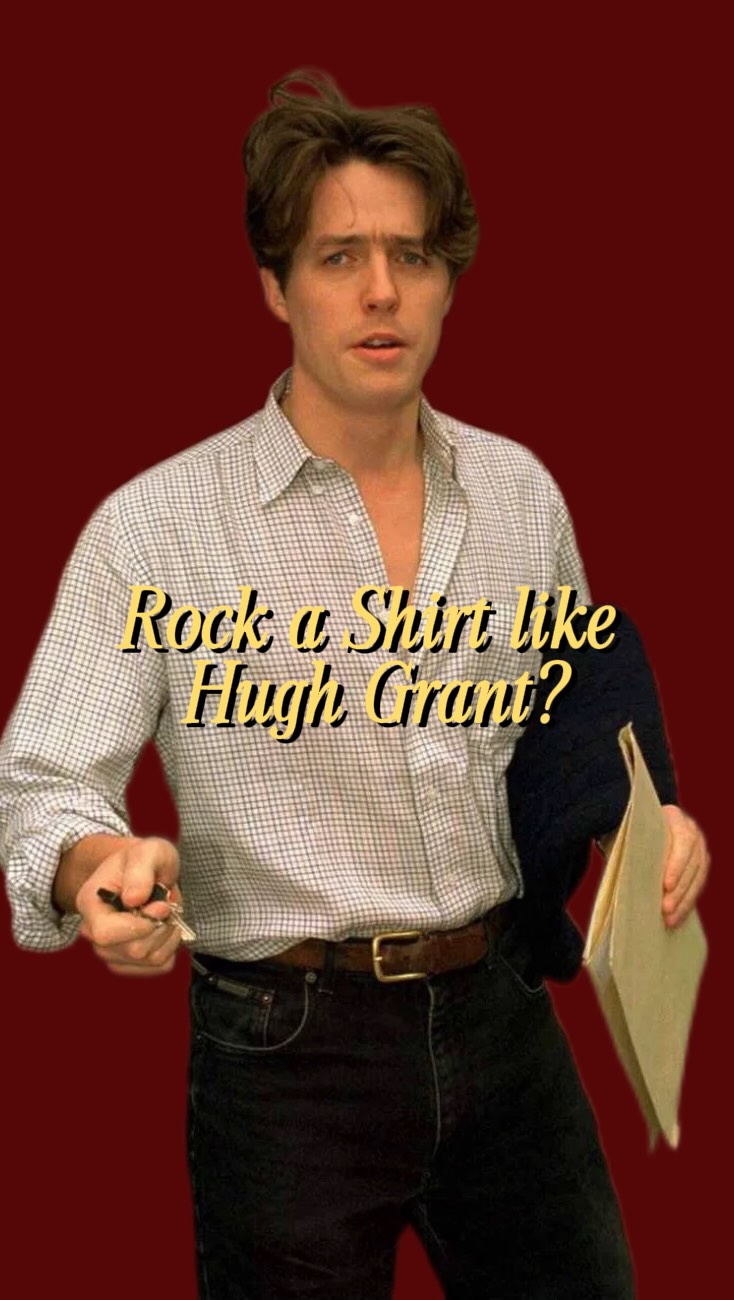 331K26.1×Explains fashion problem, presents solution@2ndcoat_ · Breakdown
 103.1K1.1×Explaining Hawaiian shirt style history@henrythekidd_ · Rapid Fire Listicle
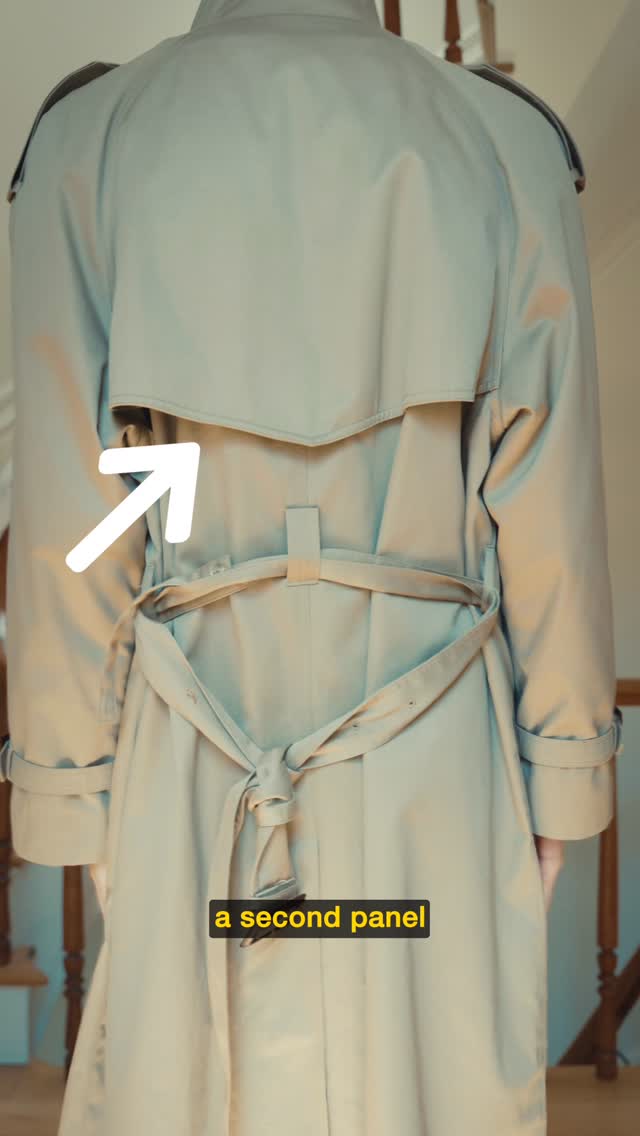 1.1M79.5×Historical breakdown of trench coats@fineasjackson · Breakdown
 901.4K1.6×2000s fashion trend comeback@itskatesteinberg
 225K12.5×Explaining how to tuck shirts@tannerguzy · Tutorial / How To
 1.1M57.9×Question hook then historical explanation@fineasjackson · Origin Story
[04]
[05]
What stops the scroll in the first 3 seconds
Title hook · 55%
Why do shirts have collars?
Verbal hook · 25%
Look at your shirt.
Visual hook · 20%
A clean, professionally lit shot of a man in a crisp white shirt, followed by quick, aesthetic close-up cuts of a shirt's cuff and buttons, creating immediate visual interest and establishing the topic.
[06]
Steal this for your own video
Why do have ?
[07]
The promise the opener makes, and how the video pays it back
Hook
The Mundane Mystery. Isolate a common, everyday object or feature and deconstruct its obvious functions, then highlight one aspect that appears to have no purpose, posing a direct question to the viewer about its existence.
Payoff
The Absurd Climax. Conclude the narrative by showcasing the most extreme, exaggerated, or absurd version of the feature that resulted from its social escalation, providing a visually striking and memorable resolution to the initial question.
[08]
The structural pattern this video runs on
Framework
The Hidden History Framework
To explain the non-obvious origin and evolution of a common object, feature, or idea by revealing its journey from practical utility to symbolic meaning.
The Historical Premise
State that the answer lies in the past, reframing the object's history as the key to understanding its present form.
The Original State
Describe the world or context before the feature existed, establishing a baseline for the viewer.
The Utilitarian Genesis
Reveal the feature's true origin as a simple, practical solution to a specific, often mundane problem, frequently introduced by an unexpected group.
The Symbolic Pivot
Explain the critical moment where the feature's visibility caused it to transition from a purely functional item into a symbol of identity, status, or affiliation.
The Elite Appropriation
Detail how a higher-status group adopted and amplified the feature precisely because of its new symbolic meaning.
They look like decoration, but there’s a reason…behind the collar on your shirt
title · beginning
Why do shirts have collars?
branding · beginning
"Chasing Beauty" Episode 64
title · beginning
A Visual Guide to SHIRT COLLARS
informational · middle
Underwear to Identity
informational · middle
Status to Protection
Look at your shirt. The sleeves cover your arms. The buttons hold it shut. No, look at the collar. It doesn't close anything. It doesn't hold the shirt on your body. It just folds over and sits there. So why is it on every shirt you own? This is Chasing Beauty episode 64 rank today, we're looking at the design behind the collar. To understand the collar, you have to understand what a shirt used to be. Before the fifteenth century, shirts didn't have collars at all. They were simple undergarments, Open necklines, long sleeves, and made from linen or hemp. The collar first appeared somewhere in the late fourteen hundreds. And it wasn't the royalty who introduced it. Priests and ministers wore stiff tunics with high scratchy necks. Adding a strip of fabric to the shirt underneath kept the tunic from rubbing their skin raw. But because the collar was the only part of the shirt that showed above the tunic, it became a small marker of who you were. And once the collar meant something, the nobility wanted in. By the sixteenth century, the European aristocracy had taken that simple strip of fabric and turned it into something absurd. Massive rough collars, pleated discs of fabric.