Viral Hooks
Trending short videosExplaining food name's colonial history
D

@diasporaco

Instagram · Talking Head Edit

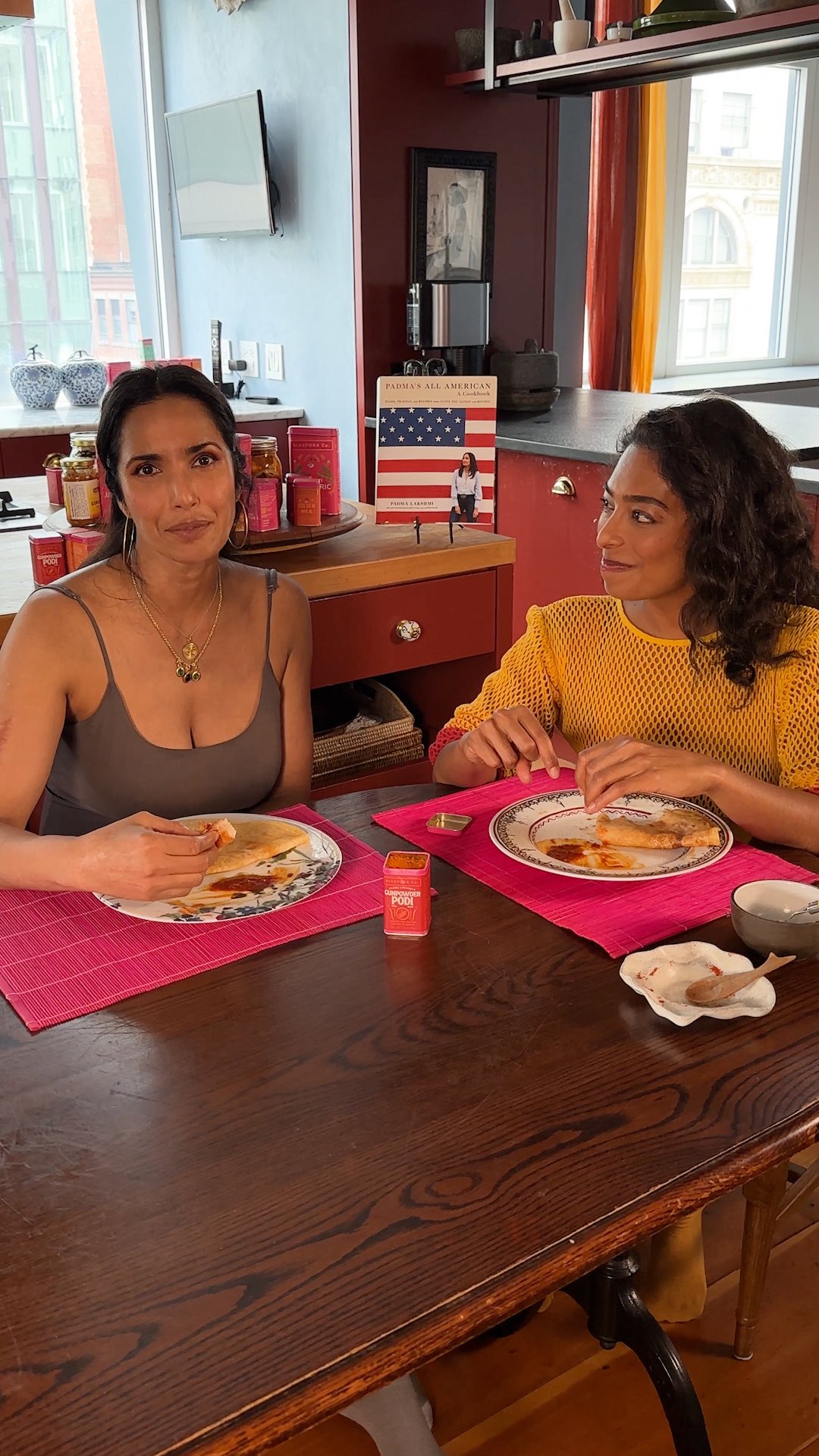
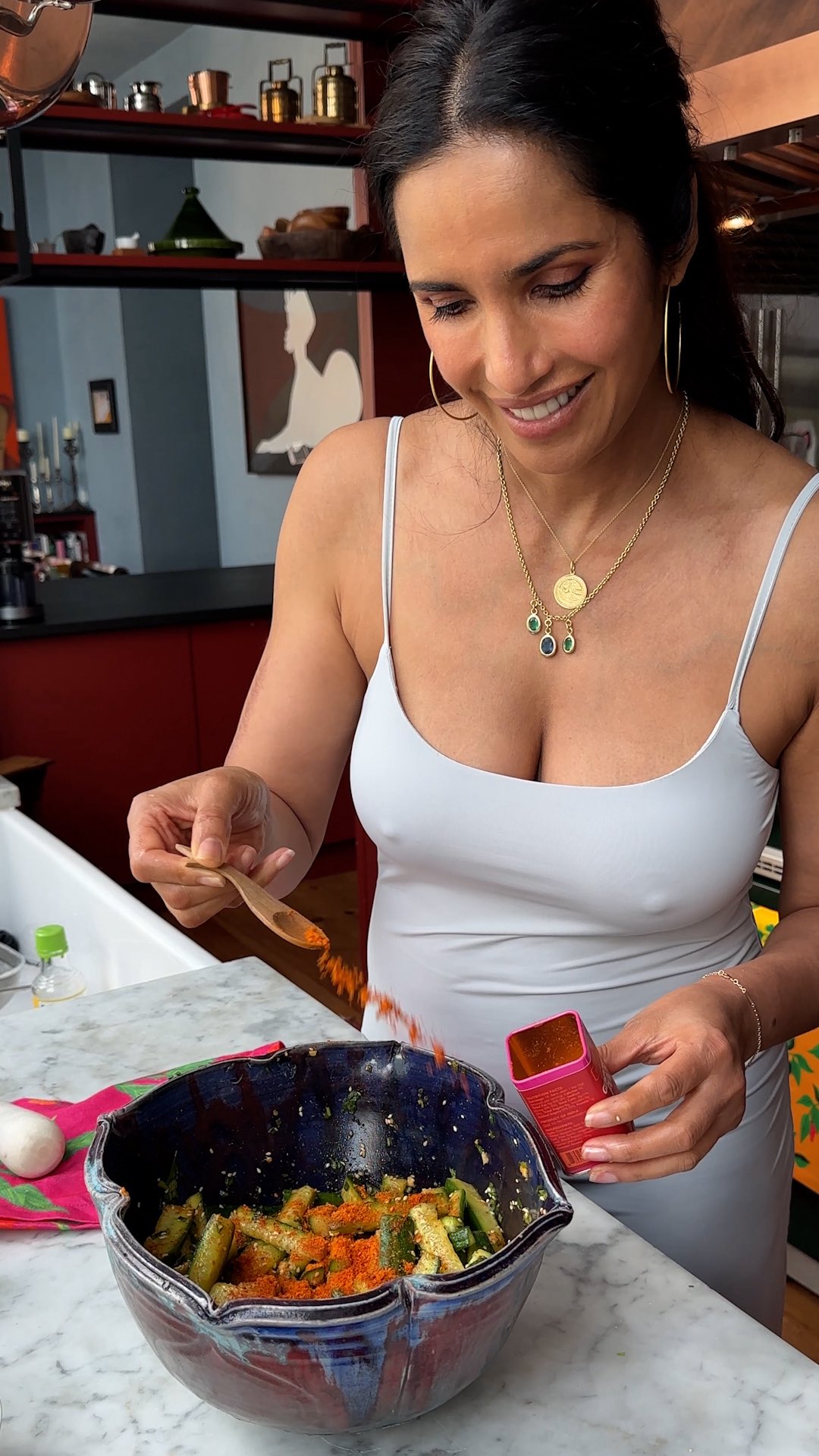
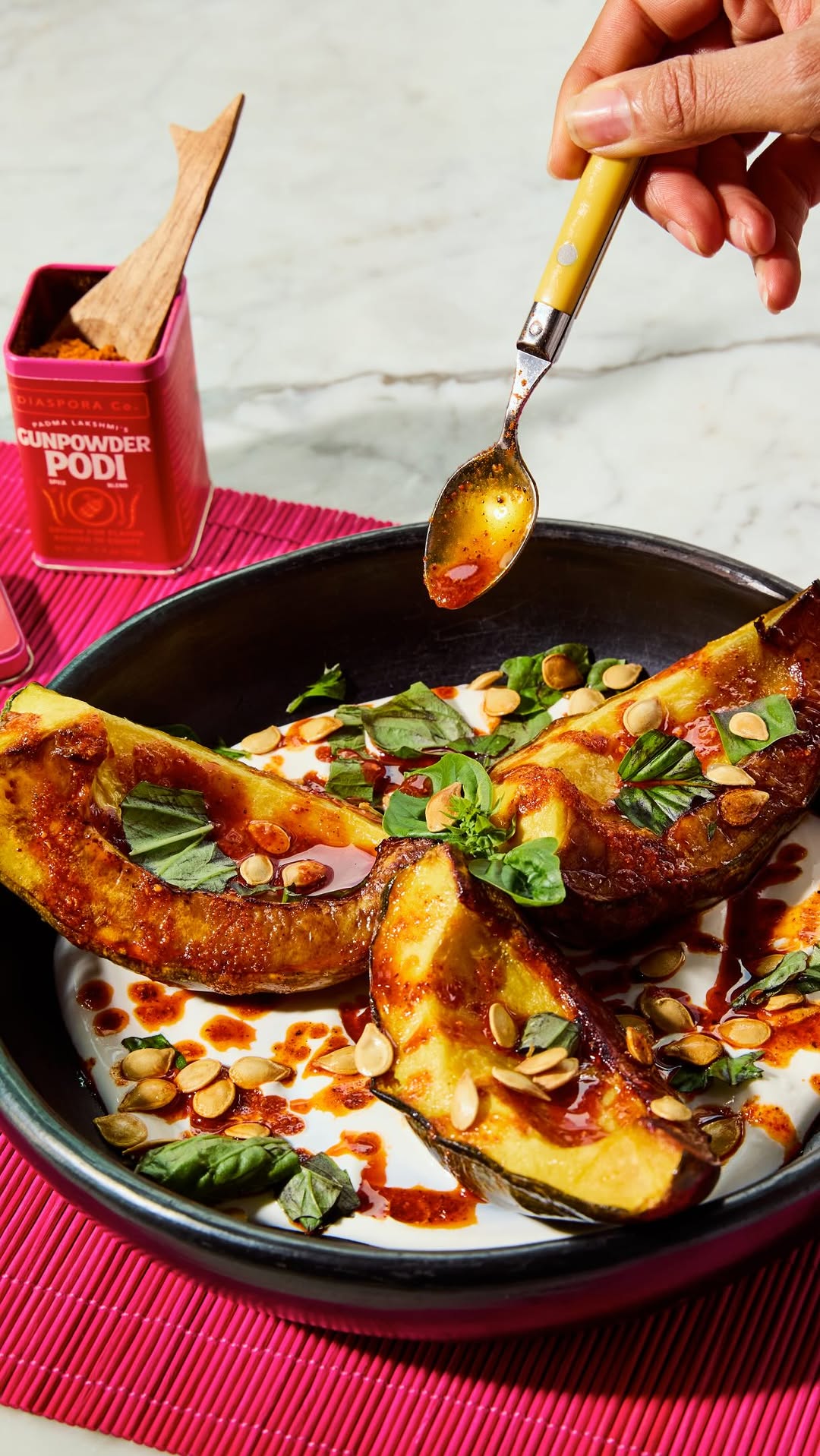
@diasporaco @padmalakshmi’s Gunpowder is back and flying off the shelves 🌶️ Milagai podi is a pantry staple across South India — nutty, savory, crunchy, and SO different in every household. But somehow, its colonial nickname stuck. The funny part? It’s not even that spicy. If you’ve ever wondered what to do with it beyond idlis and dosas, we’ve got you covered. A whole bunch of recipes are up on our website, link in bio!!

View original on Instagram

The edit1 shot · 3 text
Shots Text0:56

Performance

Views
291.9K
Likes
10.6K
Comments
74
Engagement
3.6%
Outlier
26.8×
Length · 1 Jun 2026
0:56

Video #31592 · Talking Head Edit

Explaining food name's colonial historyfrom @diasporaco

[01]

Overview

The creator explains the origin and cultural significance of the South Indian spice blend "milagai podi," detailing its ingredients and traditional uses. She then recounts the colonial history of how the British, confused by its texture and heat, nicknamed it "gunpowder," before debunking the idea that it's overly spicy and offering modern ways to enjoy it, including a celebrity endorsement.

[02]

Simple outline

  1. 1State surprising origin/name
  2. 2Reveal historical context/conflict
  3. 3Debunk a common myth
  4. 4Showcase modern applications

[03]

Related videos

[04]

Classification

Concepts
Origin StoryBreakdown
Elements
B-Roll CutawayImage Overlay

[05]

Hook analysis

What stops the scroll in the first 3 seconds

Title hook · 45%

The British were so confused by this blend

Verbal hook · 50%

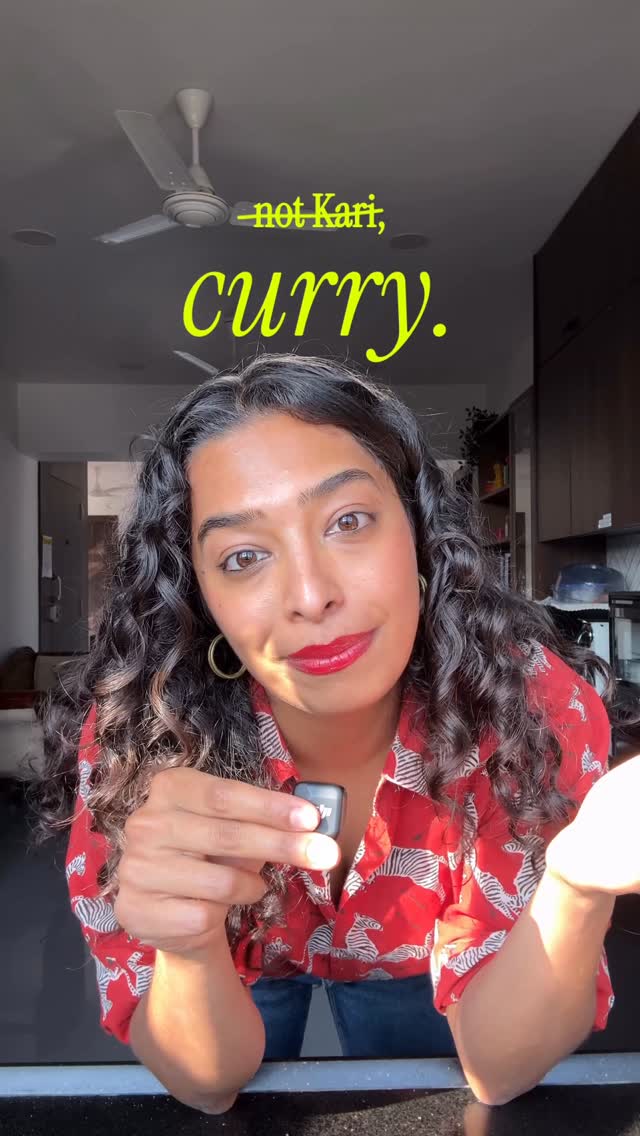
The British were so confused by this blend of roasted lentils and chilies, they named it after an explosive chemical.

Visual hook · 5%

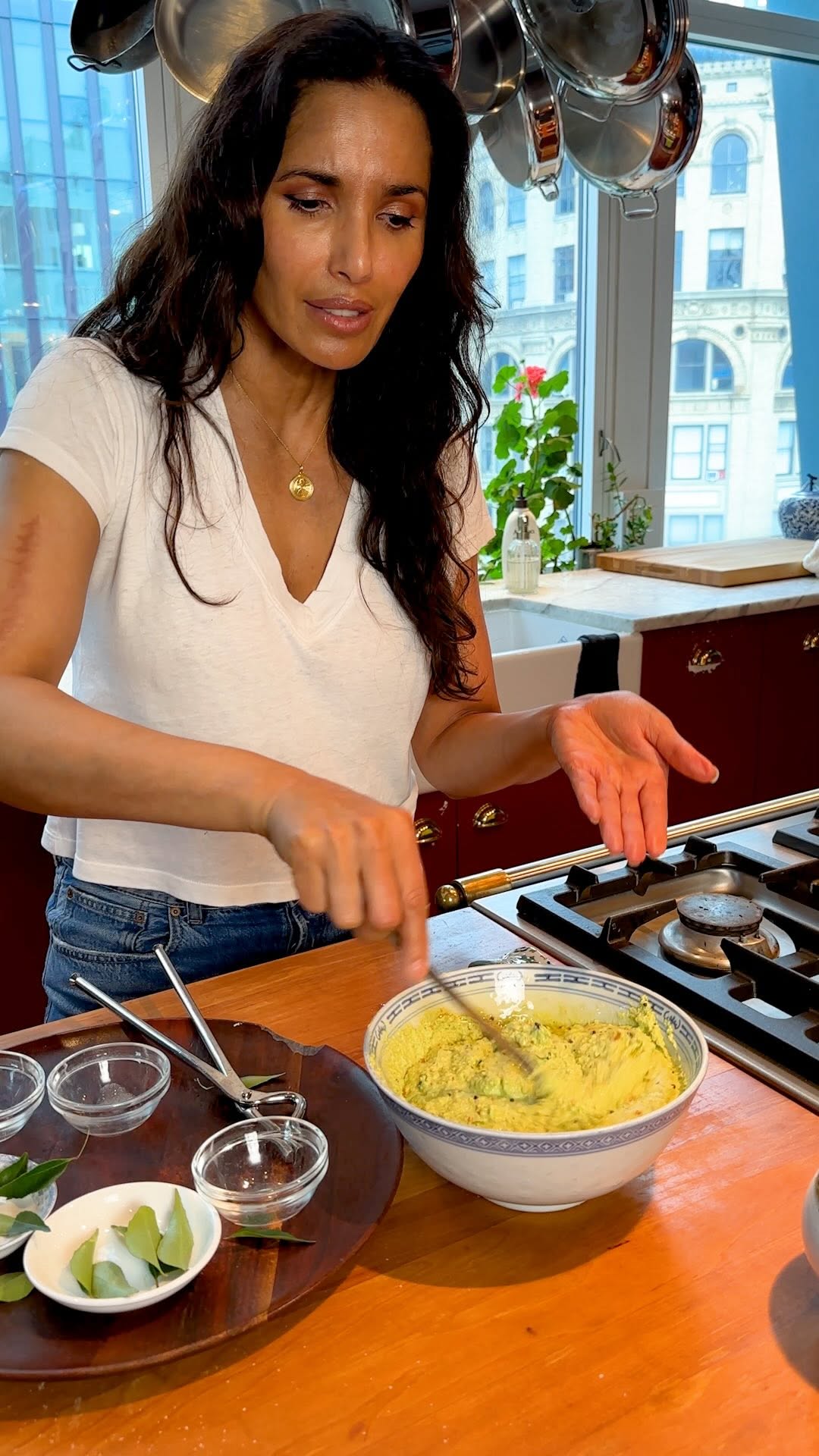
An engaging close-up of the creator holding a bowl of vibrant, textured red spice powder, lifting a spoonful towards the camera to showcase it.

[06]

Hook template

Steal this for your own video

The [foreign group or outsider] were so confused by [unfamiliar thing], they called it [unexpected name or label].

  • — The Spanish were so confused by this wrinkled Aztec fruit, they called it an alligator pear.
  • — Early European traders were so confused by this fermented Korean side dish, they called it rotten cabbage.
  • — Victorian-era doctors were so confused by this ancient breathing practice, they called it controlled fainting.

[07]

Hook and payoff

The promise the opener makes, and how the video pays it back

Hook

The Surprising Misnomer: Present a shocking or counter-intuitive fact about an item's name or popular perception, creating an immediate knowledge gap.

Payoff

The Modern Application: Provide a series of practical, accessible, and often surprising ways to use or appreciate the item, transforming the viewer's newfound knowledge into actionable utility.

[08]

Narrative framework

The structural pattern this video runs on

Framework

The Reclaimed History Framework

To deconstruct the popular (and often incorrect) origin story of a common item, revealing its true history and modern relevance, thereby reframing the viewer's understanding of it.

  1. 1

    The Foundational Definition

    Quickly and clearly define what the item actually is, grounding the viewer with essential context before the story begins.

  2. 2

    The Relatability Bridge

    Compare the item to a more widely known concept or product to make it instantly understandable and accessible to a broad audience.

  3. 3

    The Central Question

    Explicitly state the core mystery or question that the hook implied, focusing the narrative and setting viewer expectations.

  4. 4

    The Historical Reveal

    Introduce the historical context, and often an antagonist, responsible for the item's misleading name or reputation.

  5. 5

    The Naming Climax

    Directly answer the central question, explaining precisely how and why the item received its misnomer.

  6. 6

    The Ironic Reversal

    Subvert the viewer's expectation by revealing a truth that directly contradicts the misconception established by the name, creating a satisfying twist.

  7. 7

    The Sensory Re-Education

    Describe the item's actual qualities and characteristics, replacing the old misconception with new, accurate information.

Themes

  • food history
  • colonialism
  • cultural identity

Techniques

  • b-roll
  • historical context
  • product demonstration

Trends

  • explainer video
  • food history deep dive

Post caption

@padmalakshmi’s Gunpowder is back and flying off the shelves 🌶️ Milagai podi is a pantry staple across South India — nutty, savory, crunchy, and SO different in every household. But somehow, its colonial nickname stuck. The funny part? It’s not even that spicy. If you’ve ever wondered what to do with it beyond idlis and dosas, we’ve got you covered. A whole bunch of recipes are up on our website, link in bio!!

Text overlays

  • contextual · middle

    ✨chili crisp of South India✨

  • contextual · middle

    gunpowder

  • contextual · middle

    milagai podi

Transcript

British were so confused by this blend of roasted lentils and chilies, they named it after an explosive chemical. Purdis are dry, coarse powders made with a combination of roasted lentils, red chilies, and spices, that's typically mixed with fat and eaten with idlis, dosas, or rice. Think of it like the chili crisp of South India. Every household makes it differently, and no two jars are the same. So how did this nutritious staple become gunpowder? Like so much of Indian food history, this twist was brought to you by the British colonizers. They had no idea what to make of it. It wasn't the gravies that they were used to, but it also wasn't their yellow all purpose curry powder. So overwhelmed by its heat and texture, Milagai Puri was renamed Gunpowder. Funnily enough, it's not even that spicy. It's got heat, but it's also got crunch and umami and nuttiness. Best it with a dosa, sprinkle it over cucumbers or roasted vegetables, or if you like Padma, and upgrade your grilled cheese forever.

Explaining food name's colonial history | Viral Hooks