@diasporaco
Instagram · Talking Head Edit
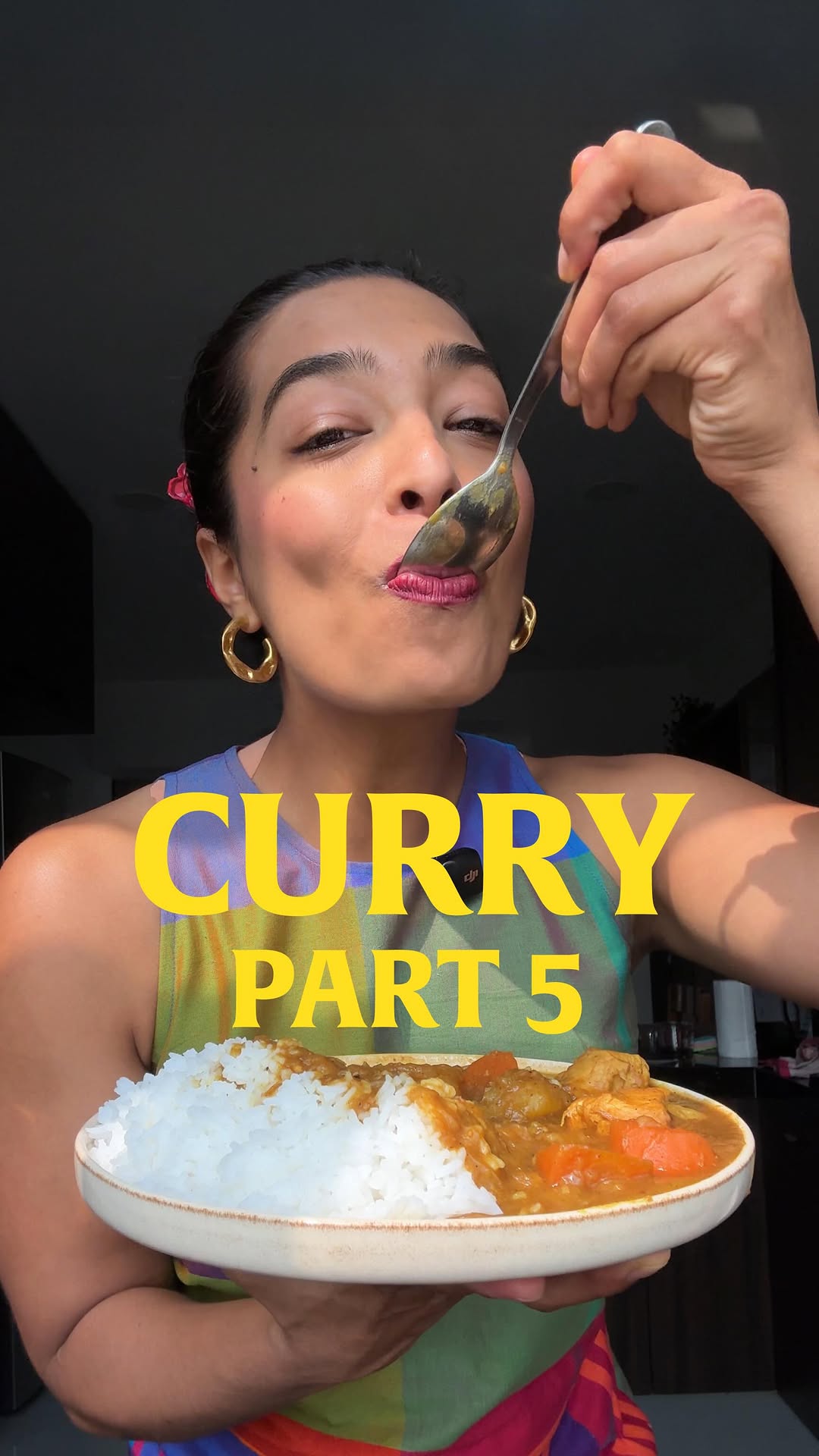
@diasporaco Curry, Part 5 ☀️ For the final episode of our series, we’re talking about the origins of Japan’s infamous Kari Raisu 🪭🇯🇵 Inspired by Curry: A Tale of Cooks and Conquerors by Lizzie Collingham.

@diasporaco
Instagram · Talking Head Edit
@diasporaco Curry, Part 5 ☀️ For the final episode of our series, we’re talking about the origins of Japan’s infamous Kari Raisu 🪭🇯🇵 Inspired by Curry: A Tale of Cooks and Conquerors by Lizzie Collingham.
Performance
Video #19999 · Talking Head Edit
[01]
The creator delivers a fast-paced, highly edited historical breakdown of how Japanese curry originated from India via the British Navy. She uses dynamic text overlays, historical paintings, and B-roll of her cooking the dish to visually support the narrative, explaining the cultural shifts—like Emperor Meiji breaking the meat taboo—that led to the modern industrialized curry block.
[02]
[03]
 1.3M153.7×Tracing the history of 'curry'@diasporaco · Origin Story
 1.3M2.1×Aesthetic recipe demonstration montage@seattlehanddoc · Tutorial / How To
 1M1.7×Joke text over cooking process@jctmw · Process
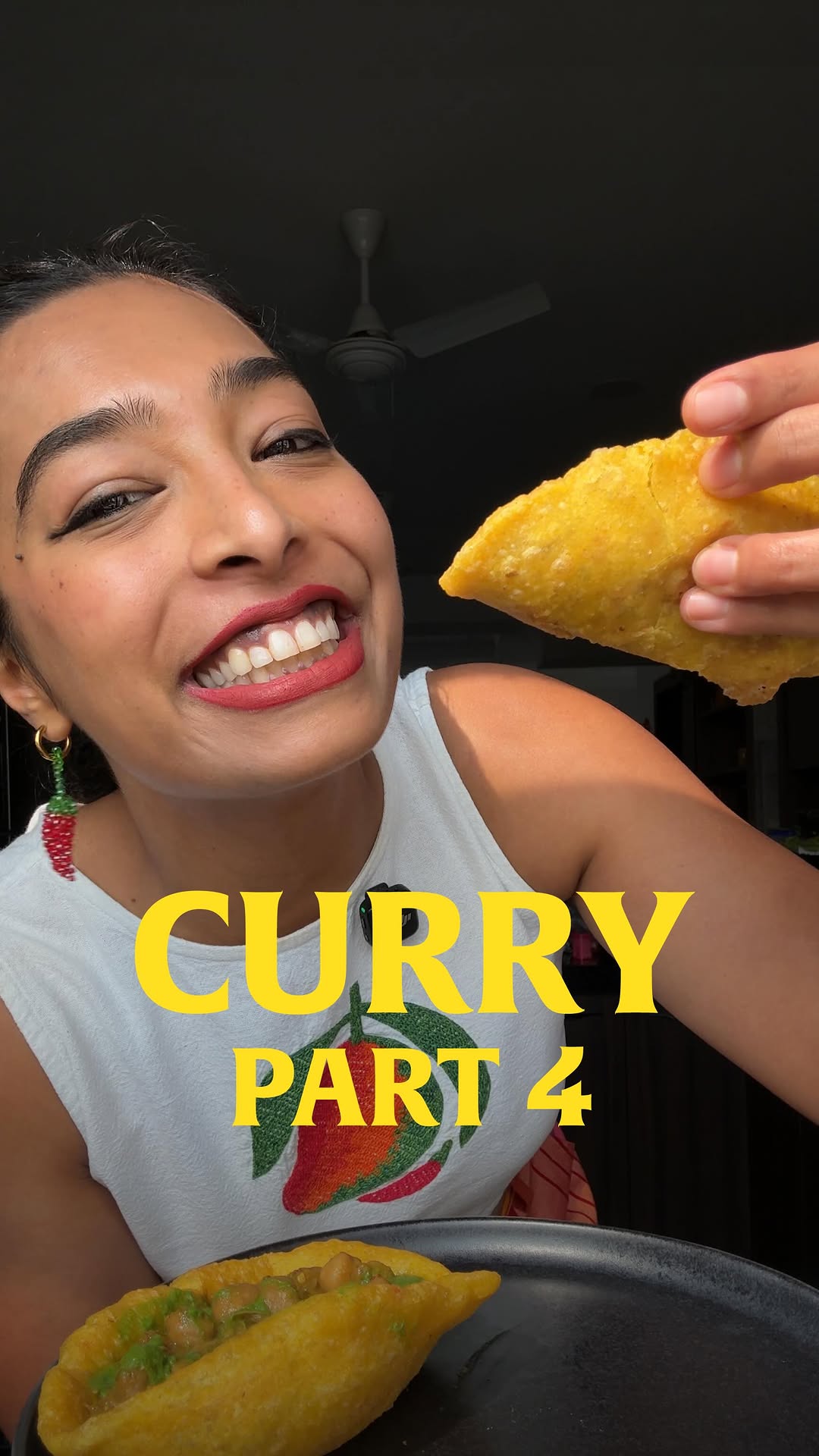 419.4K42.4×Food history documentary style explainer@diasporaco · Origin Story
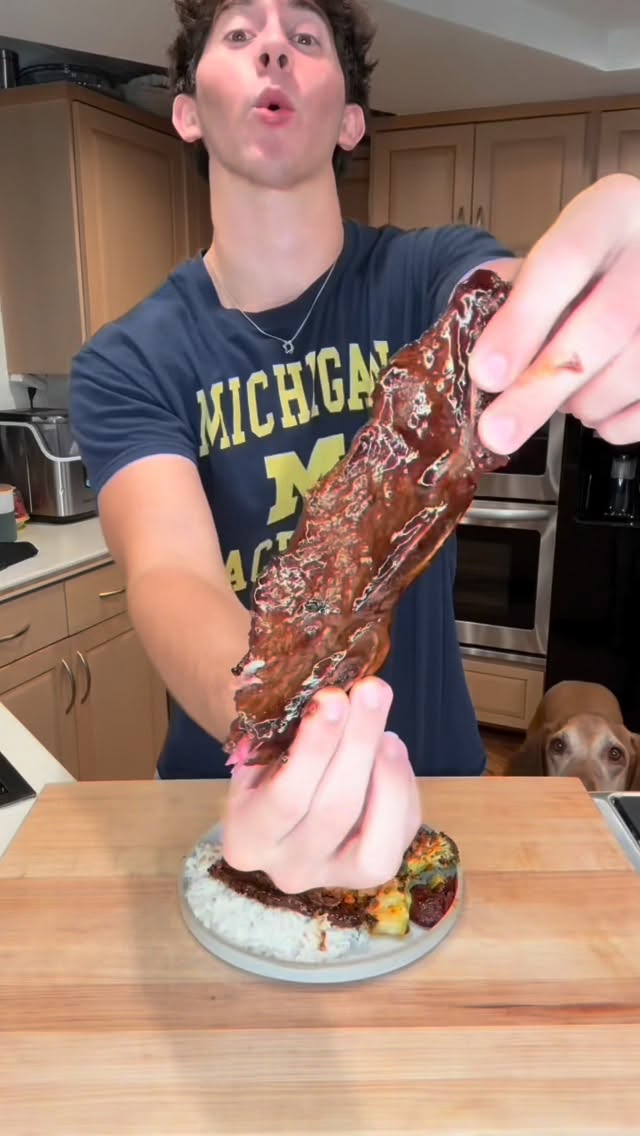 959.7K6.5×Fast-paced family meal prep montage@seattlehanddoc · Process
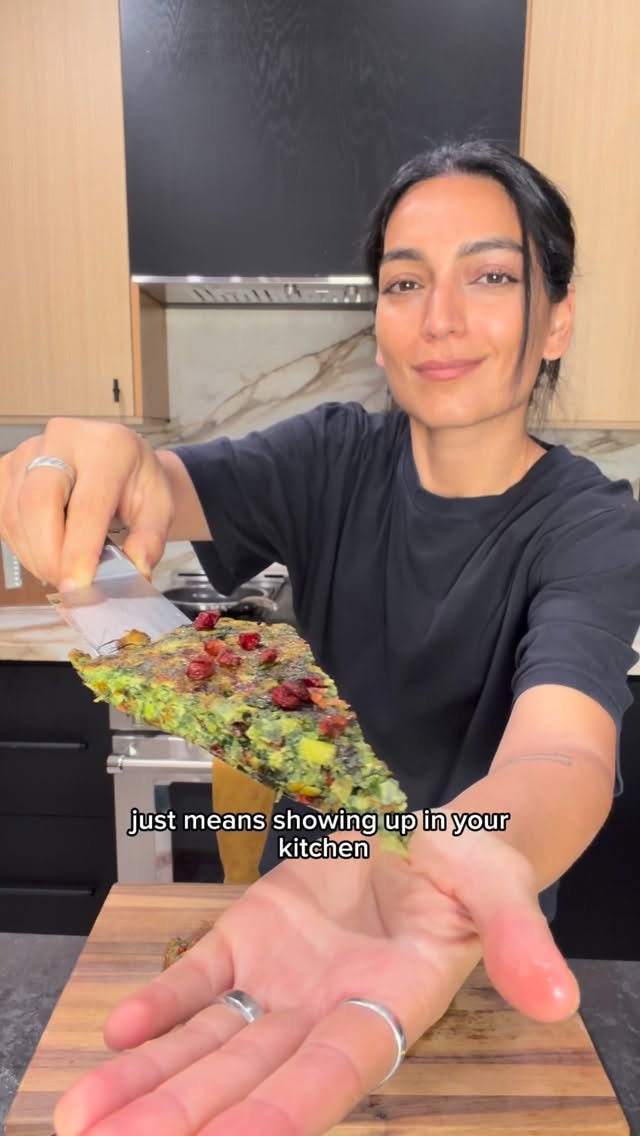 675K42.1×Cooking tutorial with cultural storytelling@zoyaroya · Anecdotal Philosophy
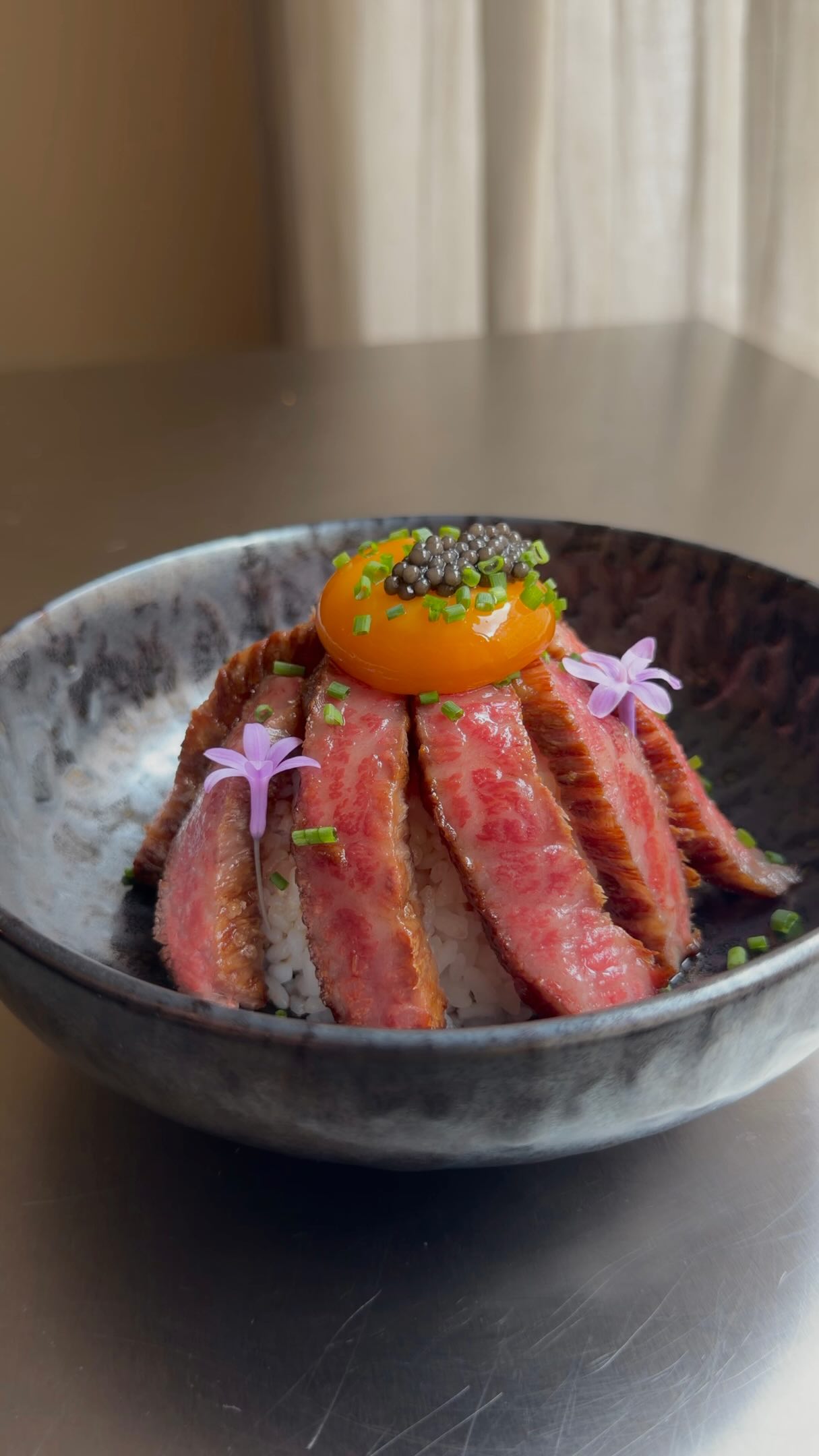 221.6K92.3×Aesthetic cooking process start to finish@denscooking · Tutorial / How To
 656K1.1×Fast paced aesthetic cooking process@jctmw · Lifestyle Showcase
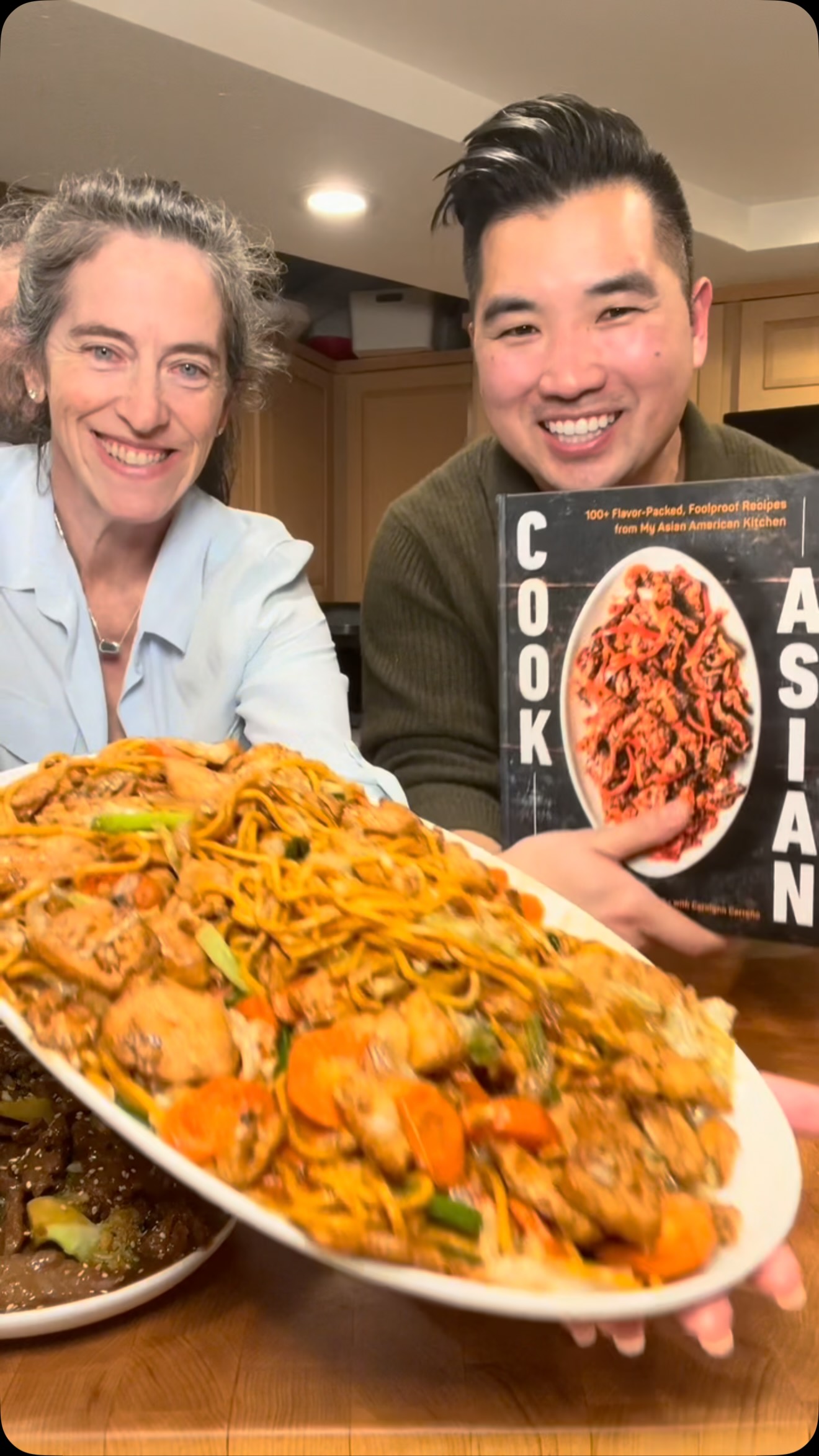 1.3M3.2×Fast-paced montage cooking a feast@seattlehanddoc · Tutorial / How To
 798.8K5.3×Massive meal prep process montage@seattlehanddoc · Process
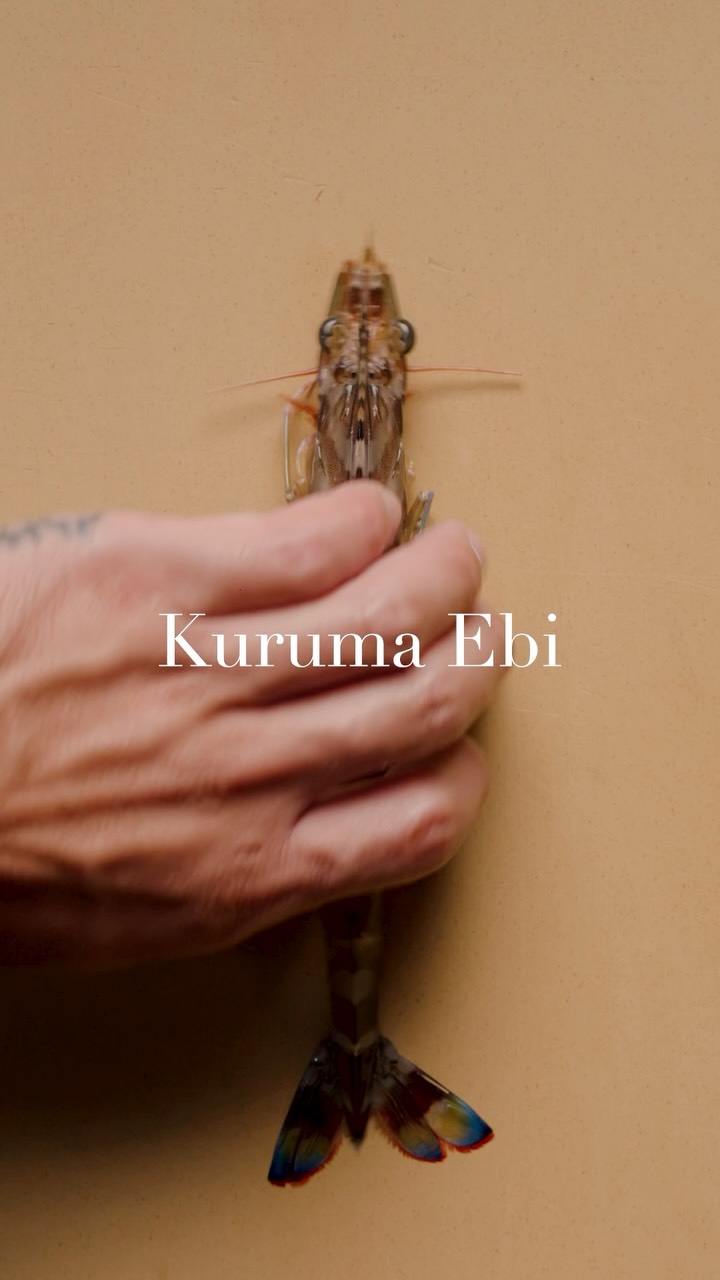 687.7K5.8×Shrimp preparation and explanation@omaweii · Tutorial / How To
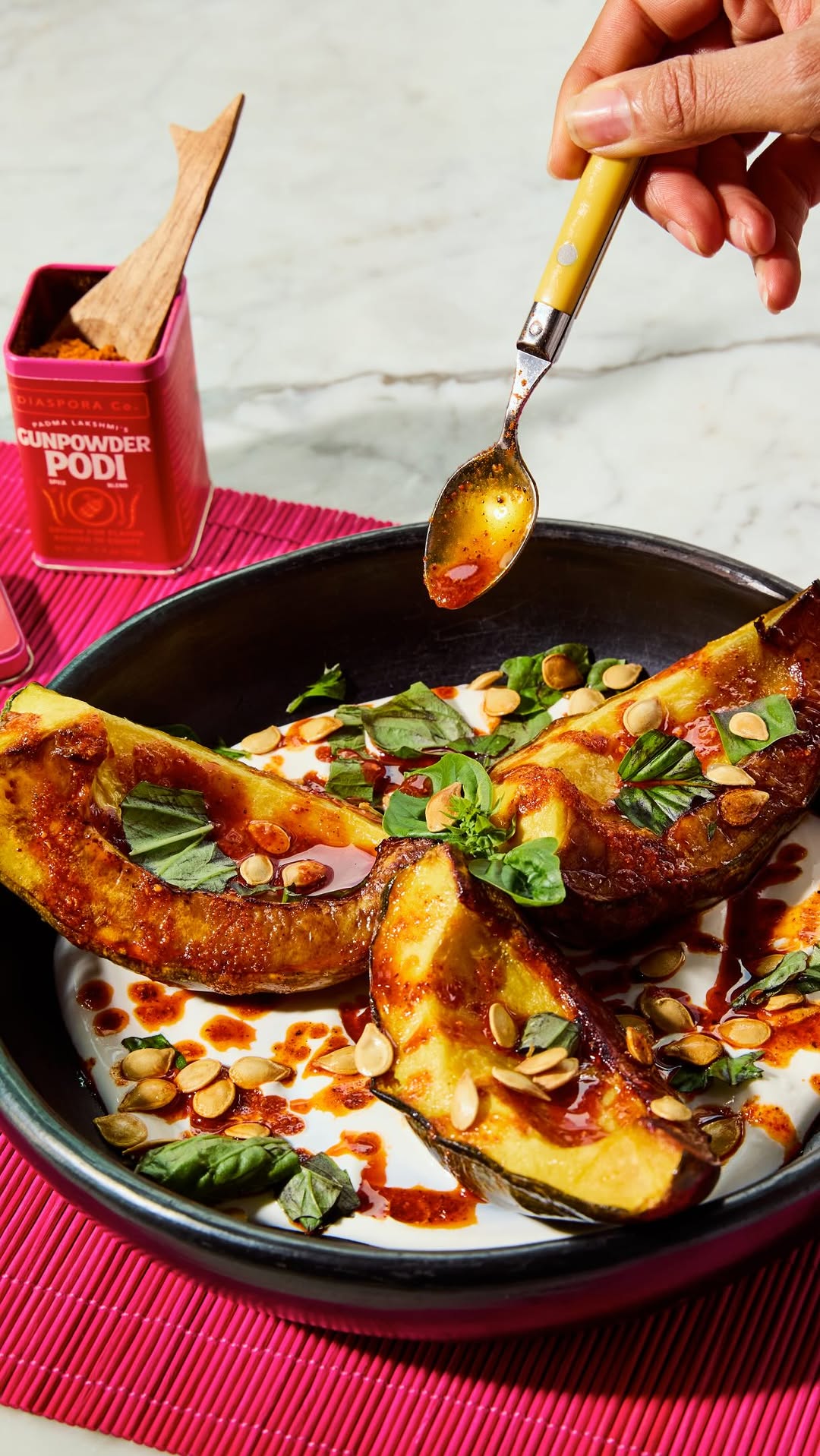 291.9K26.8×Explaining food name's colonial history@diasporaco · Origin Story
[04]
[05]
What stops the scroll in the first 3 seconds
Title hook · 25%
Indian and Japanese
Verbal hook · 60%
Indian and Japanese cuisines have very little in common and yes, Japan's most popular comfort food traces back to India.
Visual hook · 15%
The creator aggressively holds a large chef's knife in one hand and a plate of curry in the other, looking directly into the camera with a serious, intense expression.
[06]
Steal this for your own video
and have very little in common—and yet ’s popular traces back to .
[07]
The promise the opener makes, and how the video pays it back
Hook
Present a counter-intuitive claim or paradox connecting two seemingly unrelated subjects to instantly generate curiosity.
Payoff
Conclude with the modern-day result, tying the journey back to a profound thematic statement about the broader forces that shaped it.
[08]
The structural pattern this video runs on
Framework
The Paradoxical Origin Story
Hooking the viewer with a surprising contradiction between two known entities, then resolving the paradox through a chronological, fast-paced historical narrative while performing a visually engaging, related task.
The Status Quo
Establish the historical baseline or restriction that makes the eventual outcome seem impossible.
The Catalyst Event
Introduce the external force or crisis that forces a radical shift in behavior or culture.
The Taboo Breaker
Highlight a specific, dramatic action taken by a key figure that shatters the previous norms.
The Cultural Bridge
Explain how the subject matter transitioned from its origin point to the new culture, often via an unexpected intermediary.
The Localization
Detail the specific adaptations and changes made to fit the new environment's preferences.
Curry, Part 5 ☀️ For the final episode of our series, we’re talking about the origins of Japan’s infamous Kari Raisu 🪭🇯🇵 Inspired by Curry: A Tale of Cooks and Conquerors by Lizzie Collingham.
title · beginning
Indian and Japanese
informational · beginning
have very little in common
informational · beginning
Japan's most popular comfort food traces back to India
informational · beginning
Picture this for 1,000 years meat eating in Japan is restricted by Buddhist belief and Imperial law
informational · middle
when Western gunboats force the country open the State draws a hard conclusion.
informational · middle
survival ∝ strength of their soldiers
informational · middle
Emperor Meiji does the unthinkable He eats beef in public destroying the meat taboo
informational · middle
As Japan modernises its military it looks... to the British Navy
informational · middle
by this point the British have already transformed curry into a thick cheap stew of meat, flour and curry powder
informational · middle
Enter Kari Raisu a one-plate meal easy to cook in bulk to feed soldiers
informational · end
As this curry spreads across Japan butter replaces tallow
informational · end
and the heat that was already tempered by the British with apples, is now further sweetened with Japanese honey
informational · end
By the 1950s Curry blocks are industrialised
informational · end
and what remains is not Indian or British but a packaged food built on the efficiency of empires
Indian and Japanese cuisines have very little in common and yes, Japan's most popular comfort food traces back to India. Picture this, for a thousand years, meat eating in Japan is restricted by Buddhist belief in imperial law. When Better gunboats forced the country open, the state draws a hard conclusion. Their survival depends on the strength of their soldiers. No, Emperor Meiji does the unthinkable. He eats beef in public, destroying the meat taboo. As Japan modernizes its military, it looks to the British Navy. By this point, the British have already transformed curry into a thick cheap stew of meat, flour, and curry powder. Enter tier raisu, a one plate meal, easy to cook in bulk to feed soldiers. As this curry spreads across Japan, butter replaces tallow, and the heat that was already tempered by the British with apples is now further sweetened with Japanese honey. By the nineteen fifties, curry blocks are industrialized, and what remains is not Indian or British, but a packaged food built on the efficiency of empires.