@wetclaude
TikTok · Speaker address
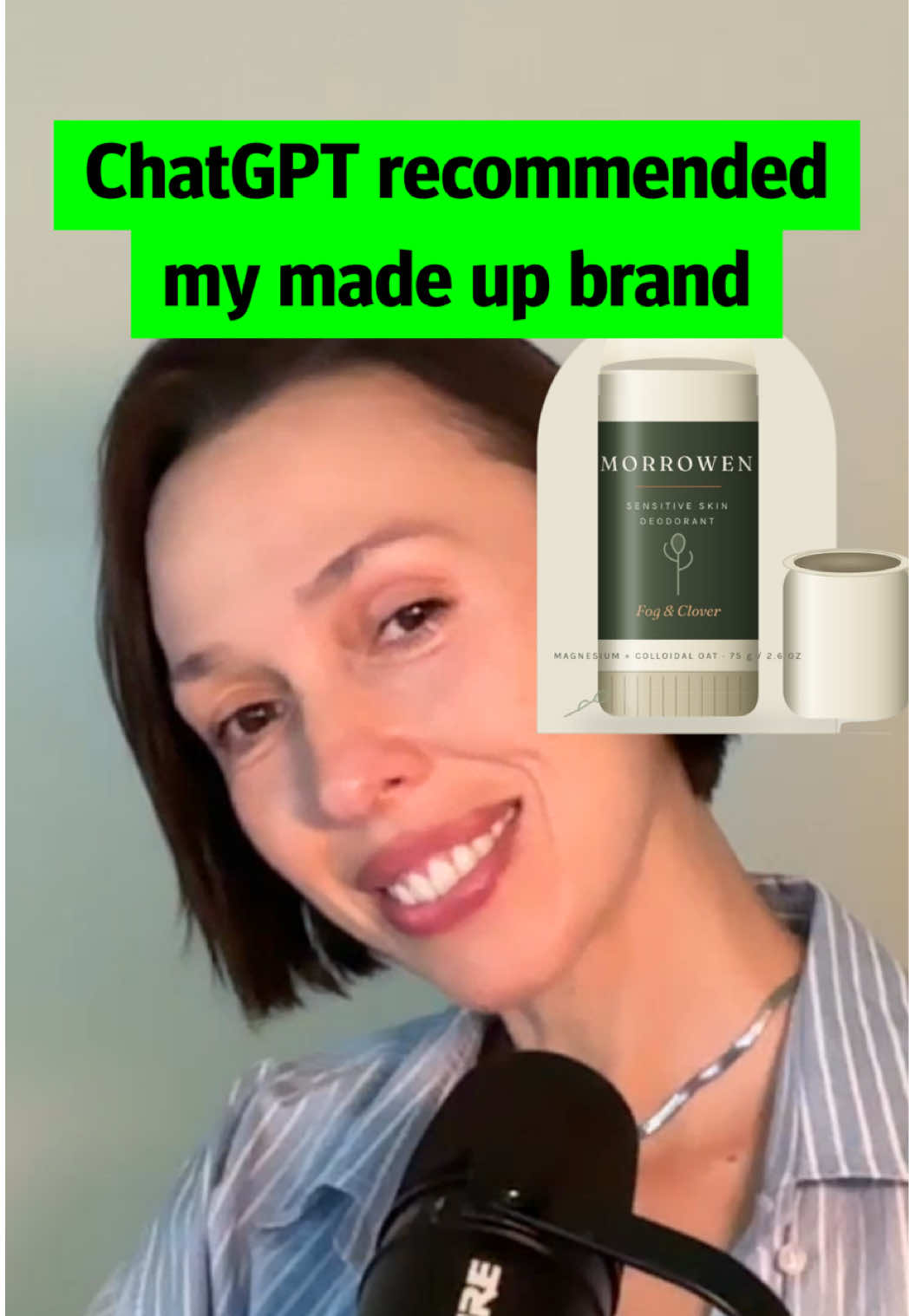
@wetclaude full write up on link in bio

@wetclaude
TikTok · Speaker address
@wetclaude full write up on link in bio
Performance
Video #38548 · Speaker address
[01]
The creator details her experiment where she successfully created a fake deodorant brand and got ChatGPT to recommend it within three weeks. She uses this case study to explain the concept of the 'AI shelf' and discusses the significant, unaudited influence AI will have on the future of e-commerce, warning that AI can present unvetted information with a false sense of authority.
[02]
[03]
 57.7KAI advertising opportunity showcase@thejamescamp · Opportunity Explainer
 53.5KCreator lists ten AI marketing tools.@thejamescamp · Rapid Fire Listicle
 314KCreator critiques fake AI ads@robertmckeaveney · Hot Take
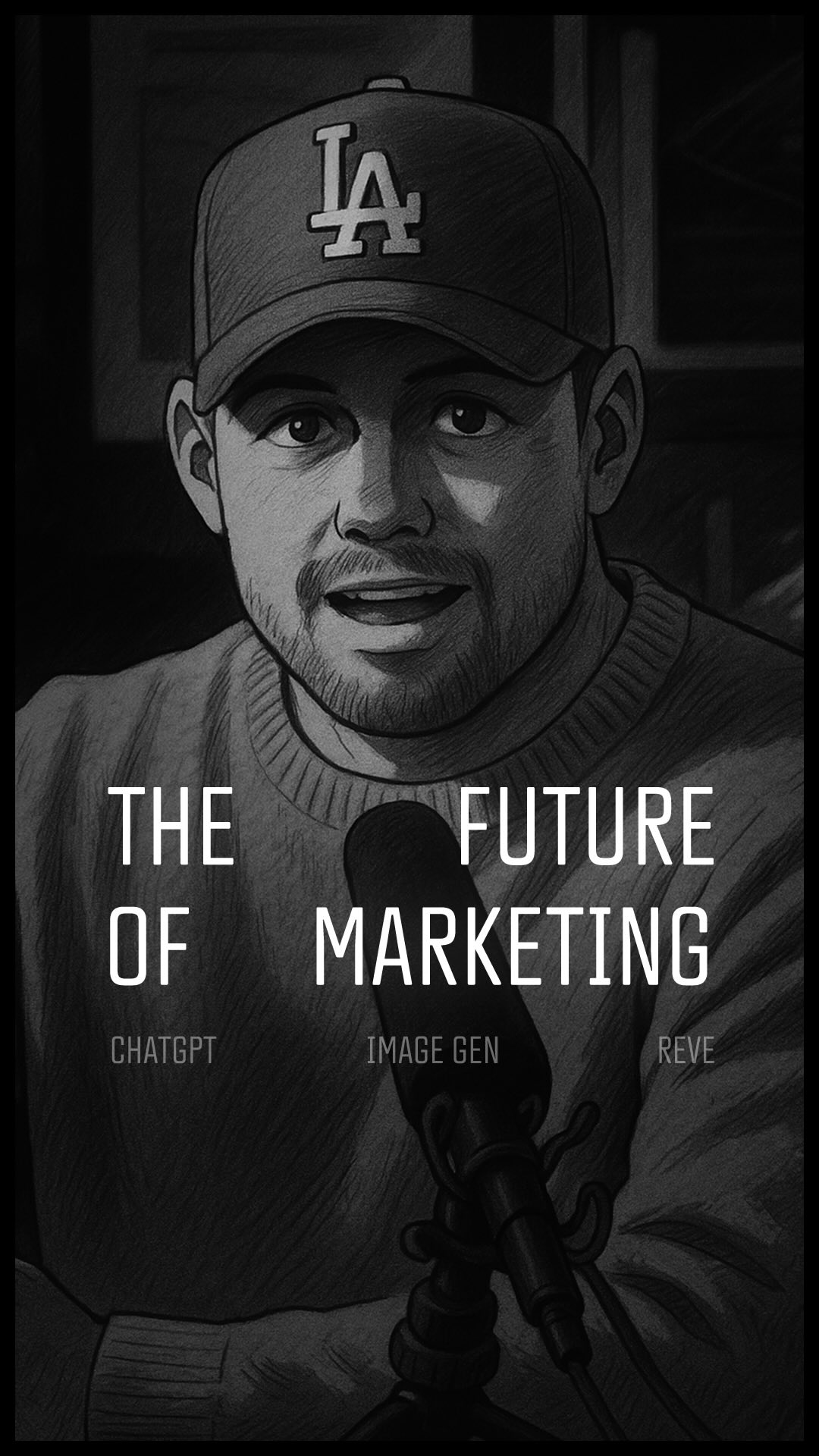 2M1.3×Explaining new AI marketing tools@rpn · Breakdown
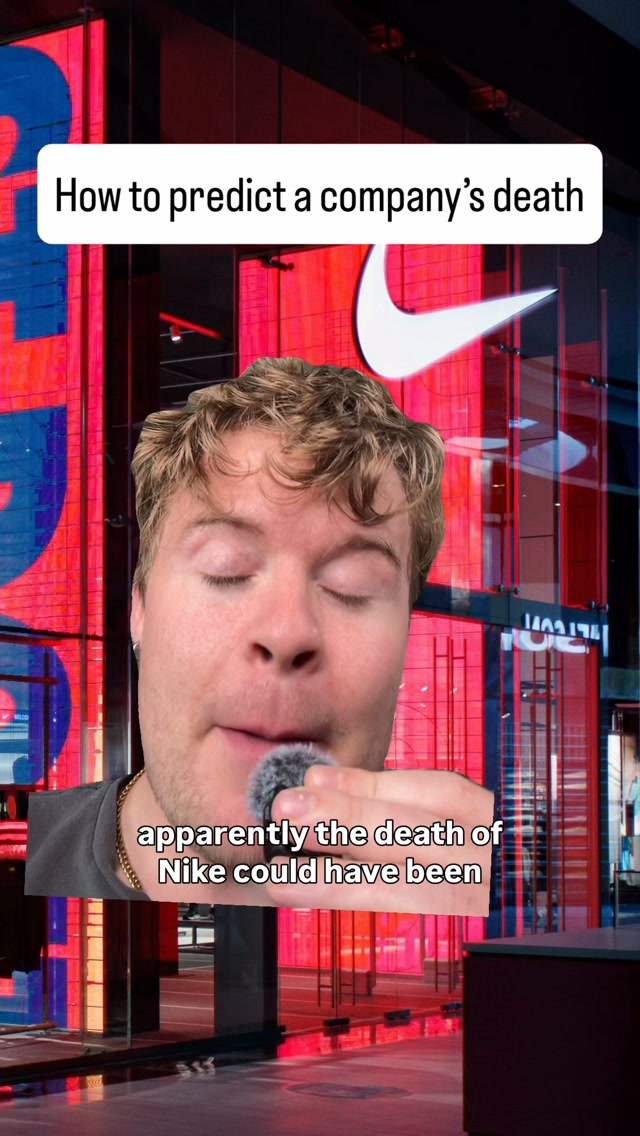 655.8K32.6×AI predicts company death via reviews@angus.sewell · Opportunity Explainer
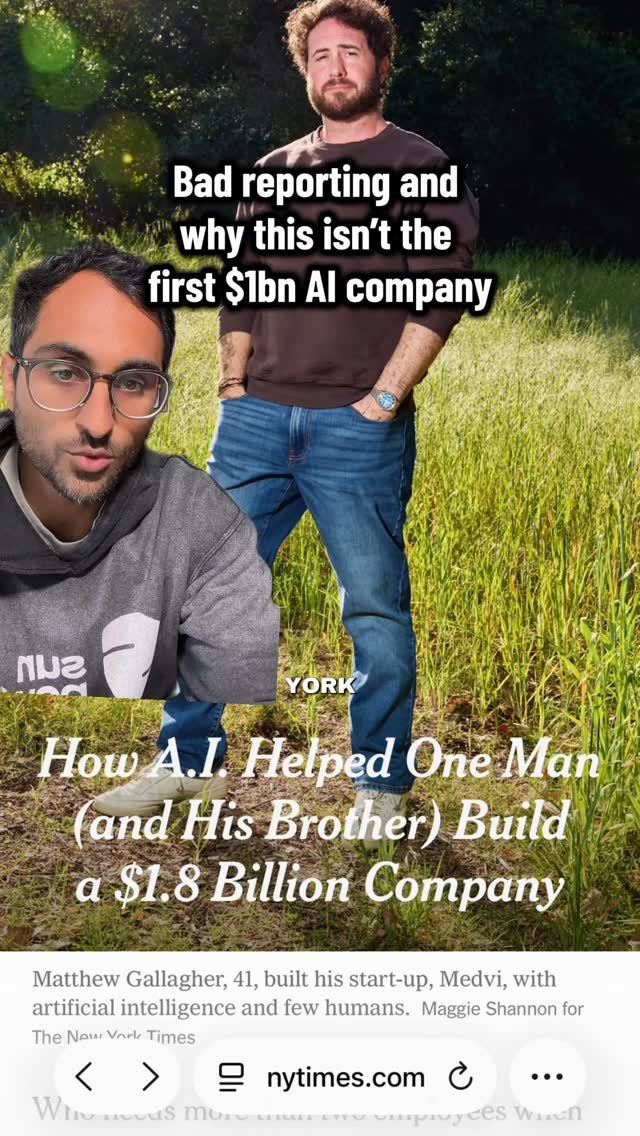 249.3K13.9×Greenscreen breakdown of AI business@shwinnabegobrand · Breakdown
 623.7KSpeaker explains AI's social media future@rpn · Breakdown
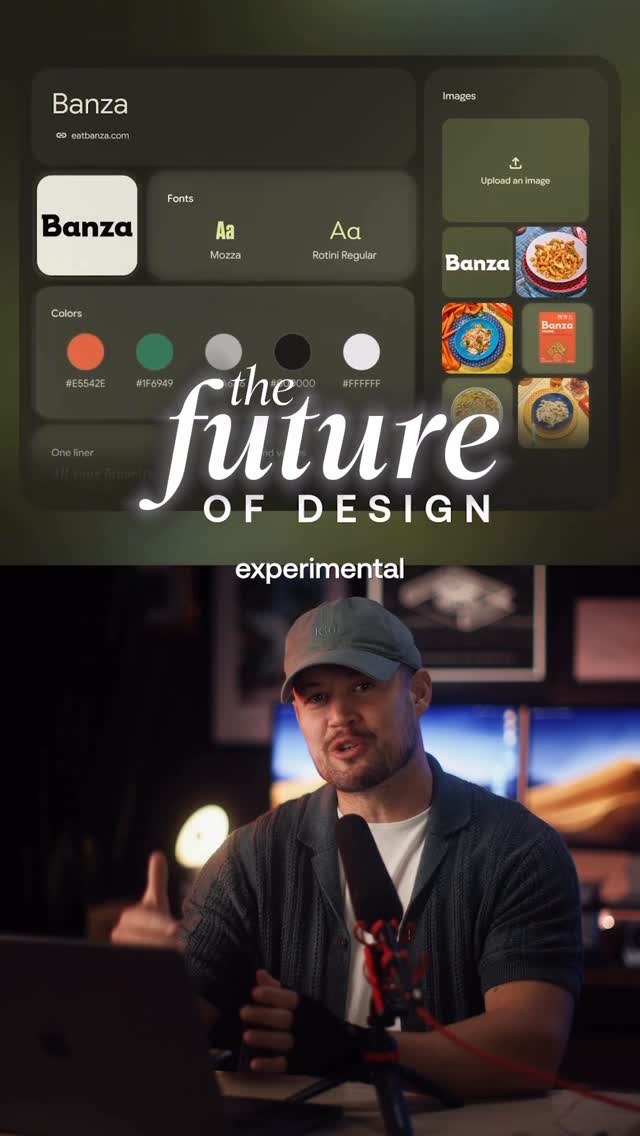 676.3KCreator demonstrates new AI marketing tool@rpn · Explainer
 206.2K11×Tutorial for creating a personal AI@angus.sewell · Tutorial / How To
 59.6KExplains conversational shopping trend@orenmeetsworld · Buying List
 79.2KSimple breakdown of AI agents@itsmariahbrunner · Opportunity Explainer
 189K2.7×Greenscreen report on AI cheating@caseymorrowlewis · Headlines
[04]
[05]
What stops the scroll in the first 3 seconds
Verbal hook · 55%
I made up a deodorant brand that does not exist, and three weeks later, ChatGPT was recommending it to strangers.
Visual hook · 45%
A medium close-up of the creator speaking directly into a professional broadcast microphone, with a screenshot of the fake brand's website appearing on screen within the first second, immediately establishing expertise and the video's core subject.
[06]
Steal this for your own video
I made up a that doesn't exist, and later, was recommending it to strangers.
[07]
The promise the opener makes, and how the video pays it back
Hook
Present a shocking or counter-intuitive outcome from a personal experiment that defies common understanding of a system, creating an immediate 'how did they do that?' question.
Payoff
The viewer feels they have been let in on a secret about a powerful, emerging system and now sees the creator as a trusted guide, compelling them to follow for future updates and analysis.
[08]
The structural pattern this video runs on
Framework
The Hidden System Exploit
Demonstrating a vulnerability or hidden feature within a complex, opaque system by conducting a small-scale experiment, and then explaining the massive, real-world implications of that vulnerability.
The Impossible Feat Hook
State a seemingly impossible achievement accomplished within a well-known system, immediately establishing intrigue and the video's central mystery.
The Credibility Setup
Briefly establish expertise and introduce the core concept or system being investigated, providing context for the experiment.
The Core Concept Analogy
Use a simple, relatable metaphor to explain the complex, hidden system, making it accessible to a general audience.
The High-Stakes Framing
Quantify the importance of the system by connecting it to a large, impressive number (e.g., money, users) to establish why the audience should care.
The Experimental Question
Clearly and concisely state the central hypothesis or question the experiment was designed to answer.
The Initial Success Reveal
Provide the first piece of visual evidence that the experiment worked, delivering an initial payoff and confirming the hook's claim.
The Definitive Proof
Present the most compelling piece of evidence, often showing a direct comparison that highlights the success of the manipulation and its real-world effect.
The Honest Caveat
Add nuance by acknowledging the limitations of the experiment. This builds trust and makes the claims more believable by demonstrating intellectual honesty.
The Systemic Insight
Pivot from the specific result to the broader 'so what?'. Explain what this exploit reveals about the fundamental nature of the system and how it differs from older, more familiar ones.
The Future-Facing Warning
Escalate the implications by projecting how this vulnerability could be exploited on a larger scale in the future, creating a sense of urgency and greater importance.
The Expert's Call to Action
Conclude by positioning the creator as the authority who is monitoring this high-stakes situation and invite the audience to follow for more insights.
full write up on link in bio
contextual · middle
POTENTIALLY!*
Made up a deodorant brand that does not worst, and three weeks later, ChatChippy Tea was recommending it to strangers. It took me one hour of work. I didn't do any weird Reddit stuff, no fake reviews, and here's where I did that. I've written a tech newsletter for five years, and since June, I've been mapping what I'm calling the AI shelf. To picture an actual shelf in a store, you ask Chachapiti what to buy, and there's a short best of brands it reaches for. That's the AI shelf. I've run almost 9,000 queries at it. It's opaque, but it sits in front of $6,000,000,000,000 worth of global ecommerce, if not north of that. So I wanted to no, can you get on the shelf? And you can. So by day 21, I got my first hit by day 30, chat GBT with browsing on named Meroan. And directly underneath it, this very real rank, one of them exists, One of them definitely does not. Now it only moved two of my 15 queries. Native still fully owns the category. I just found one little dusty shelf in the back of the store that was still open. But beyond that, it reveals something about our relationship to shopping and AI. So you put something into Google and you get a list of links. You get to decide who to trust. What AI did with Moro and is it handed the copy that I wrote back to me in its own voice, and that voice made it sound vetted. It made it sound like it had some authority, best, of course, it doesn't. And that's before agents own the whole loop from recommendation to purchase. So pretty soon, I'm gonna be telling my agent to keep my cabinet stocked. So it's gonna pick. It's gonna pay. Trillions of dollars are gonna be moving through this door that currently no one can audit. It's very high stakes. Almost no one's watching it. I am, so follow along.