@shamelesspodcast
Instagram · Clip
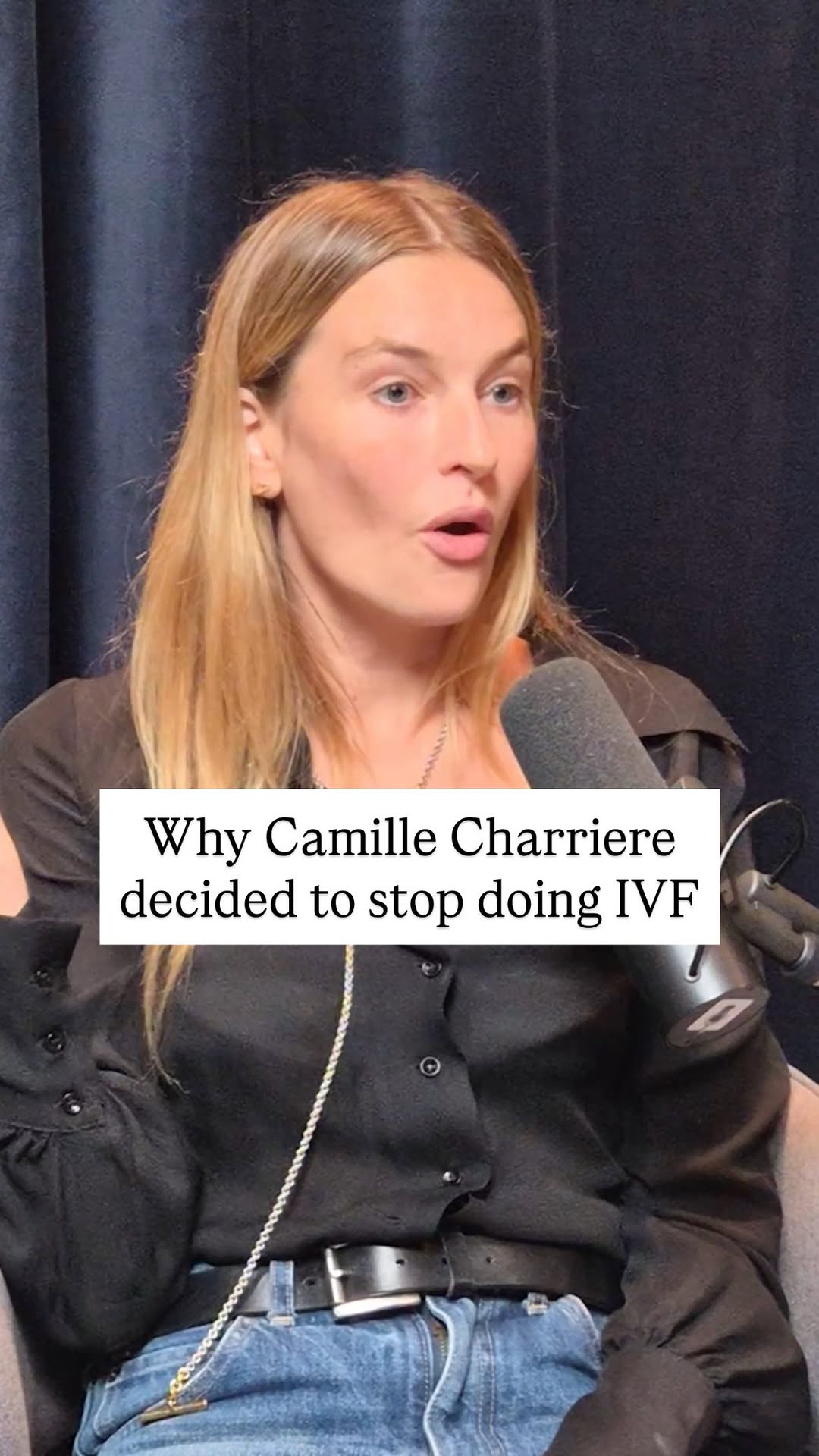
@shamelesspodcast Another very special In Conversation episode and this time it’s with the wonderful Camille Charriere. Now live on your favorite podcast app!

@shamelesspodcast
Instagram · Clip
@shamelesspodcast Another very special In Conversation episode and this time it’s with the wonderful Camille Charriere. Now live on your favorite podcast app!
Performance
Video #3957 · Clip
[01]
The speaker, Camille Charriere, shares her personal and difficult experience with IVF, explaining why she and her husband decided to stop the treatment. She describes how the process emotionally broke her, despite having a successful life and career. She elaborates that she didn't want the all-consuming nature of IVF, with its frequent hospital visits and constant bad news, to overshadow the career she worked hard to build, and concludes by stating her motivation for sharing her story is to provide a voice for those in the uncertain middle of the IVF journey, as most public narratives focus only on successful outcomes.
[02]
[03]
 1.2MChanging views on having kids@callherdaddy · Vulnerable Monologue
 283.1K16.9×Creator explains surrogacy journey start@katherinegarbarino · Origin Story
 2M4.1×Emotional interview about book inspiration@callherdaddy · Vulnerable Monologue
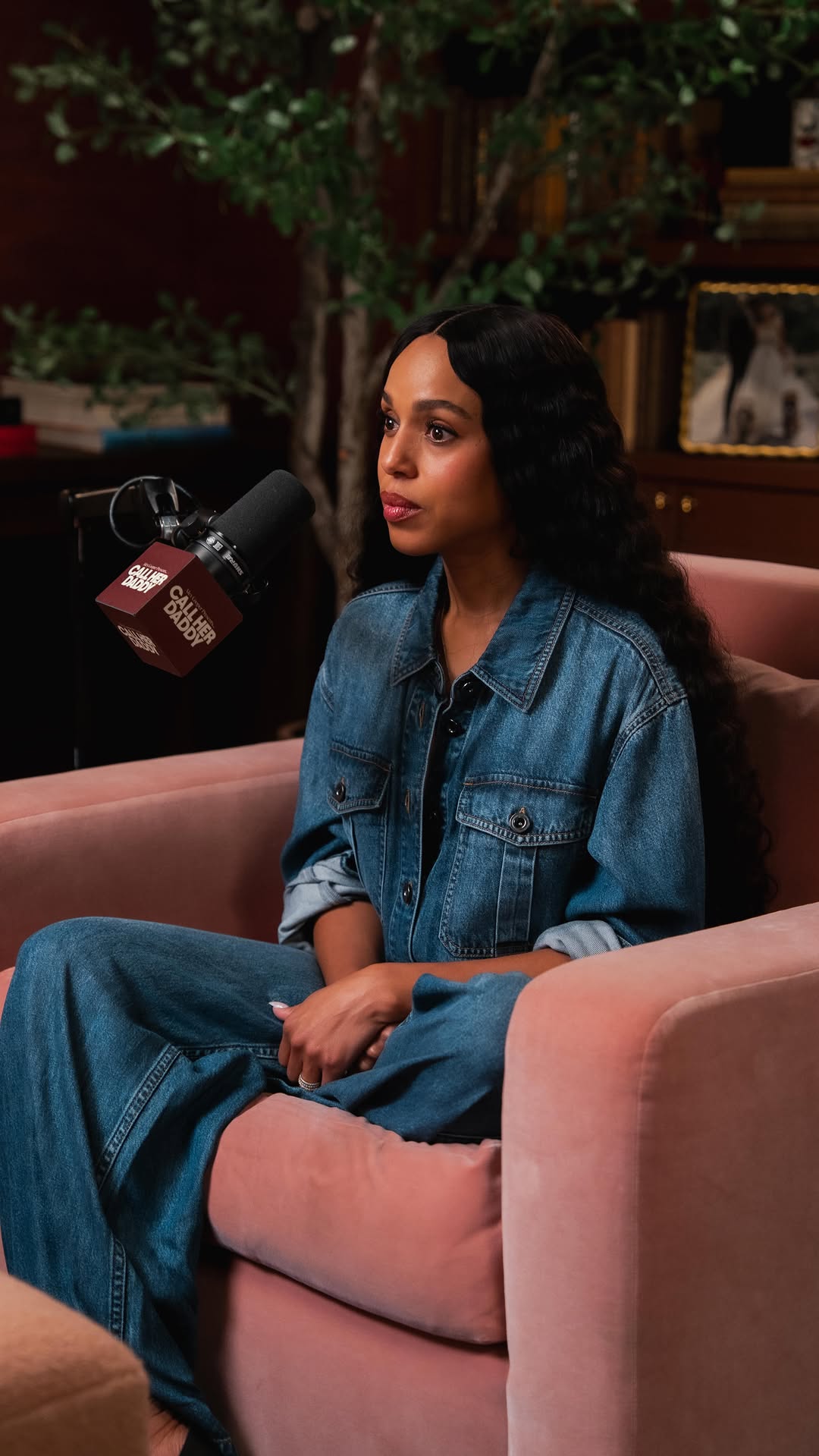 2.1M3.5×Emotional podcast interview clip@callherdaddy · Vulnerable Monologue
 1.1M8.5×Creator shares insecurity and action plan@chloe.shih · Vulnerable Monologue
 4.4M14.3×Relatable story about working motherhood@callherdaddy · Anecdotal Philosophy
 252.6K2.9×Interview clip on teen pregnancy shame@aspirewithemmagrede · Vulnerable Monologue
 147.8M10118.5×Personal story promotes company culture@novartis · Brand Manifesto
 122.4K1.9×Personal story career advice monologue@maggiesellers_ · Anecdotal Philosophy
 1M12×Podcast clip about career motivation@reikoslivingroom · Vulnerable Monologue
 476K6×Emotional podcast plea for donations@shamelesspodcast · Vulnerable Monologue
 176.4K43.6×Emotional story drives legislative change@bobbie · Origin Story
[04]
[05]
What stops the scroll in the first 3 seconds
Title hook · 65%
Why Camille Charriere decided to stop doing IVF
Verbal hook · 30%
I actually really, really struggled with it.
Visual hook · 5%
A medium close-up shot of a woman speaking earnestly into a professional studio microphone, establishing an intimate and serious tone for a high-quality conversation.
[06]
Steal this for your own video
Why I decided to stop
[07]
The promise the opener makes, and how the video pays it back
Hook
An immediate and vulnerable admission of a profound struggle, establishing high emotional stakes and creating instant relatability.
Payoff
The Purpose Statement: Framing the personal story within a larger context, explaining why sharing this specific, often unheard, perspective is important for others. This transforms a personal anecdote into a valuable piece of social commentary.
[08]
The structural pattern this video runs on
Framework
The Purpose-Driven Confession
A personal narrative that justifies a difficult, counter-intuitive decision by revealing the hidden emotional and practical costs, and concludes by framing the story as a necessary, underrepresented perspective.
The Paradox of Pain
Contrasting the internal struggle against a backdrop of external success to heighten the emotional stakes and create compelling cognitive dissonance.
The Point of No Return
Stating the core decision of the narrative clearly and definitively, answering the question posed by the hook.
The Life-Cost Calculation
Providing a rational justification for the emotional decision, weighing the sacrifices required against the potential outcome and personal values (e.g., career, identity).
The Process Deconstructed
Detailing the specific, negative mechanics of the experience to give concrete evidence for why the 'cost' was too high.
The Nuanced Perspective
Refining the speaker's position to add complexity and prevent misinterpretation, showing this wasn't a simple black-and-white choice.
Another very special In Conversation episode and this time it’s with the wonderful Camille Charriere. Now live on your favorite podcast app!
title · beginning
Why Camille Charriere decided to stop doing IVF
I actually really, really struggled with it. It really broke me in a way that I didn't think was possible at this time in my life when I best like I had so much going for me, like, you know, a really lovely husband, a career that was going well, all these things. Eventually, we just decided that I just didn't wanna do it anymore because I was like, I do want kids, but I don't want the years that I've, like you know, I've spent years, like, working so hard to build myself a career that I really love. And the second that things are getting interesting for me and then I'm actually getting to pick and choose, like, the projects I work on and to do interesting things, I'm now having to worry about, you know, being in the hospital every other day. And and and just the thing about IVF is that it's so many instances of bad news that you end up like almost being you're bogged down by it. Like it's the only thing you can think about tier actually like even in when you're very keen to have a child. I'm not like thinking about it, like, all day better day. It's not something that, like, sort of is in my mind all the time. The reason I wanted to write about it is because I think we get a lot of stories of when it's been successful. People who have either stopped doing it because they've decided I don't want kids anymore or because they've had a child. And I was like, I would like to, you know, be able to share whilst in the throes of it and and that, like, uncertainty, which is just so difficult to to live with.