Viral Hooks
Trending short videosExplaining a philosophical ecology concept
V

@var.aunevik

Instagram · Talking Head Edit
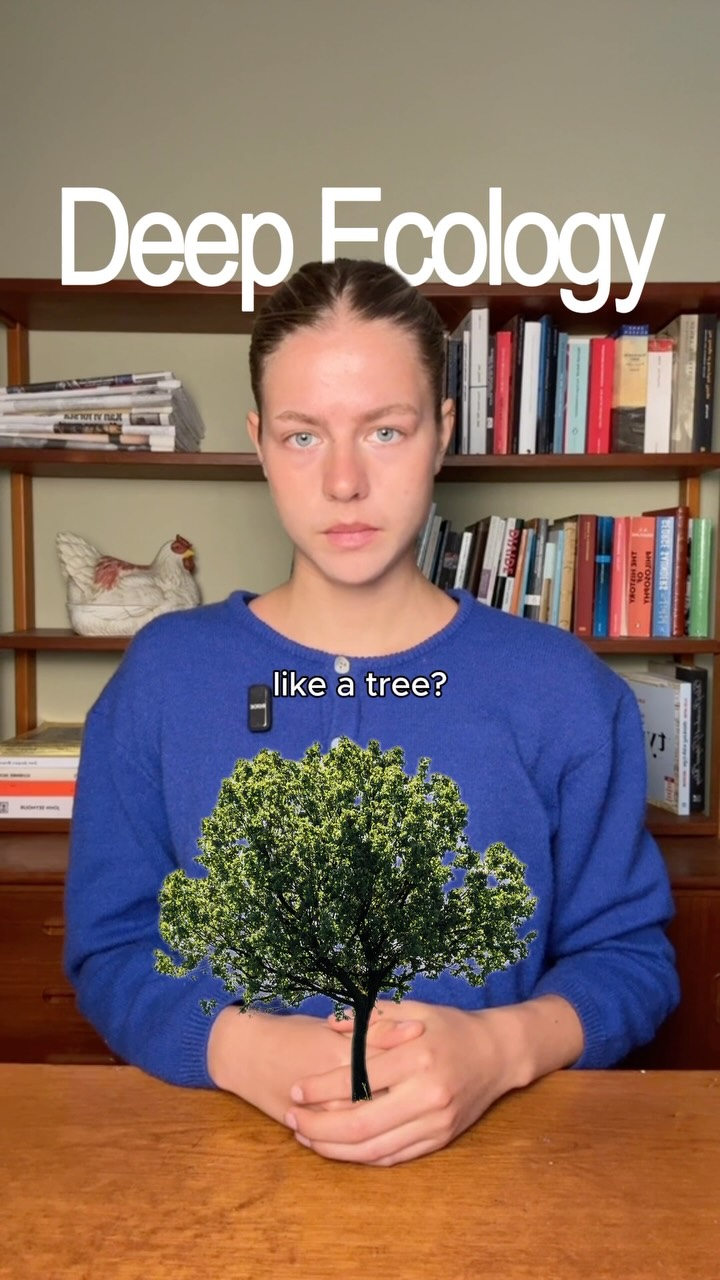
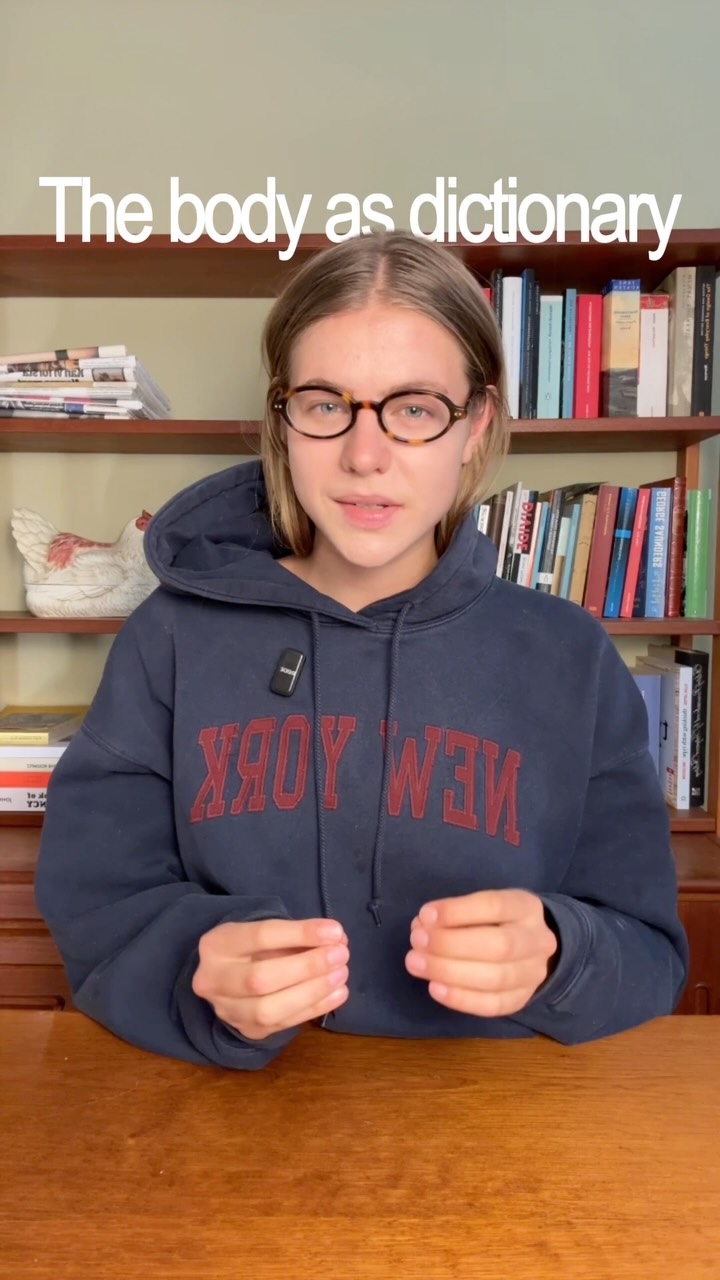
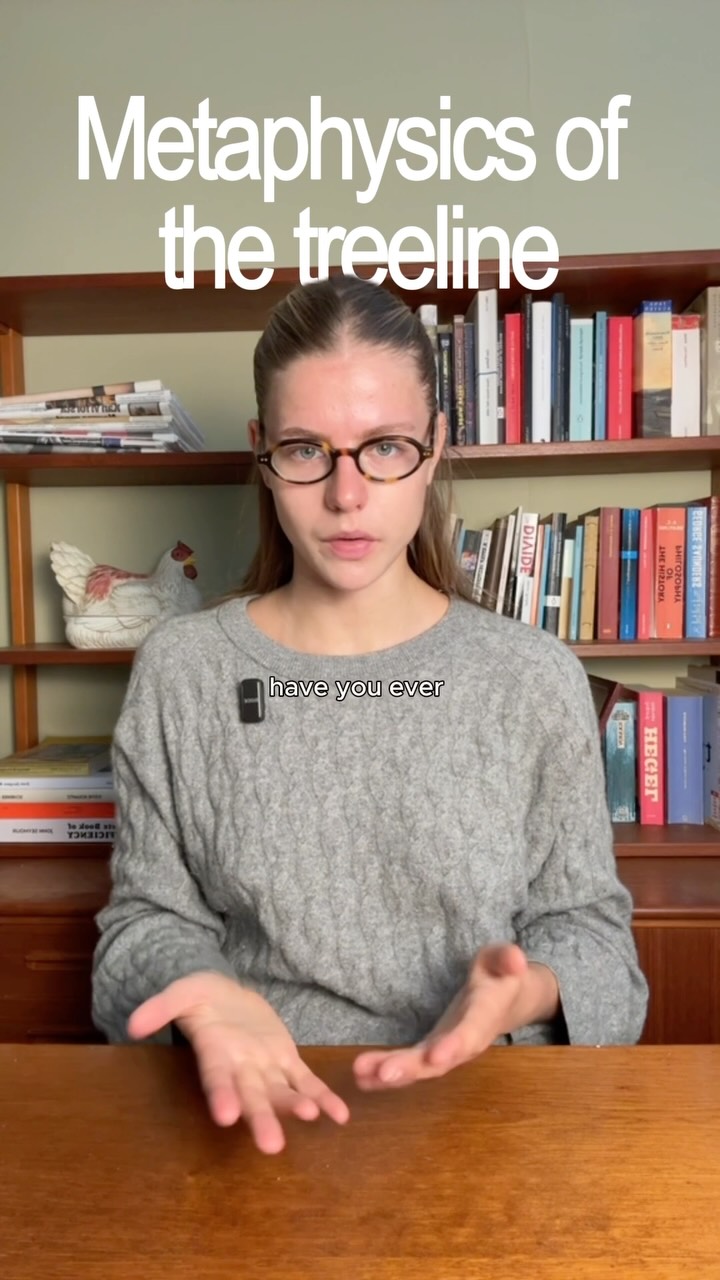
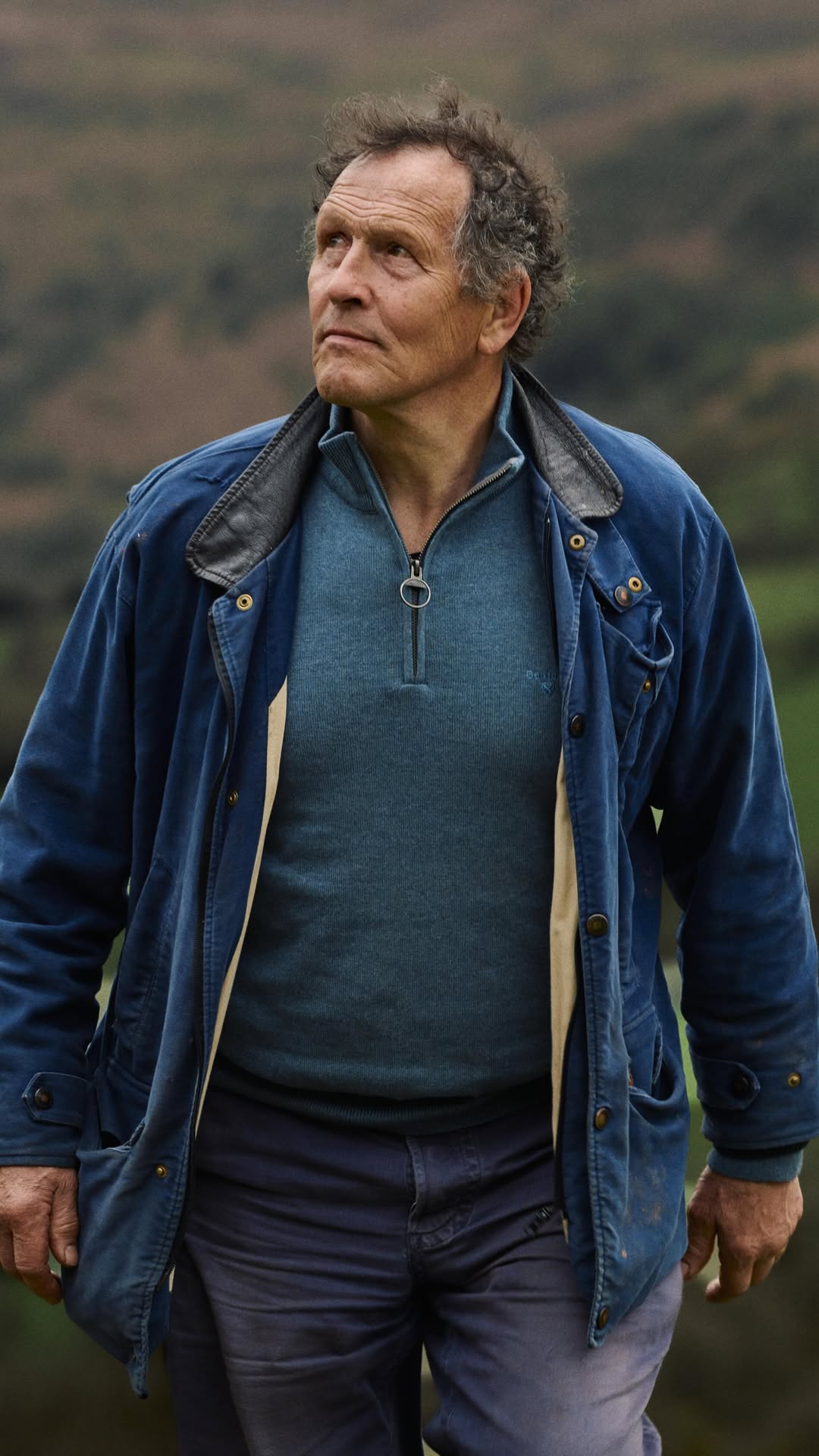
@var.aunevik Do you feel like a tree? Not actually like a tree, But like, if something happened to the trees in a forest, would it feel like something happened to you? The Norwegian philosopher Arne Næss coined the term “deep ecology”. It is opposed to “shallow ecology”, which focuses on how we can make growth look green, or how we can continue our normal lives but with fewer emissions. Deep ecology, however, focuses on what kind of life is worth living on a finite planet, and what happens when we treat everything that isn’t human as a resource. “Your motivation comes from your total view,so that when you’re working in favour of free nature, you feel you’re working for something within your “self” that demands it. You’re motivated from what I call deeper premises.”” For Næss, deep ecology was about widening your sense of self until “you” includes the forest, the river, every species you’re entangled with. self-realization beyond the human ego If you are interested in learning more about Arne Næss (he was a funny and really interesting guy), I think this interview is a great place to start: https://web.archive.org/web/20110727112722/http://www.naturearteducation.org/Interview_Arne_Naess_1995.pdf
View original on Instagram

The edit1 shot · 5 text
Shots Text0:57

Performance

Views
302.7K
Likes
22.8K
Comments
139
Engagement
7.6%
Outlier
9.1×
Length · 21 Aug 2026
0:57

Video #39877 · Talking Head Edit

Explaining a philosophical ecology conceptfrom @var.aunevik

[01]

Overview

The creator explains the philosophical concept of 'Deep Ecology,' starting with a provocative question about feeling connected to nature. She introduces the term's originator, Arne Næss, and contrasts Deep Ecology with 'Shallow Ecology' using visual examples of greenwashing. The creator then uses a graphic and a direct quote to explain the core idea: widening one's sense of self to include all of nature, moving beyond a human-centric worldview.

[02]

Simple outline

  1. 1Pose provocative question
  2. 2Contrast two opposing ideas
  3. 3Champion the profound idea
  4. 4Conclude with a slogan

[03]

Related videos

[04]

Classification

Concepts
BreakdownWhat Is X?
Elements
B-Roll CutawayText OverlayGraphic Overlay

[05]

Hook analysis

What stops the scroll in the first 3 seconds

Title hook · 25%

Deep Ecology

Verbal hook · 60%

Do you feel like a tree?

Visual hook · 15%

A speaker addresses the camera, and a graphic of a tree suddenly appears in her hands, creating a visual pattern interrupt.

[06]

Hook template

Steal this for your own video

Do you ever feel like a [non-human thing]?

  • — Do you ever feel like a machine?
  • — Do you ever feel like a ghost?
  • — Do you ever feel like a statistic?

[07]

Hook and payoff

The promise the opener makes, and how the video pays it back

Hook

A disarming, philosophical, or slightly strange question that makes the viewer pause and question their own perspective, creating an immediate curiosity gap.

Payoff

The entire philosophy is condensed into a short, powerful, and memorable slogan or phrase that serves as the final takeaway, providing a sense of intellectual closure.

[08]

Narrative framework

The structural pattern this video runs on

Framework

The Philosophical Dichotomy

To introduce a complex or profound idea by first contrasting it with a more common, 'shallow' alternative, thereby making the core idea seem more significant and desirable to the viewer.

  1. 1

    The Empathetic Reframe

    The abstract hook is immediately clarified with a more concrete, relatable scenario that grounds the question in a potential shared experience.

  2. 2

    The Concept Reveal

    The core term or concept is formally introduced, often attributed to an authority figure to lend it credibility.

  3. 3

    The Foil Definition

    The concept is first defined by what it is not. A 'shallow' or less desirable alternative is presented, framing it as a superficial or status-quo approach.

  4. 4

    The Core Definition

    The video pivots to define the main concept in a positive, more profound light, framing it as a deeper, more meaningful way of thinking.

  5. 5

    The Foundational Principle

    A core tenet or quote from the authority is presented as evidence, explaining the 'why' behind the concept and connecting it to an internal, personal motivation.

  6. 6

    The Grand Unification

    The concept's scope is expanded to its ultimate conclusion, showing how it applies on a universal or all-encompassing scale and connecting back to the initial hook.

Themes

  • environmentalism
  • philosophy
  • interconnectedness
  • anti-consumerism

Techniques

  • direct address
  • contrast and comparison
  • visual aids

Trends

  • educational content
  • philosophy explainer

Post caption

Do you feel like a tree? Not actually like a tree, But like, if something happened to the trees in a forest, would it feel like something happened to you? The Norwegian philosopher Arne Næss coined the term “deep ecology”. It is opposed to “shallow ecology”, which focuses on how we can make growth look green, or how we can continue our normal lives but with fewer emissions. Deep ecology, however, focuses on what kind of life is worth living on a finite planet, and what happens when we treat everything that isn’t human as a resource. “Your motivation comes from your total view,so that when you’re working in favour of free nature, you feel you’re working for something within your “self” that demands it. You’re motivated from what I call deeper premises.”” For Næss, deep ecology was about widening your sense of self until “you” includes the forest, the river, every species you’re entangled with. self-realization beyond the human ego If you are interested in learning more about Arne Næss (he was a funny and really interesting guy), I think this interview is a great place to start: https://web.archive.org/web/20110727112722/http://www.naturearteducation.org/Interview_Arne_Naess_1995.pdf

Text overlays

  • title · beginning

    Deep Ecology

  • title · middle

    Shallow vs deep

  • informational · middle

    Your motivation comes from your total view or your philosophical, religious opinions, so that you feel, when you are working in favour of free nature, you are working for something within your self, that demands that, demands changes. So you are motivated from what I call 'deeper premises'.

  • contextual · middle

    Photo: Per Lochen / NTB via AFP

  • contextual · end

    from the documentary "The call of the mountain"

Transcript

Do you feel like a tree? Not actually a tree, but like if something happened to the trees in a forest, would it feel like something happened to you? The Norwegian philosopher Arden Best coined the term deep ecology. It is opposed to shallow ecology, which focuses on how we can make growth look green or how we can continue our normal lives, but with fewer emissions. Deep ecology, however, focuses on what kind of life is worth living on a finite planet, and what happens when we treat everything that isn't human as a resource. He said that your motivation comes from your total view, so that when you're working in favor of free nature, you feel like you're working for something within yourself that demands it. You're motivated from deeper premises. For Ness, deep ecology was about widening your sense of self until you includes the forest, the river, and every species you are entangled with. Self realization beyond the human ego.

Explaining a philosophical ecology concept | Viral Hooks