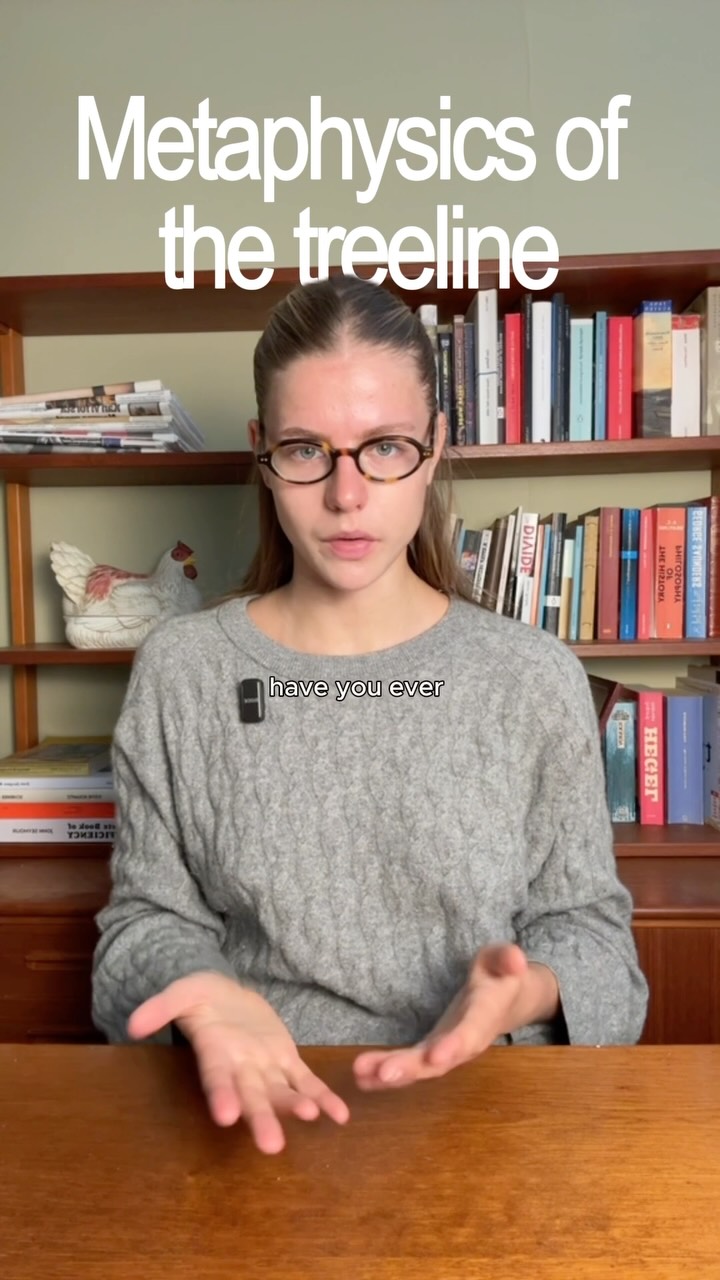
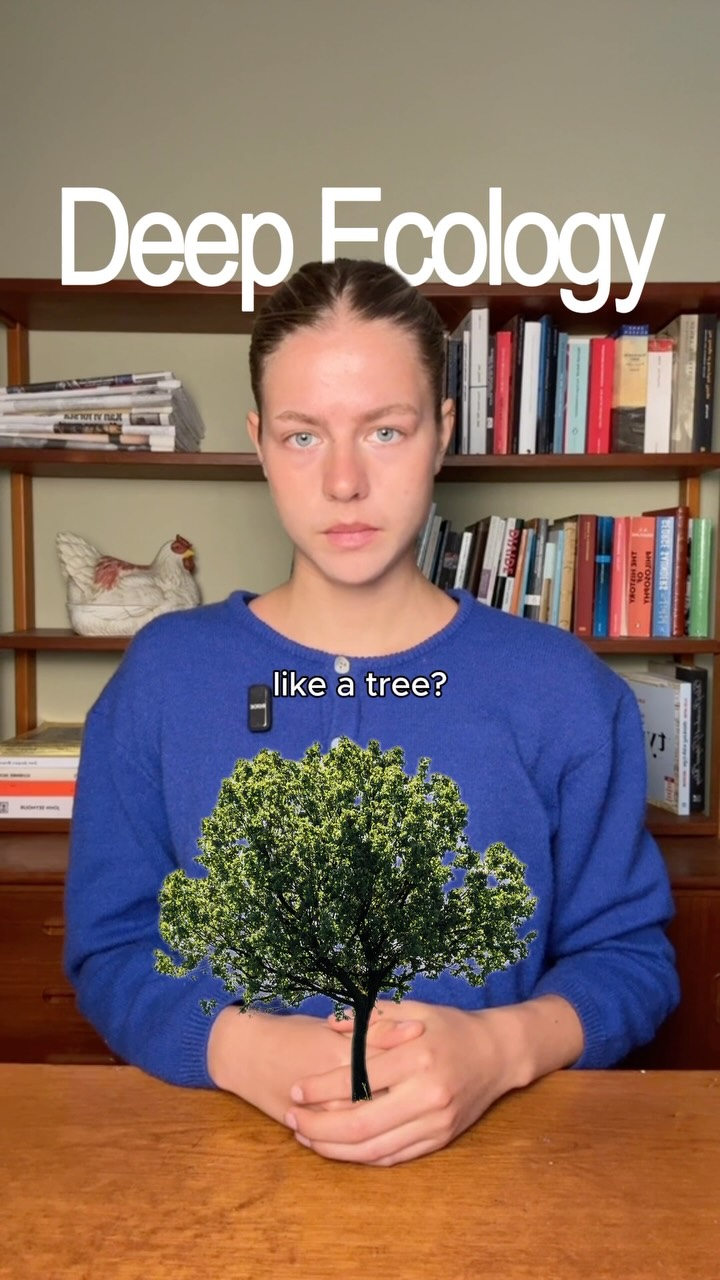
@var.aunevik The ‘metaphysics of the treeline’ is an article by Arne Næss which explores the idea that the landscape doesn’t just change in front of us (from dense forest to almost no trees at all), it changes us, and in doing so it shows us how tightly our sense of self is woven into the (natural) world. We might think we are merely observing the landscape, but the landscape is just as much shaping us, and the way we see ourselves.
Arne Næss also contrasts the wild treeline with artificial forestry. Straight rows of trees don’t create the same moment where ‘I’ and ‘nature’ stop feeling separate, even though they are also trees.
Read Arne Næss’s article: https://openairphilosophy.org/wp-content/uploads/2019/02/OAP_Naess_Metaphysics_Treeline.pdf
Philosophical concept explained with B-rollfrom @var.aunevik
[01]
Overview
The creator explains the philosophical concept of the 'metaphysics of the treeline' from philosopher Arne Næss. She defines the treeline, contrasts the feelings of being above and below it, refutes the idea that these feelings are purely subjective, and argues that humans are part of the landscape, which in turn shapes our sense of self.
Have you ever thought about the metaphysics of the tree line?
Visual hook · 5%
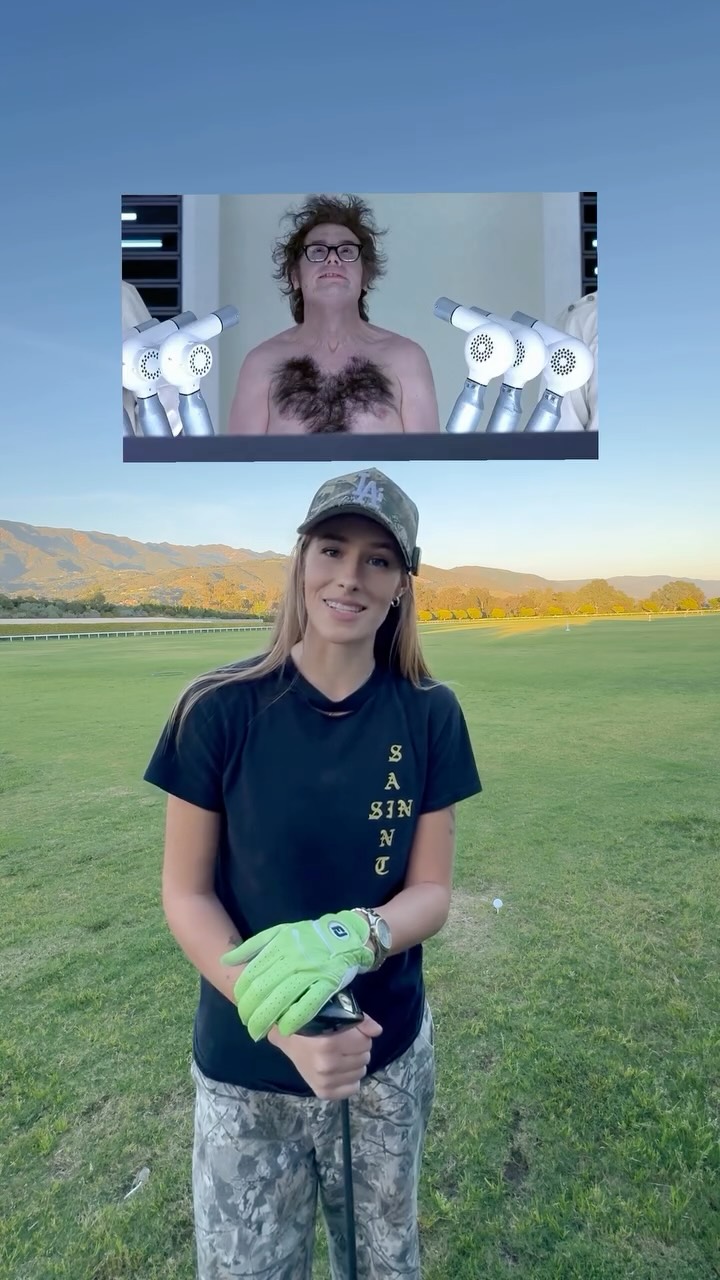
A medium shot of a speaker in an academic setting looking directly at the camera, which quickly cuts to a wide, scenic shot of a mountain treeline.
[06]
Hook template
Steal this for your own video
The [deeper concept] of [familiar thing]
— The psychology of a grocery aisle
— The physics of a soap bubble
— The economics of a coffee shop
[07]
Hook and payoff
The promise the opener makes, and how the video pays it back
Hook
The Esoteric Premise: Poses a high-concept question about a mundane subject ('Metaphysics of the treeline') to create an immediate curiosity gap and establish an intellectual tone.
Payoff
The Unified Reality: Delivers the new, integrated worldview as the conclusion. It explains that the subject and the observer are not separate but are mutually shaping one another, providing a satisfying 'aha' moment that reframes the initial experience.
[08]
Narrative framework
The structural pattern this video runs on
Framework
The Philosophical Reframe
To take a common experience, introduce a conventional explanation for it, and then deconstruct that explanation to reveal a deeper, more integrated reality, leading to a paradigm shift for the viewer.
1
The Duality of Experience
Grounds the abstract premise by describing two contrasting, emotionally-charged ways to experience the subject (below the treeline vs. above). This makes the concept tangible and relatable.
2
The Rational Objection
Anticipates and voices the most common, logical, or skeptical counter-argument ('this is all in your head'). This builds trust by acknowledging and validating the viewer's potential doubts.
3
The Foundational Reframing
Invalidates the objection not by arguing against it directly, but by dismantling the core assumption upon which it is built (the separation of self and landscape). This is the intellectual pivot of the narrative.
Themes
philosophy
nature
self-perception
ecology
Techniques
b-roll
direct address
philosophical explanation
Post caption
The ‘metaphysics of the treeline’ is an article by Arne Næss which explores the idea that the landscape doesn’t just change in front of us (from dense forest to almost no trees at all), it changes us, and in doing so it shows us how tightly our sense of self is woven into the (natural) world. We might think we are merely observing the landscape, but the landscape is just as much shaping us, and the way we see ourselves.
Arne Næss also contrasts the wild treeline with artificial forestry. Straight rows of trees don’t create the same moment where ‘I’ and ‘nature’ stop feeling separate, even though they are also trees.
Read Arne Næss’s article: https://openairphilosophy.org/wp-content/uploads/2019/02/OAP_Naess_Metaphysics_Treeline.pdf
Text overlays
title · beginning
Metaphysics of the treeline
contextual · middle
ARNE NAESS
contextual · middle
Metaphysics of the Treeline BY ARNE NAESS
Transcript
Have you ever thought about the metaphysics of the tree line? You know no point on a mountain where the trees stop growing? Me neither. But the Norwegian philosopher Arne Yes did. Below the tree line the forest can feel protective or like a wall closing you in. Above it the landscape opens up which can feel like freedom or like being dangerously exposed. Some would probably say that this is all in your head, that trees are trees and you're the one turning them into symbols. But Yes would say that that view assumes you're in here and the landscape is out there, but you were never outside the landscape to begin with. You were worse out there, best you were never outside the landscape to begin with. You worse always inside it. So the freedom or the fear that you feel above the tier line isn't just a private emotion projected onto a neutral mountain. It's an immediate experience of reality. Something that you feel before you divide the world into I and nature. You think that we are merely observing the landscape, but the landscape is also shaping how we see ourselves as protected, trapped, exposed, or free.
Philosophical concept explained with B-roll | Viral Hooks