Viral Hooks
Trending short videosExplains creator contract AI risks
H

@harnidhk

Instagram · Prop Yap
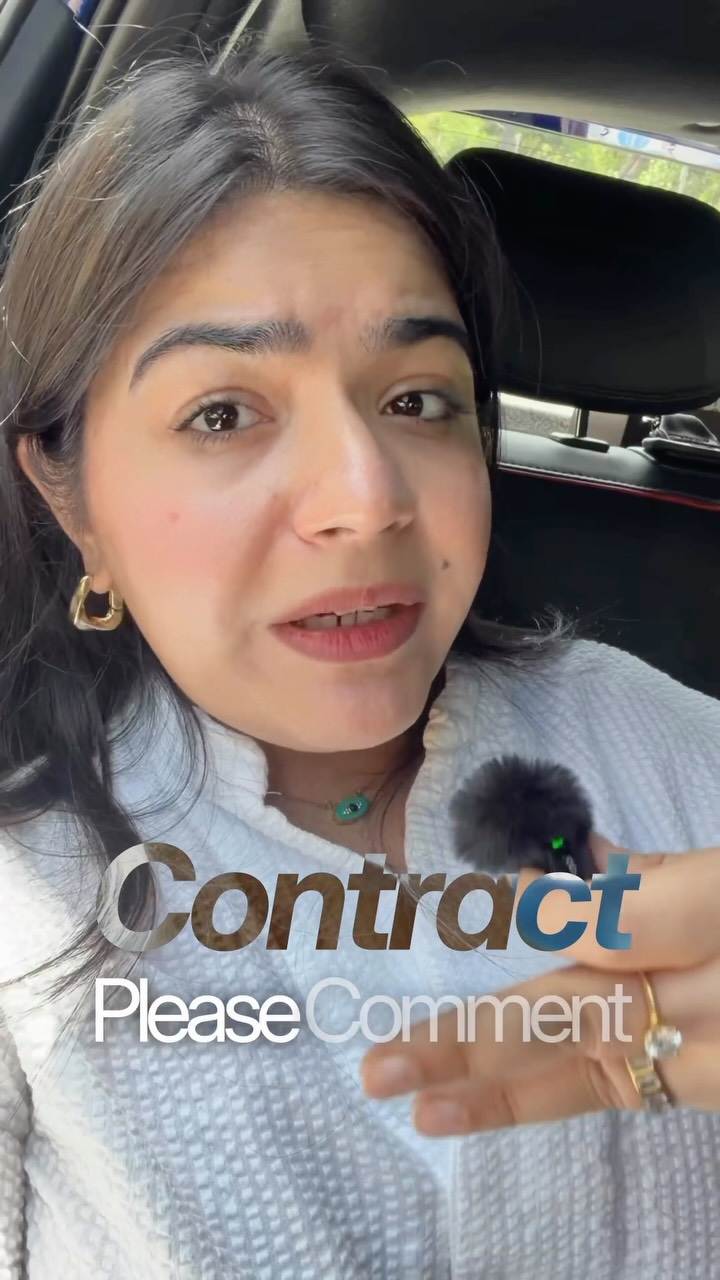
@harnidhk Please read the usage rights. Ask when they expire. Check whether “editing” includes generative AI, whether your files can be uploaded to outside tools, and whether the brand can create new content that looks or sounds like you. If you want the exact clause you can ask to add to your contracts, comment “CONTRACT” and I’ll send it to you. Use it as a negotiation starting point and have your manager or lawyer check it against the rest of the agreement. Reporting source: Bloomberg Law [creator contracts, influencer contracts, AI likeness rights, usage rights, model release, brand deals, digital replica, generative AI, image rights, voice cloning, synthetic media, contract negotiation, creator economy, influencer marketing, content creators India]
View original on Instagram

The edit1 shot · 12 text
Shots Text2:48

Performance

Views
122.3K
Likes
10.2K
Comments
28
Engagement
8.4%
Outlier
10.6×
Length · 8 Sept 2026
2:48

Video #42310 · Prop Yap

Explains creator contract AI risksfrom @harnidhk

[01]

Overview

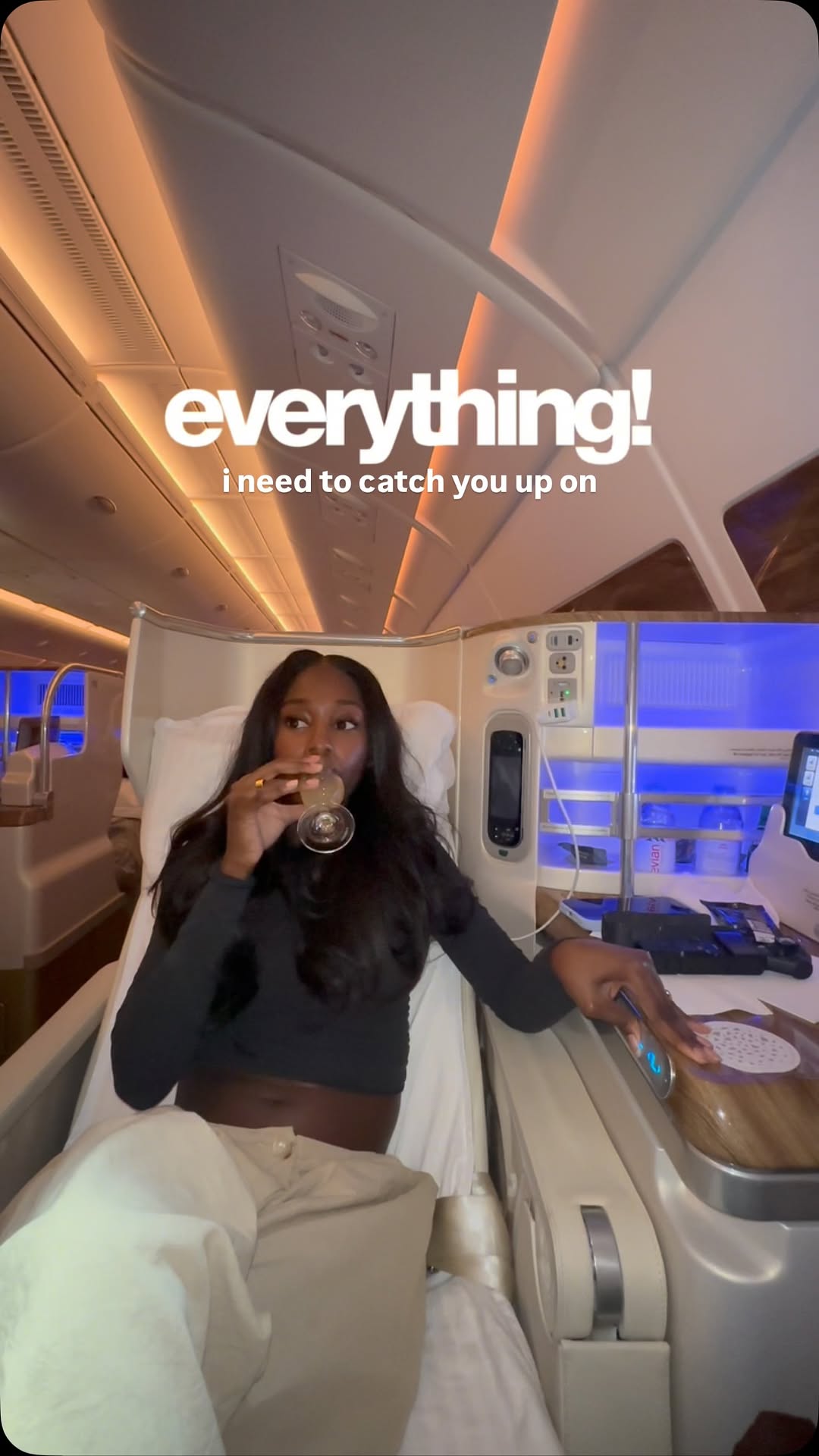
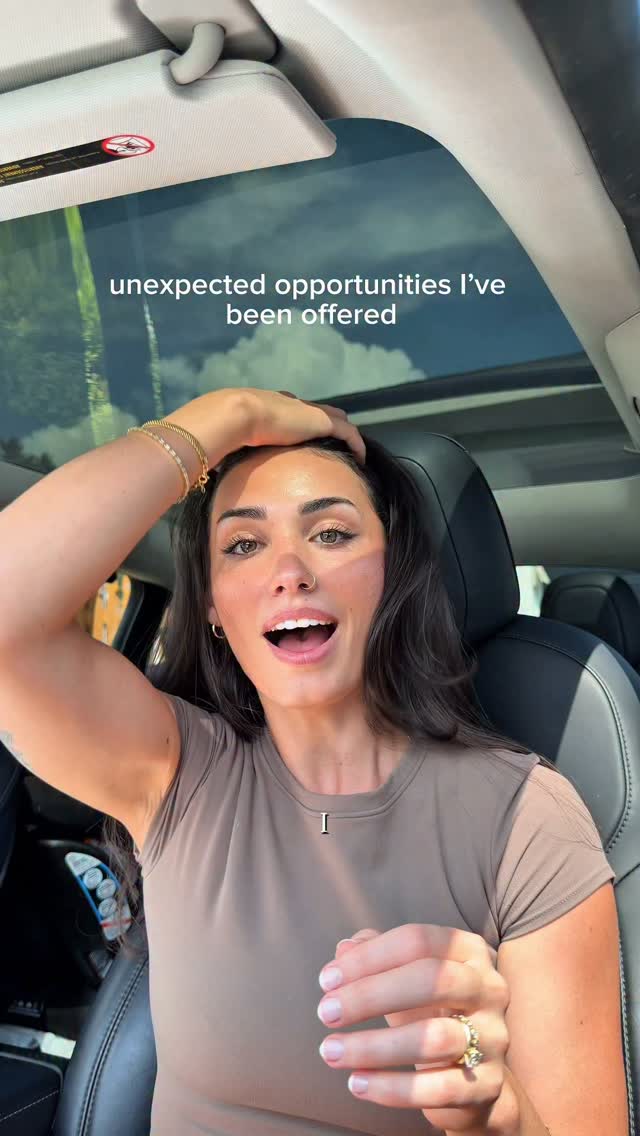
The creator, speaking directly to the camera from her car, warns fellow creators about the hidden dangers in brand contracts related to AI and image rights. She starts with a provocative question about brands using a creator's likeness forever, then clarifies that broadly written clauses using words like "alter" can give brands extensive rights. She explains the concept of a "release" in a contract, contrasts normal editing permissions with the new possibilities of generative AI, and uses the real-world case of model Francheska Pujols to illustrate how a creator's image can be manipulated and reused in ways they never agreed to.

[02]

Simple outline

  1. 1State an alarming possibility
  2. 2Immediately debunk it
  3. 3Reveal the subtle, true danger
  4. 4Provide a validating case study

[03]

Related videos

[04]

Classification

Format
Concepts
Opportunity Explainer
Elements
B-Roll CutawayImage OverlayJump CutText OverlayTitle Text Hook

[05]

Hook analysis

What stops the scroll in the first 3 seconds

Title hook · 35%

Brand forever Did You Know

Verbal hook · 60%

Did you know that when a brand pays you for one reel, it can keep making ads with your face forever?

Visual hook · 5%

An intimate close-up shot of the creator's face with a concerned and questioning expression, filmed in the candid setting of a car, immediately creating intrigue and a sense of urgency.

[06]

Hook template

Steal this for your own video

Did you know that when a brand pays you for [one-time deliverable], they could legally [unexpected ongoing consequence] forever?

  • — Did you know that when a brand pays you for one photo shoot, they could legally clone your face forever?
  • — Did you know that when a client pays you for one logo design, they could legally resell it forever?
  • — Did you know that when a label pays you for one feature, they could legally sample your voice forever?

[07]

Hook and payoff

The promise the opener makes, and how the video pays it back

Hook

A provocative, high-stakes question designed to trigger fear or disbelief in a specific audience, compelling them to learn the answer.

Payoff

Validate the entire argument with a specific, named case study or real-world example, proving the threat is not theoretical but has already happened. This serves as the final, undeniable proof.

[08]

Narrative framework

The structural pattern this video runs on

Framework

The Hidden Loophole

To expose a common but misunderstood danger by first presenting an exaggerated version, debunking it, and then revealing the more subtle and insidious real threat, validated by a specific case study.

  1. 1

    The Shocking Hypothesis

    Present an extreme, worst-case scenario as a 'Did you know?' fact to grab immediate attention.

  2. 2

    The Reassuring Debunk

    Instantly negate the extreme scenario to build trust and position the speaker as a reasonable, non-alarmist authority.

  3. 3

    The 'Except...' Pivot

    Re-introduce the tension by revealing a hidden loophole or nuance that makes a version of the threat real, shifting the focus from the obvious to the insidious.

  4. 4

    The Benevolent Expert

    Directly address the audience to state the value of the information being shared, framing it as crucial 'insider knowledge' they are being given for their own protection.

  5. 5

    The Foundational Context

    Explain the standard, commonly understood principle or mechanism that the loophole exploits. This establishes a baseline of normalcy.

  6. 6

    The Reasonable Concession

    Acknowledge the legitimate, non-threatening reasons for the standard principle to exist, demonstrating fairness and strengthening the core argument.

  7. 7

    The Paradigm Shift

    Introduce a new factor (e.g., a technology, a new rule) that fundamentally alters the meaning and risk of the standard principle.

  8. 8

    The Tangible Consequence

    Translate the abstract threat into a concrete, visceral, and undesirable outcome that the audience can easily visualize and fear.

Themes

  • Creator rights
  • Legal awareness
  • Technological disruption
  • Contract negotiation

Techniques

  • Direct address
  • Storytelling
  • Case study
  • Educational content

Trends

  • Creator education
  • AI impact on creative industries

Post caption

Please read the usage rights. Ask when they expire. Check whether “editing” includes generative AI, whether your files can be uploaded to outside tools, and whether the brand can create new content that looks or sounds like you. If you want the exact clause you can ask to add to your contracts, comment “CONTRACT” and I’ll send it to you. Use it as a negotiation starting point and have your manager or lawyer check it against the rest of the agreement. Reporting source: Bloomberg Law [creator contracts, influencer contracts, AI likeness rights, usage rights, model release, brand deals, digital replica, generative AI, image rights, voice cloning, synthetic media, contract negotiation, creator economy, influencer marketing, content creators India]
Text overlays

  • title · beginning

    Brand forever

  • title · beginning

    Did You Know

  • title · beginning

    Face Forever?

  • contextual · beginning

    Obviously Not

  • contextual · beginning

    So Broadly

  • informational · middle

    Ai

  • informational · middle

    Ordinary Word Alter

  • informational · middle

    Called A Release

  • informational · middle

    A Permission Slip

  • informational · middle

    Made Editing Very Broad

  • informational · end

    Entire Body A Pose

  • informational · end

    Francheska Pujols

Transcript

Did you know that when a brand pays you for one reel, it can keep making ads with your face forever? Well, no. Obviously not. Except some better contracts are written so broadly that brands can argue exactly that. And your contract may never even mention AI. It may use a far more ordinary word which is alter. Stay with me for a second because nobody taught me this, so I worst to teach you this. Somewhere in your brand contract, there will usually be something called a release. A release is essentially a permission slip. You are telling the brand that it can use your face, voice, photographs, and videos for advertisement. Usually, the brand also asks for permission to edit them, which makes sense. It might need to crop a photo, fix color, change the size of a video. That's fine. But AI has made editing a very, very broad worse. Because a brand can now take one picture of you, keep your face, change your entire body, put you in a pose you never did, and call it an edit. That's exactly what happened to a model named Francesca Puholz, who did a normal fashion

Explains creator contract AI risks | Viral Hooks