Video #48096 · Talking Head Edit
Explains creative technique with examplesfrom @jason_swet
The creator analyzes an advertisement for a Land Rover Defender to explain the art direction technique of "semantic compounding." He compares an image of the car made from passport stamps to a simple sketch, explaining how the former is more interesting because it combines the product with the concept of travel and adventure. He then defines the technique and showcases numerous other examples from various brands to illustrate its broad application before ending with a call to action to follow for more content on making meaningful visuals.
- 1Pose comparative question
- 2Deconstruct superior example
- 3Name the core technique
- 4Showcase varied examples
ConceptsCase Study BreakdownBreakdown
ElementsSide-by-Side Visual AidJump CutTitle Text HookFollow / Subscribe CTAImage OverlayVoiceover
[05]
Hook analysis
What stops the scroll in the first 3 seconds
Title hook · 30%
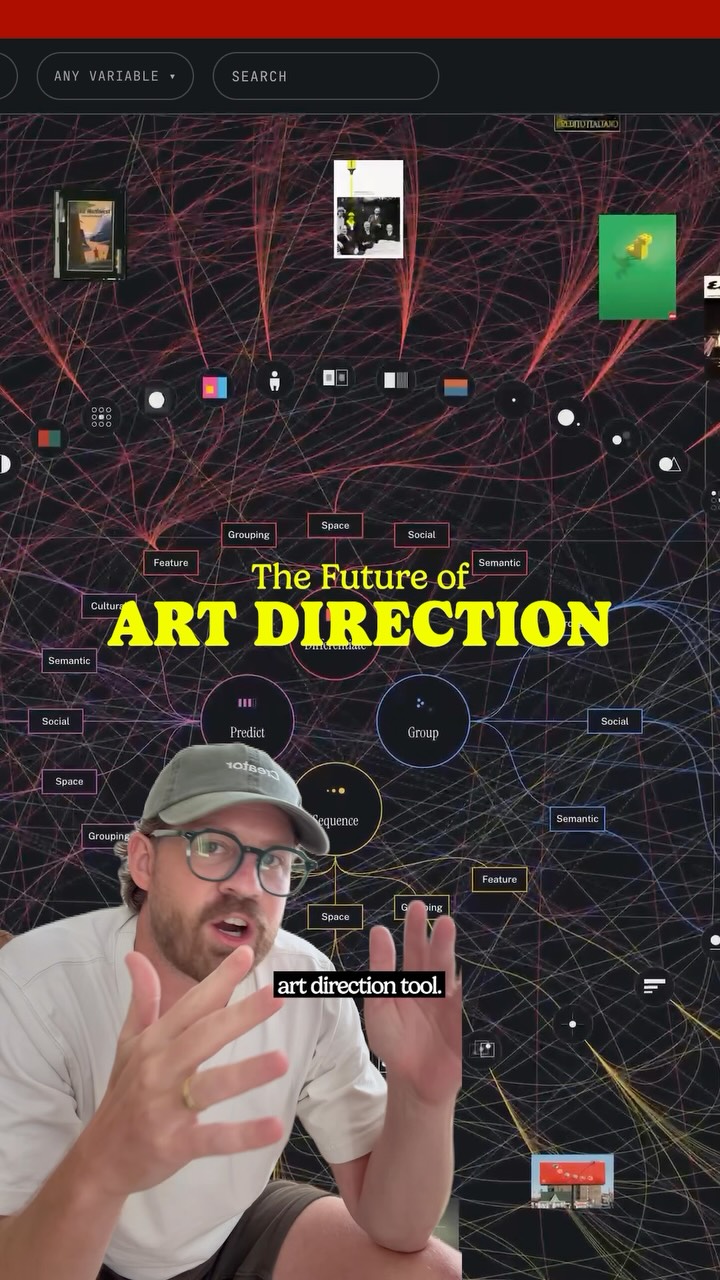
ART DIRECTION techniques
Verbal hook · 45%
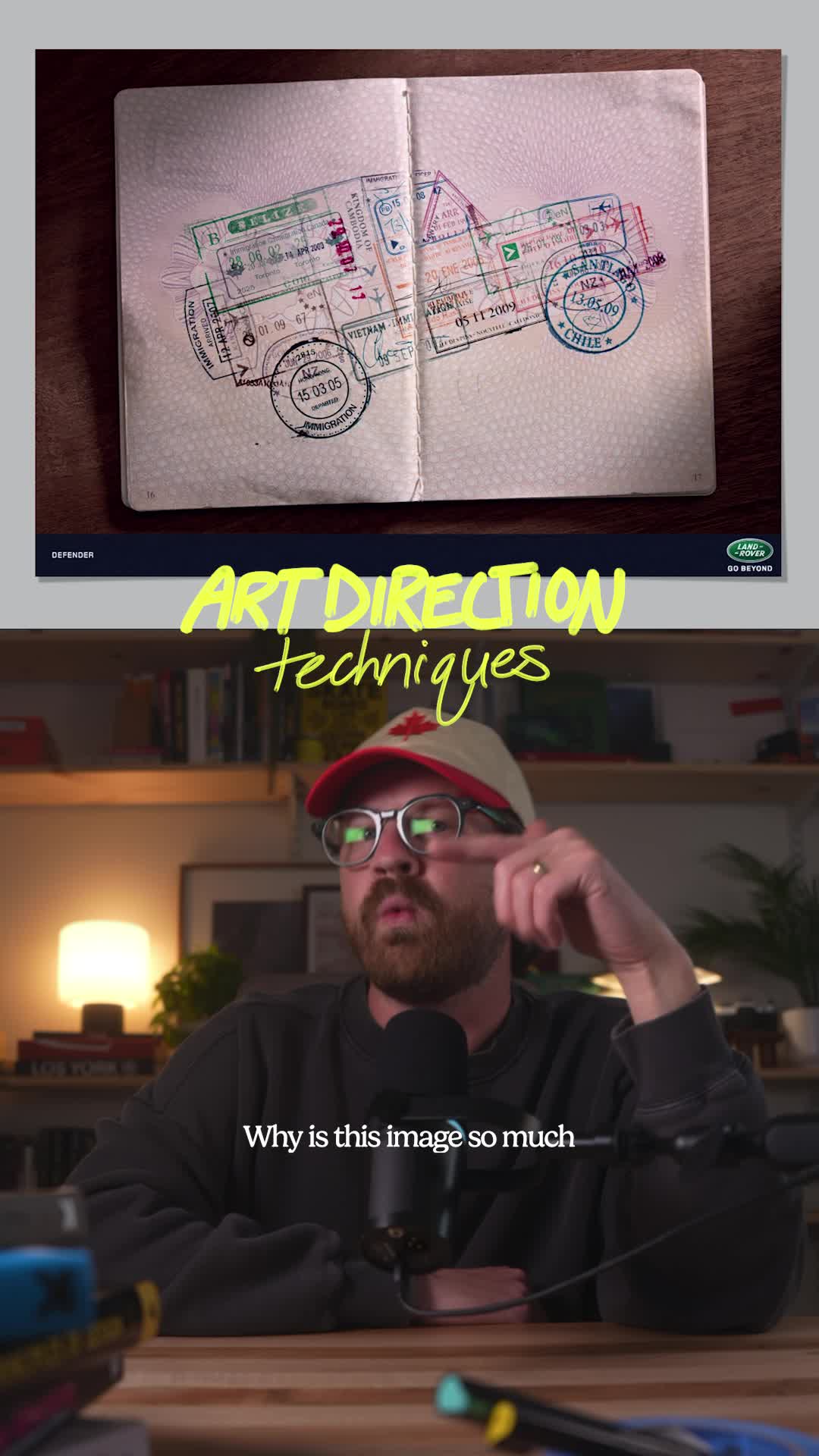
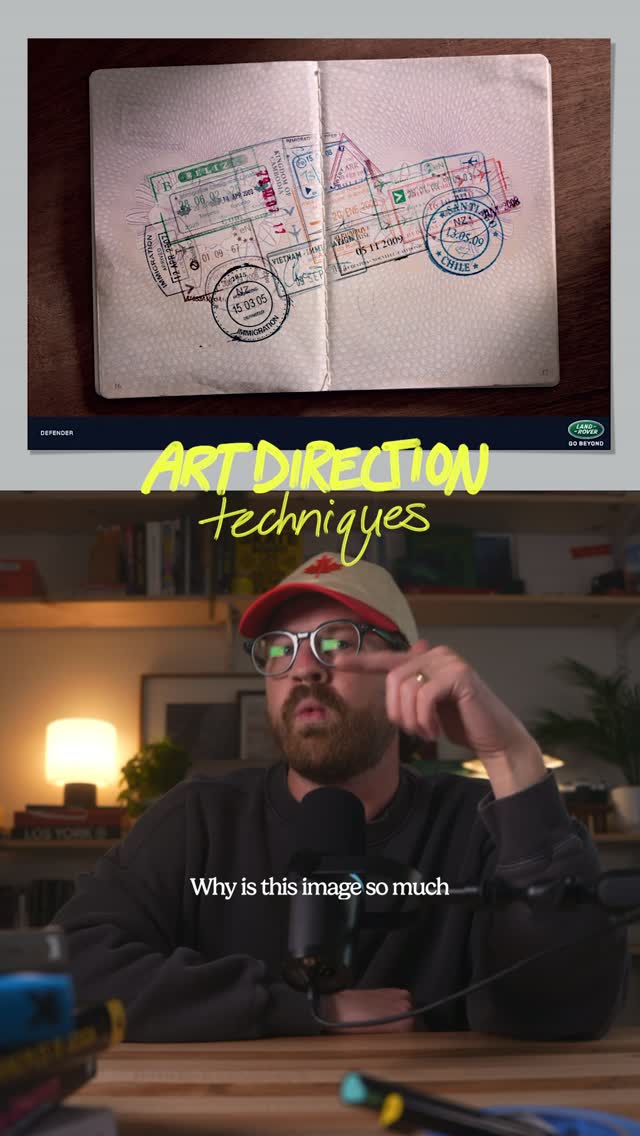
Why is this image so much more interesting than this one?
Visual hook · 25%
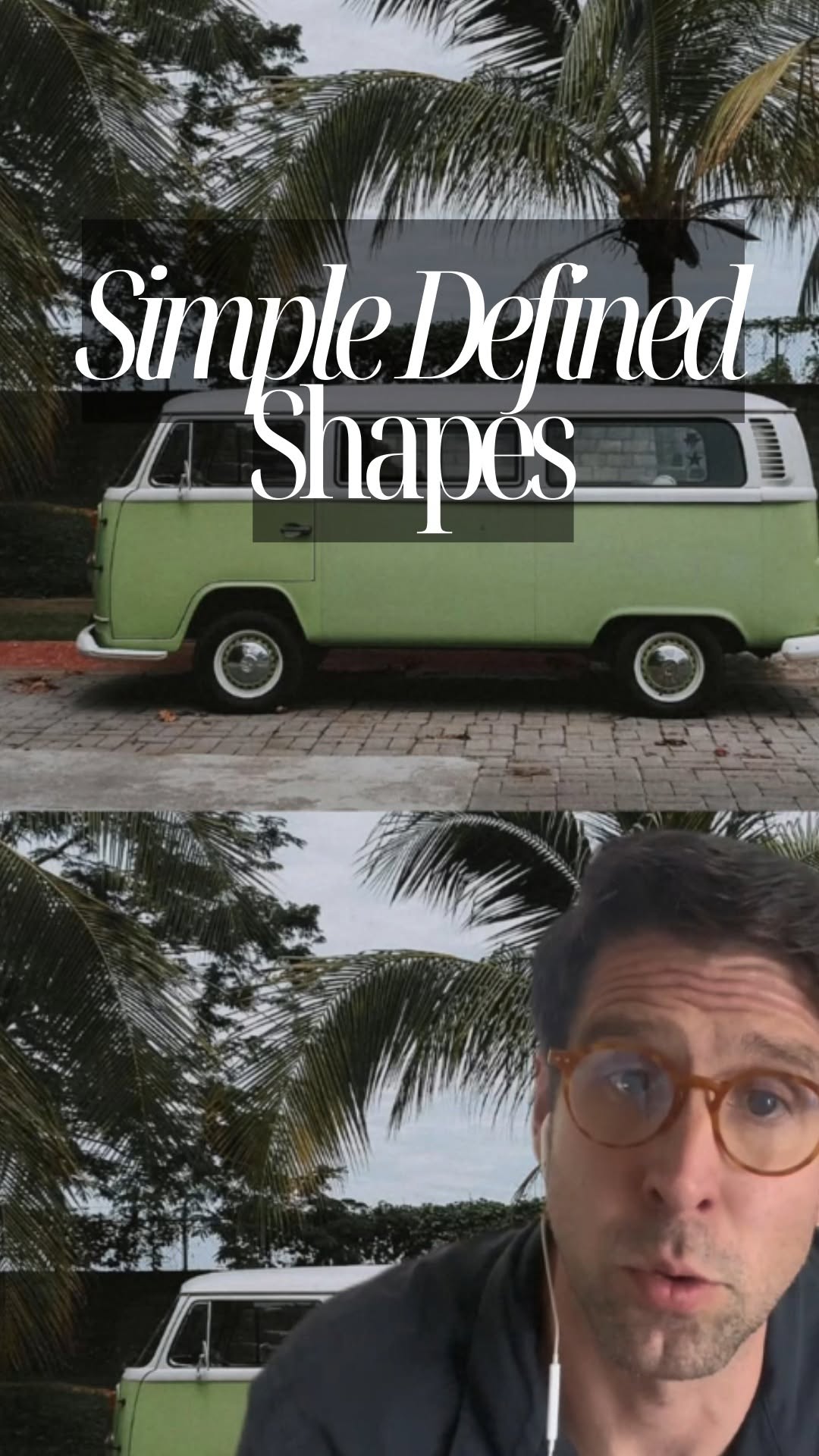
Split-screen format showing a visually complex image of a car made from passport stamps, immediately contrasted with a simple sketch.
[06]
Hook template
Steal this for your own video
Why is [the compelling version] so much more [interesting/effective/memorable] than [the boring version]?
- — Why is this image so much more interesting than this one?
- — Why is this three-ingredient pasta so much more craveable than this ten-ingredient one?
- — Why is this 8-second opening so much more gripping than this 30-second one?
[07]
Hook and payoff
The promise the opener makes, and how the video pays it back
Hook
A direct, comparative question that asks why one visual example is superior to another, creating an immediate knowledge gap and promising a valuable insight.
Payoff
A concluding statement that articulates the broader importance of the technique in a world of shallow content, followed by a call to action that invites the viewer to learn more, positioning the creator as a guide.
[08]
Narrative framework
The structural pattern this video runs on
Framework
The Concept Deconstruction
To establish authority and provide value by identifying a subtle but powerful technique, giving it a formal name, and proving its versatility through multiple examples.
- 1
The Conceptual Answer
Provide a high-level, abstract reason for the superiority, framing it as a difference in conceptual depth rather than just aesthetics.
- 2
The Dual-Function Analysis
Break down the superior example into its component parts, explaining how each part contributes to a larger, combined meaning.
- 3
The Proof by Subtraction
Reinforce the value of the core concept by showing what is lost when it is removed from the superior example, effectively proving the initial thesis.
- 4
The Formal Naming
Assign a formal, academic-sounding name to the technique being demonstrated. This codifies the observation into a teachable principle and elevates the creator's authority.
- 5
The Montage of Versatility
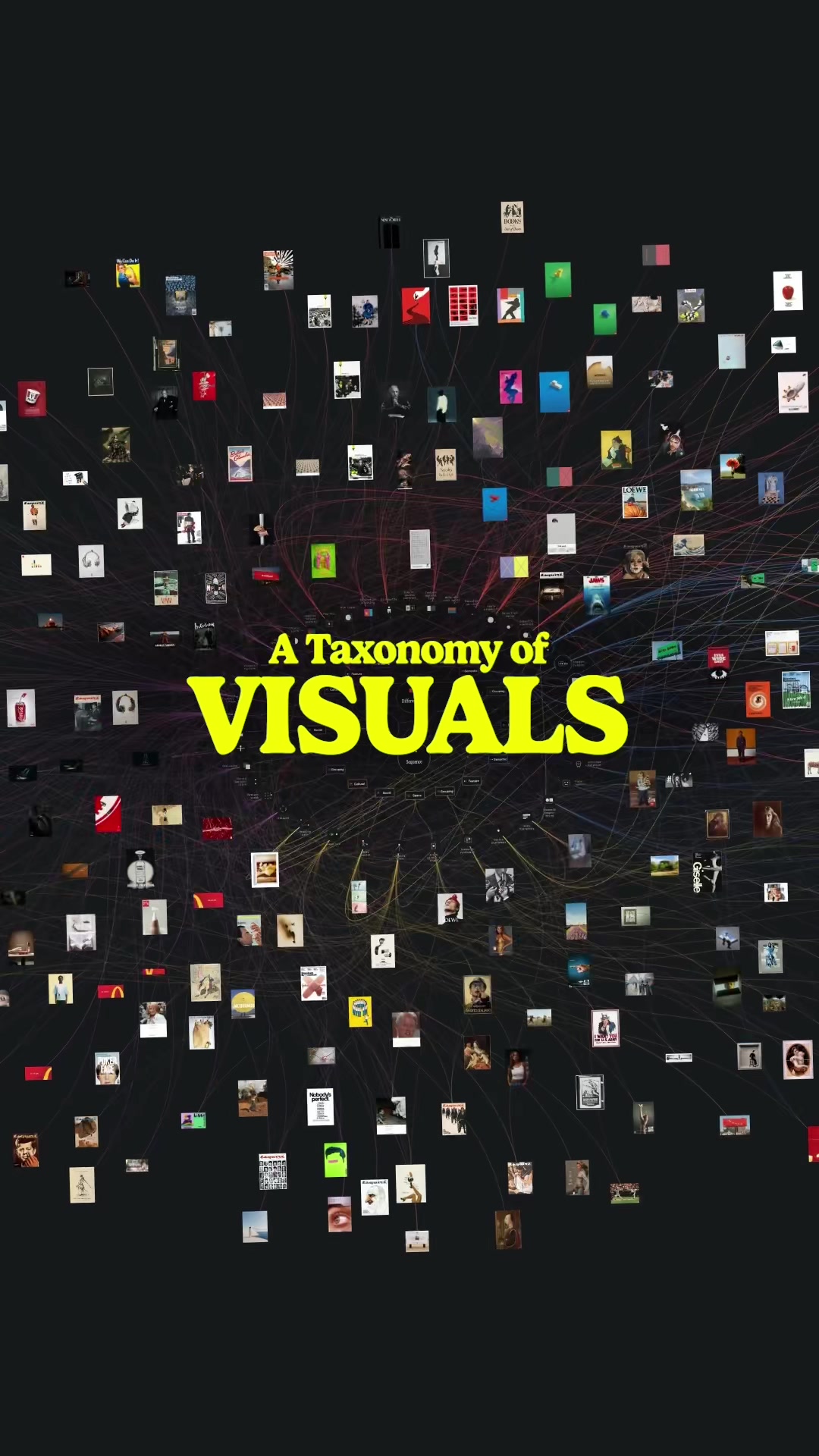
Display a rapid-fire sequence of visually diverse examples that all utilize the same core principle, proving its wide applicability and reinforcing the lesson.
Themes
- visual communication
- conceptual thinking
- creative strategy
Techniques
- split screen
- comparative analysis
Trends
- educational content
- deconstruction
Post caption
Combining different subjects into one image can make an idea even more powerful. That’s the power of this technique we can call semantic compounding.
In this Land Rover ad, passport stamps form the shape of the Defender, bringing the idea of travel and adventure into the car itself.
Remove the stamps and you can see how much of that idea disappears.
Image: Land Rover / RKCR/Y&R
Text overlays
title · beginning
ART DIRECTION techniques
Transcript
Why is this image so much more interesting than this one? Because it's communicating an actual idea or concept. These passport stamps are doing two jobs at once. Their shapes build the Land Rover Defender, but the stamps themselves bring to mind all these associations of travel and adventure. Look what happens when you remove associations of travel and adventure. Look what happens when you remove that. You just see the product better lose that connection to travel and journey. This technique can be called semantic compounding where different different subjects or symbols combine to communicate a bigger idea. There are endless examples of images using this same technique that good vastly vastly different, sometimes even mixing other techniques. We're inundated with visuals that don't actually say much, so I love techniques like this. Follow along if you want to learn how to make yours actually mean something.