Viral Hooks
Trending short videosMonologue refuting workplace myth
R

@robertlbarber

Instagram · Clip
@robertlbarber Why people often quit...it is not a mystery. Here are 10 questions leaders and organizations are often afraid to ask, but probably should. If you really want to have an impactful exit interview..... What did you learn about this organization after joining that you wish someone had warned you about before you accepted the job? Which leader had the most negative impact on your experience here and what did they do or fail to do? What behavior is rewarded here that leadership publicly claims it does not tolerate? When did you first start thinking about leaving, and what happened that made you stop believing things would improve? What are employees here afraid to say to senior leadership? Who or what gets protected in this organization even when it hurts performance, morale, or trust? Did you ever see someone succeed here because of politics, relationships, visibility, or loyalty rather than competence or results? What made you believe that? What percentage of your decision to leave is really about your manager or senior leadership, even if that isn’t the official reason you’re giving? If you became CEO tomorrow, which leader, policy, practice, or cultural norm would you address first and why? What would have to be true for you to actively warn a talented friend not to work here? Is any of that already true today?

View original on Instagram

The edit1 shot · 8 text
Shots Text0:36

Performance

Views
1M
Likes
29.3K
Comments
53
Engagement
2.9%
Length · 4 Sept 2026
0:36

Video #48200 · Clip

Monologue refuting workplace mythfrom @robertlbarber

[01]

Overview

The speaker refutes the common belief that high performers quit due to burnout, arguing instead that they leave because they are fed up with organizational friction, incompetence, and poor leadership. He explains that these top employees get tired of carrying the weight for coasting colleagues and seeing standards drop, ultimately opting out when they lack a clear path and strong leadership.

[02]

Simple outline

  1. 1State common misconception
  2. 2Forcefully refute and state thesis
  3. 3List specific frustrations
  4. 4Deliver counter-intuitive conclusion

[03]

Related videos

[04]

Classification

Format
Concepts
Hot Take
Elements
Dynamic Word-by-Word CaptionsPodcast Setup

[05]

Hook analysis

What stops the scroll in the first 3 seconds

Title hook · 50%

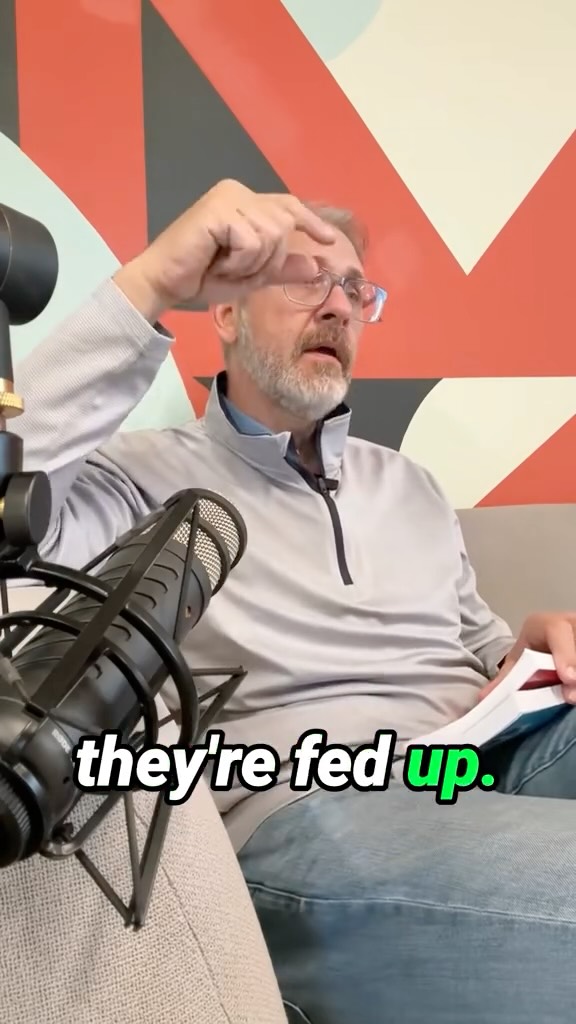
People love to say high performers leave because they're burned out.

Verbal hook · 50%

People love to say high performers leave because they're burned out.

Visual hook

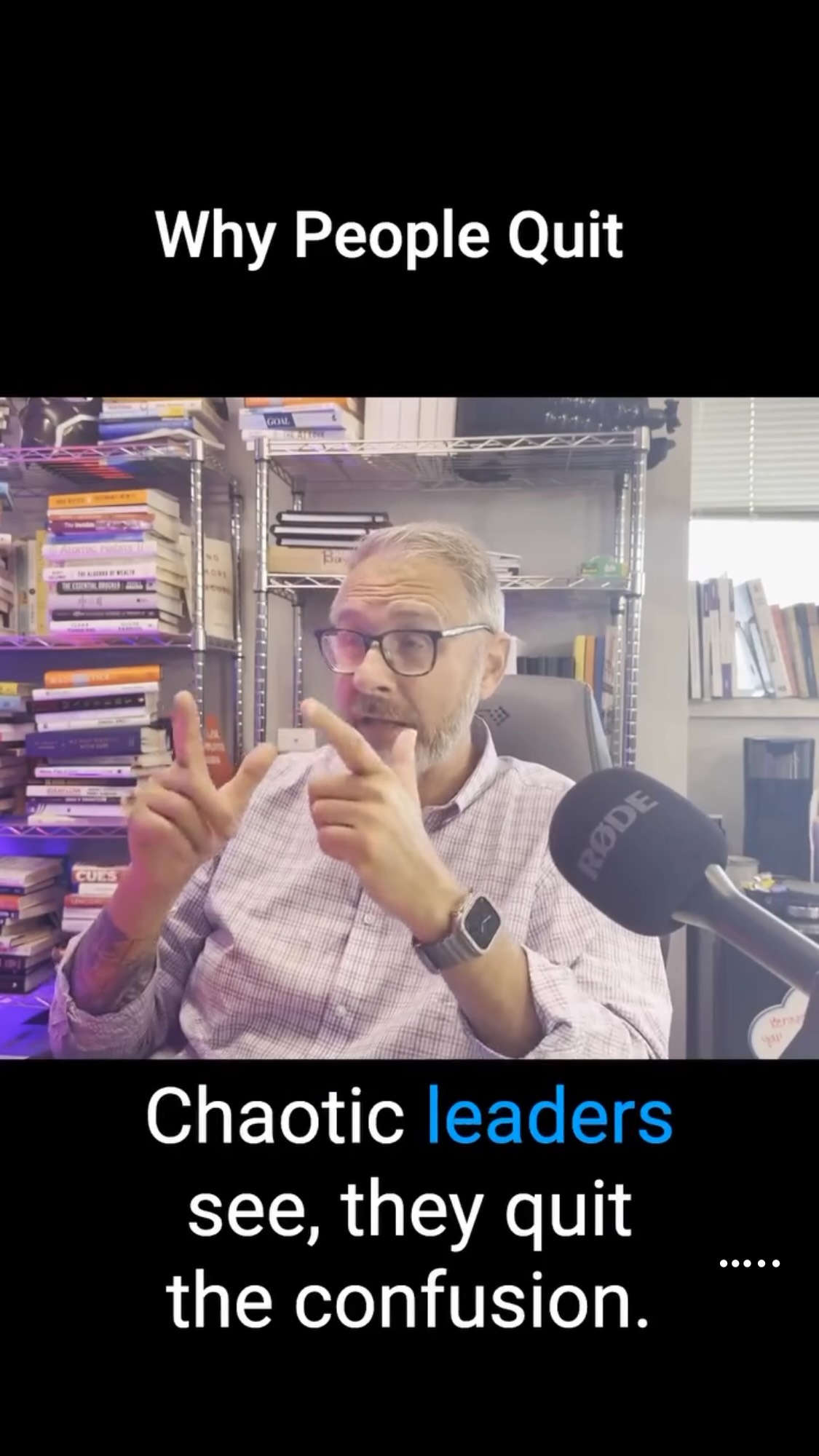
A medium shot of a speaker in a professional podcast setup with a prominent microphone, using expressive hand gestures to emphasize his point.

[06]

Hook template

Steal this for your own video

People love to say [common explanation everyone repeats].

  • — People love to say your gym progress stalled because you're not training hard enough.
  • — People love to say small businesses fail because of bad marketing.
  • — People love to say teenagers act out because of too much screen time.

[07]

Hook and payoff

The promise the opener makes, and how the video pays it back

Hook

State a widely-held, but flawed, belief about a specific topic to create immediate audience recognition and set up a contrarian argument.

Payoff

Delivers a memorable, paradoxical statement that inverts the initial premise. It concludes the argument not by confirming the common myth was wrong, but by revealing the reality is the complete opposite, providing a satisfying 'aha' moment. (e.g., '...not because the bar is too high, but because the bar keeps getting negotiated down.')

[08]

Narrative framework

The structural pattern this video runs on

Framework

The Myth-Buster Reframe

To debunk a common belief by presenting a more nuanced, counter-intuitive truth, thereby validating the audience's unspoken frustrations and positioning the creator as an expert.

  1. 1

    The Common Myth

    Presents a popular, oversimplified explanation for a common problem, establishing a familiar starting point for the audience. (e.g., 'People love to say high performers leave because they're burned out.')

  2. 2

    The Hard Pivot

    Immediately and forcefully negates the common myth with a simple, direct refutation, then introduces the core thesis of the video. This creates a knowledge gap and promises a deeper truth. (e.g., 'No. They leave because they're fed up.')

  3. 3

    The True Culprit Diagnosis

    Redefines the problem by shifting the focus from the obvious symptom to the underlying systemic issues. It clarifies what the subject is *not* rejecting versus what they *are* rejecting. (e.g., 'High performers don't quit the work, they quit the friction...')

  4. 4

    The Frustration Litany

    Provides a rapid-fire list of specific, relatable examples that prove the systemic issues are the real problem, adding credibility and emotional weight to the argument. (e.g., '...tired of carrying the load...tired of standards dropping...')

  5. 5

    The Unmet Need

    Articulates the simple, fundamental desires of the group being discussed, framing them as reasonable and justified. (e.g., 'High performers want a clear lane. They want a clear leader.')

Themes

  • Leadership
  • Accountability
  • Work Ethic

Techniques

  • Direct address
  • Myth-busting

Trends

  • Podcast clip repurposing

Post caption

Why people often quit...it is not a mystery. Here are 10 questions leaders and organizations are often afraid to ask, but probably should. If you really want to have an impactful exit interview..... What did you learn about this organization after joining that you wish someone had warned you about before you accepted the job? Which leader had the most negative impact on your experience here and what did they do or fail to do? What behavior is rewarded here that leadership publicly claims it does not tolerate? When did you first start thinking about leaving, and what happened that made you stop believing things would improve? What are employees here afraid to say to senior leadership? Who or what gets protected in this organization even when it hurts performance, morale, or trust? Did you ever see someone succeed here because of politics, relationships, visibility, or loyalty rather than competence or results? What made you believe that? What percentage of your decision to leave is really about your manager or senior leadership, even if that isn’t the official reason you’re giving? If you became CEO tomorrow, which leader, policy, practice, or cultural norm would you address first and why? What would have to be true for you to actively warn a talented friend not to work here? Is any of that already true today?
Text overlays

  • title · beginning

    People love to say high performers leave because they're burned out.

  • informational · beginning

    No, they leave because they're fed up.

  • informational · middle

    High performers don't quit the work.

  • informational · middle

    They quit the friction, the incompetence, the chaos, and.

  • informational · middle

    The leaders that refuse to lead, basically, they get tired of carrying the load while everyone else is coasting.

  • informational · middle

    They get tired of standards dropping because one lone performer is allowed to stay.

  • informational · end

    High performers want a clear lane. They want a clear leader.

  • informational · end

    When they don't get either, they're gonna opt out, not because the bar is too high, but because the bar keeps getting negotiated down.

Transcript

People love to say high performers leave because they're burned out. No. They leave because they're fed up. High performers don't quit the worse. They quit the friction, the incompetence, the the chaos in the leaders that refuse to lead, basically. They get tired of carrying the load while everyone else is coasting. They get tired of standards dropping because one lone performer is allowed to stay. High performers want a clear lane. They want a clear leader. When they don't get either, they're gonna opt out, not because the bar is too high, but because the bar keeps getting negotiated down.

Monologue refuting workplace myth | Viral Hooks