@sheenazadeh
TikTok · Yap
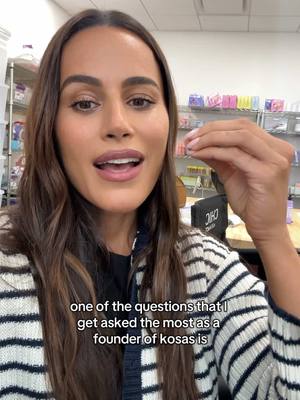
@sheenazadeh why “Kosas” and what does it mean?💛

@sheenazadeh
TikTok · Yap
@sheenazadeh why “Kosas” and what does it mean?💛
Performance
Video #11273 · Yap
[01]
Sheena Zadeh answers a common question about the origin of the name 'Kosas,' explaining its roots in the Sanskrit concept of 'Koshas' or layers of the self. She transitions this etymology into a broader brand manifesto, contrasting her philosophy of makeup as self-expression against the corrective beauty standards of the 80s and 90s.
[02]
[03]
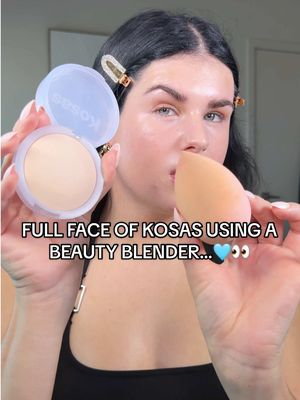 211.9K6.2×Creator does makeup challenge monologue@abigailcanfieldd · Product Showcase
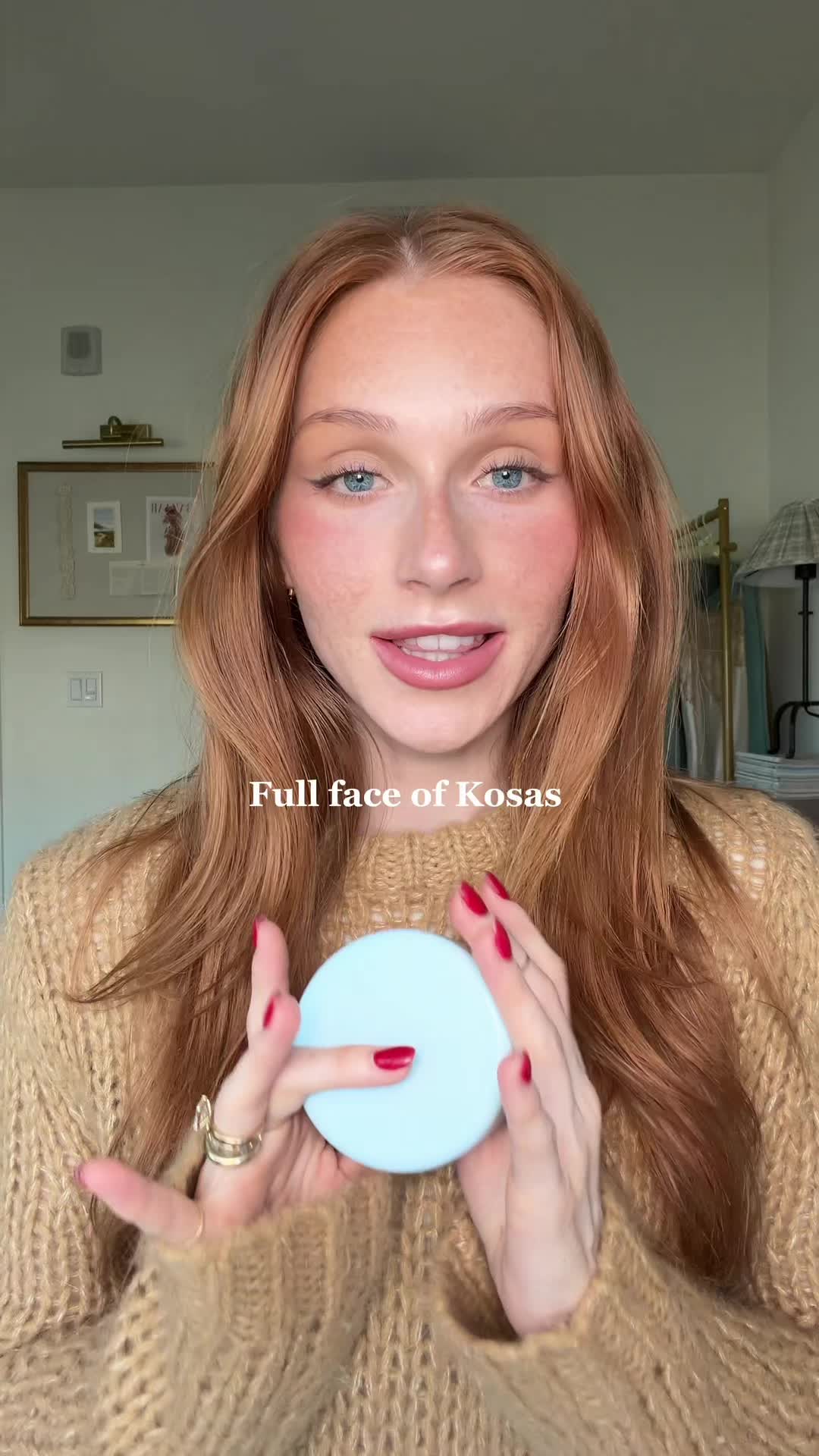 3.5M1376.1×Makeup tutorial using one brand@kylei.ann · Tutorial / How To
 355.8K1.4×Creator shows favorite makeup sale items@baileymbc · Product Promo
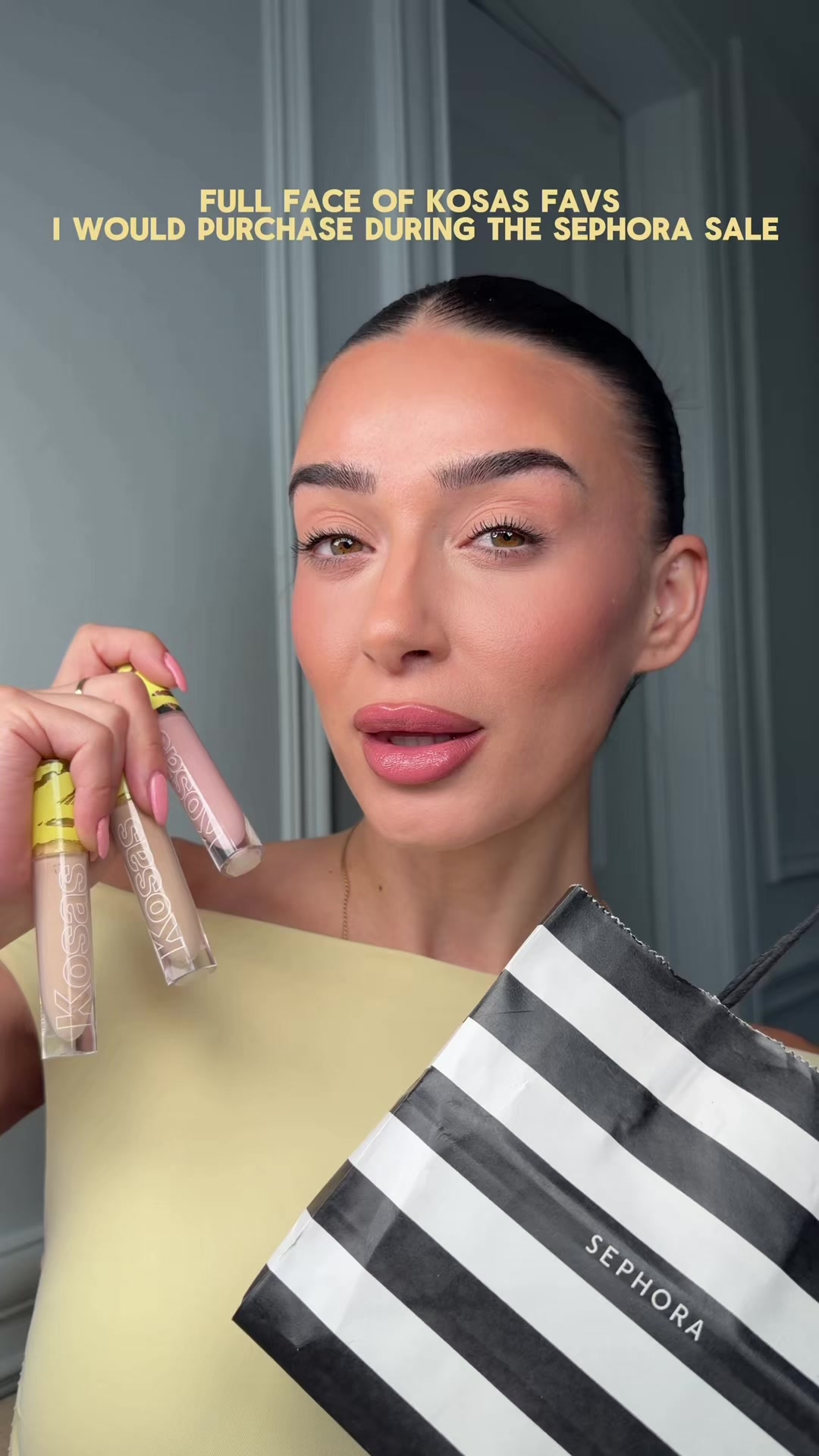 2.7M6341.5×Get ready using favorite products@casandra.mazzucco · Get Ready With Me
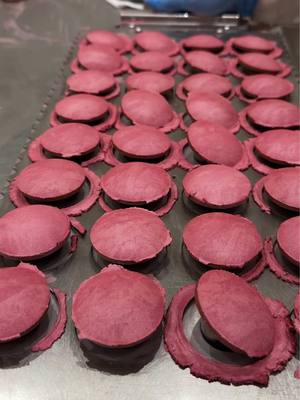 372.4K3.3×Cosmetic factory process start to finish@kosas · Process
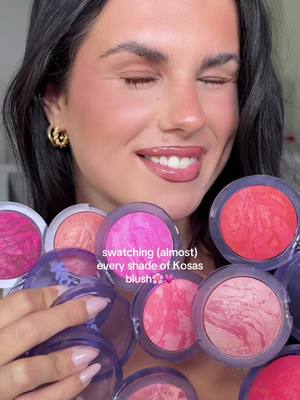 467.2K3×Rapid fire blush swatch showcase@abigailcanfieldd · Rapid Fire Listicle
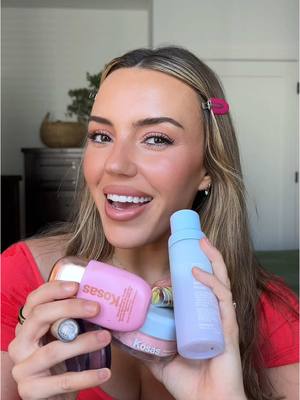 303.4K1.1×Full face makeup sale recommendations@baileymbc · Tutorial / How To
 217.8KBlending makeup compacts into powder@kosas · Skit
 202.1K1.8×Fast cuts of giveaway products@kosas · Giveaway Announcement
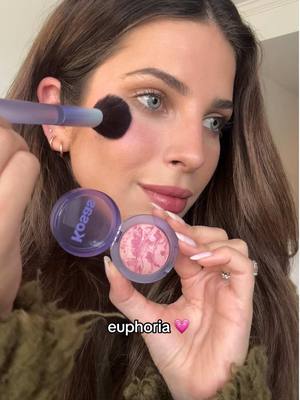 217.2K2.2×Product showcase and shade try-on@kosas · Additive Reveal
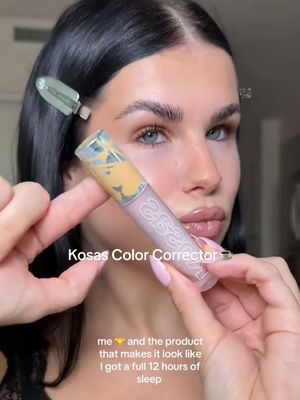 5.3M28.3×Makeup product for looking rested@abigailcanfieldd · Product Showcase
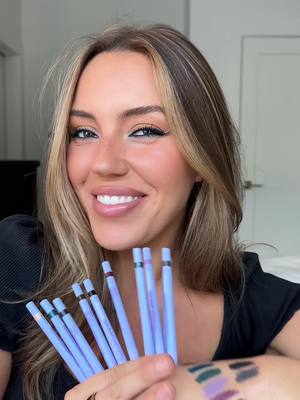 10.1M38.3×Makeup tutorial using color theory@baileymbc · Tutorial / How To
[04]
[05]
What stops the scroll in the first 3 seconds
Title hook · 55%
why “Kosas” and what does it mean?
Verbal hook · 40%
One of the questions that I get asked the most as the founder of Kosas is what does the word Kosas mean?
Visual hook · 5%
Close-up shot of the founder in an office or stockroom setting, speaking directly to the camera with a casual, conversational demeanor.
[07]
The promise the opener makes, and how the video pays it back
Hook
The Authority FAQ: The speaker establishes credibility as a founder and addresses a high-frequency question to hook viewer curiosity.
Payoff
The Empowering Manifesto: Concludes by validating the viewer's desire for joy and self-expression over correction, solidifying the brand's emotional stance.
[08]
The structural pattern this video runs on
Framework
The Origin Story Reframe
Transforming a simple FAQ about a name or feature into a deep philosophical manifesto that differentiates the brand by contrasting its empowering worldview against an outdated industry standard.
The Etymological Reveal
Introduces the specific foreign or academic root word that forms the basis of the brand/concept.
The Conceptual Metaphor
Breaks down the complex root concept using a universal, easy-to-understand analogy (e.g., layers of an onion).
The Product Bridge
Connects the abstract philosophy directly to the physical act of using the product, reframing the activity as meaningful.
The Cultural Contrast
Identifies an 'enemy' or 'villain' in the form of outdated industry standards (e.g., 80s/90s norms) to create a clear 'us vs. them' distinction.
why “Kosas” and what does it mean?💛
title · beginning
why “Kosas” and what does it mean?
informational · beginning
one of the questions that I get asked the most as a founder of Kosas is
informational · beginning
what does the word Kosas mean
informational · middle
Kosas is based on the Sanskrit word kosha
informational · middle
and kosha is a philosophy of the layers of the self
One of the questions that I get asked the most as the founder of Kosas is what does the word Kosas mean? Kosas is based on the Sanskrit word Kosas, and Kosas is a philosophy of the layers of the self. So the self is like an onion. There's five layers to the self. And at the very center of the onion, there's the essence, the capital s self, like your truest self. And in this philosophy, the way that you look on the outside is an emanation of who you truly are on the inside. What I love about makeup is that it's something that you get to use as like a real tool of self expression. So when I know how I feel on the inside and I wanna match the way I look on the outside to that, I love this like whole act of doing my makeup and bringing it to life. And it's very much the opposite philosophy of the beauty world that I grew up in, in like the eighties and nineties, where it was very much about there's something wrong you need to cover or you need to fix and you need to use this makeup to change who you are. I never connected with that as a person. I never felt like when I don't feel good, I wanna like change or fix myself. But I did feel like when I felt really connected and I felt like my best self, I wanted to jump out of bed and do my makeup and do my beauty routine. And that's what I love about makeup. I don't like, I think it's a really, like, beautiful and fun act that doesn't have to be, like, about changing who you are as a worse, if that makes sense.