@alexgreifeld
Instagram · Talking Head Edit
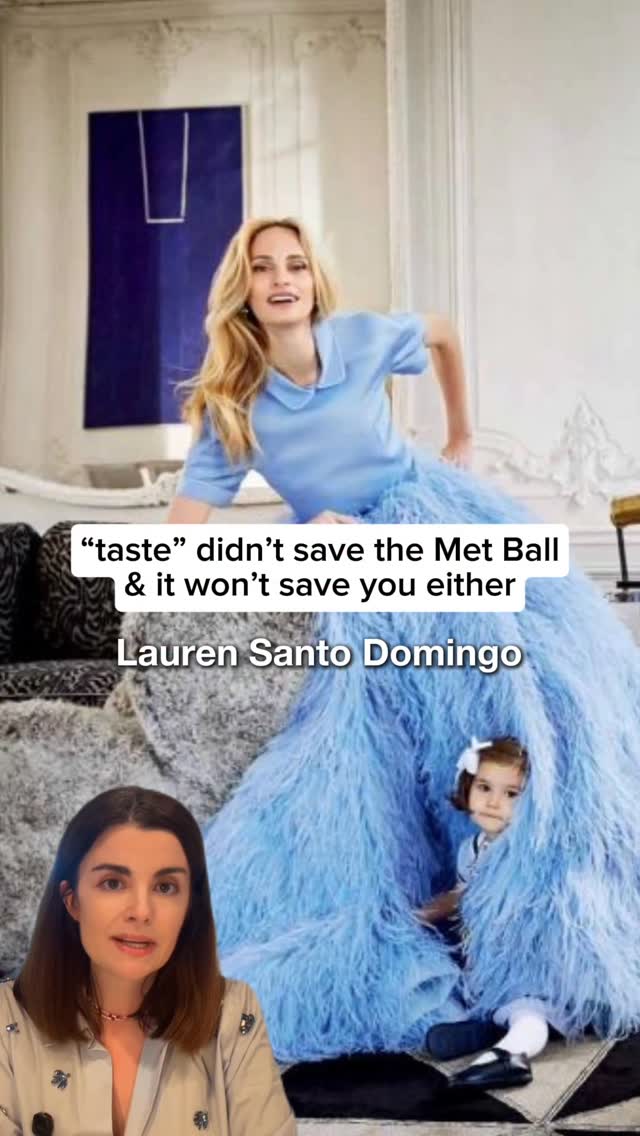
@alexgreifeld What this year’s Met Gala reveals about the limitations of taste and cultural influence. #metgala #fashionindustry #taste

@alexgreifeld
Instagram · Talking Head Edit
@alexgreifeld What this year’s Met Gala reveals about the limitations of taste and cultural influence. #metgala #fashionindustry #taste
Performance
Video #26017 · Talking Head Edit
[01]
The creator analyzes the decline of 'taste' as a form of cultural authority, using Lauren Santo Domingo's protest of Jeff Bezos's Met Gala sponsorship as a case study. She traces the history of taste from 19th-century socialites to 20th-century media gatekeepers, arguing that its commodification led to its collapse, leaving money as the sole criterion for access. The video concludes by asserting that 'efficacy,' not taste, is the key to influence in the modern era.
[02]
[03]
 231.6K1.7×Explains fashion trend with graphics@thealgorythm · Breakdown
 2.1M21.7×Anthropology breakdown of taste trends@internet.anthropology · Breakdown
 230.3K1.7×Sociological breakdown of good taste@maisonrickie · Breakdown
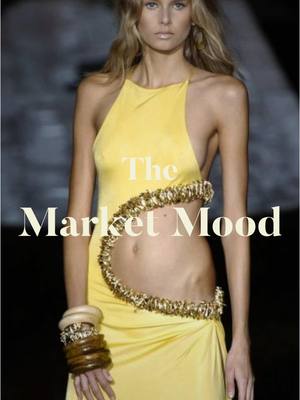 117.8K1.7×Analyzing fashion trends versus reality@curatingambiance · Breakdown
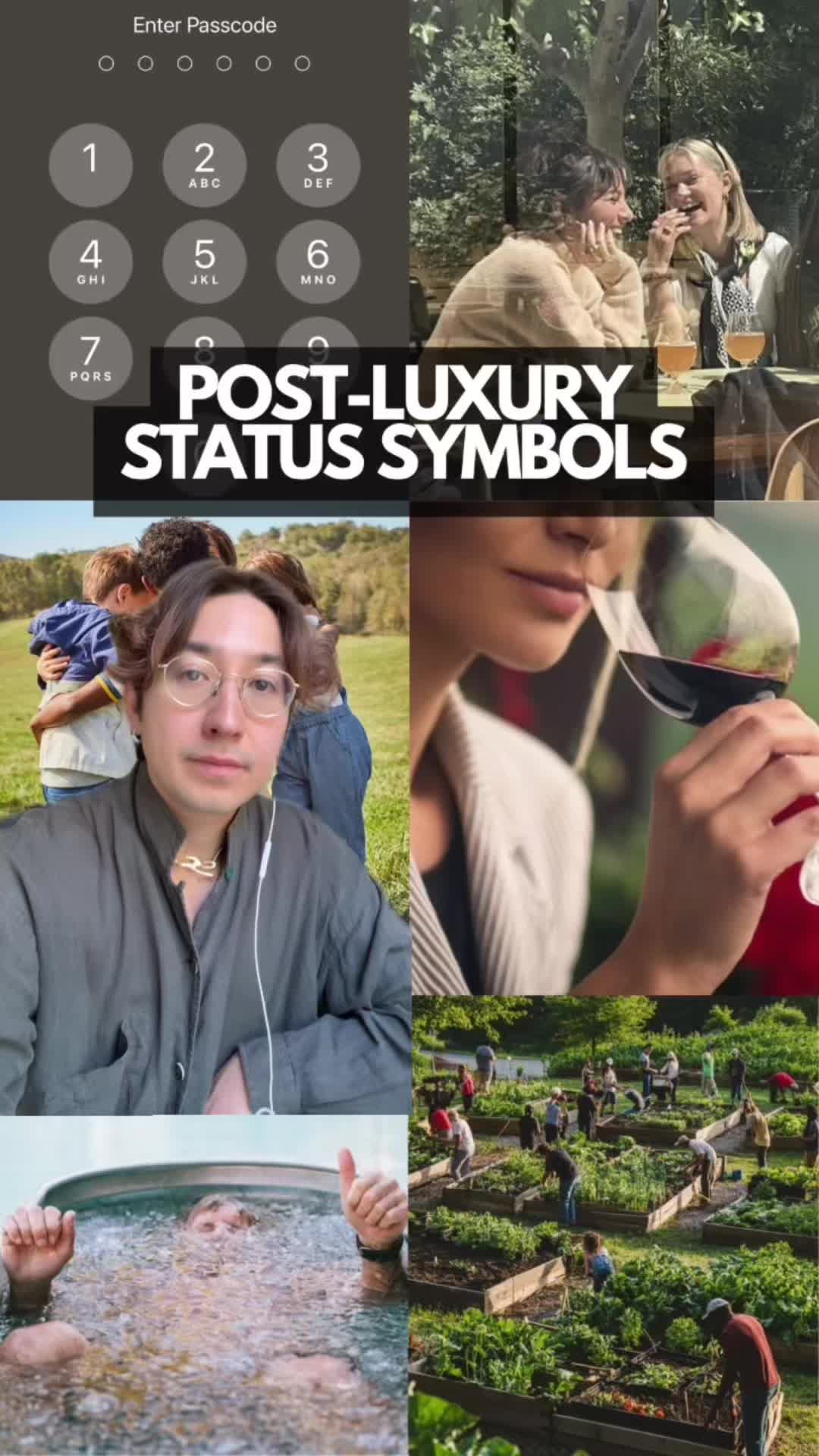 2.1MExplaining the evolution of status symbols@eugbrandstrat · Breakdown
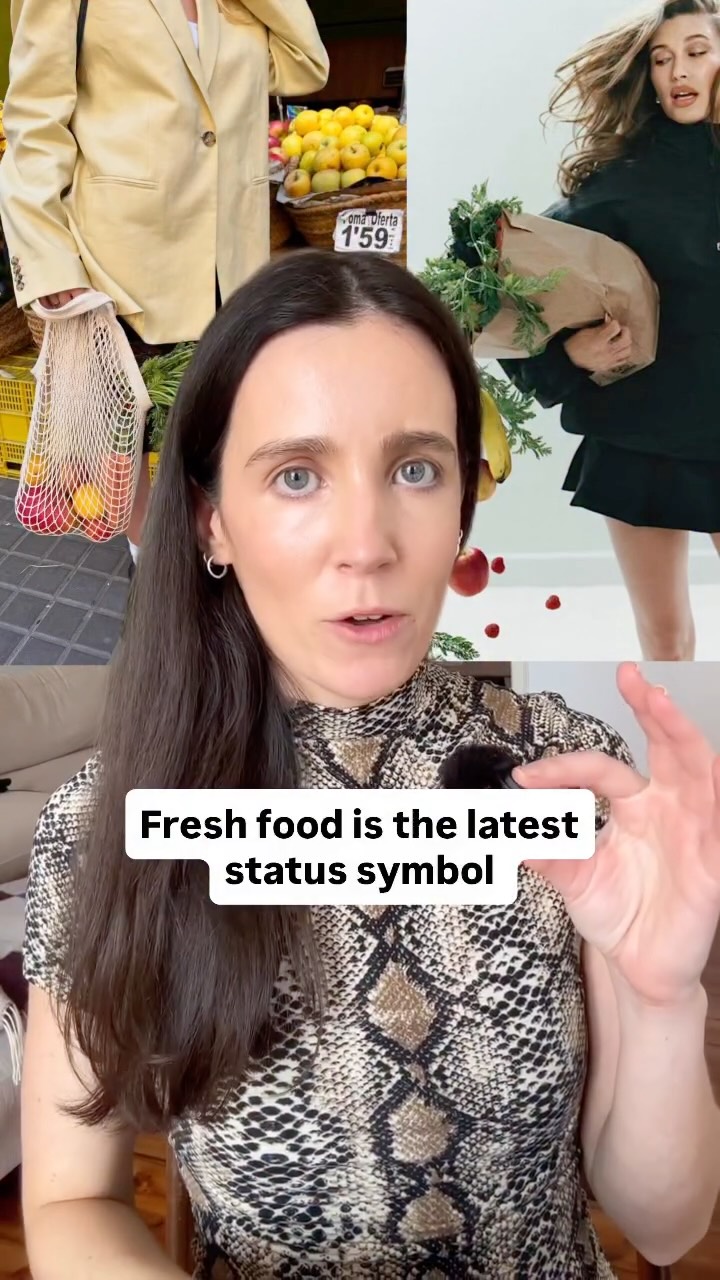 662.3K135.7×Explaining food as a status symbol@mirandadoesbrands · Breakdown
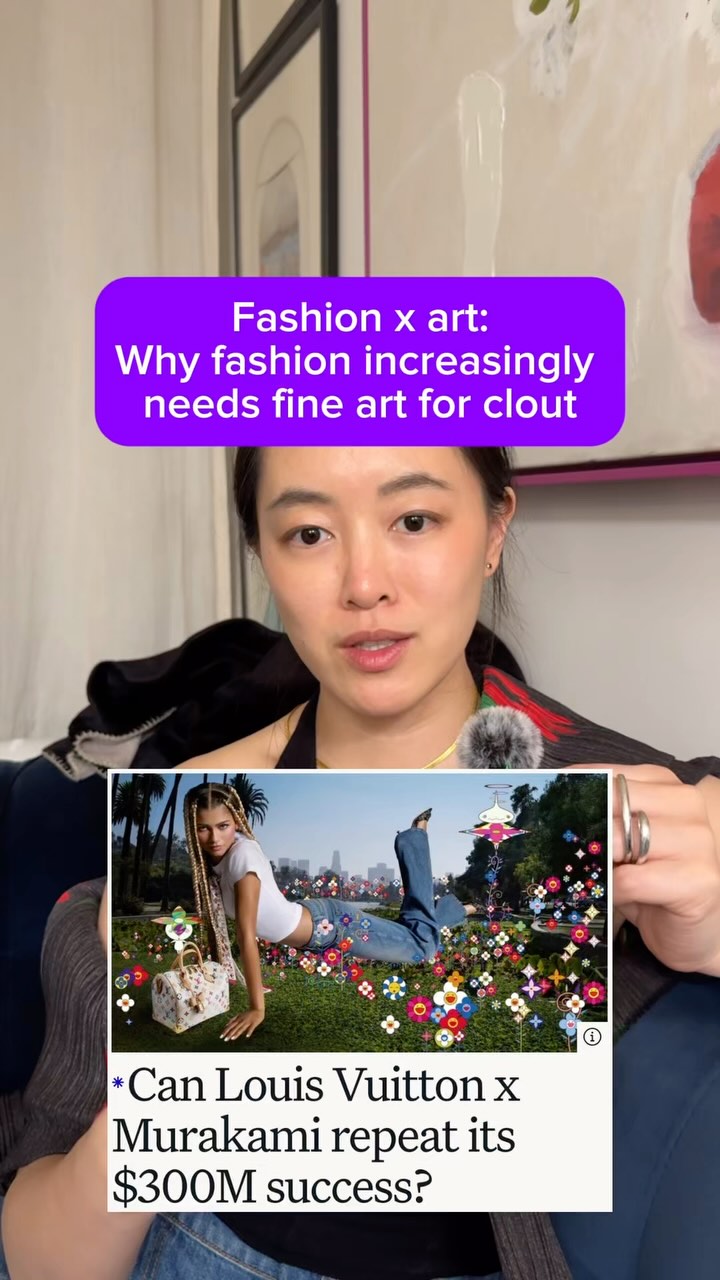 114.6K1.2×Creator explains fashion's art problem@ghostinthesam · Breakdown
 6M9.1×Sociological breakdown of elite taste codes@maisonrickie · Breakdown
 803.5KExplains cultural shift away from microtrends@eugbrandstrat · Breakdown
 1.9M3.4×Analyzing food as a status symbol@mirandadoesbrands · Breakdown
 128.8KCultural commentary on beauty trends@orenmeetsworld · Breakdown
 426.2K1.6×Creative director critiques algorithmic fashion trends@curatingambiance · Cultural Rant
[04]
[05]
What stops the scroll in the first 3 seconds
Title hook · 55%
“taste” didn’t save the Met Ball & it won’t save you either
Verbal hook · 25%
Lauren Santo Domingo skipped the Met Ball this year to protest Jeff Bezos sponsoring it.
Visual hook · 20%
A high-fashion shot of a woman (Lauren Santo Domingo) in a large, voluminous, feathery light blue gown, with a small child peeking out from under the skirt, creating a visually striking and intriguing image.
[07]
The promise the opener makes, and how the video pays it back
Hook
A topical news hook that presents a conflict or contradiction, framing a specific, recent event as a symptom of a larger, unseen cultural shift.
Payoff
The 'New King' Reveal: Pivots from analyzing the past to providing a forward-looking thesis. It dismisses the old value as irrelevant for navigating the present and introduces a new, more effective concept or skill as its successor, offering the viewer an actionable framework.
[08]
The structural pattern this video runs on
Framework
The Paradigm Shift Deconstruction
To explain the decline of an old cultural value and reveal the new value that has replaced it, using a recent, topical event as a case study.
The 'Lost Power' Contrast
Establishes the authority of a key figure or institution from the 'old world' and contrasts their past influence with their current impotence, creating an implicit question of 'What changed?'
The Historical Deconstruction
Provides a concise historical overview of the old system, explaining its origins, who held power, and the rules by which it operated, giving the viewer the necessary context to understand the subsequent collapse.
The Commodification Turning Point
Identifies the precise moment or mechanism (e.g., turning a value into a product) that fundamentally corrupted the old system and made its collapse inevitable.
The 'Sell-Out Cascade' Mechanism
Explains the game theory or domino effect that caused the system to unravel quickly once it was compromised, showing *how* the failure happened, not just that it did.
The 'King is Dead' Proclamation
Makes a bold, definitive declaration that the old system is officially over and has been replaced by a simpler, more transactional one, closing the historical argument.
What this year’s Met Gala reveals about the limitations of taste and cultural influence. #metgala #fashionindustry #taste
title · beginning
“taste” didn’t save the Met Ball & it won’t save you either
contextual · beginning
Lauren Santo Domingo
contextual · beginning
skipped the Met Ball
contextual · beginning
protest Jeff Bezos
contextual · beginning
sponsoring it
contextual · middle
social authority
contextual · middle
cultural experts
contextual · middle
coordination problem
contextual · middle
the refusal to sell out
contextual · middle
domino falls
contextual · end
that era is over
contextual · end
there are no gatekeepers
contextual · end
the only access criteria left is money
contextual · end
efficacy
Lauren Santo Domingo skipped the Met Ball this year to protest Jeff Bezos sponsoring it. Tier years ago, someone like Lauren could have vetoed this before it even became a conversation. She's a fashion insider, the founder of a $400,000,000 retail business, and the closest thing this generation has to an old school social authority. So what changed tier? For most of the nineteenth century, taste was controlled by a small group of socially prominent families. In the twentieth, it was gradually outsourced to a collection of cultural experts, editors, critics, curators, people like Anna Wintour at both. Taste became a product, an expensive exclusive product, but a product. And when taste becomes a product, we are faced with a massive coordination problem. Taste retains value through exclusivity, the refusal to sell out. So the first gatekeeper to sell out receives a massive payout, and then that payout diminishes as more gate keepers take the best. When the first domino falls, the rest tumble very quickly. That era is over. There are no gatekeepers. The only access criteria left is money. Here is what the current taste discourse is missing. Taste didn't save the metall from Jeff Bezos, and it's not going to save you from the permanent underclass. The quality you actually want to be cultivating, if that's your objective, is efficacy. Your appreciation for Arthur Russell won't get the median scroller to download your app, but a viral clipping campaign just might.