@create.along.with.jessi
TikTok · Greenscreen Talking Head
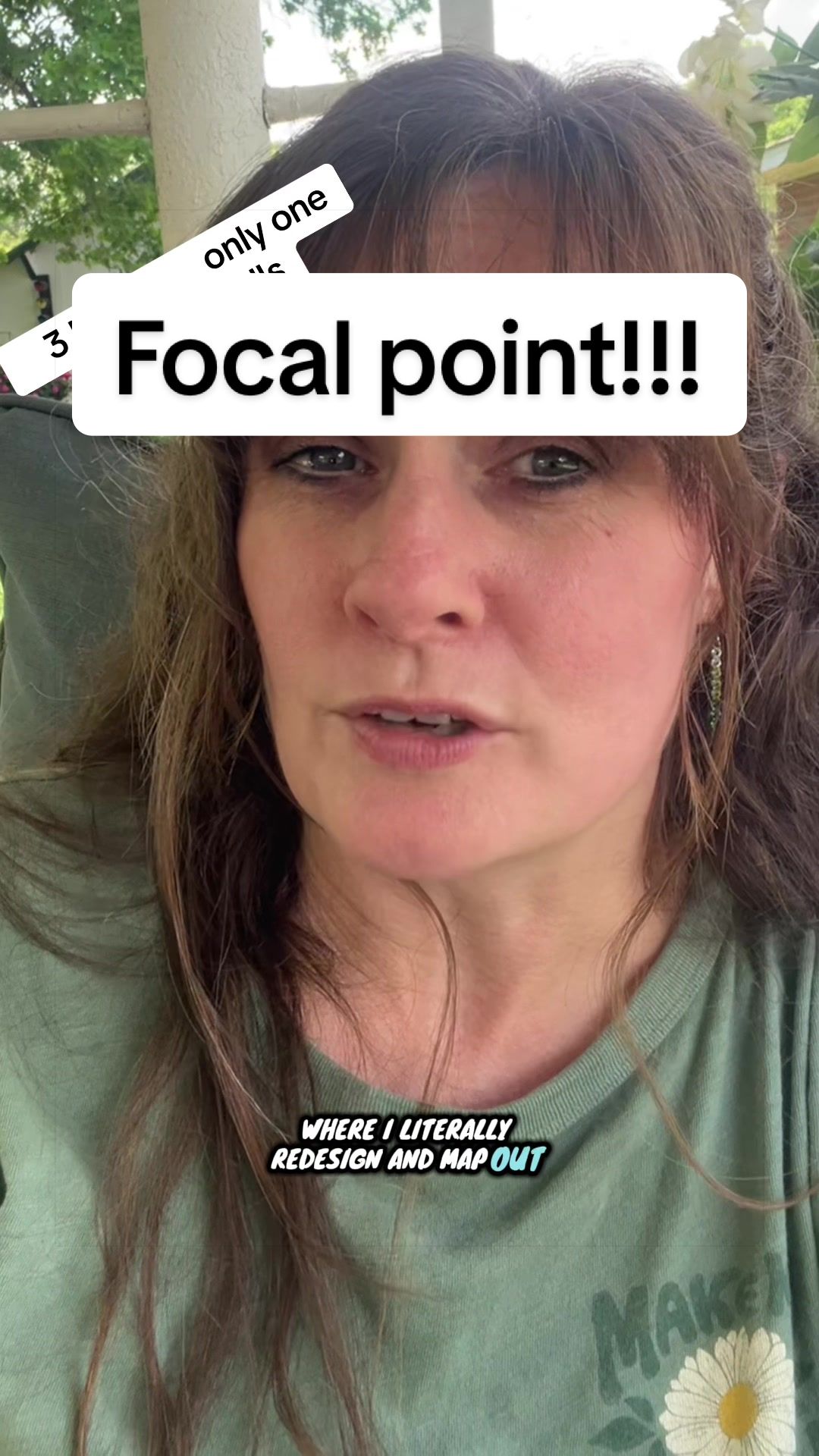
@create.along.with.jessi Same products… three completely different results This is what a focal point actually does. #smallbusiness #businessowners #handmadebusiness #vendorevent #vendor

@create.along.with.jessi
TikTok · Greenscreen Talking Head
@create.along.with.jessi Same products… three completely different results This is what a focal point actually does. #smallbusiness #businessowners #handmadebusiness #vendorevent #vendor
Performance
Video #29535 · Greenscreen Talking Head
[01]
The creator critiques different vendor booth setups for handmade products. She presents three images of the same pottery booth and explains why the first, cluttered version fails to attract customers by overwhelming the eye and lacking a clear focal point. She uses on-screen annotations to illustrate how a customer's eye wanders aimlessly over the crowded display, leading them to move on without engaging.
[02]
[03]
 356.1K1.3×Website critique with competitor comparison@kailauli · Good vs Bad
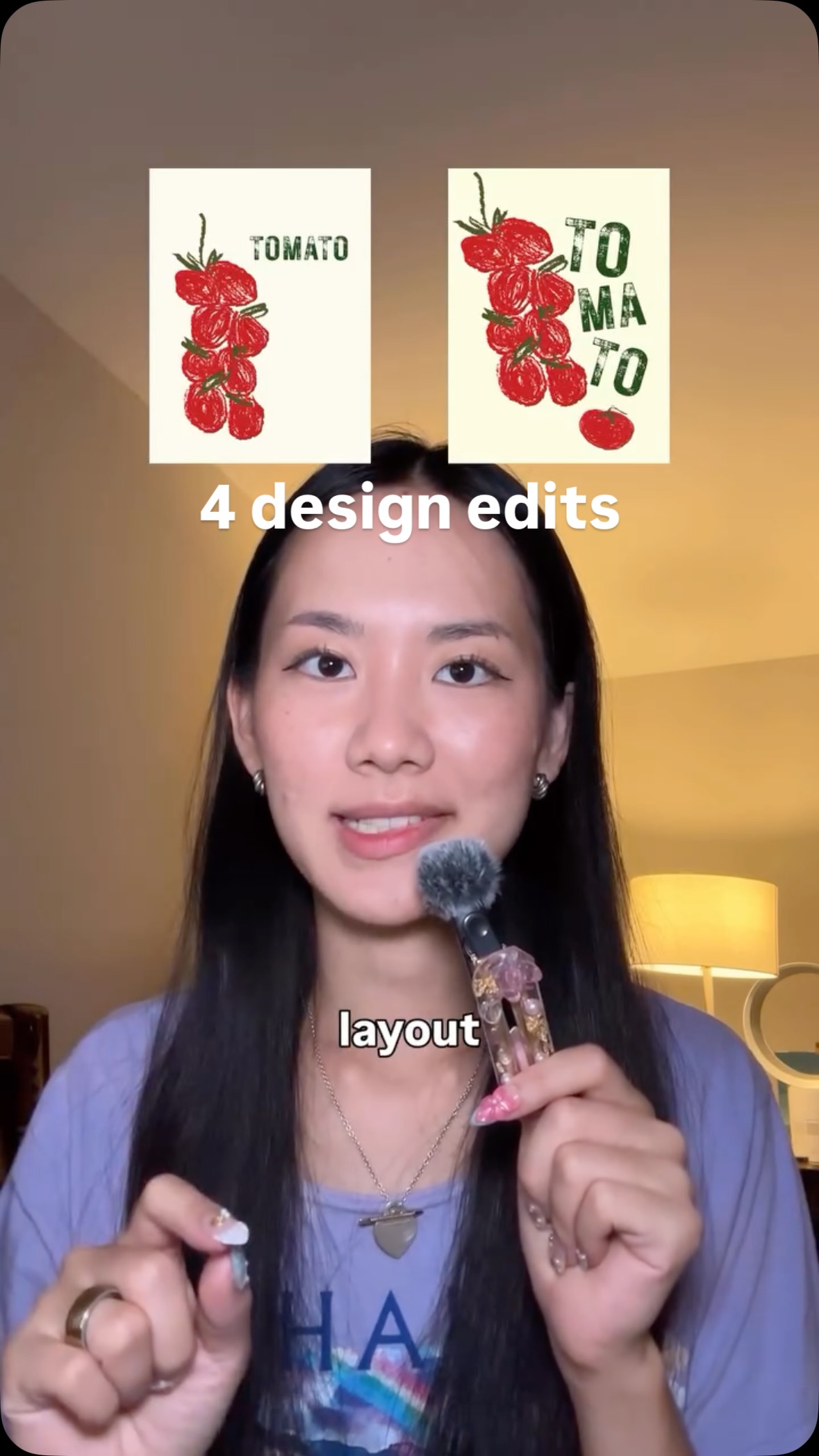 5.3M17.8×Before and after design fixes@createwithalena · Good vs Bad
 60.8KSales page design critique and fix@pixeldesignlab · Good vs Bad
 3.9M6.7×Before and after design fixes@createwithalena · Rapid Fire Listicle
 130.1K1.7×Website redesign before and after@pixeldesignlab · Good vs Bad
 385.6KExpert critiques furniture in showroom@mrphoenixgrey · Good vs Bad
 274.1K1.1×Fixing common website design mistakes@pixeldesignlab · Before/After Transformation
 135.5K3.1×Designer critiques and redesigns website.@pixeldesignlab · Good vs Bad
 477.4KProblem, then quick design fix@createwithalena · Rapid Fire Listicle
 1.4MHome renovation material selection update@jennaphipps · Behind The Scenes
 550.7K1.6×Showing design combination synergy@createwithalena · Rapid Fire Listicle
 738.8K4.2×Landing page teardown and tool pitch.@calebulf · Case Study Breakdown
[04]
[05]
What stops the scroll in the first 3 seconds
Title hook · 65%
3 booths... only one actually sells
Verbal hook · 15%
Okay. I wanna show y'all something real quick.
Visual hook · 20%
A medium close-up of the speaker talking directly to the camera, which quickly cuts to a composite image of three visually dense and colorful pottery booths, creating a pattern interrupt.
[06]
Steal this for your own video
... only one
[07]
The promise the opener makes, and how the video pays it back
Hook
A high-stakes premise is established by presenting multiple visually similar options but promising vastly different outcomes, creating a knowledge gap and a mystery the viewer needs to solve (e.g., '3 of the same, only one works').
Payoff
The final beat (implied in the full video) would present the 'correct' example, explaining precisely why its structure solves the problems identified in the previous examples and leads to the desired successful outcome.
[08]
The structural pattern this video runs on
Framework
The Comparative Case Study
To teach a core principle by presenting and deconstructing multiple examples of the same subject, escalating from a common mistake to an ideal solution. The analysis of each example follows a consistent pattern, focusing on the psychological impact on the end-user.
The High-Stakes Premise
The narrator introduces the subject (three identical booths) and frames the analysis around a critical binary outcome (selling out vs. failing), immediately establishing the value of the information to follow.
The First Case Study: The Common Mistake
The first, most flawed example is presented. The narrator diagnoses the creator's likely thought process with empathy, establishing relatability and acknowledging that the mistake is common and understandable.
The User Experience Simulation
The narrator shifts perspective from the creator to the consumer, asking a direct question ('Where am I supposed to look?') to force the viewer to analyze the example from a new viewpoint. This is often accompanied by a visual aid (like on-screen drawing) to demonstrate the negative cognitive experience (e.g., confusion, overload).
The Consequence Diagnosis
The narrator explicitly states the negative outcome resulting from the flawed user experience (e.g., 'my brain goes... I've seen it... and then I just keep on walking'), connecting the design choice directly to a loss of engagement or sales.
The Subtle Distinction
The narrator clarifies that the flaw isn't an obvious error but a nuanced one ('nothing is actually wrong with this setup'), which elevates the advice from common sense to expert insight and sets the stage for the improved examples to follow.
Same products… three completely different results This is what a focal point actually does. #smallbusiness #businessowners #handmadebusiness #vendorevent #vendor
title · beginning
3 booths... only one actually sells
contextual · beginning
THESE ARE THE SAME BOOTH WITH THE SAME
contextual · beginning
WITH THREE COMPLETELY DIFFERENT OUTCOMES.
contextual · middle
AND THIS IS EXACTLY WHY SOME PEOPLE SELL OUT
Okay. I wanna show y'all something real quick. These are the same booth with the same products with three completely different outcomes. And this is exactly why some people sell out, and some people go home with basically everything. Alright. Let's start here. Okay. First of all, I already know what happened here, and I think maybe you do too. You made a bunch of stuff. It's all cute. You're proud of it. So you brought all of it. And I'm not saying don't bring it, but you put all of it out on the table at once, which you know what? Same. I get it. I did the same thing for so many years. But let me ask you something. Where am I supposed to look? My eye is like, I don't know. Okay. Cup, teapot, bowl, more cups, more bowls, another teapot. And then my brain goes, alright. I've seen it. And then I just keep keep on walking. And the thing is nothing is actually, like, wrong with this setup. There's