The creator explains how to become a 'tastemaker' by building a personal reference library. She argues against relying solely on social media, advocating for 'cross-pollination' by drawing inspiration from diverse fields like art, cinema, music, and architecture. She provides specific examples like Wong Kar-wai and Tadao Ando, and gives actionable advice to build a personal 'archive' organized by mood to develop a unique creative fingerprint.
Transcript
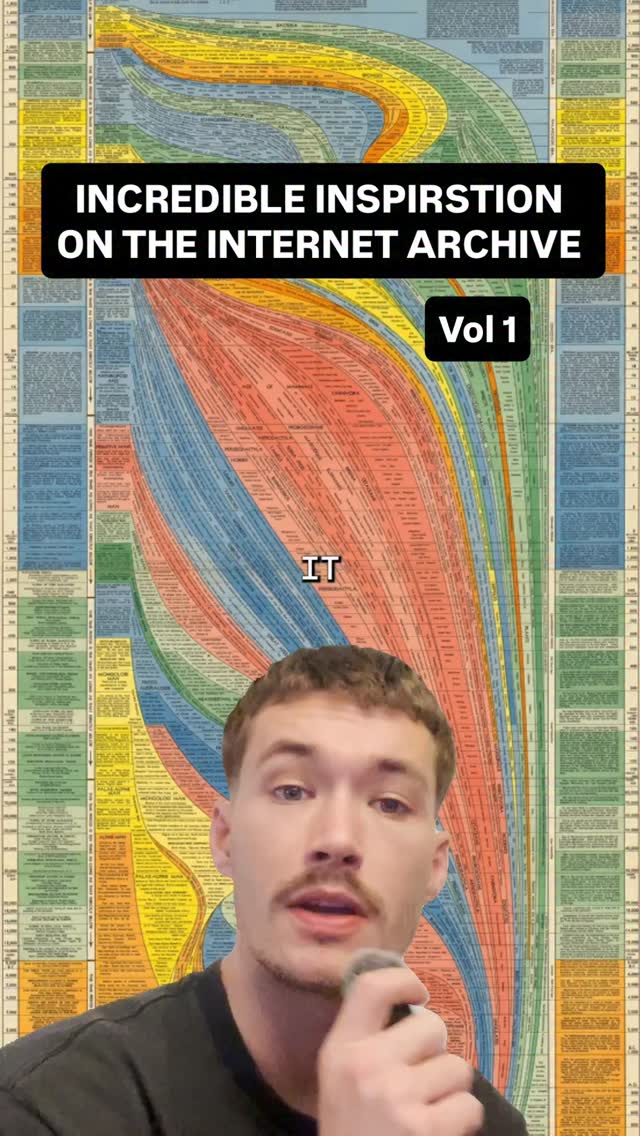
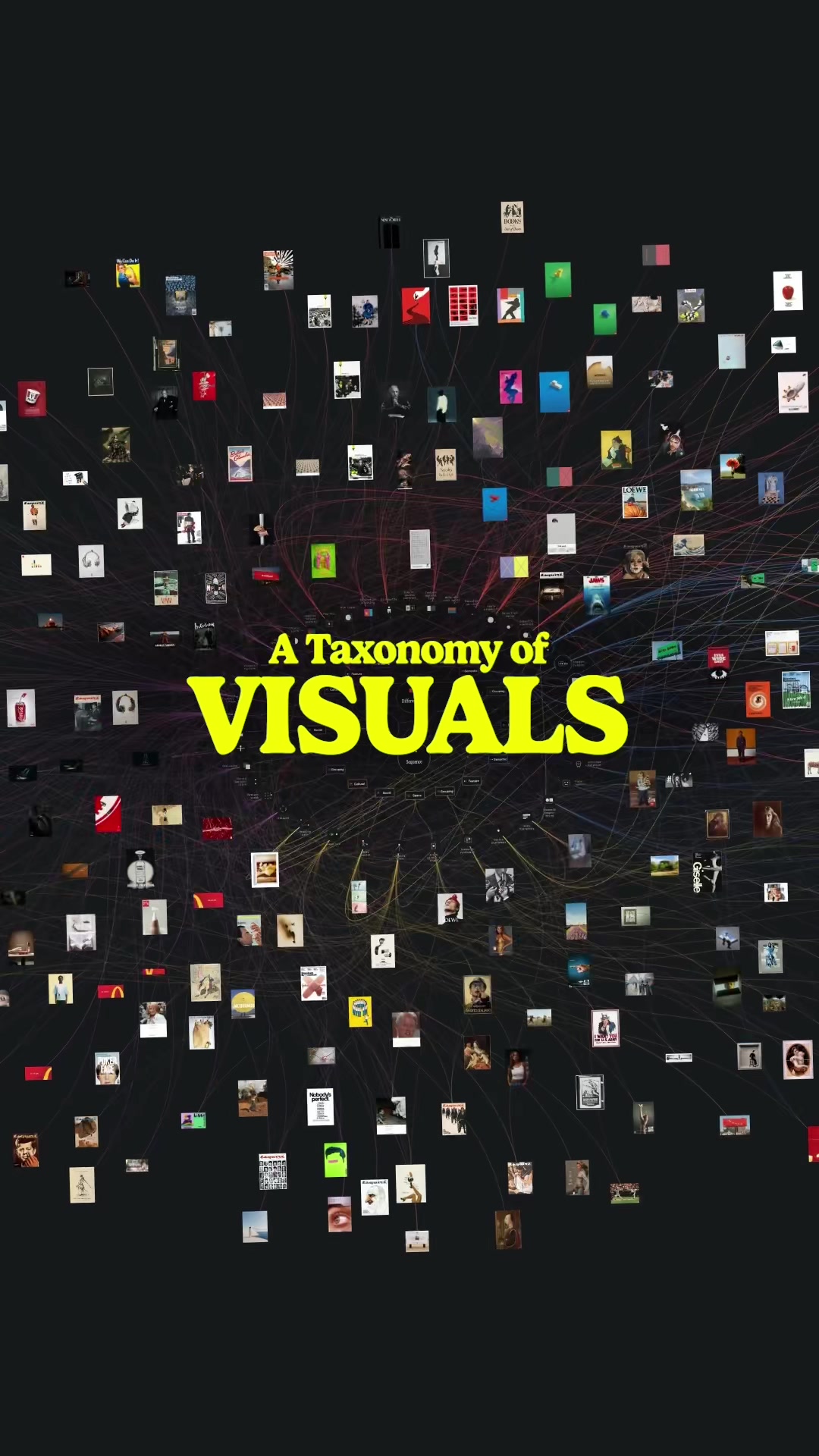
Everyone wants to be a taste maker, but most people's reference library is just Instagram and Pinterest. So this is how you actually do it. This is part four of the taste file. Last episode, we talked about training your eye, slowing down, going to the source, asking why. But all of that training needs raw material. That's what references are. A reference isn't just something you've seen. It's something you've absorbed deeply enough that it changes how you see everything else. So what counts as a reference? A lot more than you think. Art, architecture, music, literature, traveling, observing. All of it feeds your library of references. But here's what separates interesting best. Cross pollination. Worse who only looks at interiors for interior inspiration will always produce something that looks like everything else. The person who pulls from Japanese cinema, from Bossa Nova, from brutalist architecture, from a flea market in Rome, it's very likely that person makes something you've never seen before because nobody else has your exact combination of references. Usually, the best references are the ones that have no business being connected until you connect them. Watch films, not for the plot, but for the production design. Wong Kawai alone will teach you so much about color and longing. Read John Berger's Ways of Seeing, book from 1972 that will permanently change how you look at anything visual. Study why Tadao Ando uses concrete the way he does. It's not minimalism, it's a philosophy about light. So build an actual archive, not a mood board rank archive. Use arena, no, or a folder on your phone. Organize by mood, not category. The goal isn't to collect references, to copy them. It's to have so many that your combinations become uniquely yours. Tier reference library becomes your fingerprint. Next episode is on the art of rejection, and why what you refuse matters more than what you don't, and there's always more on my Substack.