@alextwma
Instagram · Talking Head Edit
@alextwma Crocs weren’t made to be fashionable. So why are they everywhere?

@alextwma
Instagram · Talking Head Edit
@alextwma Crocs weren’t made to be fashionable. So why are they everywhere?
Performance
Video #46329 · Talking Head Edit
[01]
The creator explains the forgotten origin of Crocs, revealing they were not designed for fashion but as functional, non-slip boat shoes. He details their discovery by three friends, the properties of the 'Croslite' material, and how their practical features were prioritized over aesthetics. The creator concludes by explaining the irony that their 'iconic ugliness' is what ultimately led high-fashion brands to adopt them, turning a purely functional item into a fashion statement.
[02]
[03]
 854.6K9.5×Data proves fashion trend popular@databutmakeitfashion · Breakdown
 114.3K1.8×Creator deep dives on nostalgic shoes@caseymorrowlewis · Nostalgia Highlight
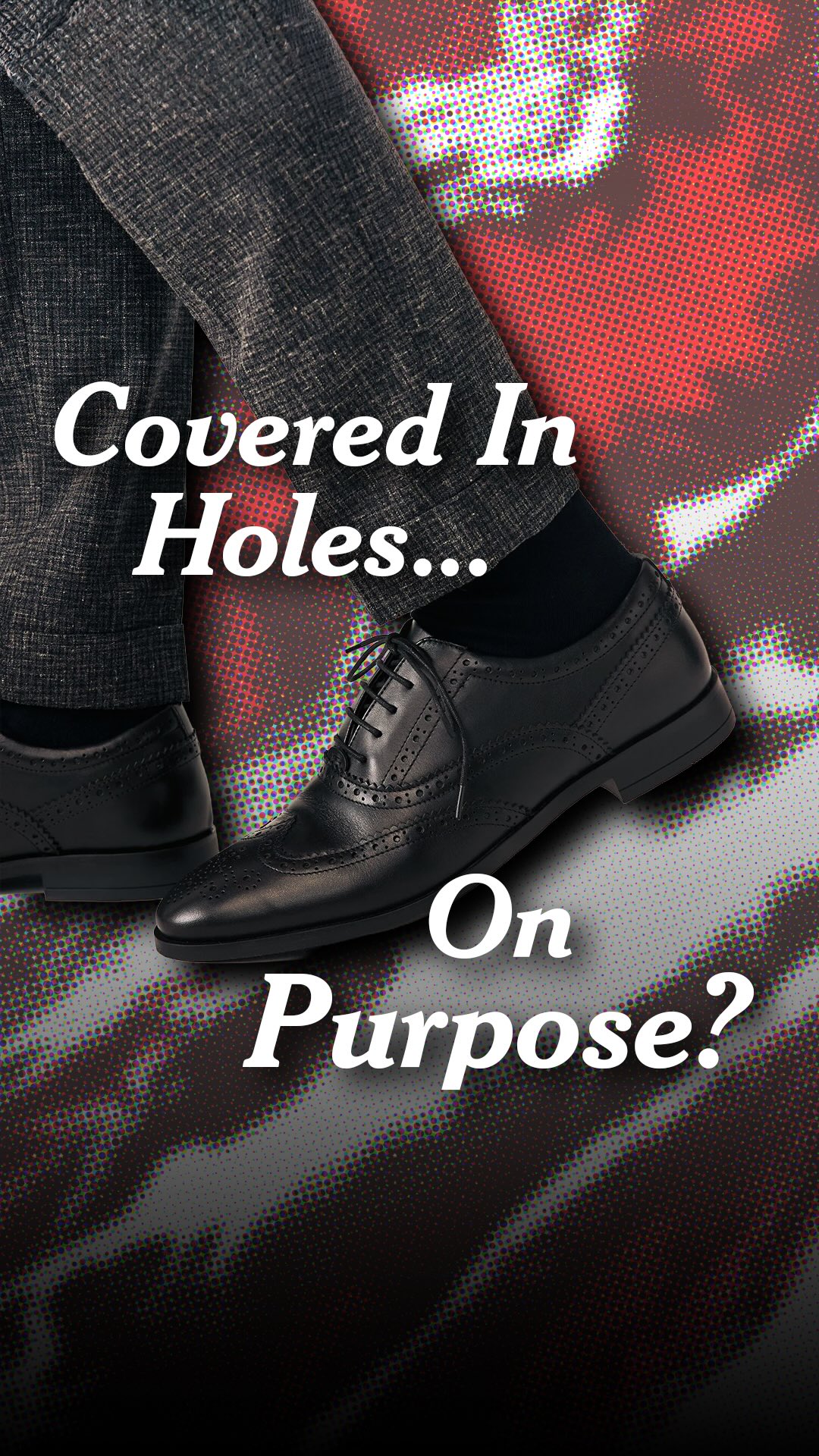 264.6K1.5×Shoe history from work to fashion@alextwma · Origin Story
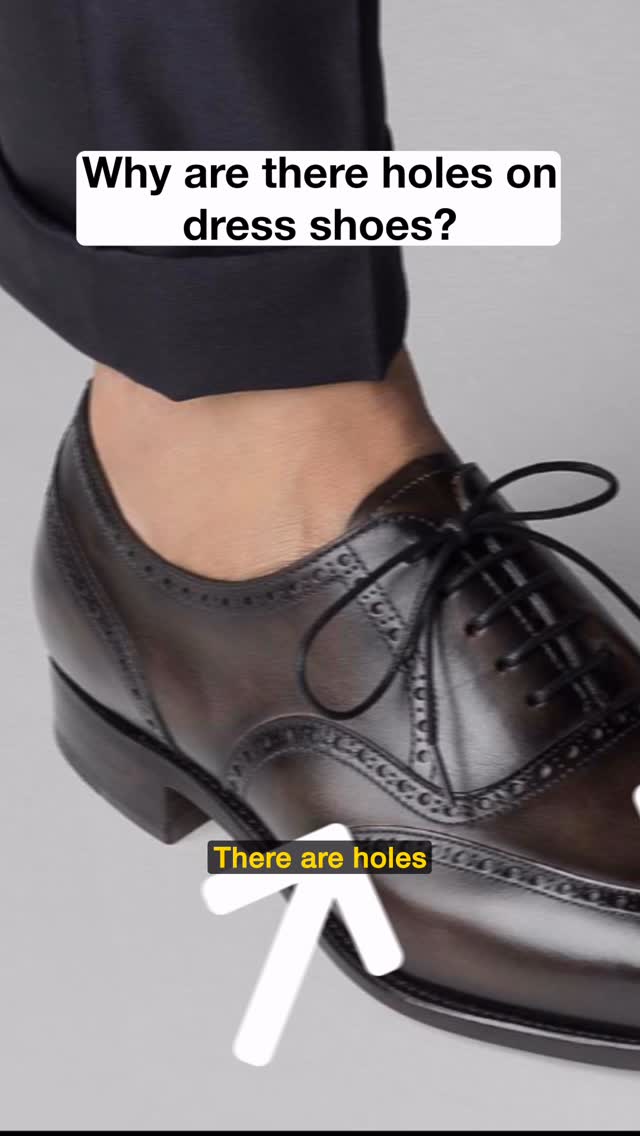 1.1M57.9×Question hook then historical explanation@fineasjackson · Origin Story
 276.6K13.4×Commentary on a men's fashion trend@clayton.chambrs · Breakdown
 285.1KExplaining a fashion theory with examples@jabarisandifer · Breakdown
 97.1K1.5×Investigating a fashion trend's return@caseymorrowlewis · Breakdown
 439.6K61.5×Opinionated list of bad menswear@articlesofstyle · Rapid Fire Listicle
 4.2M20×React to returning Y2K trend@itskatesteinberg · Relatable Skit
 327.7K3.8×Analyzing the rise and fall of normcore@thealgorythm · Breakdown
 218.7K2.5×Explaining a fashion trend's history@thealgorythm · Breakdown
 1.1M7.6×Trend explained with news data@databutmakeitfashion · Trendjacking
[04]
[05]
What stops the scroll in the first 3 seconds
Title hook · 40%
have forgotten
Verbal hook · 50%
Most people have forgotten why Crocs actually worst.
Visual hook · 10%
A close-up shot of a person's feet wearing black Crocs and white socks, standing on green grass next to a patch of white snow.
[06]
Steal this for your own video
Most people have forgotten why actually .
[07]
The promise the opener makes, and how the video pays it back
Hook
Present a modern, widely-accepted version of a subject, then immediately state that this perception is wrong and people have forgotten its true purpose, creating an immediate knowledge gap.
Payoff
Conclude with the grand paradox: the subject's complete disregard for mainstream appeal is the exact reason it ultimately achieved mainstream appeal and became an icon.
[08]
The structural pattern this video runs on
Framework
The Ironic Origin Story
Deconstructing a popular item or concept by revealing its forgotten, purely functional origin, and then explaining how its perceived 'flaws' ironically led to its modern-day success and perception.
The Serendipitous Discovery
Tell a brief origin story where the subject was created or discovered to solve a very specific, practical problem for a niche audience.
The Problem/Solution Proof
Contrast the subject's functional superiority against the established alternative at the time, highlighting how it solved a problem the old way couldn't.
The 'Secret Ingredient' Reveal
Briefly explain the unique technology, material, or method that gives the subject its functional advantage.
The Niche Validation
Provide proof of the subject's initial success within its intended niche, explicitly stating it was not for the mainstream.
The Mainstream Rejection
Use external, authoritative criticism to prove that the subject was widely considered a failure by mainstream standards (e.g., ugly, weird, unconventional).
The Functional Reframe
Systematically deconstruct the subject's perceived 'flaws' and explain the hidden, practical purpose behind each one.
The 'Iconic Flaw' Pivot
Argue that the subject's very 'flaws' became its most recognizable and iconic feature, transforming a negative into a unique identity.
The Cultural Adoption
Show how the subject was embraced by cultural tastemakers or a high-status group *because* of its iconic, unconventional nature, not in spite of it.
Crocs weren’t made to be fashionable. So why are they everywhere?
contextual · beginning
have forgotten
informational · beginning
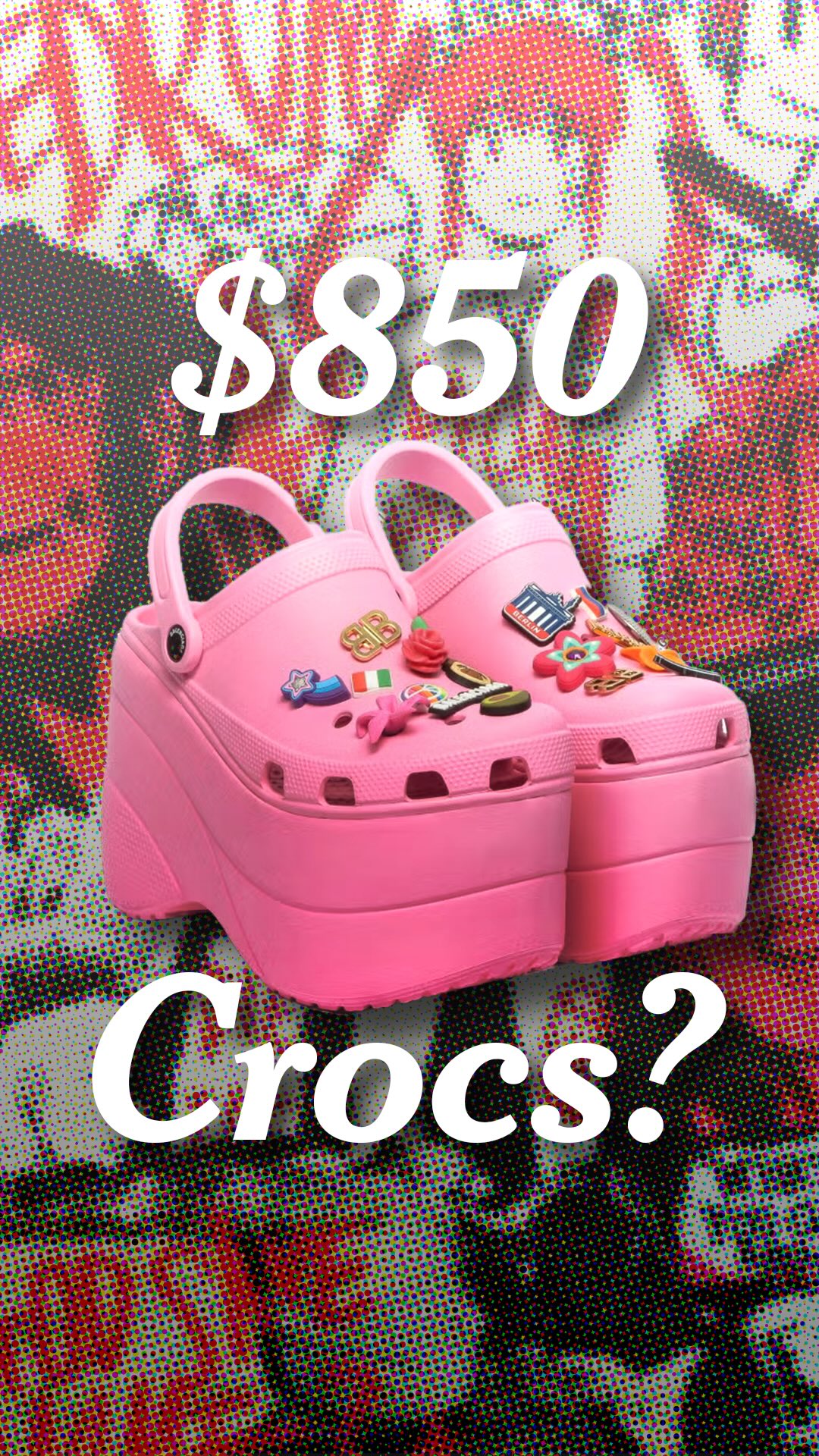
$850
contextual · beginning
had nothing to do with fashion at all.
contextual · middle
a very specific problem
contextual · middle
It was super ugly.
informational · middle
was called Croslite,
contextual · middle
sold out
contextual · end
never trying to look good.
informational · end
labeled by TIME magazine in 2010 as a top 50 worst invention
contextual · end
iconically ugly.
informational · end
the exact features that made Crocs look ridiculous are the same features that made them functional
Most people have forgotten why Crocs actually worst. And despite this $850 pair of platform Crocs from Balenciaga or a kids pair covered in decorative charms, Crocs had nothing to do with fashion at all. It was actually the polar opposite. Crocs solved a very specific problem in the early two thousands. Three friends were on a sailing trip in The Caribbean when they came across a strange foam clog made by a small Canadian company. It was super ugly, but it solved a problem regular boat shoes couldn't. It provided traction on a wet slippery deck without falling apart from constant water exposure like boat shoes at the time. The material was called Crosslight, a closed cell foam so lightweight that if the shoe went overboard, it wouldn't sink. They bought the rights, tweaked the design and brought 200 pairs to a boat show in Florida. All 200 sold out immediately, but not to fashion buyers. To boaters who needed a shoe that could get soaked, dry out quickly, and be just as good the next day. And that's the thing, Crocs were never trying to look good. They were even labeled by Tier magazine in 2010 as a top 50 worst invention, mostly based on their ugliness. But style wasn't the goal and it was never really on the table. The holes on top were to let water drain through instead of pooling inside and worked doubly as ventilation. The clunky oversized shape wasn't a choice of style either as the crosslight foam is designed to mold to the shape of your own foot best like a Birkenstock. And importantly, they were extremely comfortable even if they were uncomfortable to look at. But what made Crocs special is they weren't just ugly, they were iconically ugly. And that very fact was what compelled fashion designers to adopt it into their own language. I mean Balenciaga has made chip chip bag purses, destroyed sneakers, and shirts stapled to another shirt. If you ask me, platform Crocs seem like the least of all evils. So the exact features that made Crocs look ridiculous are the same features that made them functional, which makes the whole fashion turn almost funny because their ignorance towards being stylish have made Crocs one of the most popular casual footwear options on the planet. Nobody designed Crocs to be a fashion statement, but that's exactly what made it one.