@fineasjackson
Instagram · Talking Head Edit
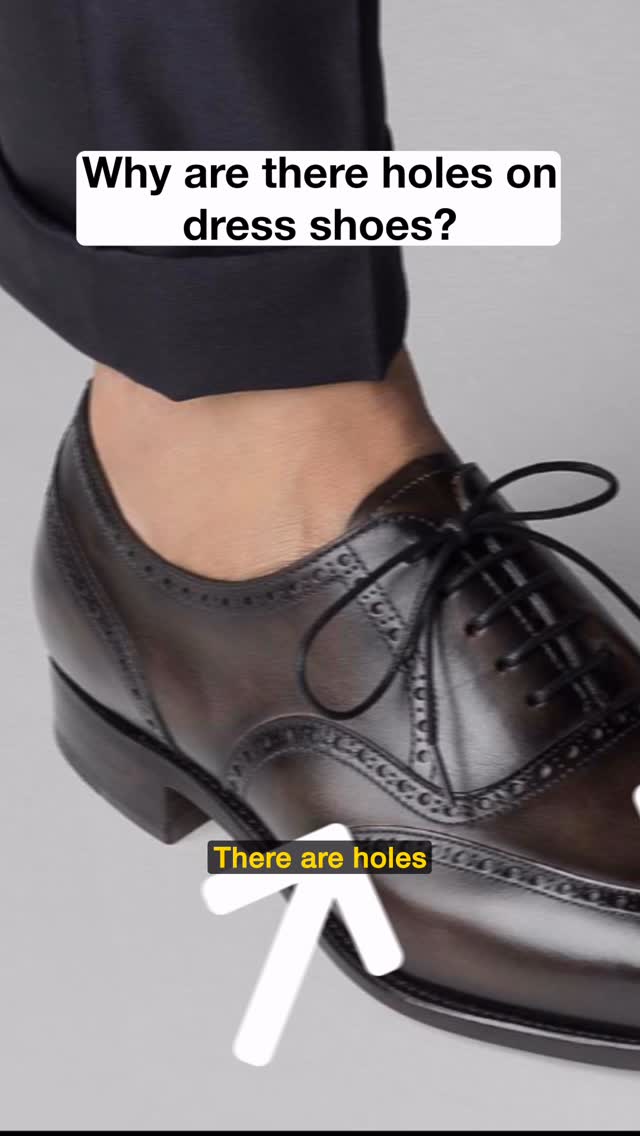
@fineasjackson They do nothing, so why are there holes in dress shoes...? It all starts with Scottish bog farmers

@fineasjackson
Instagram · Talking Head Edit
@fineasjackson They do nothing, so why are there holes in dress shoes...? It all starts with Scottish bog farmers
Performance
Video #34342 · Talking Head Edit
[01]
The creator poses the question of why dress shoes have decorative holes, then explains the historical origin of 'broguing.' He traces the design back to functional shoes worn by farmers in the bogs of Scotland and Ireland, which used holes for water drainage, and explains how this practical feature evolved from a sign of a poor worker into a decorative element in high fashion.
[02]
[03]
 264.6K1.5×Shoe history from work to fashion@alextwma · Origin Story
 5.2M60.9×The functional origin of Crocs@alextwma · Origin Story
 285.1KExplaining a fashion theory with examples@jabarisandifer · Breakdown
 599.1KExplaining workwear's historical fashion origin.@frontoffice.co · Breakdown
 1.1M55.7×Explaining the origin of collars@fineasjackson · Origin Story
 276.6K13.4×Commentary on a men's fashion trend@clayton.chambrs · Breakdown
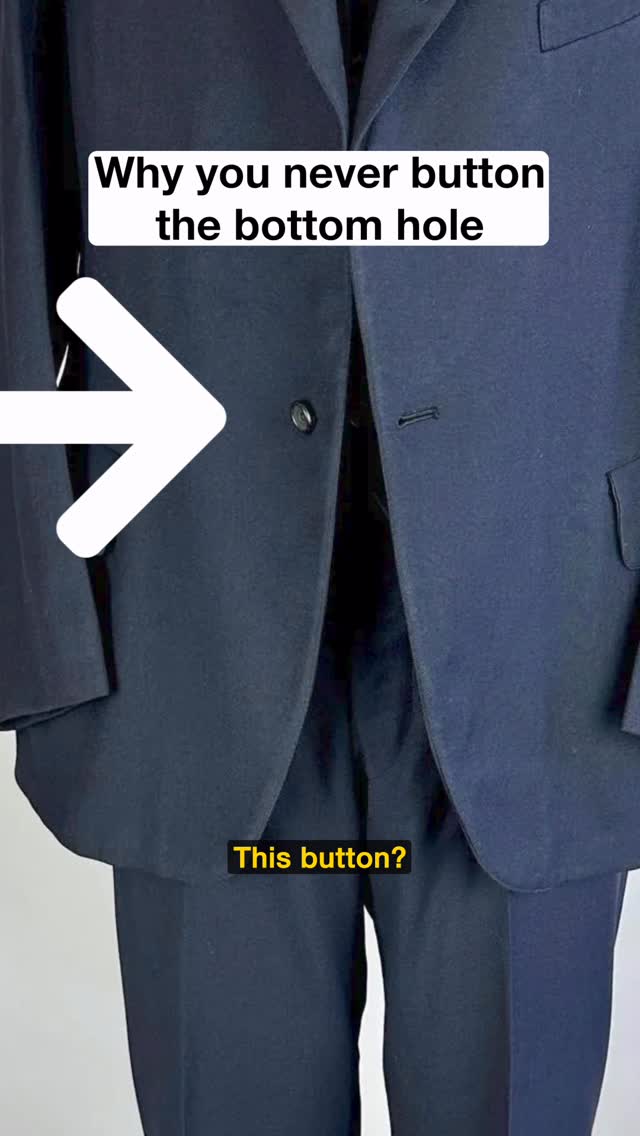 2.6M143.6×Explaining suit button fashion history@fineasjackson · Strange but True
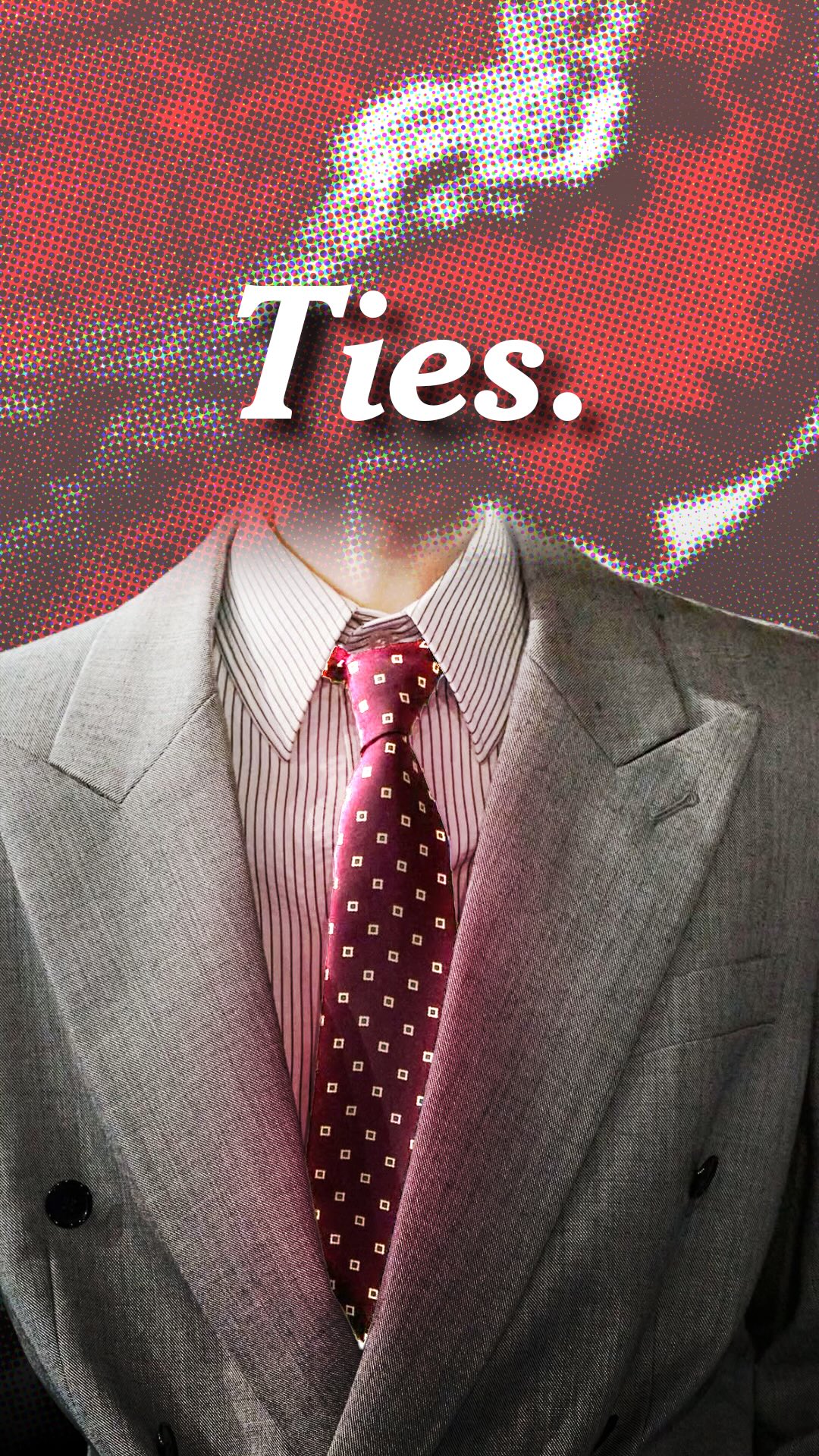 1.5M13.9×Explaining the history of neckties@alextwma · What Is X?
 5MMaking a case for brooches@wisdm · Breakdown
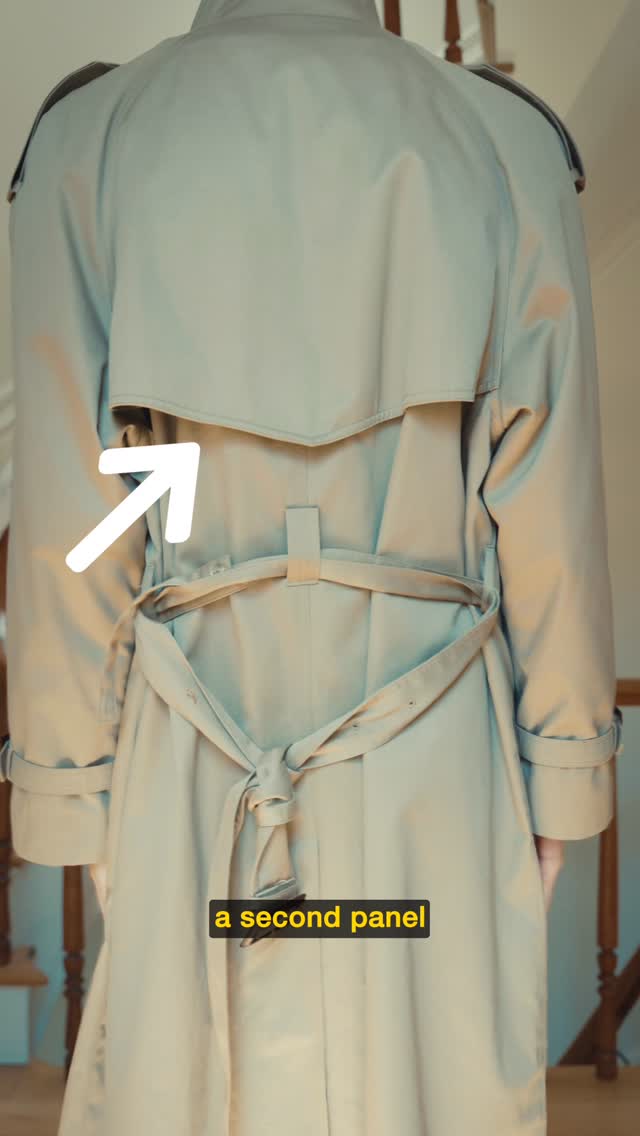 1.1M79.5×Historical breakdown of trench coats@fineasjackson · Breakdown
 97.1K1.5×Investigating a fashion trend's return@caseymorrowlewis · Breakdown
 399.8K21.5×Sports analogy for fashion rules@sjparv · Analogical Definition
[04]
[05]
What stops the scroll in the first 3 seconds
Title hook · 65%
Why are there holes on dress shoes?
Verbal hook · 10%
Look at this dress shoe.
Visual hook · 25%
A close-up shot of a dark leather dress shoe with large white arrows pointing to the decorative holes (broguing), immediately focusing the viewer's attention on the video's central question.
[06]
Steal this for your own video
Why do have ?
[07]
The promise the opener makes, and how the video pays it back
Hook
Pose a direct, intriguing question about a familiar object, then immediately invalidate the most common assumptions to create a knowledge gap.
Payoff
Reveal the dramatic contrast between the feature's original, low-status context (e.g., 'a poor man's tool') and its modern, often high-status perception, delivering a satisfying re-contextualization of the familiar.
[08]
The structural pattern this video runs on
Framework
The Origin Reframe
To deconstruct a common, modern object or feature by revealing its surprisingly humble or utilitarian origin story, creating a satisfying 'status inversion' payoff.
The Puzzling Premise
Present a common but unexplained feature and systematically disprove the logical, intuitive explanations for its existence.
The Official Terminology
Introduce the specific, technical name for the feature, elevating the viewer's understanding and making them feel like an insider.
The Linguistic Twist
Trace the term's etymology to a surprisingly simple or mundane root, subverting expectations about its sophistication.
The Historical Context
Transport the audience to the specific time and place of origin, establishing the environment and the people involved.
The Practical Dilemma
Clearly articulate the functional problem that the original users faced, for which the feature was a solution.
The Functional Breakthrough
Reveal the feature's original, practical purpose as a direct and often ingenious solution to the stated problem, providing the core 'aha!' moment.
The Memorable Metaphor
Re-frame the solution with a simple, powerful analogy that makes the function unforgettable.
They do nothing, so why are there holes in dress shoes...? It all starts with Scottish bog farmers
title · beginning
Why are there holes on dress shoes?
branding · beginning
"Chasing Beauty" Episode 60
Look at this dress shoe. There are holes everywhere. Punched across the toe, along the seams, around the cap. They don't ventilate. There's lining behind them and they're not structural. So what's happening? This is episode 60 of Chasing Beauty and today, we're looking at the holes on dress shoes. Those holes have a name, broguing. And the shoe, the brogue, comes from the Gaelic word bro. It doesn't mean fine shoe. It just means shoe. The most basic thing you could put on your foot because that's what it was. In the bogs of Scotland and Ireland, farmers spent their days crossing waterlogged marshland that swallowed their feet with every step. Their shoes were rough untanned hide, barely shaped to the foot. Water poured in over the top and had nowhere to good. So they punched holes through the leather for drainage. Water came in and water went out. The shoe couldn't keep your feet dry no they made it a plumbing system. That was the brogue. A bog shoe. A poor man's shoe. And in England, everyone knew what those holes meant. If you wore brogues, you worked land. For two centuries, no respectable