@trycloseted
Instagram · Greenscreen Talking Head
@trycloseted nobody in this crew dressed the same, on purpose. Comment what style we should explore next ⬇️ #fashion #style #styleinspo #bradpitt #oceans11

@trycloseted
Instagram · Greenscreen Talking Head
@trycloseted nobody in this crew dressed the same, on purpose. Comment what style we should explore next ⬇️ #fashion #style #styleinspo #bradpitt #oceans11
Performance
Video #48839 · Greenscreen Talking Head
[01]
The creator analyzes the costume design of the movie 'Ocean's 11', contrasting it with the 1960s original. He breaks down the distinct styles of characters like Danny Ocean, Rusty, and Reuben to illustrate how their wardrobes reflect their unique personalities. The creator then uses this film as a case study to argue that true style is about individual interpretation of an aesthetic, not conforming to a uniform.
[02]
[03]
 128.6K1.4×Movie costume design case study@henrythekidd_ · Breakdown
 4.7M50.3×TV character fashion style breakdown@henrythekidd_ · Breakdown
 157.3K1.7×Breaking down Brad Pitt's style@henrythekidd_ · Evolution Showcase
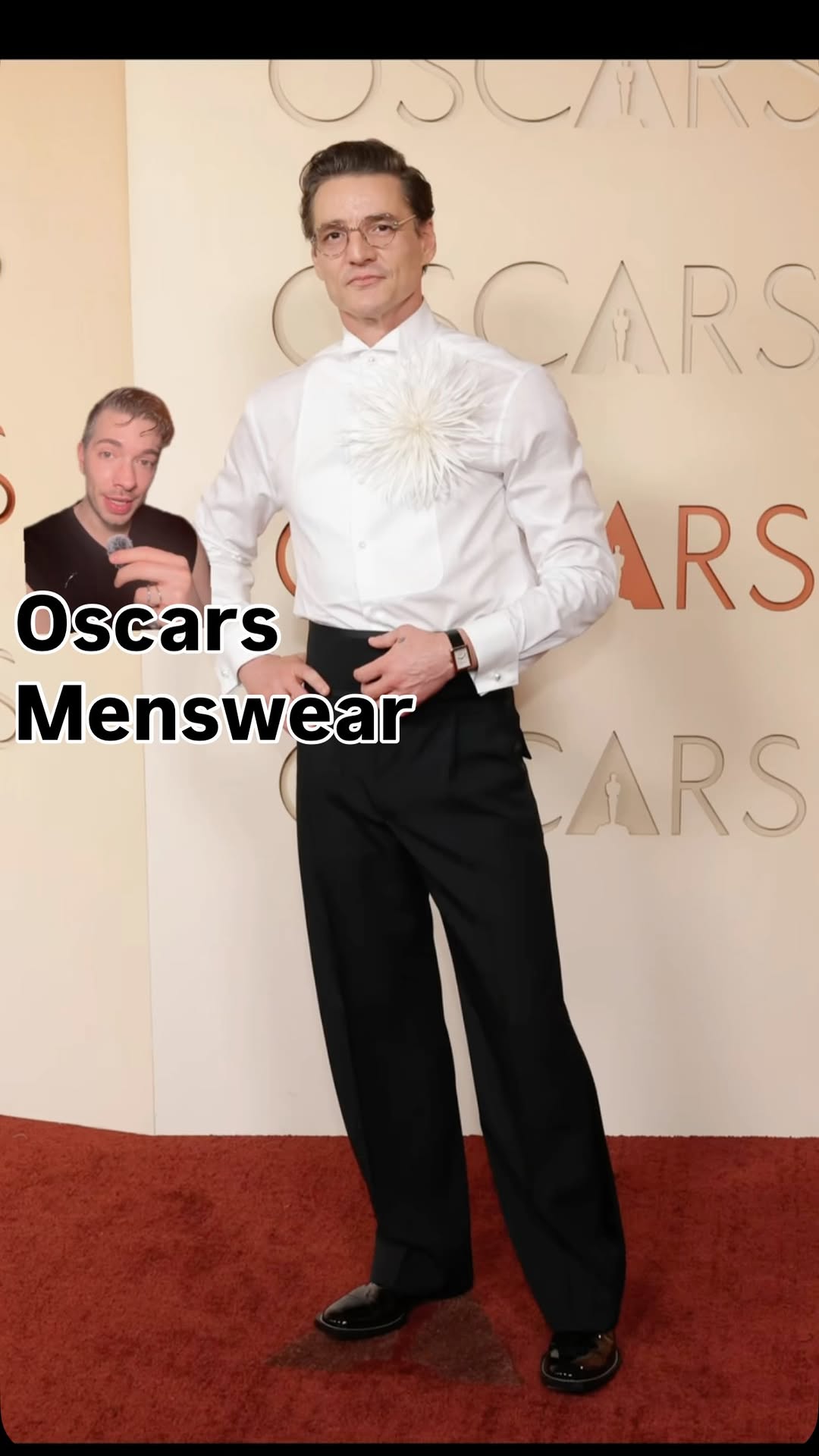 154K4.7×Rapid fire red carpet fashion review@johnmvilla2 · Rapid Fire Listicle
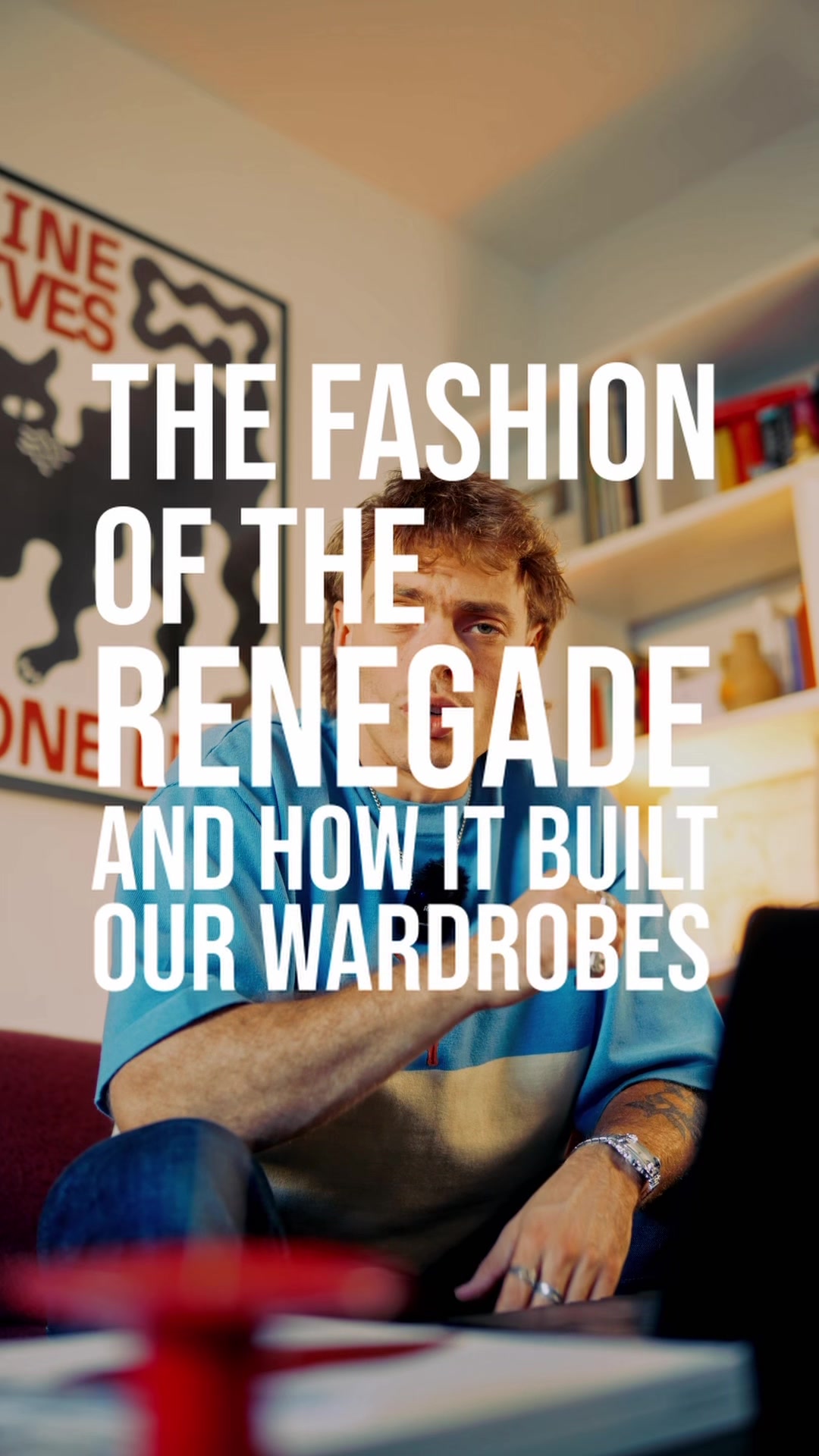 499.1K145.7×Historical breakdown of streetwear origins@henrythekid · Culture Profile
 118.8K1.3×Character fashion style deep dive@henrythekidd_ · Character Profile
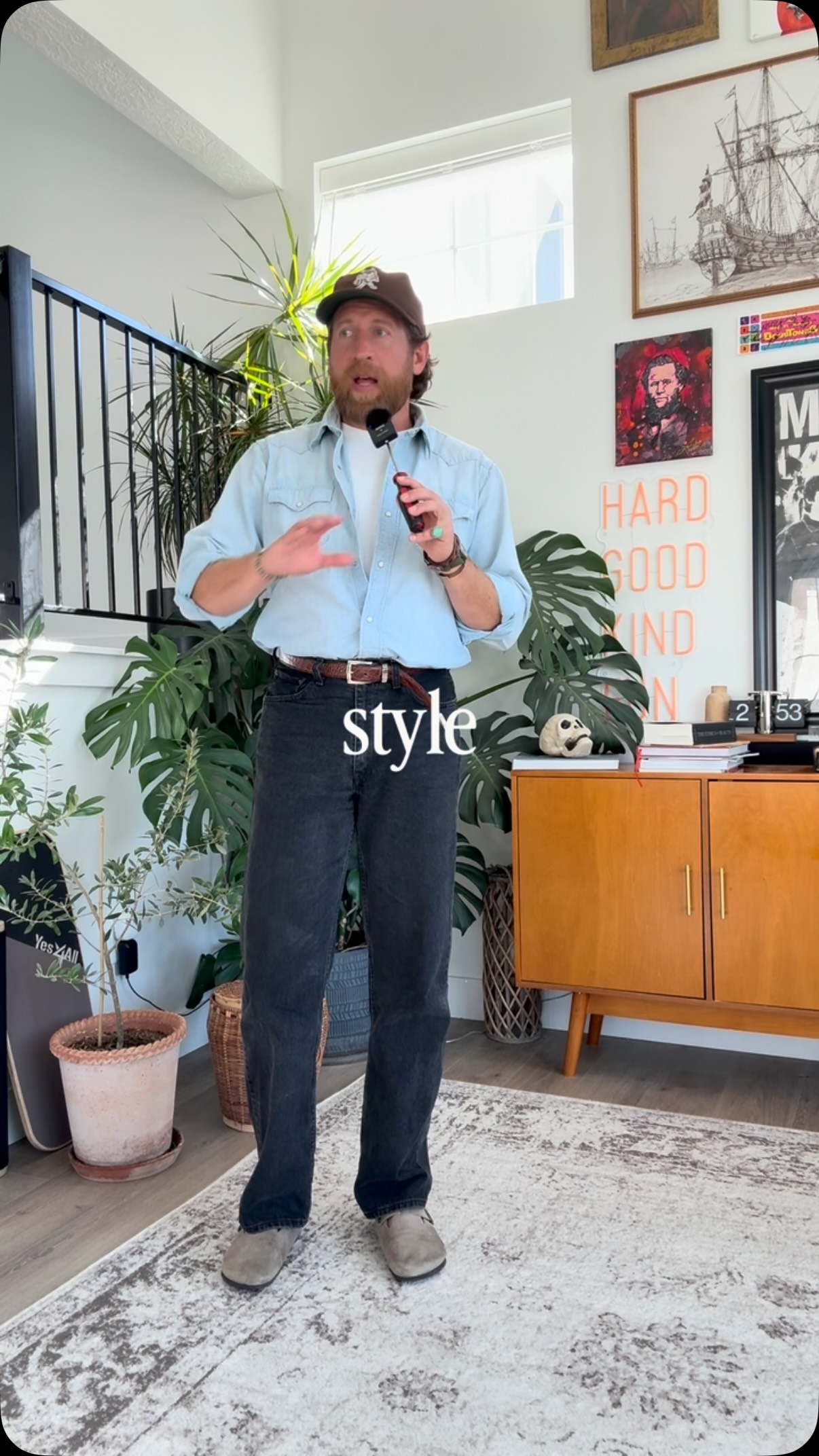 155.9KDemonstrates good vs bad styling@tannerguzy · Good vs Bad
 1.3M3.4×Breaking down an icon's fashion.@frontoffice.co · Case Study Breakdown
 286K58.4×Street style outfit breakdown interview@coolgirlwears · Lifestyle Showcase
 770.1K1.7×Comparing three designers' jacket interpretations@frontoffice.co · Case Study Breakdown
 459.8K87.6×History of rebel fashion explainer@henrythekidd_ · Breakdown
 191.6K10.4×Analyzing Zendaya's recent outfits@johnmvilla2 · Breakdown
[04]
[05]
What stops the scroll in the first 3 seconds
Title hook
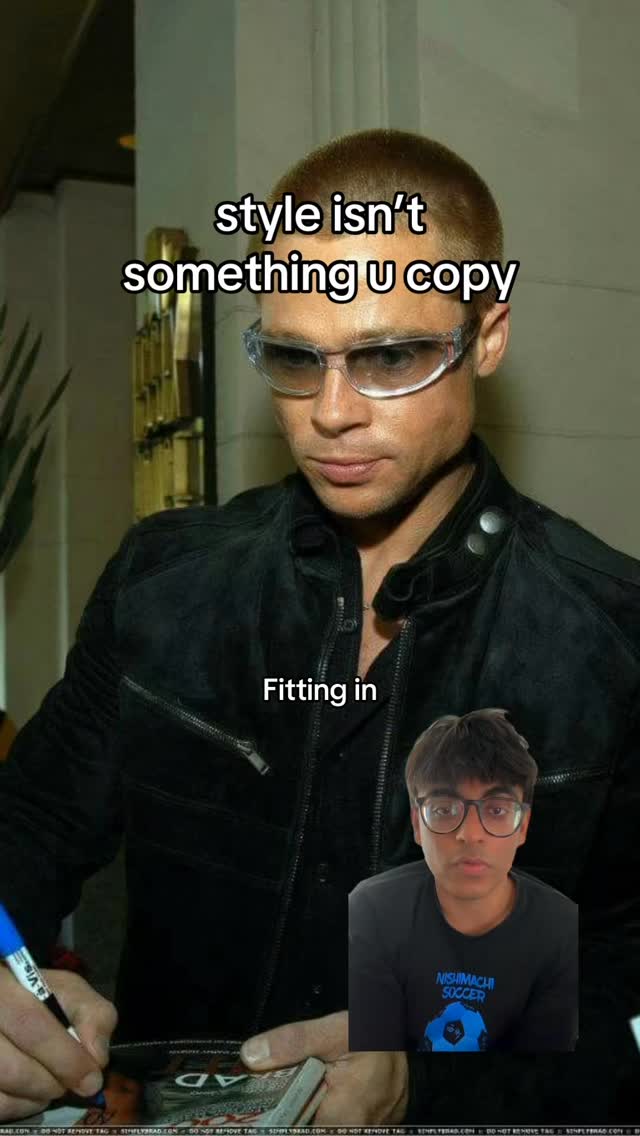
style isn't something u copy
Verbal hook
Fitting in is easy. Standing out takes taste.
Visual hook
A stylish, slightly retro photo of a young Brad Pitt wearing a black jacket and distinctive wrap-around sunglasses, immediately establishing a cool aesthetic and the video's subject matter.
[07]
The promise the opener makes, and how the video pays it back
Hook
A bold, philosophical statement that establishes a binary opposition (e.g., fitting in vs. standing out) and sets up the video's central theme of taste and individuality.
Payoff
The video concludes by reframing the initial thesis into an empowering, actionable piece of advice for the viewer, encouraging personal interpretation over direct imitation.
[08]
The structural pattern this video runs on
Framework
The Case Study Deconstruction
To prove a central thesis by breaking down a well-known example into its constituent parts, analyzing each part to support the main argument, and concluding with a broader, empowering lesson.
The Thesis & The Exhibit
The core argument is stated ('Style isn't something you copy'), and a specific, popular piece of media is introduced as the primary evidence to be deconstructed.
The Foundational Context
Crucial background information is provided on the 'creator's intent' behind the exhibit, explaining the 'why' before the 'what.' This establishes the problem that the exhibit was designed to solve (e.g., avoiding 'interchangeable' looks).
Analysis Loop 1: The Archetype
The first key component of the exhibit is analyzed. Its characteristics are described and explicitly linked to its function or purpose within the larger system, setting a baseline for comparison.
Analysis Loop 2: The Variation
A second component is analyzed, specifically highlighting how it differs from the first while still belonging to the same system. This demonstrates range and nuance within the established rules.
Analysis Loop 3: The Extreme
A third component is analyzed, representing the most exaggerated or unconventional interpretation of the system's rules. This proves the flexibility and breadth of the core concept.
The Synthesis
The individual analyses are tied together, reinforcing the idea that all the different parts, despite their variations, contribute to a single, cohesive whole while maintaining their individuality.
The Bridge to Reality
The lesson learned from the case study is explicitly applied to a broader, real-world context, often critiquing a common mistake or misconception (e.g., treating aesthetics like a uniform).
nobody in this crew dressed the same, on purpose. Comment what style we should explore next ⬇️ #fashion #style #styleinspo #bradpitt #oceans11
title · beginning
style isn't something u copy
Sitting in is best. Standing out takes taste. Ocean's 11 is a perfect example of this. When the costume designer Jeffrey Kerland was faced with this movie, he decided to move deliberately away from the 1960s original where they were all dressed in interchangeable suits. Instead, he wanted to make the crew feel memorable giving them each their own personality and character. Danny Ocean was the cleanest and most classic interpretation of this, wearing composed understated suits, showcasing his character as the guy with the plan and in charge of the crew. Rusty, played by Brad Pitt, is clearly from the same style worse, but a completely different version of it. His character is much more relaxed and expressive, seen through his style choices with tinted glasses, looser shapes in his suits, and his clothes worn more casually rather than precisely. And finally, Reuben, pushing that Vegas aesthetic to the max. His outfits are louder, more outlandish, and you can clearly see the wealth through what he wears. Chains he wears, the different suits, the jewelry. You can definitely tell that he's part of the crew, but I can see his character coming out through what he wears. Even with 11 different wardrobes for each of the members of the crew, they still share the no crime money heist aesthetic, but just different interpretations of that world create create each of their outfits. Ocean's 11 showcases that people don't need to treat aesthetics like constructions. Oftentimes, people like the same aesthetic and they'll wear the same clothes. Having a uniform that doesn't look unique or interesting. But shared taste doesn't mean you have to have the same outfit. What makes style and taste interesting is not copying it, but what you can pull from that and what references you can use in your own clothes. Because good style isn't about finding tier uniform for the world that you like. It's about figuring out what your version of that world looks like.