@frontoffice.co
TikTok · Talking Head Edit
@frontoffice.co Bob Dylan and conveying big ideas through fashion #ad #acompleteunknown #levisaustralia #timotheechalamet

@frontoffice.co
TikTok · Talking Head Edit
@frontoffice.co Bob Dylan and conveying big ideas through fashion #ad #acompleteunknown #levisaustralia #timotheechalamet
Performance
Video #8172 · Talking Head Edit
[01]
The creator analyzes the style evolution of Bob Dylan across two distinct eras, as portrayed in the film 'A Complete Unknown.' He first breaks down Dylan's early 1960s folk 'everyman' aesthetic, explaining how the workwear fabrics, loose silhouettes, and earth tones communicated a blue-collar identity. He then contrasts this with Dylan's mid-60s electric phase, where a new idea of independence was conveyed through tailored suits, extreme color choices, and bold accessories, before trying on outfits inspired by both eras and reflecting on how clothes communicate ideas.
[02]
[03]
 499.1K145.7×Historical breakdown of streetwear origins@henrythekid · Culture Profile
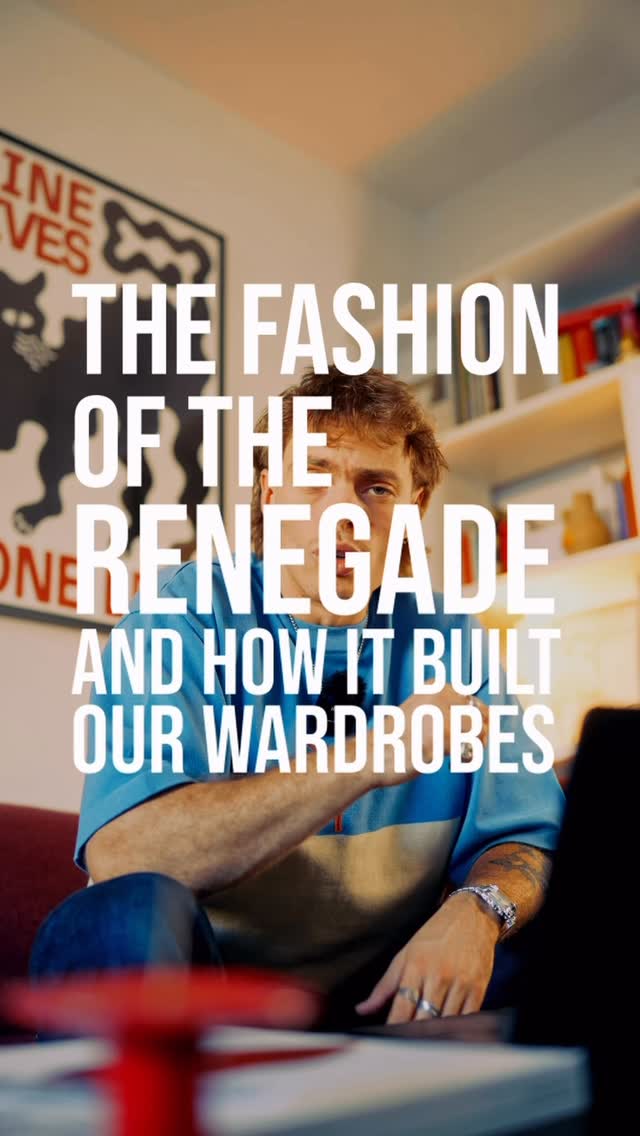 459.8K87.6×History of rebel fashion explainer@henrythekidd_ · Breakdown
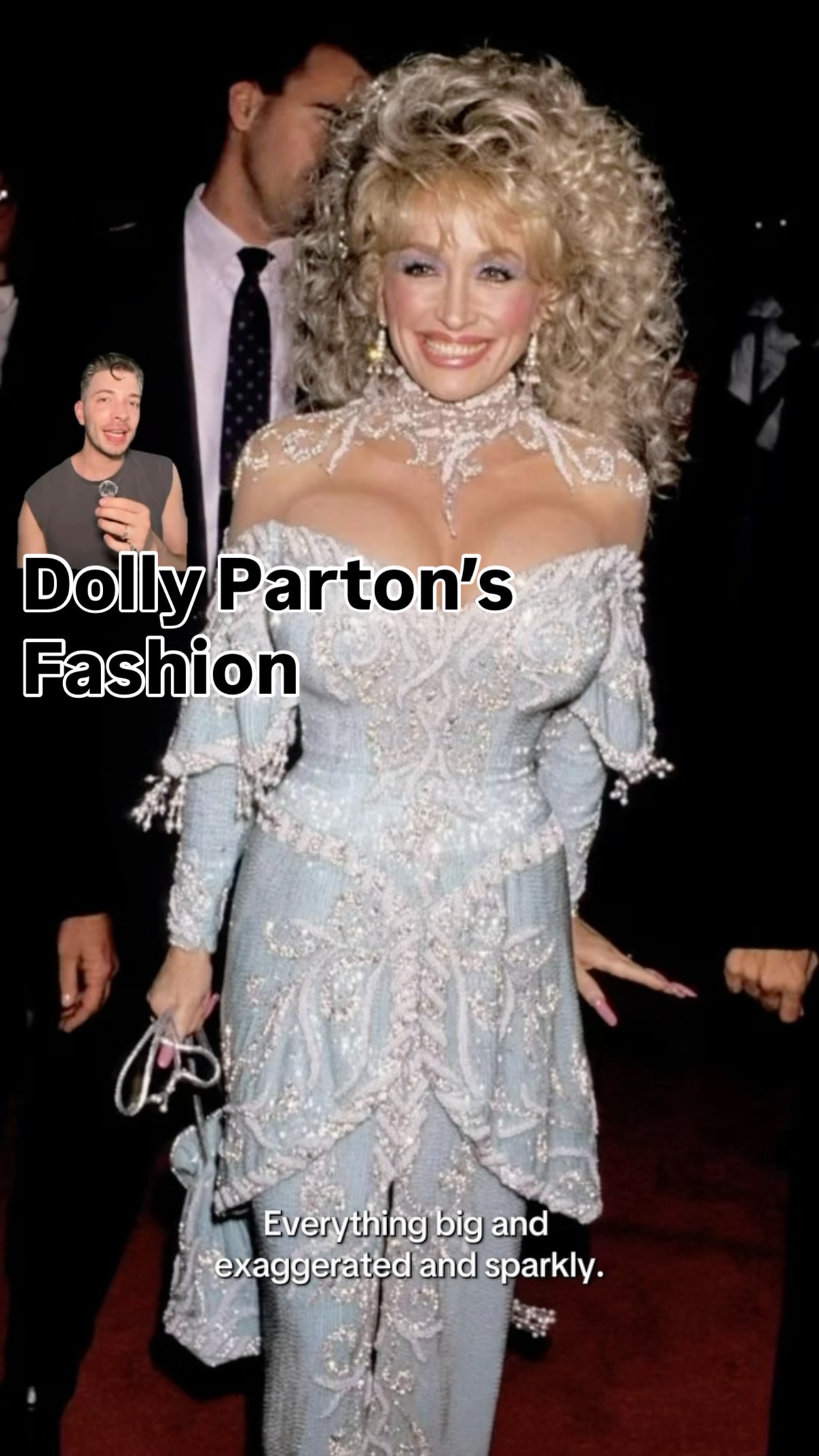 843.1K79.9×Creator analyzes iconic celebrity fashion.@johnmvilla2 · Character Profile
 272.3K48.1×Explaining the skinny vs baggy cycle@peter_reitano · Evolution Showcase
 9.7M2×Showcasing diverse men's fashion styles@wisdm · Evolution Showcase
 433.1KFilm style analysis explains individuality@trycloseted · Case Study Breakdown
 157.3K1.7×Breaking down Brad Pitt's style@henrythekidd_ · Evolution Showcase
 770.1K1.7×Comparing three designers' jacket interpretations@frontoffice.co · Case Study Breakdown
 155.9KDemonstrates good vs bad styling@tannerguzy · Good vs Bad
 324.6K3.9×Analyzing celebrity style with examples@clayton.chambrs · Breakdown
 278.6KRecreating my 2014 college uniform@fridaysaturdaysunday · Origin Story
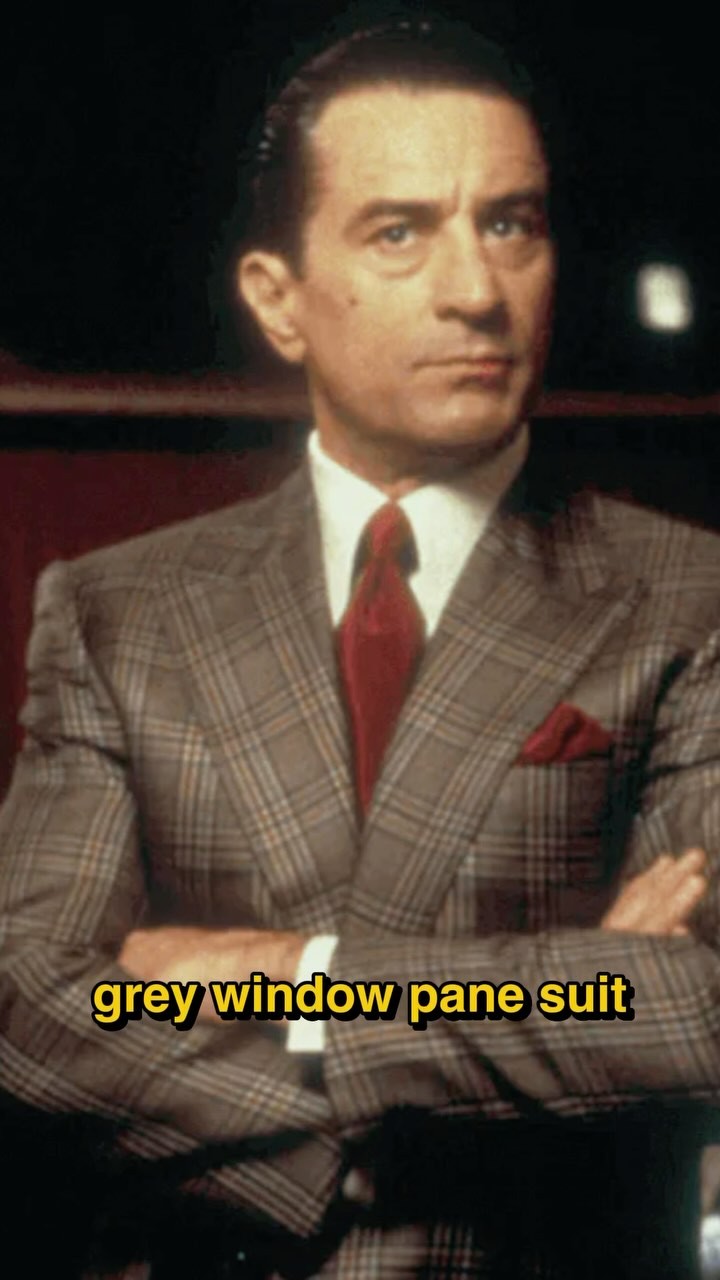 128.6K1.4×Movie costume design case study@henrythekidd_ · Breakdown
[04]
[05]
What stops the scroll in the first 3 seconds
Verbal hook · 45%
So this is Timothy Chalamet playing Bob Dylan, and this is Bob Dylan also playing Bob Dylan.
Visual hook · 55%
A full shot of Timothée Chalamet in a distinct vintage outfit, followed by a quick cut to a historical photo of the real Bob Dylan, creating an immediate visual comparison and establishing the video's premise.
[07]
The promise the opener makes, and how the video pays it back
Hook
Introduce a central figure or concept by immediately presenting two different versions of it, creating a mystery about its multiple identities.
Payoff
Abstract the specific story of transformation into a universal, empowering takeaway. This final beat encourages the viewer to apply the core principle (communicating ideas through tangible choices) to their own life, making the content feel valuable beyond its initial subject.
[08]
The structural pattern this video runs on
Framework
The Transformation Thesis
To analyze a subject's evolution through two distinct, contrasting phases by deconstructing the tangible elements of each phase, explaining the 'why' behind the change, and culminating in a universal principle that the audience can apply to their own lives.
The First Identity Thesis
Clearly define the subject's initial state or 'big idea.' This establishes the baseline reality and the core concept associated with this first phase.
The Tangible Deconstruction (Part 1)
Translate the abstract 'big idea' of the first phase into concrete, observable evidence (e.g., materials, colors, shapes, actions). This proves the thesis with physical details.
The Consequence of Identity (Part 1)
Explain the outcome or impact of the first identity. This validates its effectiveness and establishes what is at stake before the change.
The Narrative Pivot
Signal a clear and decisive break from the established state with a transitional phrase like 'But this doesn't last forever.' This creates anticipation for the transformation.
The Second Identity Antithesis
Introduce the new, contrasting 'big idea' and the motivation behind the change. This establishes the new thesis that directly opposes the first.
The Tangible Deconstruction (Part 2)
Translate the new 'big idea' into concrete evidence, often highlighting direct contrasts with the evidence from Part 1. This demonstrates the physical manifestation of the change.
The Consequence of Identity (Part 2)
Explain the outcome of adopting the new identity, solidifying the reality of the transformation.
The Unifying Frame
Reveal that the entire analysis of this transformation serves as a lens to understand a specific product, film, or event, tying the narrative to an external call to action.
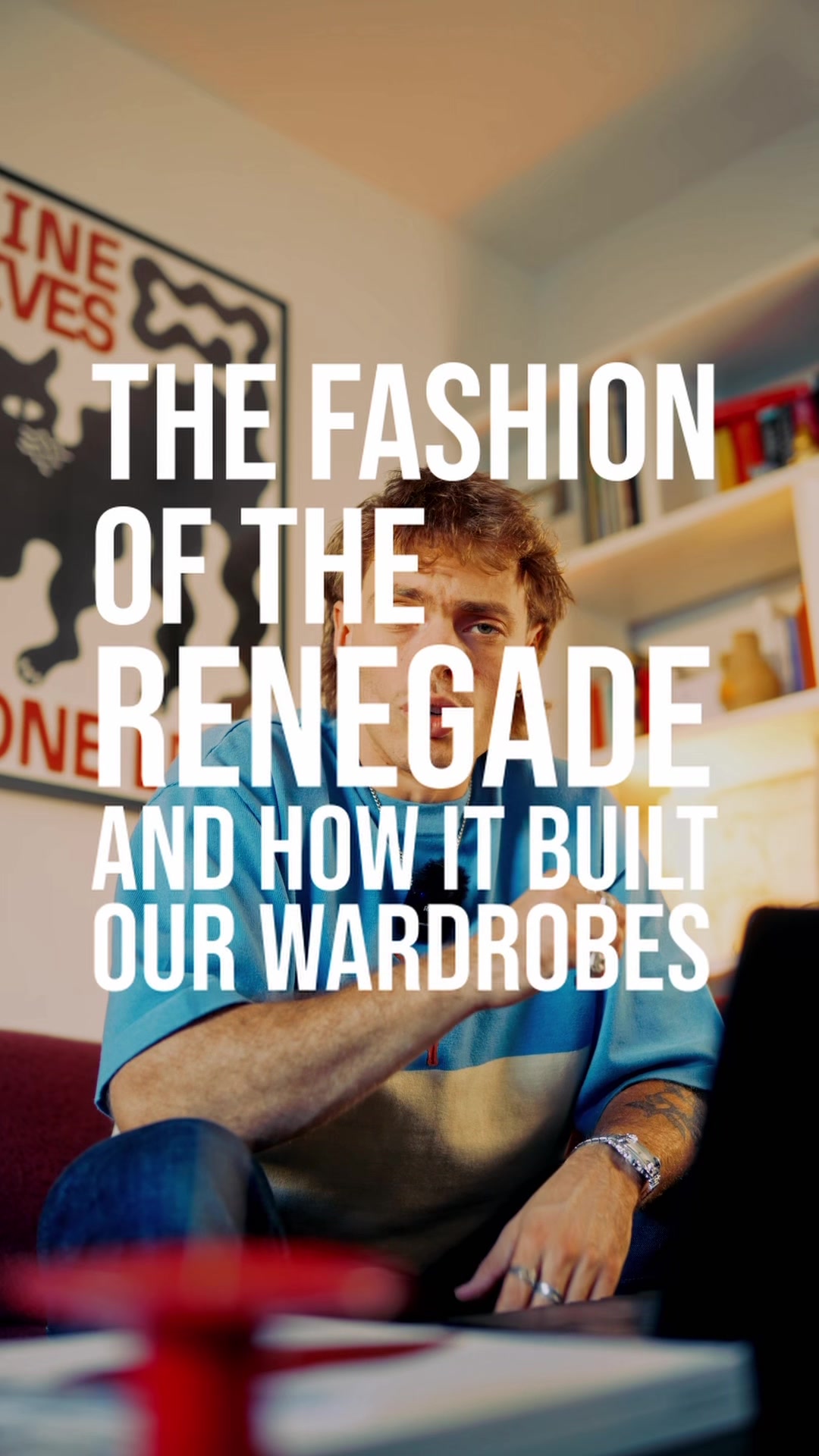
Bob Dylan and conveying big ideas through fashion #ad #acompleteunknown #levisaustralia #timotheechalamet
contextual · beginning
a different big idea
contextual · beginning
a blue collar aesthetic
contextual · beginning
hard wearing
contextual · middle
earth toned or something
contextual · middle
being the 'Everyman'
contextual · middle
a lot more tailored
contextual · middle
polka dot shirts
contextual · end
Dylan goes electric
contextual · end
these two phases
contextual · end
visual communication
contextual · end
the Folk Music Dylan
contextual · end
the Electric Dylan
contextual · end
via silhouette
contextual · end
via fabric
contextual · end
via colour
contextual · end
via clothes
contextual · end
into someone else
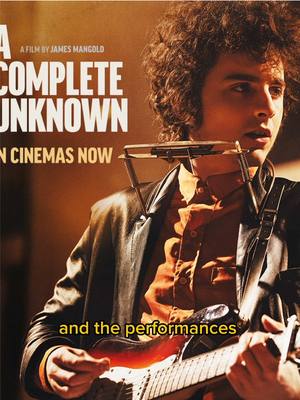
Alright. So this is Timothy Chalamet playing Bob Dylan, and this is Bob Dylan also playing Bob Dylan. And here he is playing another version of Bob Dylan. And that's kind of what Bob Dylan's career was like. As he moves from era to era, he has a different sound, a different good. Each tier, a different big idea. So when Bob Dylan arrives in Greenwich Village in the early nineteen sixties, he's shot right in the middle of the folk music scene. And the big idea to be conveyed, not only in the music, but also in the clothes, is the idea of the everyman, a blue collar aesthetic. So how do we turn that idea of the working class into a three-dimensional object? So that turns into decisions about fabric. It has to be hard wearing. So we're looking at fabrics like denim, like corduroy, like cotton duck cloth. And these blue collar clothes are usually built for worse, so the silhouette is loose to be comfortable. In terms of color, these wardrobes are usually small no it has to be earth toned or something that doesn't stand out that can be matched with many other clothes. This idea of being the everyman travels from his head to the head of his audiences and this helps him become the new face of the folk music movement. This helps him slot right next to his heroes, Woody Guthrie and Pete Seeger, like legends of folk music. But this doesn't last forever because in the mid nineteen sixties, Bob Dylan wants to communicate a different idea. His new big idea is about independence because he finds that he's better constrained by the folk art movement. So that loose comfortable workwear silhouette becomes a lot more streamlined, a lot more sleeker, a lot more tailored. His choices of color become quite extreme no he's either old and black better when he does have visual interest it's pretty extreme with these polka dot shirts and the way he presents himself with his wild hair and the sunglasses. And he does all this no that people realize that this is a new phase. Dylan goes electric. Dylan is not part of this folk movement anymore. And the great thing about this movie is that it is all about these two phases of his career. And you get to see this transition, not only in the music, but also in the look, in the attitude, the feelings, the ideas. And what will probably get a lot of attention is the acting and the performances, but it's almost worth watching the movie just to see that visual communication of these ideas. So the films and cinemas now are complete no, a film by James Mangold, costume designer is Arianne Phillips, and after watching the movie you might be inspired to dress like Bob Dylan. Like rank I try on the folk music Dylan? Can I try on the electric Dylan? But I think the more exciting takeaway is this idea of how can I communicate like via silhouette, via fabric, via color no that the ideas in my head get to travel via clothes into someone else? And if your big idea is powerful enough and if you are skilled enough in doing it, that person can be in a different country fifty years from now.