@frontoffice.co
TikTok · Talking Head Edit
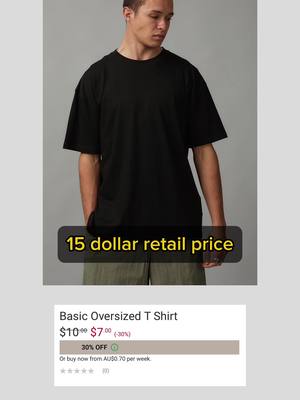
@frontoffice.co The $15 dollar t-shirt #fashiontiktok #whitesville #merzbschwanen #fashion

@frontoffice.co
TikTok · Talking Head Edit
@frontoffice.co The $15 dollar t-shirt #fashiontiktok #whitesville #merzbschwanen #fashion
Performance
Video #6710 · Talking Head Edit
[01]
The creator explains the complex and resource-intensive supply chain behind a standard $15 t-shirt. He breaks down the process from cotton farming, highlighting the significant water and resource usage, to the spinning, weaving, and sewing stages, which involve manual and often underpaid labor in various countries. The creator argues that the consumer expectation of a $15 price point necessitates reliance on exploitative labor practices and reflects a disposable view of clothing, urging viewers to reconsider what they consider a "normal" price.
[02]
[03]
 1.6M2×Explaining luxury t-shirt manufacturing process@alextwma · Opportunity Explainer
 1.7M25.8×Cheap vs expensive cotton explained@fineasjackson · Breakdown
 103.9K1.9×Explaining true T-shirt quality history@gents.studios · Breakdown
 278.1K19.4×Explain hoodie quality and pricing@fineasjackson · Breakdown
 210.4K27.3×Five hidden clothing quality signs@gents.studios · Breakdown
 377.8KFounder's problem-solving business story@frontoffice.co · Origin Story
 156.4KExplaining sustainable fashion thread tech@alextwma · Breakdown
 1.2M16×Clothing quality check explainer@wangjenniferr · Tutorial / How To
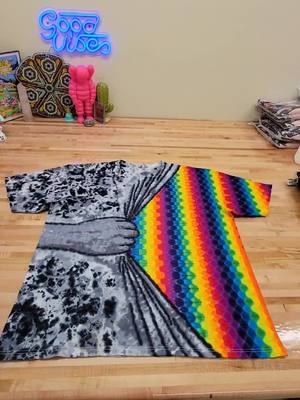 5.8M7.4×Tie-dye process start to finish@dyesngoodvibes · Process
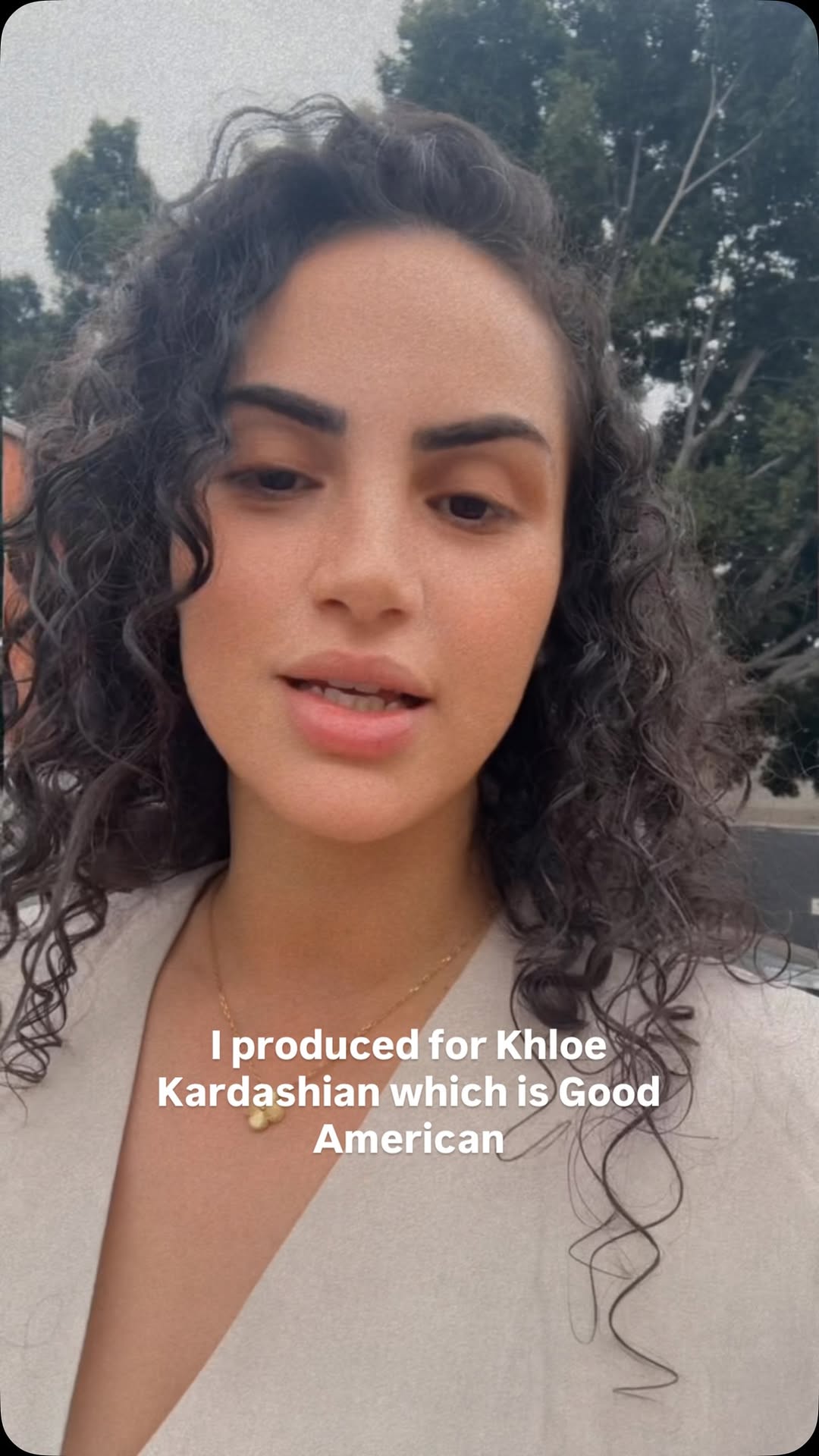 415.2K41×Clothing manufacturer explains her process@cali.nina · Origin Story
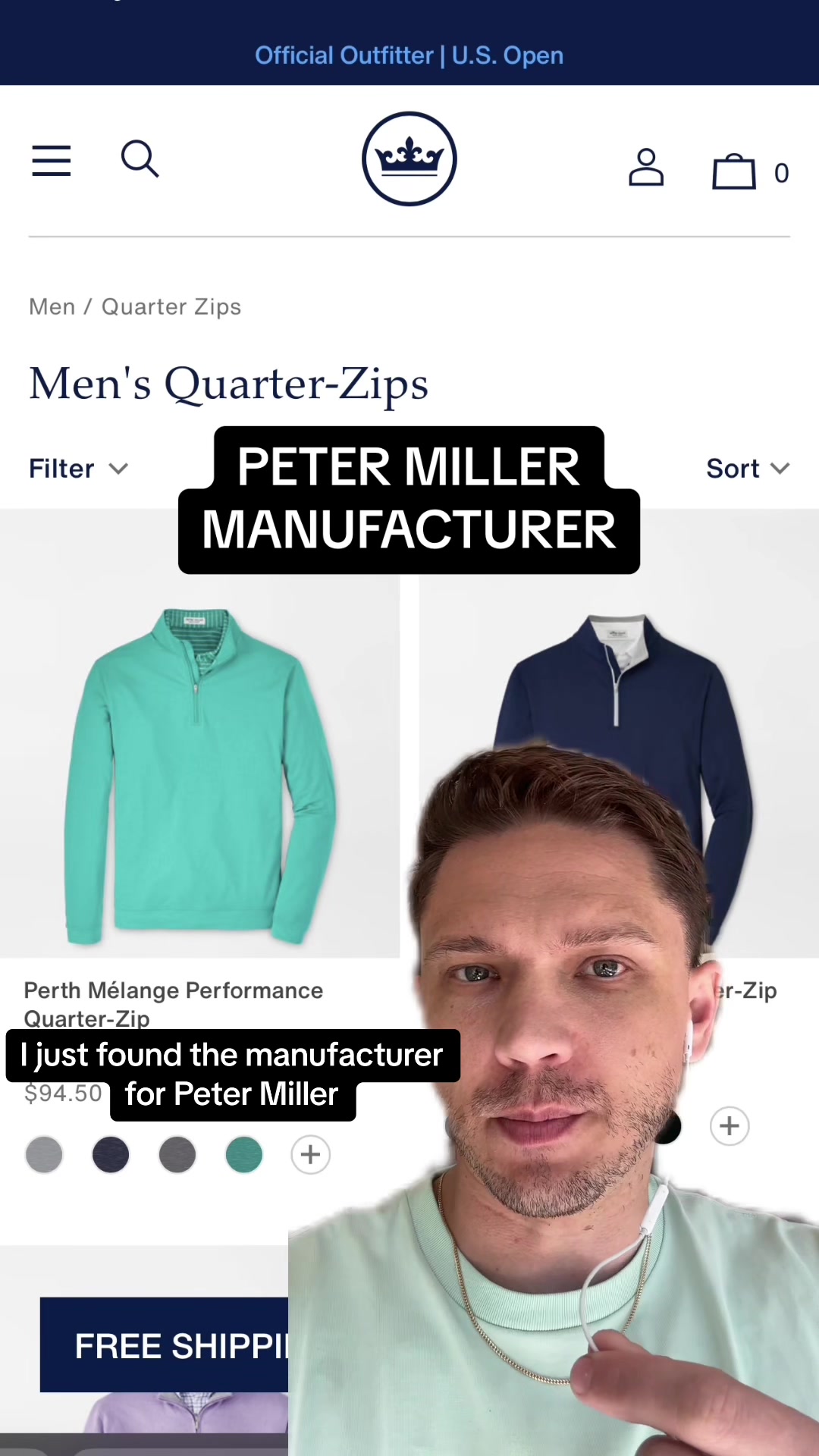 997.2KGreenscreen brand supply chain breakdown@landforce_ · Behind The Scenes
 89.5KCreator reveals making famous hoodies@cali.nina · Behind The Scenes
[04]
[05]
What stops the scroll in the first 3 seconds
Title hook · 15%
alright let's talk
Verbal hook · 20%
Alright. Let's talk about tier shirts.
Visual hook · 65%
The video opens with a visually striking and culturally relevant image of actor Jeremy Allen White from the show 'The Bear', looking intensely at the camera, which immediately grabs attention.
[06]
Steal this for your own video
Open with a tight, intense close-up of staring into the camera before explaining the hidden cost of .
[07]
The promise the opener makes, and how the video pays it back
Hook
Isolate a universally familiar, low-cost item and pose a provocative question about why it's considered the standard, creating an immediate knowledge gap and sense of curiosity.
Payoff
Concludes by inverting the initial premise. Argues that the real issue isn't the existence of expensive alternatives, but the unquestioning acceptance of the 'normal' low-cost standard, forcing a complete paradigm shift in the viewer's perspective.
[08]
The structural pattern this video runs on
Framework
The 'Cost of Normal' Deconstruction
To take a commonly accepted, low-cost item or idea and deconstruct its entire lifecycle to reveal the hidden environmental, ethical, and human costs, ultimately reframing the viewer's perception of what is 'normal.'
The Origin Point
Traces the product back to its most basic raw material, establishing the beginning of the supply chain.
The Hidden Resource Cost
Details the unseen natural resources (e.g., water, land) required to produce the raw material, establishing the first layer of unacknowledged value and environmental impact.
The First Human Toll
Walks through the first stage of industrial processing, introducing the human labor element and exposing potentially exploitative conditions.
The Second Human Toll
Moves to the final assembly stage, reinforcing the theme of human labor and highlighting the global systems that facilitate it.
The Systemic Loophole
Reveals the specific economic mechanism or loophole (e.g., piece-rate pay) that enables low wages and high output, explaining *how* the low cost is structurally possible.
The Impossible Equation
Summarizes all the revealed inputs (resources, multiple labor stages, logistics) and juxtaposes them against the final low price, creating a logical paradox that proves the price is artificially low.
The Consumer Culpability Mirror
Turns the argument towards the consumer, suggesting that the acceptance of the low price is a direct reflection of their own disposable attitude and values regarding the product.
The $15 dollar t-shirt #fashiontiktok #whitesville #merzbschwanen #fashion
contextual · middle
China
contextual · middle
India, Vietnam
Alright. Let's talk about tier shirts. We've talked about $50 t shirts, $100 t shirts, but let's talk about normal $15 t shirts. And specifically, how did $15 become the new standard? So tier shirt starts with cotton. A cotton plant takes about nine months to good. And cotton is a very thirsty plant. When you're buying enough cotton for a t shirt, you're also buying the amount of water it takes. One t shirt, 1,700 liters, about four tier gallons. On top of that is pesticides, fungicides, seeds. Farmer has to pay for all of that. And when you think about the work and the resources, cotton, raw cotton becomes a very precious resource. And that's just raw cotton. They have to be spun and turned into yarn at a spinning mill. And that spinning isn't a completely automated process. These cotton fibers need to be fed into a machine by hand. So if you're working in a spinning mill in India, one of the largest producers, tier are specific programs no you'd typically be a teenage girl saving up for your dowry. That yarn gets knitted, woven into fabric. No that fabric can be machine cut better is sewn by a human being, a pair of hands. And for cheap labor, you commonly think of China, India, Vietnam, the three biggest garment industries in the worse. But cheap labor can be found anywhere, even in developed countries, even in America. The hack or the loophole is that workers are paid not by hour better by garment. When you're being paid by the seam or the piece, that encourages very fast but less than meticulous work. You're really paid to pump out tier shirts. So from plant to finished product, you have at least four human hands that touch that garment. Four pairs of hands as well as a bunch of international shipping results in a $15 retail price, which means that it was made for much, much yes, and that's what we consider as normal. In an ideal situation, these four people are paid fairly, are paid a living wage, but we also have to satisfy this $15 price. So we consistently have to rely on the most desperate, most hardworking people on the planet. We don't really consider that. We don't think of that because on the other side as consumers, we have this very established idea that a t shirt shouldn't cost more than tier. But really, the idea is a reflection of how you feel about clothes. You wear it for a year, throw it away. You print a funny joke or a picture for a bachelor party. Tier $15 idea is a reflection of how you live your life. Right? How this t shirt fits into your world. It doesn't recognize the four or five pairs of of hands that touch that garment. So nowadays, we hear about this $50, $100 t tier, and we think, what the hell is going on in the worse? Right? The world is crazy. But really, the true examination should be what we have now taken for granted, what we have considered normal. Bad should be thinking about what we have become accustomed to.