Post caption
let's move away from the 'perfect' to the most 'honest' to the best of our ability.
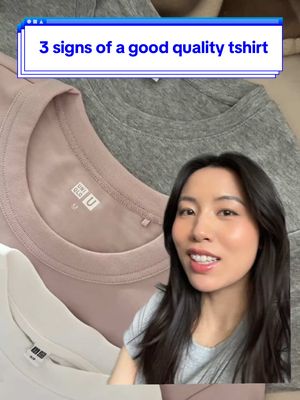
I still have a big video to go through about t-shirt construction and things to look out for when shopping for one.
also if you're working with low-tension knit fabric, make sure it's pre-shrunk. 🤣
Transcript
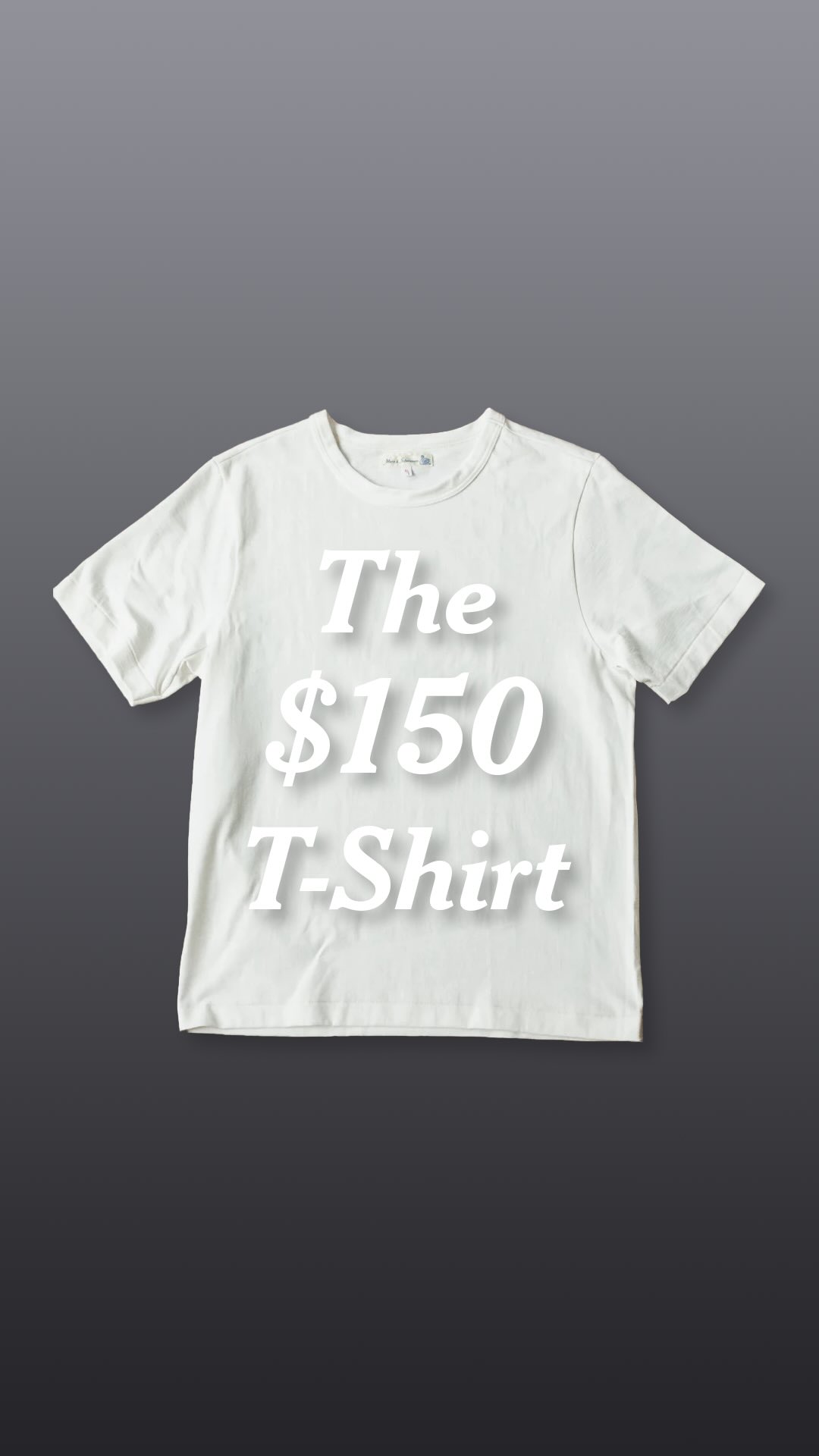
Have you been lied to about what makes a quality tier shirt? The original t shirt was military wear. It had to be warm, breathable, and move with the bad. And that mattered because one of the only machines capable of mass producing t shirts at the time worse loop wheel knitting machines, the same machines behind that, the better shirt. Here's the part no one talks about. Loop wheel machines had no inbuilt tension. They relied entirely on gravity, the weight of the garment pulling itself down. That means these shirts were knit under extremely low tension. Low tension creates fabric that's airy, soft, bouncy, and stretches naturally with the body. That's why the shirt looks painted on Jeremy Allen White. Low tension was bodycon technology before elastane ever existed. Fast forward to today, the market is dominated by 300 GSM tightly knit, heavyweight shirts. Yeah, they're durable, but they can hide cotton's true character. Plushy, organic, breathable yarn. And here's why brands are scared of soft shirts. To get that plush feel, you need low tension knitting and low twist yarn. That exposes more tier ends in the cotton. More fiber ends equals higher risk of pilling, and pilling is technically low quality, even if it's a structural trade off. But there are still ways to limit pilling even with these structural trade offs, and the main one is use of long staple cotton fibers like Supima cotton, which have less straight fibers. Here's the real issue. Low tension, low twist cotton is harder to care for. So brands cheat. They add elastane or synthetic blends. They use short staple cotton, the cheapest cotton, then crank up the tension and twist the yarn tight to hide it. That's why we moved from shirts that felt incredible, to boxy, heavy, oversized tees. You've been trained to think weight equals quality. Even muscle fit shirts today don't move, they restrict. And the irony? Most gym shirts are heavy and tight which literally kills breathability and movement. It's the exact opposite of what training demands. I see brands talk about, I created the perfect shirt every single day. But the only thing they can tell you is that it's heavy weight, cropped, boxy. Nothing about yarn, nothing about tension, nothing about construction. And I'm releasing my second shirt ever soon. And I'm going to be fully transparent about every decision behind it. The good, the points of improvements, and everything I know about it. If you want me to break down my interpretation of the most honest vintage inspired t shirt, drop a comment or a follow. Let's actually talk about quality.