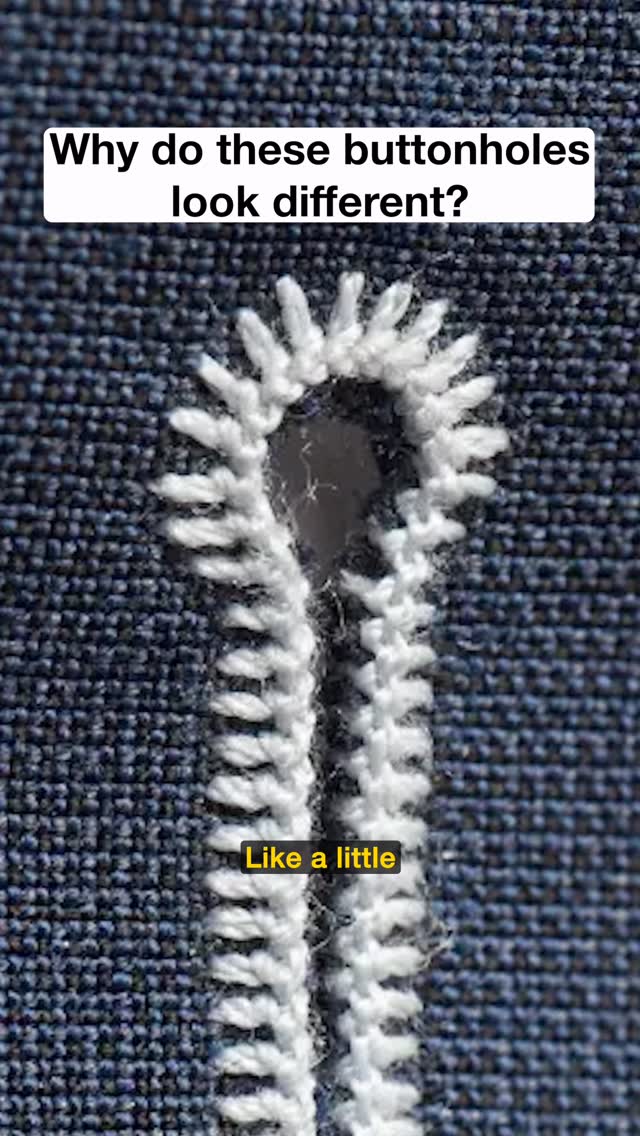
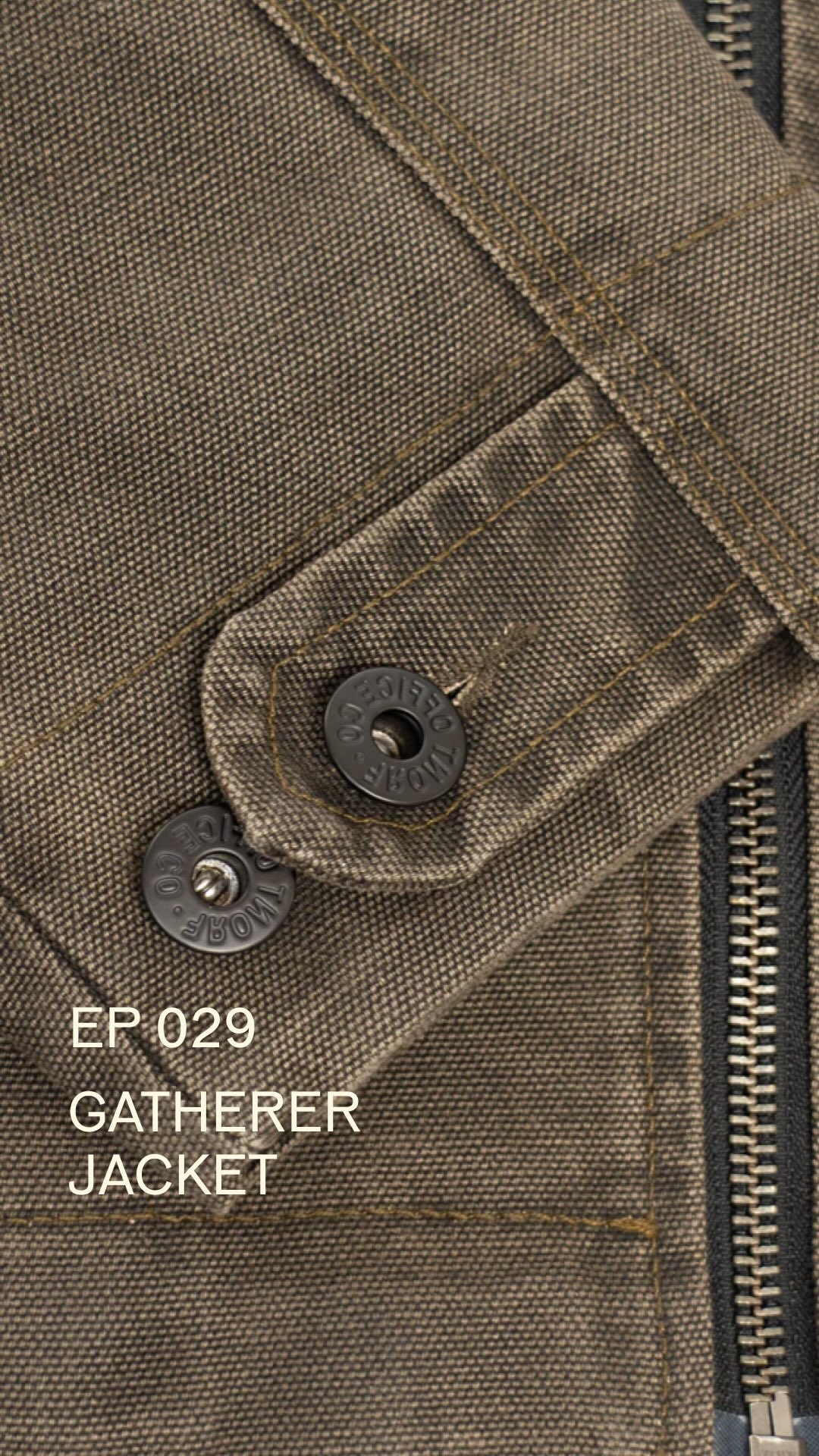
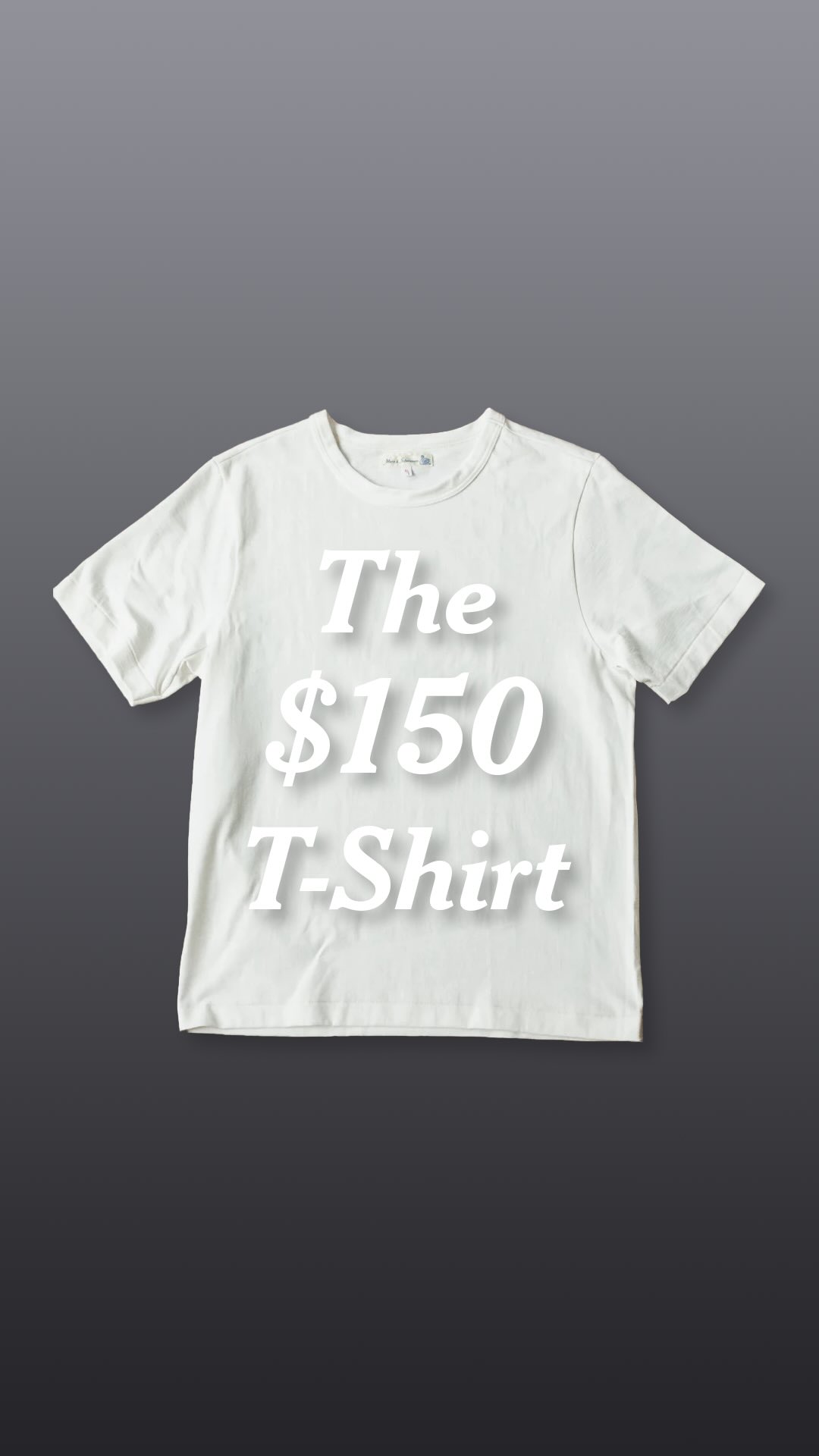
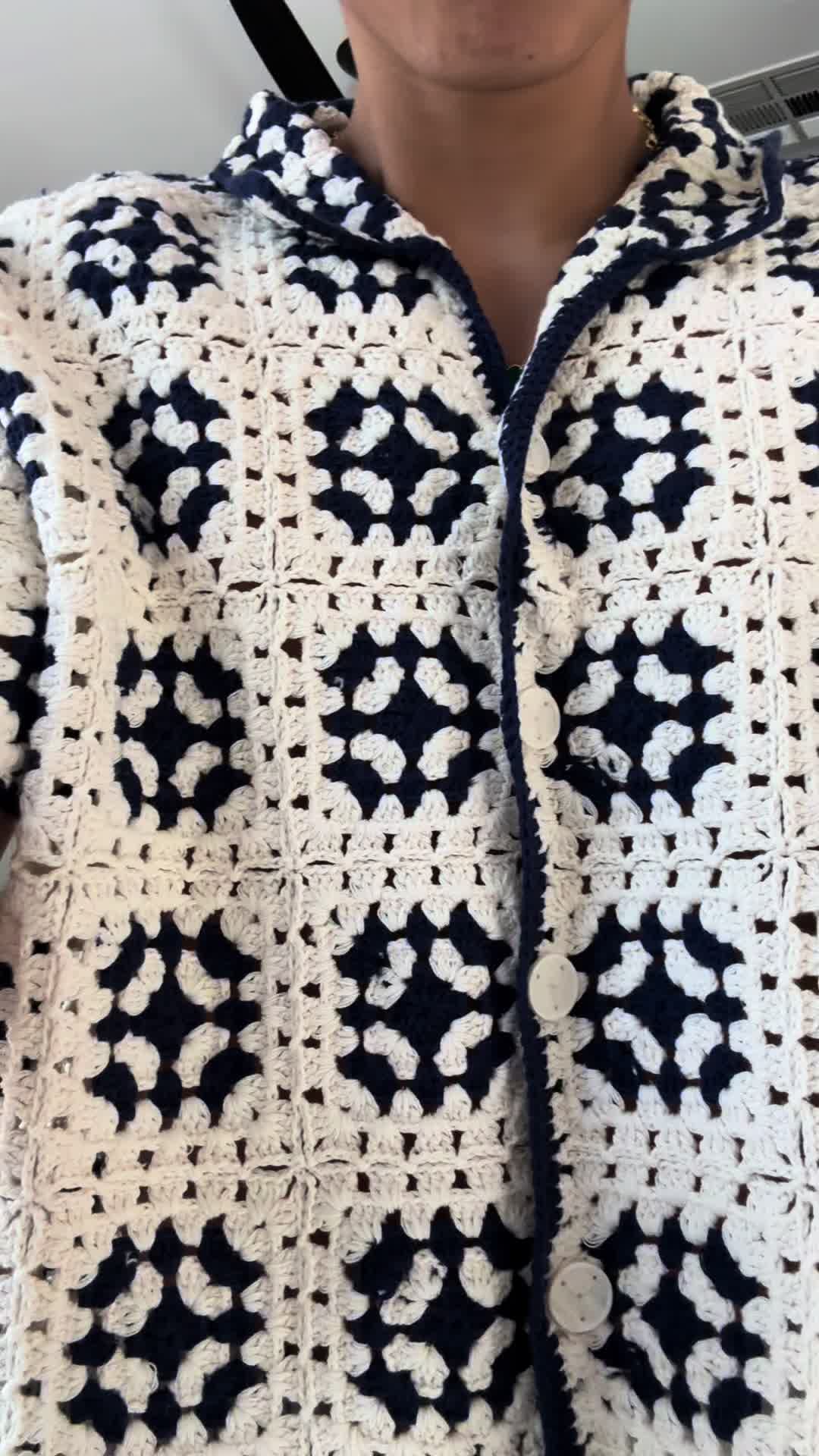
The creator debunks the myth that expensive clothing is only about better fabric and then presents an educational listicle of five hidden signs of high-quality clothing construction. He explains the functional benefits of shanked buttons, split-back yokes, gussets, reinforcement stitching, and pattern matching, using B-roll and images to illustrate each point and empower viewers to make more informed purchasing decisions.
Post caption
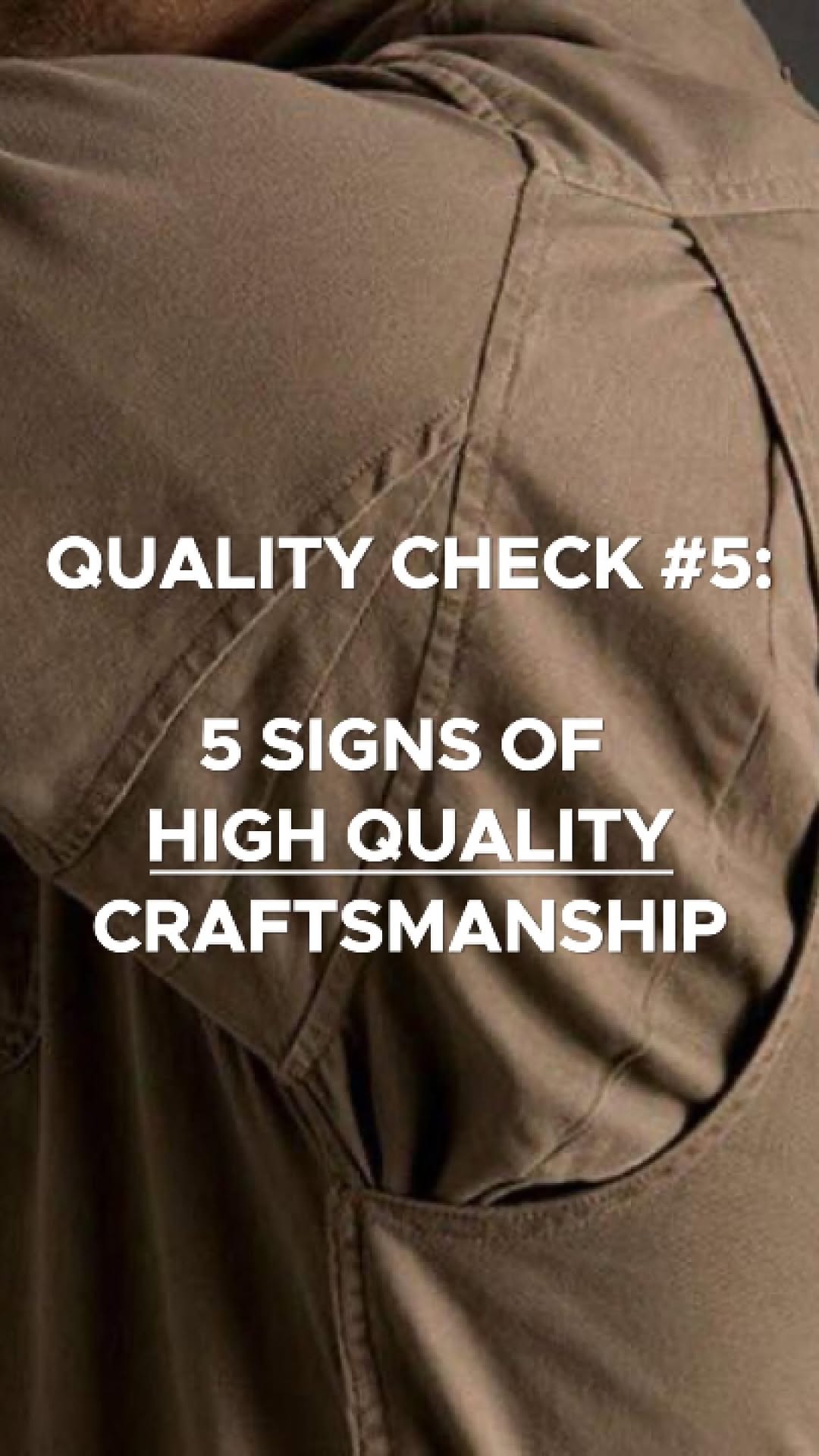
Quality check #5: 5 signs of intentional craftsmanship.
Find out if you’re paying for the brand, creative design or craftsmanship.
Did you learn anything new and what are some other signs of quality you would like to share?
#fashion #melbourne #clothingbrand #clothing
Transcript
I wish someone told me this earlier, but most people think expensive clothing is just better fabric. That's just not the case. You can have two shirts made from the exact same cotton, and one can last years while the other slowly falls apart after a season. The difference is usually hidden in places people never think to look, so welcome to Quality Check part five. Here worse best five signs of well made intentional clothing built to best. And number five is literally hiding in plain sight. First is button shanks. Look underneath the button. If it's stitched completely flat against the fabric, every time you fasten it, you're pulling directly against the fabric itself. Over tier, that area on the cloth gets stressed, stretched, and worn out eventually. On better garments, you'll sometimes see a small thread stem underneath the button, and that little gap gives the button room to move instead of constantly fighting the fabric. Secondly is split back yokes. Look at your anatomy, your upper back isn't just a flat rectangle, but most shirts treat the upper back like one. A split back yoke divides the upper back into two panels and joins them together, allowing subtle shaping and contouring around your shoulders, similar to the yoke at the bottom of your jeans. It sounds tiny, but the shirt ends up sitting on you better than just hanging off you. Third are gussets. Historically, they were used in military clothing and work wear because people realize seams almost always fail where movement and stress best. No instead of letting the fabric fight against itself, they inserted rank extra panel to distribute tension. No, number four is reinforcement stitching and bar tacks. These are so underrated. Those tiny best stitches at the ends of pockets, belt loops, and stress points. Garments rarely explode in the middle of no. They fail in predictable places. And good construction plans for that before it happens. And fifth, pattern matching. Take a striped or plaid shirt and look at the chest pocket. On cheaper production, you'll often see the pattern shift or break. But on more intentional garments, the pattern continues almost seamlessly across pockets and panels. No, does this one make the shirt stronger? No. But it means someone had to cut around the fabric carefully, more intentionally around the material, and spend more time building it properly. Most people only check the fabric, best construction is usually where the money actually went. If you wanna learn more, follow for part six of quality check and stop buying clothes based on marketing rank start understanding what you're actually paying for. Peace.