@theironsnail
Instagram · Talking Head Edit

@theironsnail Mean green pant machines!

@theironsnail
Instagram · Talking Head Edit
@theironsnail Mean green pant machines!
Performance
Video #31181 · Talking Head Edit
[01]
The creator explains the three key textile engineering principles that make 1940s-era military fatigue pants more durable than denim. He breaks down the differences in fabric weave (sateen vs. twill), yarn density, and the strategic reversal of warp and weft yarns to create a more resilient material.
[02]
[03]
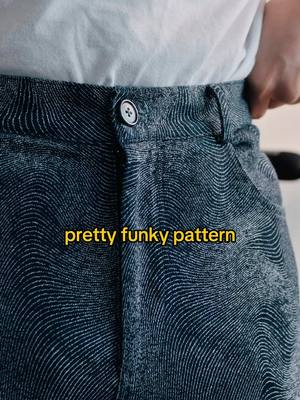 1.8M5.2×Debunks denim myths, shows innovations@frontoffice.co · Explainer
 4.2M6.8×Deconstructing denim's technical definition@frontoffice.co · Breakdown
 118.9K1.1×Explaining why a jacket was poorly made@crust_young · Breakdown
 361K1×Designer deconstructs the perfect dad jean@frontoffice.co · Breakdown
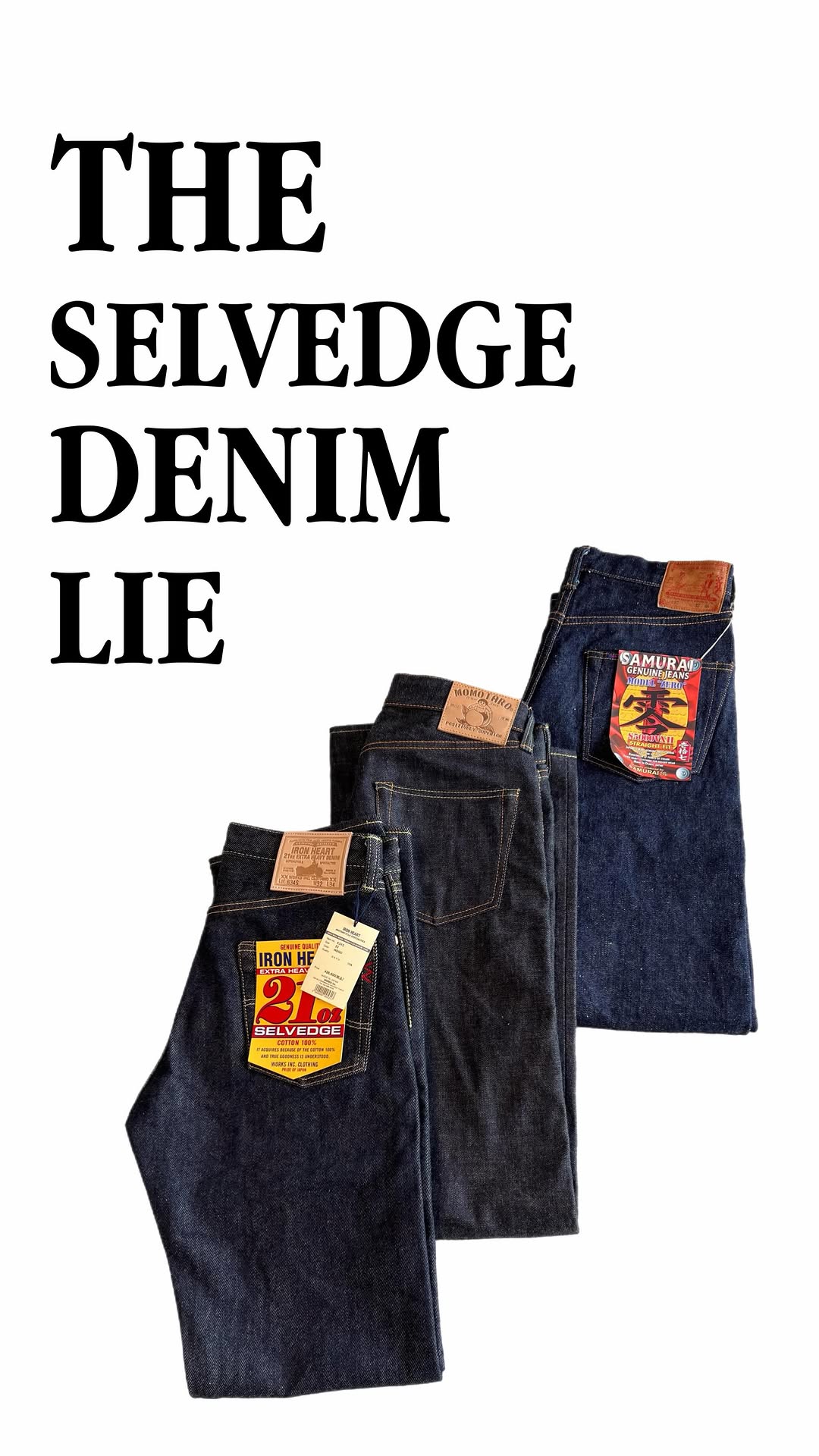 307.3K3.4×Explaining true denim quality factors@ceezee999 · Breakdown
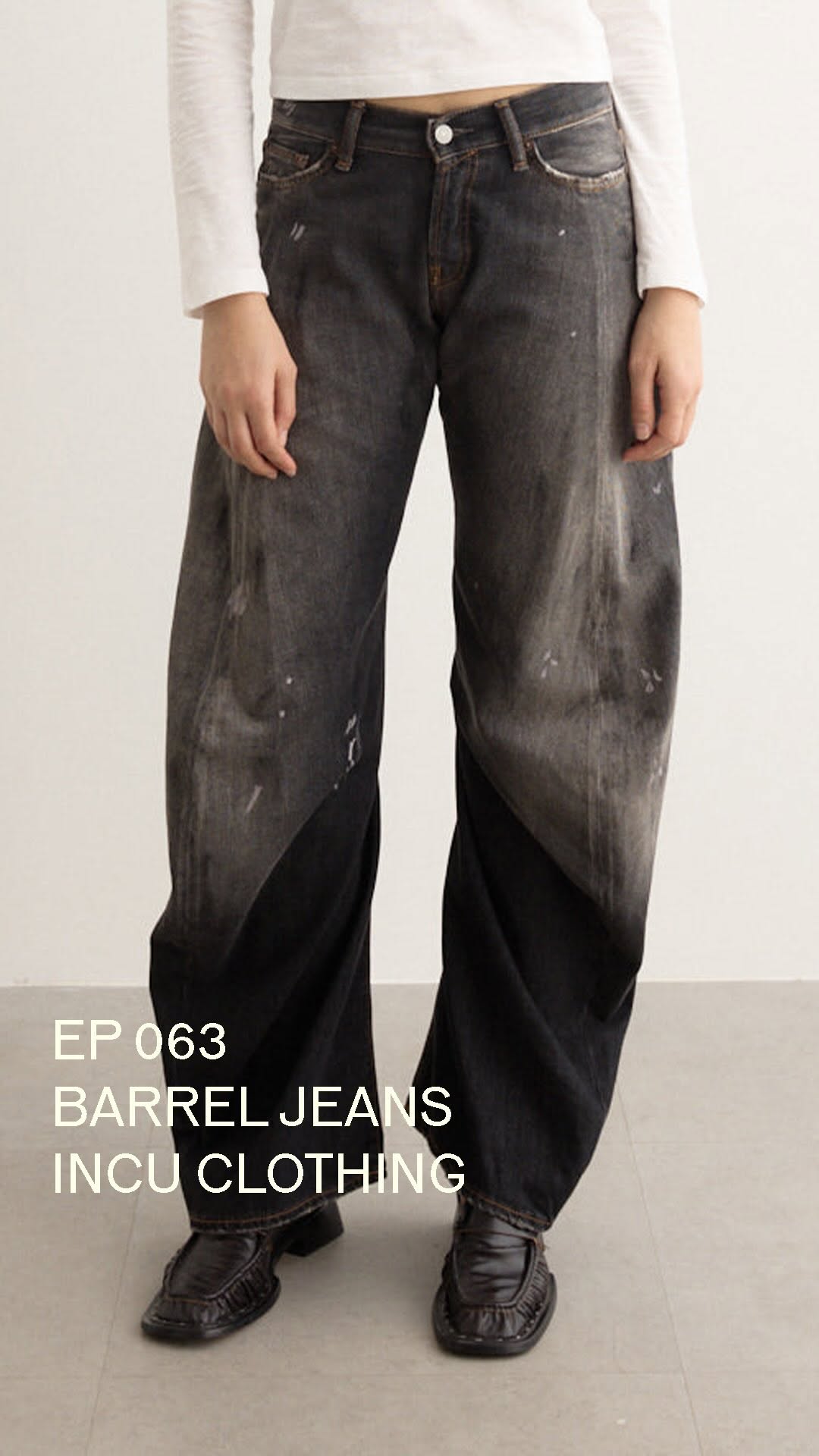 858.5K2.8×Expert explains barrel jeans history@sakata.ken · Breakdown
 110.7K8.2×Comparing cheap vs expensive denim.@fineasjackson · Breakdown
 480.1K1.1×Comparing three brands' design philosophies@frontoffice.co · Case Study Breakdown
 339.3KDeconstructing samurai pants design philosophy@frontoffice.co · Case Study Breakdown
 565.7K1.7×Explaining Japanese denim's origin story@sakata.ken · Origin Story
 558.3K4.7×Talking head apparel product promo@ceezee999 · Good vs Bad
 287.3K3.6×Explaining design mistake and solution@yitaigeng · Breakdown
[04]
[05]
What stops the scroll in the first 3 seconds
Title hook · 55%
110% more durable than denim jeans
Verbal hook · 40%
These green pants were developed in the nineteen forties by the US military and MIT researchers and found to be 110% stronger than denim.
Visual hook · 5%
The creator leans in close to the camera in an outdoor, wooded setting, making a precise hand gesture that draws focus while speaking directly to the viewer.
[07]
The promise the opener makes, and how the video pays it back
Hook
A bold, data-backed statement of superiority ('110% more durable') that creates an immediate knowledge gap and establishes the video's core premise.
Payoff
A concluding synthesis that recaps how the final innovation acts as a protective 'shield,' directly connecting the cumulative effect of all revealed secrets back to the bold claim made in the hook.
[08]
The structural pattern this video runs on
Framework
The Escalating Proof Blueprint
To prove a bold, quantifiable opening claim by revealing a series of increasingly clever technical innovations that explain the 'how' behind the claim.
The Central Question
The narrator explicitly poses the question that the hook implies ('So how do they make them so much more durable?'), directly addressing the viewer's curiosity and setting a clear agenda for the video.
Proof Point #1: The Foundational Change
Introduces the first reason supporting the claim. It contrasts the old, flawed method (twill weave) with the new, superior one (sateen weave), explaining the basic mechanical advantage.
Proof Point #2: The Compounding Advantage
Reveals a second reason that is a direct result of the first (denser yarn packing). This adds a layer of technical depth and demonstrates a multi-faceted solution.
Proof Point #3: The Counter-Intuitive Secret
Presents the final and most clever innovation (reversing the warp and weft), framed as a 'personal favorite.' This beat delivers the biggest 'aha!' moment by revealing a non-obvious solution.
Mean green pant machines!
title · beginning
110% more durable than denim jeans
contextual · beginning
by the US military
contextual · middle
Before
informational · middle
(a 2x1 twill)
informational · middle
#1: Switch the weave
informational · middle
#2: Pack the yarn super densely
contextual · middle
This report says that but in a really long-winded and scientific way
informational · end
#3: Turn the fabric inside out
title · end
WHAT IS THE WARP & WEFT?
These green pants were developed in the nineteen forties by the US military and MIT researchers and found to be 110% stronger than denim. No how do they make them so much more durable? That is the question. The first thing they did was switch the weave to a reverse sateen weave. Before the sateen weave, they were using a twill weave. At first, they were using denim and then they were using a herringbone twill. Twill weaves have a really strong diagonal line that you can see on denim pretty clearly. And when a fabric tears, it can run down those diagonal lines really, really easily. So denim got replaced by herringbone twill in the military because herringbone twill shifts direction every few rows and breaks up how a tear could propagate. But if you look at sateen, you can't really see that offset row anywhere. It's all pretty darn smooth no tier have a tough time going anywhere. Because of the nature of a reverse sateen, they can pack the yarns of the fabric way, way, way closer together and make it super dense. That density helps add a ton of strength and is also part of the reason this fabric's a little shiny. And then my personal favorite, number three, the blue yarns on the outside of denim, those are called warp yarns. Warp yarns are typically the big fancy super important yarns in a weave and they hold the structural integrity of the fabric together. So if those go, the fabric goes. So you usually put them on the outside because they're gonna handle anything you throw at them better than the weft yarns. But with fatigues, they said, hey, wait a minute. What if we worse that and had the weft on the outside and the warp on the inside? And that turned out to be a fantastic idea because the weft yarns then acted like a shield to the warp yarns under it. So you had to break through something to hurt the structural integrity of the fabric, and it became a 110% more durable.