@frontoffice.co
TikTok · Talking Head Edit

@frontoffice.co Hoodies, Draping and Luxury. #hoodie #fashiondesigner #streetwear

@frontoffice.co
TikTok · Talking Head Edit
@frontoffice.co Hoodies, Draping and Luxury. #hoodie #fashiondesigner #streetwear
Performance
Video #7724 · Talking Head Edit
[01]
The creator analyzes the design of Jerry Lorenzo's Fear of God hoodie, breaking down how its sculptural shape is achieved through pattern making and specialized fabrics. He then compares it to the more affordable Essentials line, explaining how material changes (like adding polyester) affect cost, feel, and environmental impact. Finally, he showcases an alternative design philosophy using a different brand's hoodie to illustrate how fabric choices can create drape instead of volume.
[02]
[03]
 278.1K19.4×Explain hoodie quality and pricing@fineasjackson · Breakdown
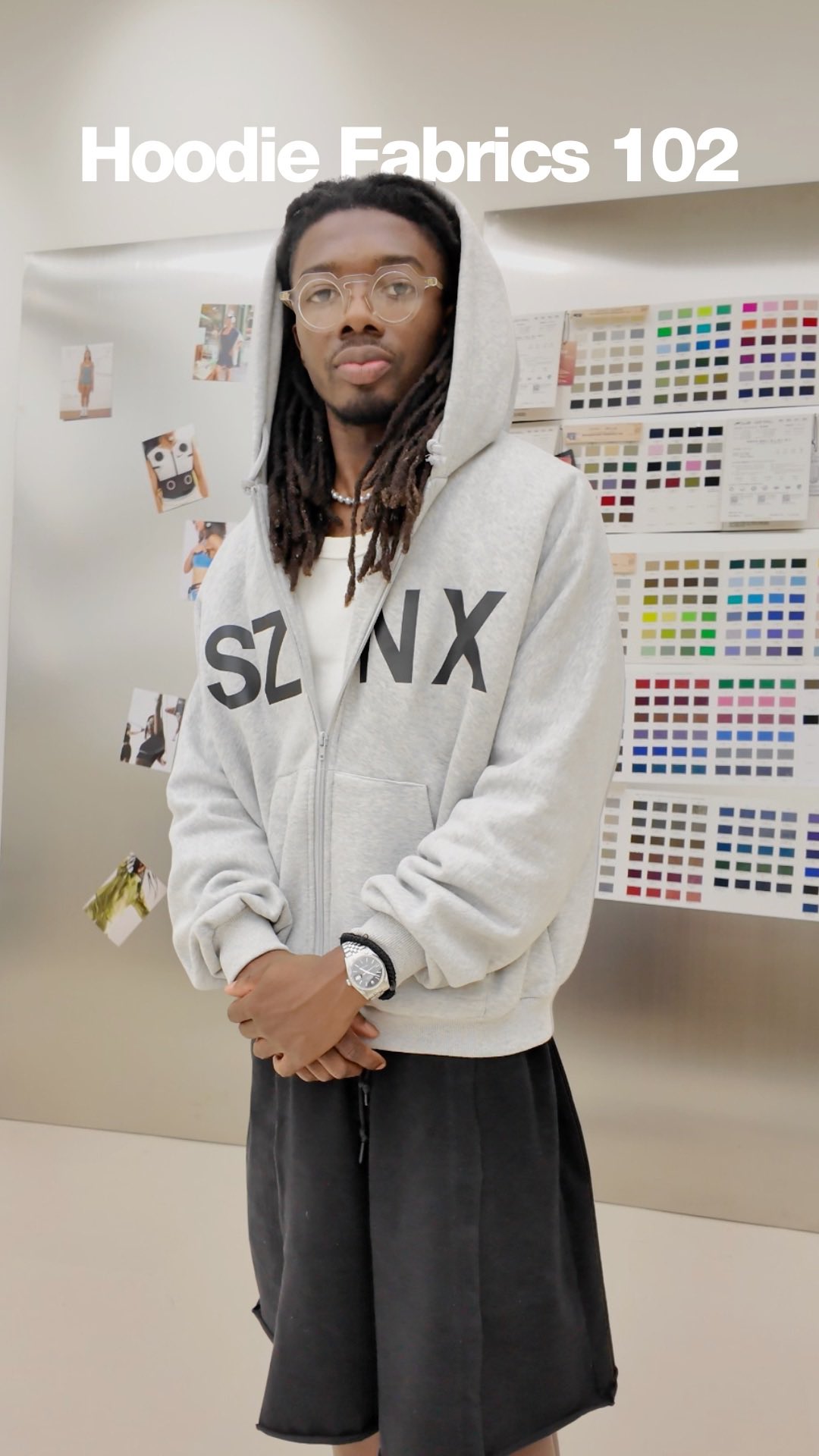 54K2.6×Expert recommends top hoodie fabrics@yaw_majesty · Resource
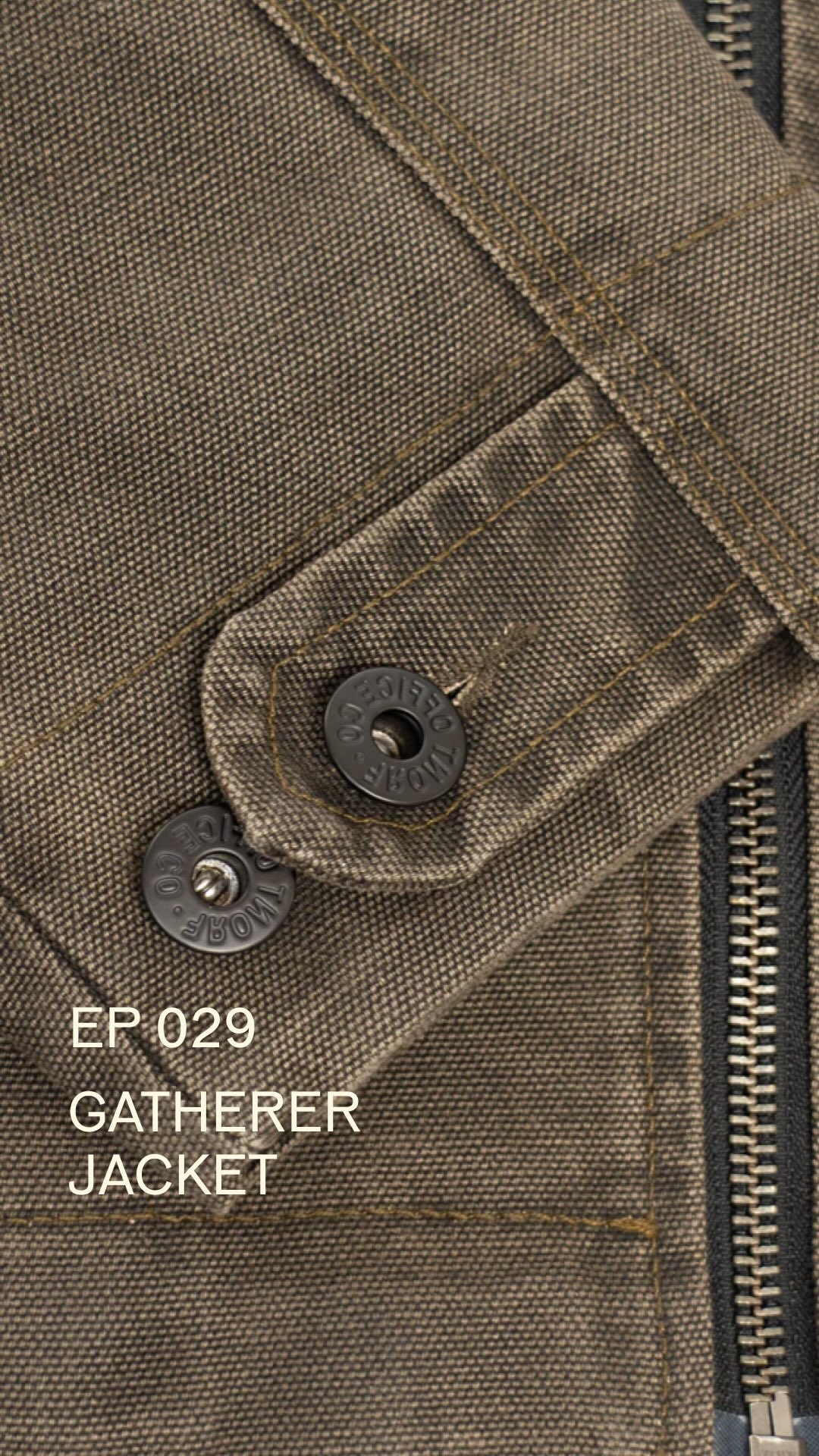 590K2×Jacket design process breakdown@sakata.ken · Breakdown
 158.6K2.3×Designer showcases his custom hoodie@yitaigeng · Product Showcase
 2M5×Explaining hoodie design problem-solving@frontoffice.co · Breakdown
 354.8KDesigner shows jacket creation process@frontoffice.co · Origin Story
 569.7K1.4×Solving production problems with design@frontoffice.co · Case Study Breakdown
 1.7MCelebrity hoodie hack product pitch@ceezee999 · Explainer
 814.7K1.3×Designer explains jacket creation process@frontoffice.co · Origin Story
 89.5KCreator reveals making famous hoodies@cali.nina · Behind The Scenes
 221.4K3.8×Making a custom hoodie gift@yitaigeng · Behind The Scenes
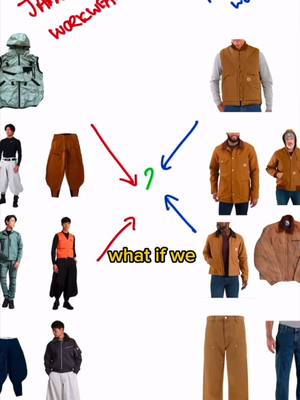 700.5K1.9×Deconstructing Japanese and American workwear@frontoffice.co · Breakdown
[04]
[05]
What stops the scroll in the first 3 seconds
Verbal hook · 35%
So this is Jerry Lorenzo's Fear of Good.
Visual hook · 65%
A speaker in a warehouse-like setting has a high-fashion, black-and-white image of a hoodie appear on screen next to him, creating immediate visual context and contrast.
[06]
Steal this for your own video
Stand beside a large, high-contrast image of , then point to its as you begin the breakdown.
[07]
The promise the opener makes, and how the video pays it back
Hook
Presents a culturally significant and influential item, establishing it as a worthy subject for a deep-dive analysis.
Payoff
Extracts a universal principle or empowering lesson from the comparison, concluding that there are multiple valid approaches to a problem and encouraging a more nuanced understanding.
[08]
The structural pattern this video runs on
Framework
The Expert's Alternative
To establish authority and provide value by deconstructing a popular, well-known item, revealing the hidden compromises of its mass-market version, and then introducing a superior or more thoughtful alternative that embodies a different philosophy.
The Design Deconstruction
Breaks down the subject's core design principle into its constituent technical parts (e.g., construction, materials), explaining *how* its famous effect is achieved.
The Commercial Compromise
Pivots to a more accessible, mass-market version of the subject and reveals the specific cost-engineering choices made to replicate the original at a lower price.
The Hidden Cost
Exposes the negative trade-offs and unintended consequences of the commercial compromises, critiquing them from both a user-experience and a broader ethical/environmental perspective.
The Counterpoint Reveal
Introduces a contrasting alternative that solves the same core problem through a completely different philosophy, serving as a narrative twist that reframes the initial analysis.
The Alternative Deconstruction
Explains the technical and experiential qualities of the counterpoint, highlighting how its unique approach achieves a more subtle, refined, or authentic result.
Hoodies, Draping and Luxury. #hoodie #fashiondesigner #streetwear
Hey. So this is Jerry Lorenzo's Fear of Good. It is one of the more influential, imitated designs. And the interesting thing about it is because it balances a very muted color palette, very minimalistic branding with a very maximalist shape. It's very sculptural. So the shapes go out rather than down. So how do you achieve this sculptural shape? Partly it's because of the pattern making. So you do a drop shoulder shape, a wide sleeves, wide bad, but you also need a specialized fabric. So cotton usually drops down rather than out. His clothes have a bit of a wider footprint. So you can resist gravity and make it a little bit more of a stiffer construct by having a denser knit. And that generally means that it has to be thicker, it has to be heavier, and it's a very successful design. It bounces this idea of minimalism and maximalism, And, the level of execution is very high. Now Fear of God also has a, affordable sub rank, Essentials. Curiously enough, it achieves the same silhouette. Now this is an Essentials sweatshirt. Pretty wide sleeves, pretty wide bad, and it has that boxy shape. And it has this sculptural quality about it. And what I mean by that is that the shape, is out rather than down. It communicates this idea of volume. And when you think about volume, you think about luxury, you think about opulence, you think about access. So how do you make an essential sweatshirt more affordable? So first of all, this is made in China and presumably that decreases your manufacturing worst. But also they've changed the fabric. So this is an 80% cotton, 20% polyester blend. And introducing polyester increases the stiffness of the fabric, which means that you can create these sculptural shapes without having to use a special type of cotton fabric. I'm guessing that lowers your production cost as well. Now using polyester isn't necessarily a deal better. It has a lot of interesting quality. But for this garment, there are two problems in my my eyes. The first is that when you introduce stiffness into the garment, it feels stiff. Like, that fabric doesn't move with your body. It feels like plastic. And to compensate for that, they've brushed the inside of this fabric to recreate a texture of softness. Brushed fabric looks like this. It's this fuzzy texture. And the problem with that is that it makes the fabric quite disorganized. So every time you do wash it, millions of pieces of microplastics from the polyester get washed into your local water. Rank I don't think that's a good idea because I I drink better. Anyway. You know, but there are other ways of communicating this idea of volume of luxury. Let's show you this. This is, an Evan Kinori and Lady White Company, collaboration hoodie. No, this is probably the opposite of an essentials hoodie. So this also uses a specialized fabric. This is a hemp cotton blend. So it is super thin and super heavy. And what that means is that it increases the drapability of the fabric. So it falls off the body rather than goes out. So it moves off your body because it's a natural fiber. And, because it's so heavy, you do feel it with your movements. I I suppose the cool thing is that it doesn't look like much either. It's something that's really felt rather than seen. This idea of access is communicated from the designer to the wearer and not really to anyone else. So once you have an understanding of pattern making, of the different types of fabrics, the different qualities, tier every designer has to design a boxy hoodie. It depends on what you wanna say. And you can say the same thing, but you can get at it via different ways. Does that make sense? Anyway, that's just what I'm thinking about today.