Transcript
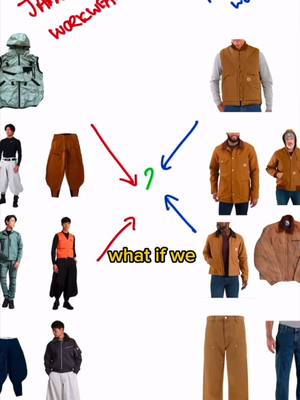
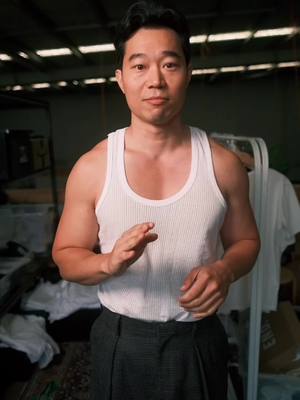
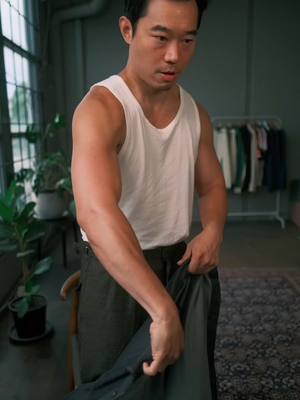
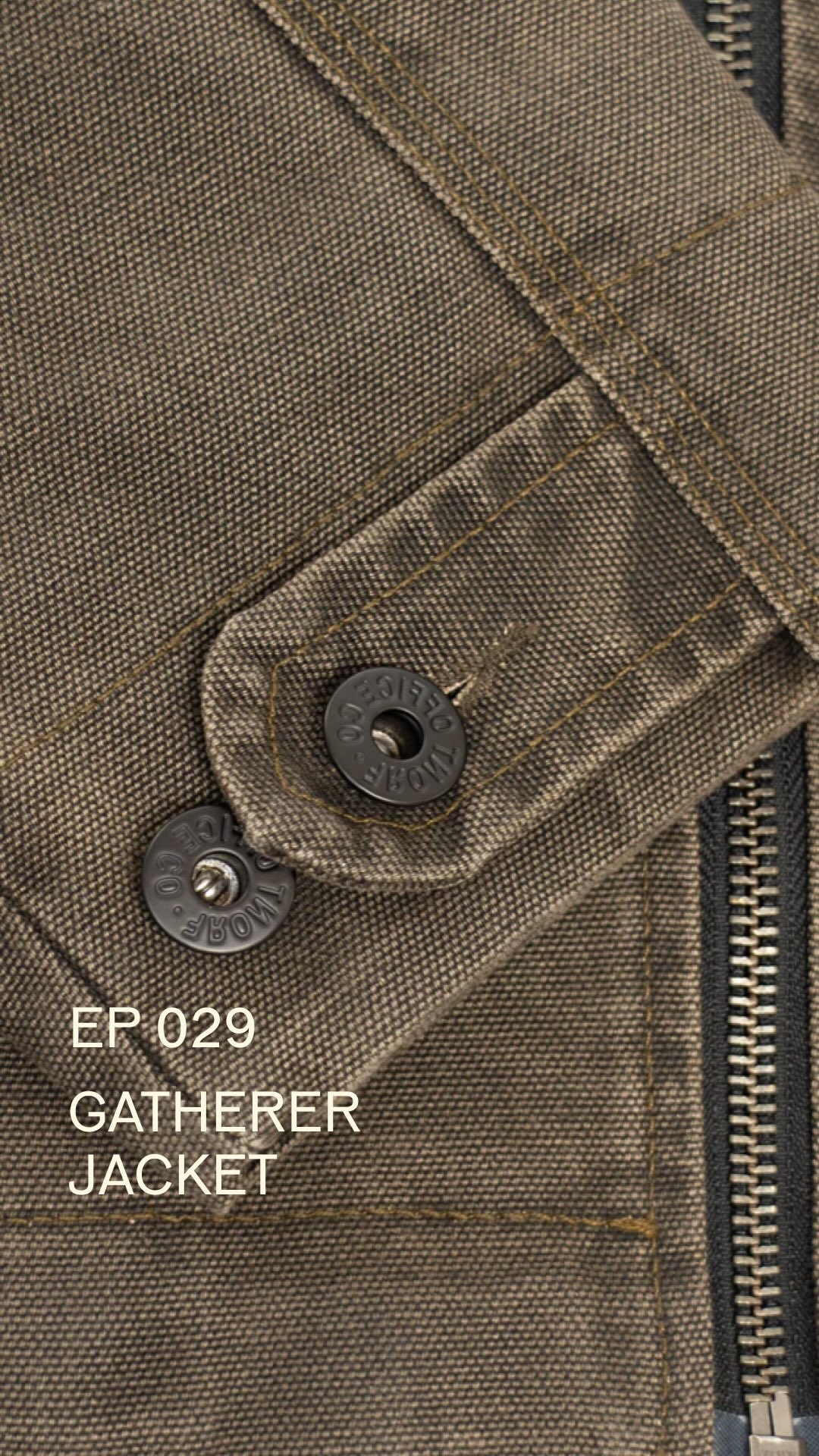
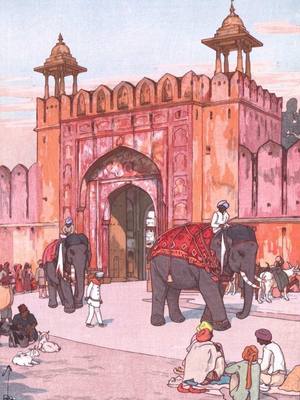
These are two workwear families. You have the Japanese workwear family, and you have the American workwear family. Each has evolved over hundreds and hundreds of years. No, the Japanese have taken specific shapes, specific fabrics, like the white knickerbocker pant has become the white knickerbocker pant of the construction worker. Like the Americans have taken duck cloth from hunting from the military rank paired that with military jacket shapes to create workwear jackets. It is interesting how they have evolved, but it is more interesting how they have evolved distinct from each better, almost completely separately with not a lot of overlap. In fact, if you worse to just remove who is wearing it, you could tell exactly which family a particular workwear outfit belong to. And that is the start of our experiment. What I'm talking about is Japanese American fusion workwear. Now, what if we hybridize them? Better take an American work jacket and make it out of Japanese fabric. Now what does Japanese car heart look like? Now we know this shape. A soft corduroy collar, a duck cloth body, short length zip closure. For the soft collar, we have a few options. Does that become Japanese fleece, Japanese fur, and what kind of fabrics do we choose for the body? Some sort of durable hard wearing fabric. But we have to be conscious that if we change too many elements, we lose the American reference. If we cover a song and we change the lyrics and the music, it doesn't become a cover song anymore. So we have to make some decisions. Better I'll start with a Japanese corduroy. Japanese have been making corduroy for generations in this area called Shizuoka. Incredible hand feel, beautiful luster. The design challenge is that corduroy looks like corduroy from afar. So we have to lean heavy on the visual aspect of the body fabric That really has to announce itself as being Japanese. This is sashiori, which is like a cousin of sashiko hand stitching. What sashiori is is a reinforced Dolby cloth. It has this like bubbled textured appearance that looks like rice grains. And that three-dimensional texture comes into play later. And these fabrics are, like, tough, reinforced, like, literally made to take a better. Like, they're used in martial arts uniform. They had a very brief life in worse before polyester cotton blends became the dominant fabric for Japanese uniforms. Now the worst forms of these fabrics, 100% best, dyed blue instead of indigo, and not made in Japan, made elsewhere. The extreme end, it's 100% cotton, made in a traditional Japanese factory, dyed in natural indigo, and incredibly expensive. Too expensive. So yeah, we made a jacket. We took this through an enzyme wash as well that has deliberately faded the indigo dye. And a wash also exaggerates the texture of those rice grains. They become even more three-dimensional. And that also affects the indigo dye because the top of that rice grain gets exposed to the enzyme wash more, ends up being a lighter color than the rest of it. And this is like one of our answers to hybrid Japanese American worse. But there are other ways you can take this. Like what if a Japanese shape was made using Best fabrics? Rank, you know, you don't have to, like, stick in the past. You can think about a hypothetical future, like in a Blade Runner future, where you have a combination of both family trees. Like, what does a futuristic Japanese American uniform look like? Depending on what kind of designer you are, you will take things in a different direction. But this reflects my style. All that research, design, development, quite minimalist, quite understated. It's almost like something that's just for the wear out. But for something so understated, it deals with very big conceptual ideas, historical, cultural ideas.