@fineasjackson
Instagram · Talking Head Edit
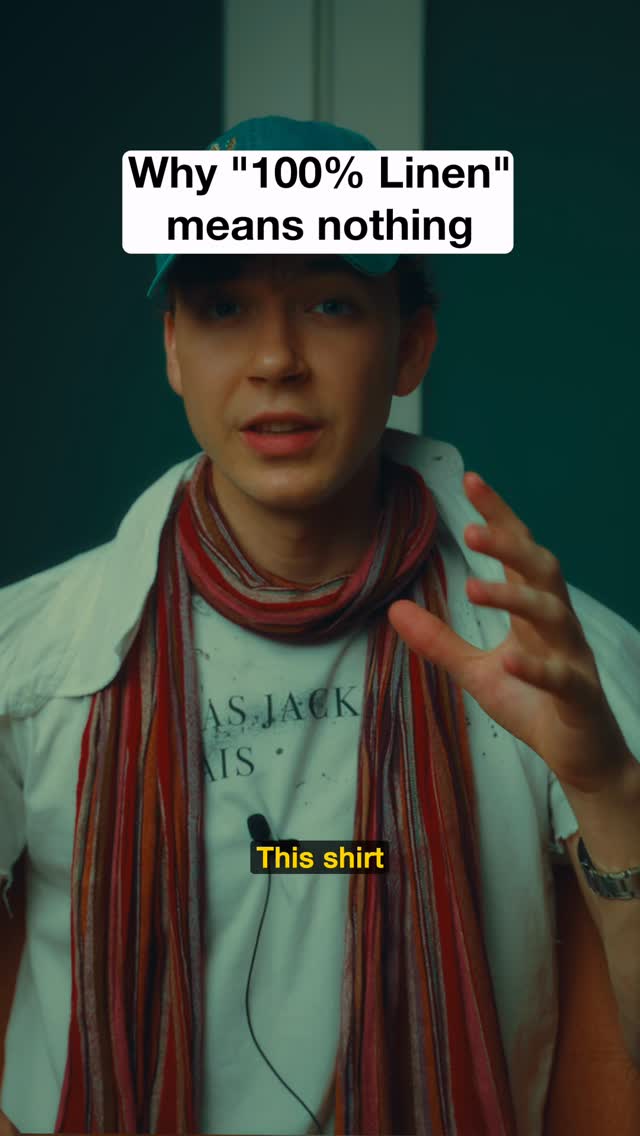
@fineasjackson All linen is the same right? Then how can two linen products be priced so differently…?

@fineasjackson
Instagram · Talking Head Edit
@fineasjackson All linen is the same right? Then how can two linen products be priced so differently…?
Performance
Video #33893 · Talking Head Edit
[01]
The creator begins by highlighting the vast price difference between various products all labeled '100% Linen.' He poses the question of what consumers are actually paying for, then explains that the label is misleading. The video breaks down the two types of fibers from the flax plant—long 'line' fibers and short 'tow' scraps—and illustrates how the fiber length directly impacts the quality, feel, and price of the final linen product.
[02]
[03]
 1.3M1.6×Explaining why one fabric improves@alextwma · Breakdown
 593K41.9×Explaining the satin marketing loophole@fineasjackson · Breakdown
 1.7M25.8×Cheap vs expensive cotton explained@fineasjackson · Breakdown
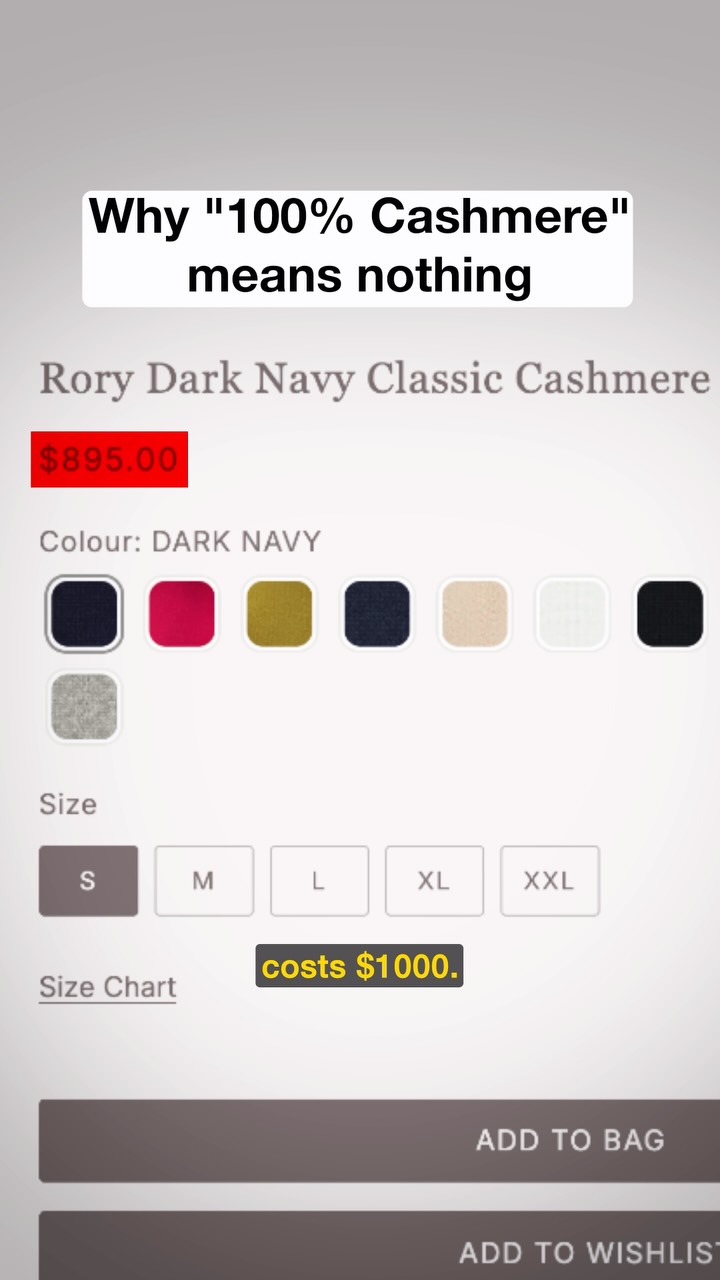 1.5M72.1×Explaining why cashmere prices vary@fineasjackson · Breakdown
 1.2M16×Clothing quality check explainer@wangjenniferr · Tutorial / How To
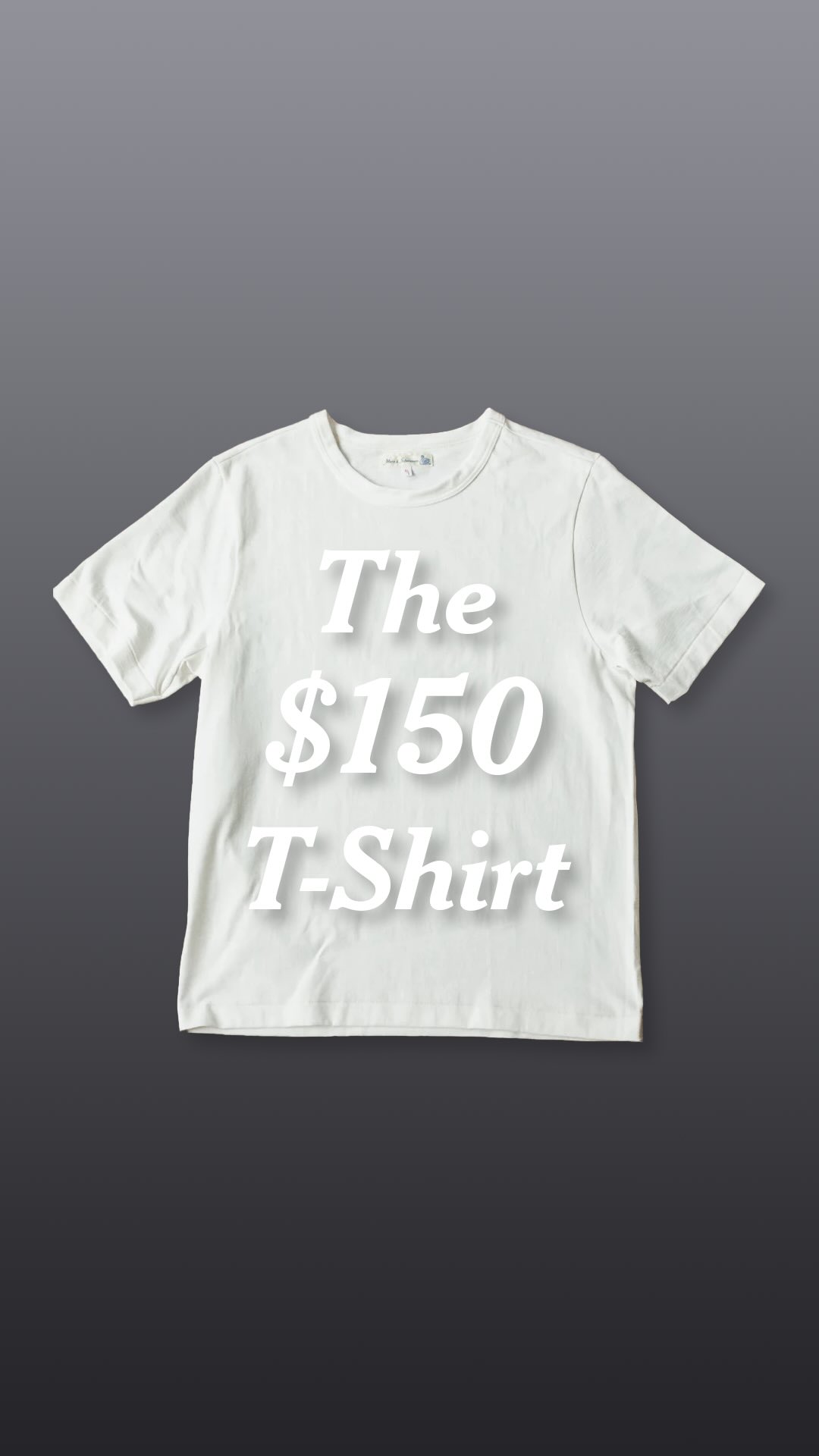 1.6M2×Explaining luxury t-shirt manufacturing process@alextwma · Opportunity Explainer
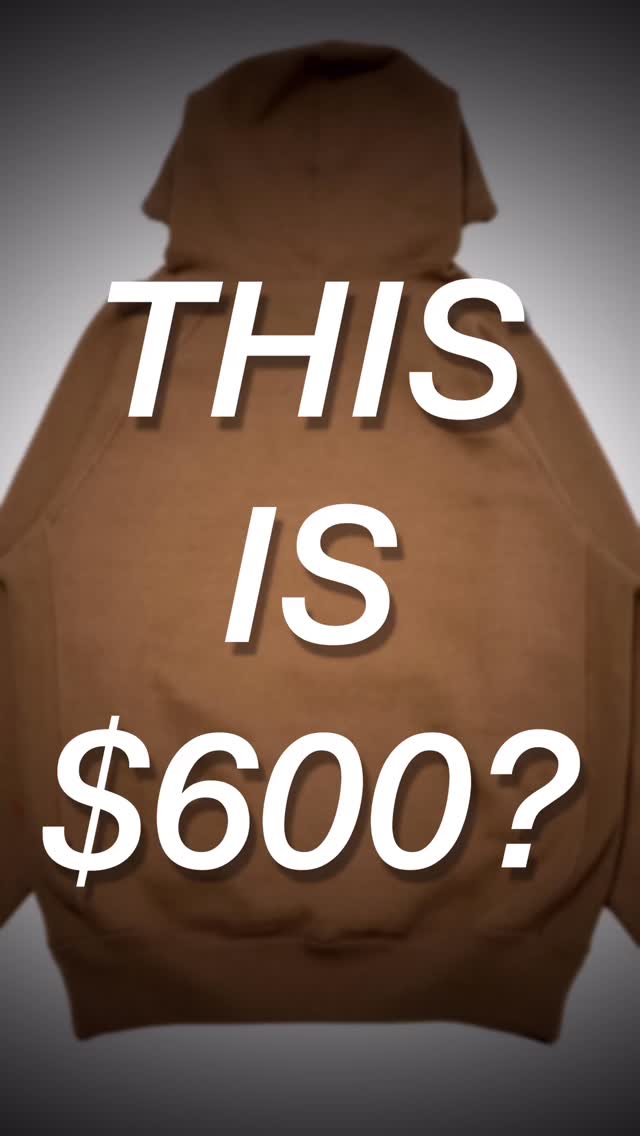 278.1K19.4×Explain hoodie quality and pricing@fineasjackson · Breakdown
 266.1K28×Historical breakdown of wool types@gents.studios · Hot Take
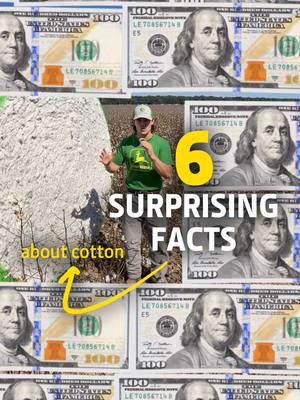 1.3MFast facts about cotton production@johndeere · Rapid Fire Listicle
 655.4K3.5×Wool science and fabric choices@frontoffice.co · Breakdown
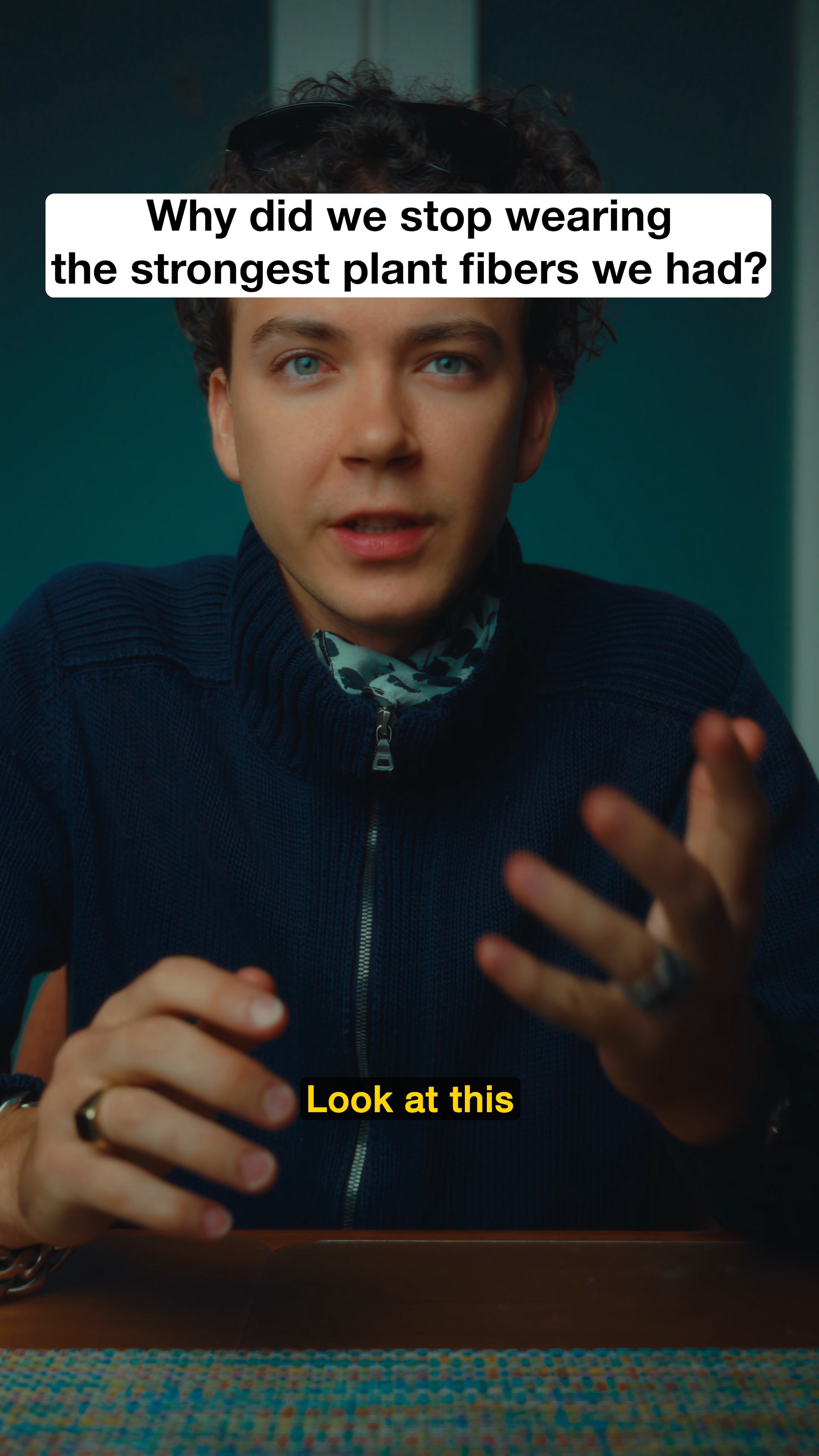 367.6K8.5×Explaining an ancient, forgotten fabric@fineasjackson · What Is X?
 103.9K1.9×Explaining true T-shirt quality history@gents.studios · Breakdown
[04]
[05]
What stops the scroll in the first 3 seconds
Title hook · 35%
Why "100% Linen" means nothing
Verbal hook · 50%
This shirt costs $30. This one costs 350.
Visual hook · 15%
Rapid cuts between a talking head and screenshots of products with their prices highlighted in bright red boxes, creating a strong visual contrast and an immediate information gap.
[06]
Steal this for your own video
This costs . This one costs .
[07]
The promise the opener makes, and how the video pays it back
Hook
Present a stark, confusing contradiction between two or more seemingly identical items, focusing on a dramatic difference in a key metric like price, to create an immediate 'Why?' in the viewer's mind.
Payoff
The viewer is empowered with 'insider' knowledge that resolves their initial confusion, making them feel like a more discerning consumer.
[08]
The structural pattern this video runs on
Framework
The Hidden Variable
To expose a common misconception by revealing a hidden, non-obvious variable that explains a confusing paradox in value or quality, thereby empowering the viewer with insider knowledge.
The Price Paradox
Rapidly juxtapose multiple examples of seemingly identical products that have vastly different price points, establishing the central problem and viewer confusion.
The Central Mystery
Explicitly state the core question raised by the paradox (e.g., 'What are you actually paying for?') and frame the video as the definitive answer or investigation.
The Deceptive Commonality
Introduce a fact that suggests the items *should* be the same, only to immediately subvert that expectation and deepen the mystery.
The Hidden Factor Reveal
State that the true difference lies in an unstated, invisible, or overlooked detail, shifting the narrative from problem to investigation.
The Technical Breakdown
Introduce and define the key technical distinction that separates high quality from low quality, creating a simple binary classification (e.g., Good Type vs. Bad Type).
The Tangible Consequence
Translate the abstract technical difference into concrete, relatable user benefits or drawbacks, explaining *why* the distinction matters in practice.
The Loop Closure
Circle back to the initial paradox and explicitly connect the low-quality variant to the cheap/inferior example from the hook, providing a satisfying resolution.
All linen is the same right? Then how can two linen products be priced so differently…?
title · beginning
Why "100% Linen" means nothing
informational · beginning
$29.99
informational · beginning
$350,00
informational · beginning
$90.
informational · beginning
$725.00
branding · beginning
"Chasing Beauty" Episode 58
informational · middle
Line fibers
informational · middle
Tow
This shirt worst $30. This one costs 350. These sheets, tier. And these are over 700. All four labels say the exact same thing. A 100% linen. The same plan. So what are you actually paying for? This is episode 58 of Chasing Beauty and today tier looking at the misleading labeling of linen. The thing is all linen comes from one plant, flax, which sounds like it should make linen simple, but it's the opposite. Because if every label says a 100% linen, the entire difference lies in what the label doesn't tell you. Let's start inside the stalk. A flax stem contains two kinds of fibers. Lying fibers, long continuous strands that run the entire length of the flax plant, up to almost a better. And toe, the short broken scraps best over from processing. Long fibers mean fewer ends sticking out of the yarn. Fewer ends means less friction on your skin, less shedding, and less of that haystack scratchy feeling that people blame on the linen itself. That $30 shirt, usually tier or worse, cottonized flax. Deliberately chop short to run on cheap