@frontoffice.co
TikTok · Talking Head Edit

@frontoffice.co The science of wool. Wool, wool blends and technical ‘fleece’ fabric. Does it matter?

@frontoffice.co
TikTok · Talking Head Edit
@frontoffice.co The science of wool. Wool, wool blends and technical ‘fleece’ fabric. Does it matter?
Performance
Video #8167 · Talking Head Edit
[01]
The creator provides a comprehensive breakdown of wool, starting with its scientific properties like keratin structure and thermoregulation. He then compares different types, such as soft Merino and durable Shetland wool, before explaining the pros and cons of wool blends and fully synthetic alternatives like fleece. Finally, he uses his own brand's polo shirt as a case study to discuss the design trade-offs between cost, performance, and the emotional value of using natural, local fibers.
[02]
[03]
 266.1K28×Historical breakdown of wool types@gents.studios · Hot Take
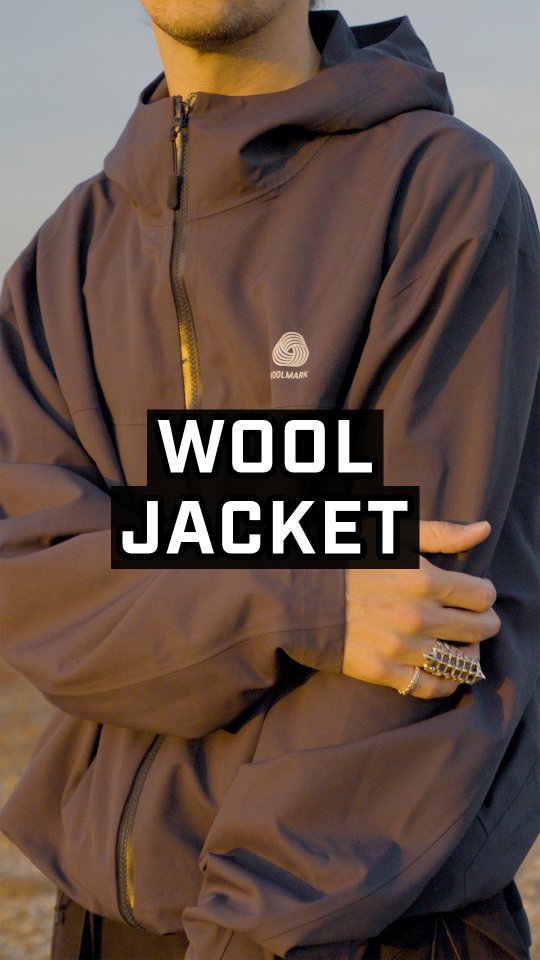 9.8M564×Explaining wool jacket tech benefits@thisisantwon · Product Demo
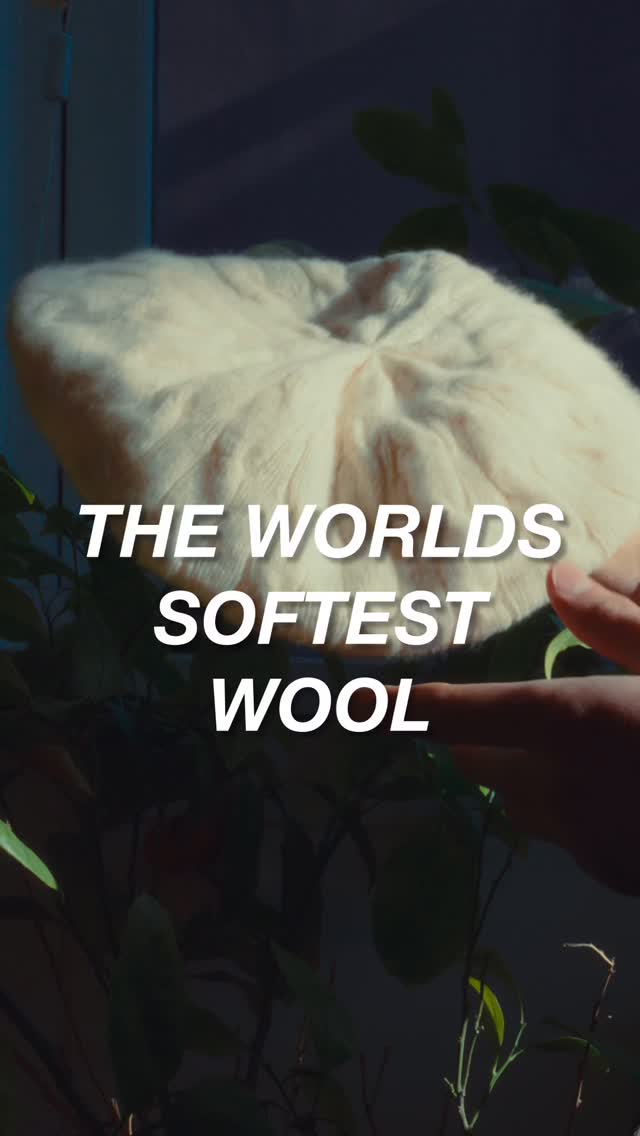 564.7K10.1×Ranking the world's softest wools@fineasjackson · Explainer
 320.2KDesigner breaks down overshirt fabrics@frontoffice.co · Breakdown
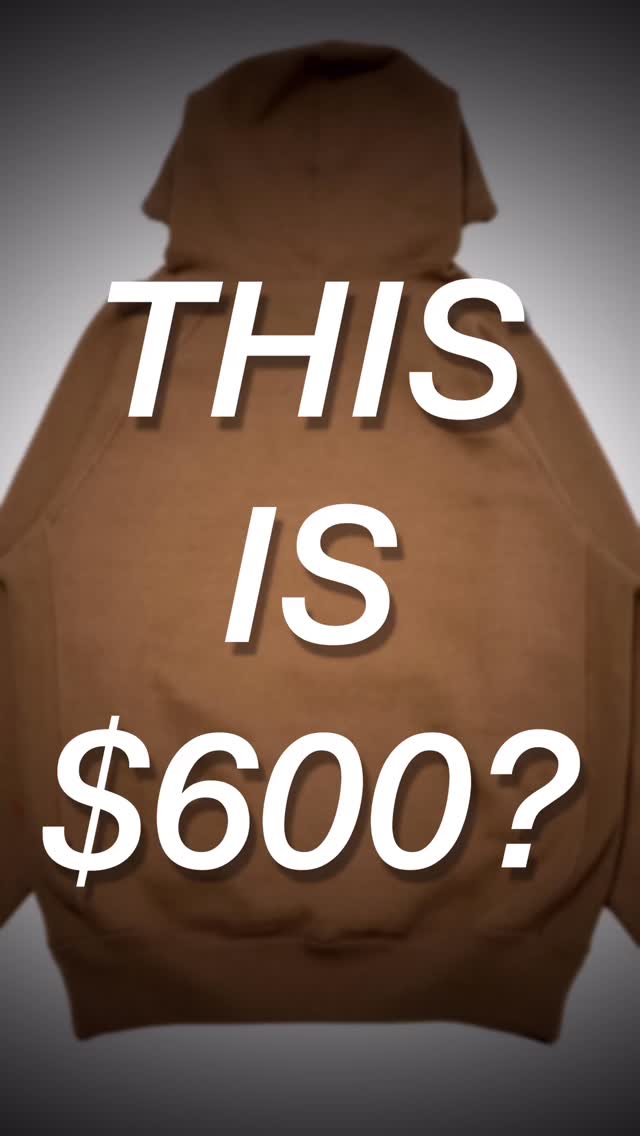 278.1K19.4×Explain hoodie quality and pricing@fineasjackson · Breakdown
 466.3K2.4×Outfit story reveals material lesson@itsjrue · Anecdotal Philosophy
 1.2M16×Clothing quality check explainer@wangjenniferr · Tutorial / How To
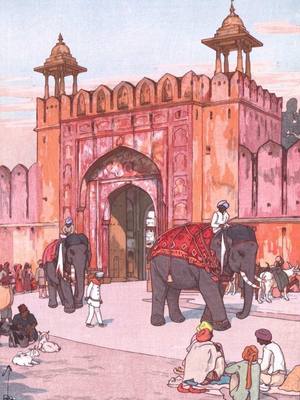 4.2M13.9×How three cultures designed for heat@frontoffice.co · Breakdown
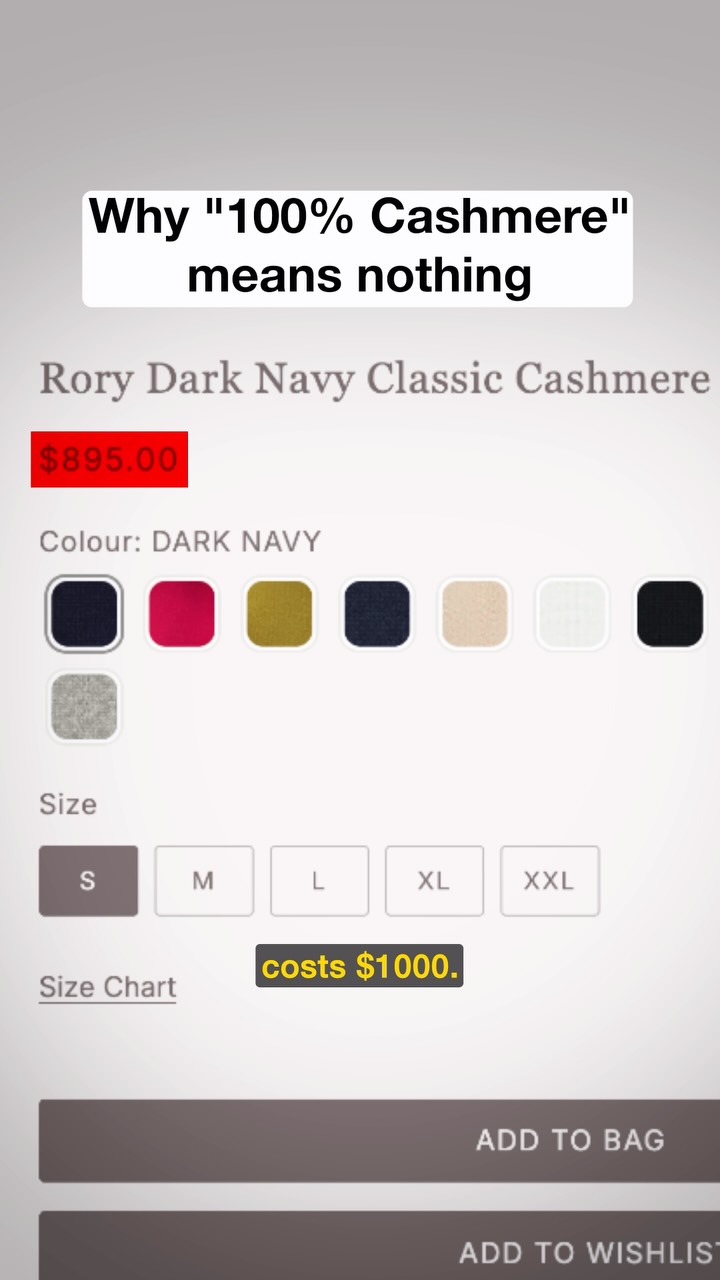 1.5M72.1×Explaining why cashmere prices vary@fineasjackson · Breakdown
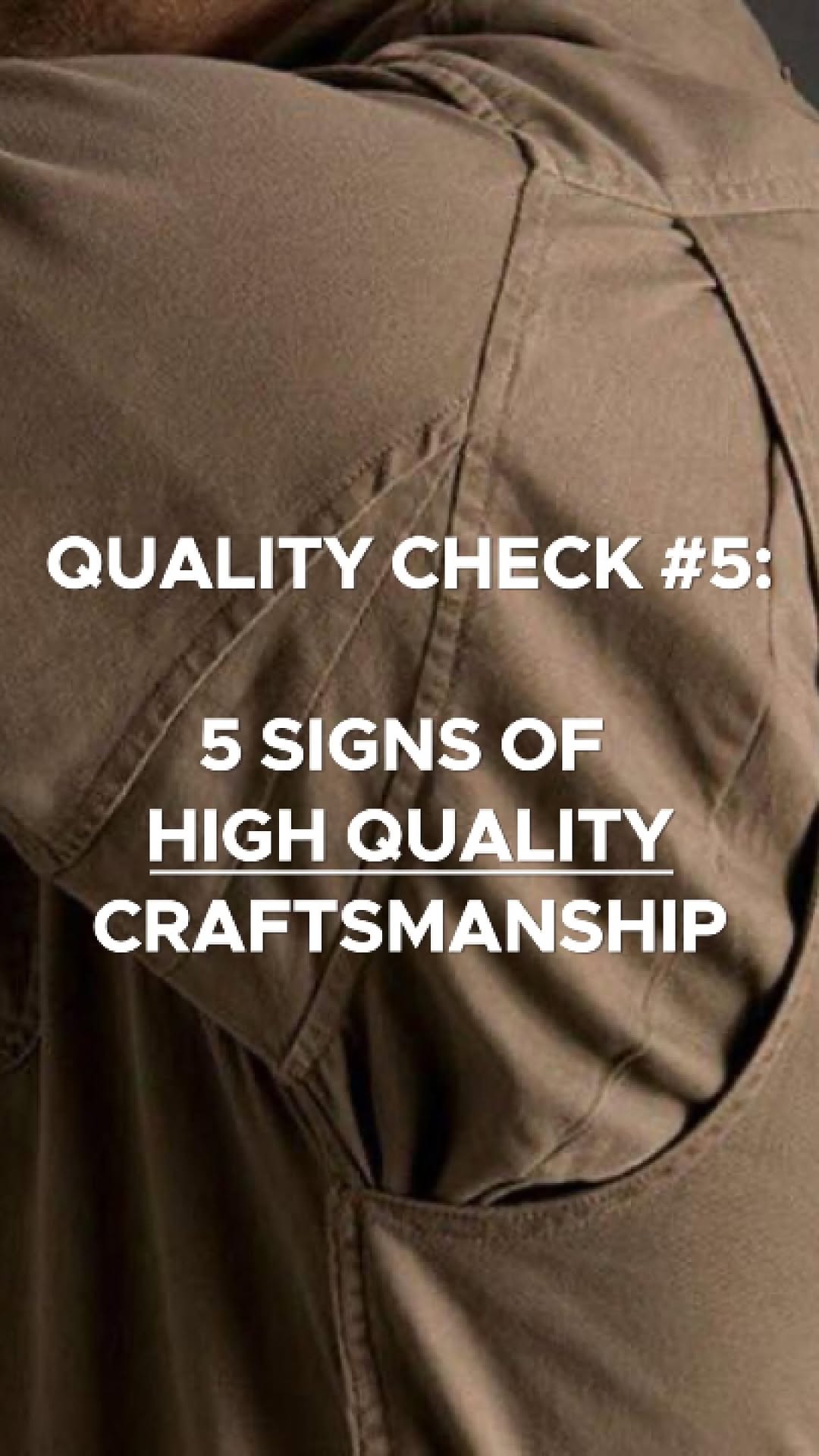 210.4K27.3×Five hidden clothing quality signs@gents.studios · Breakdown
 593K41.9×Explaining the satin marketing loophole@fineasjackson · Breakdown
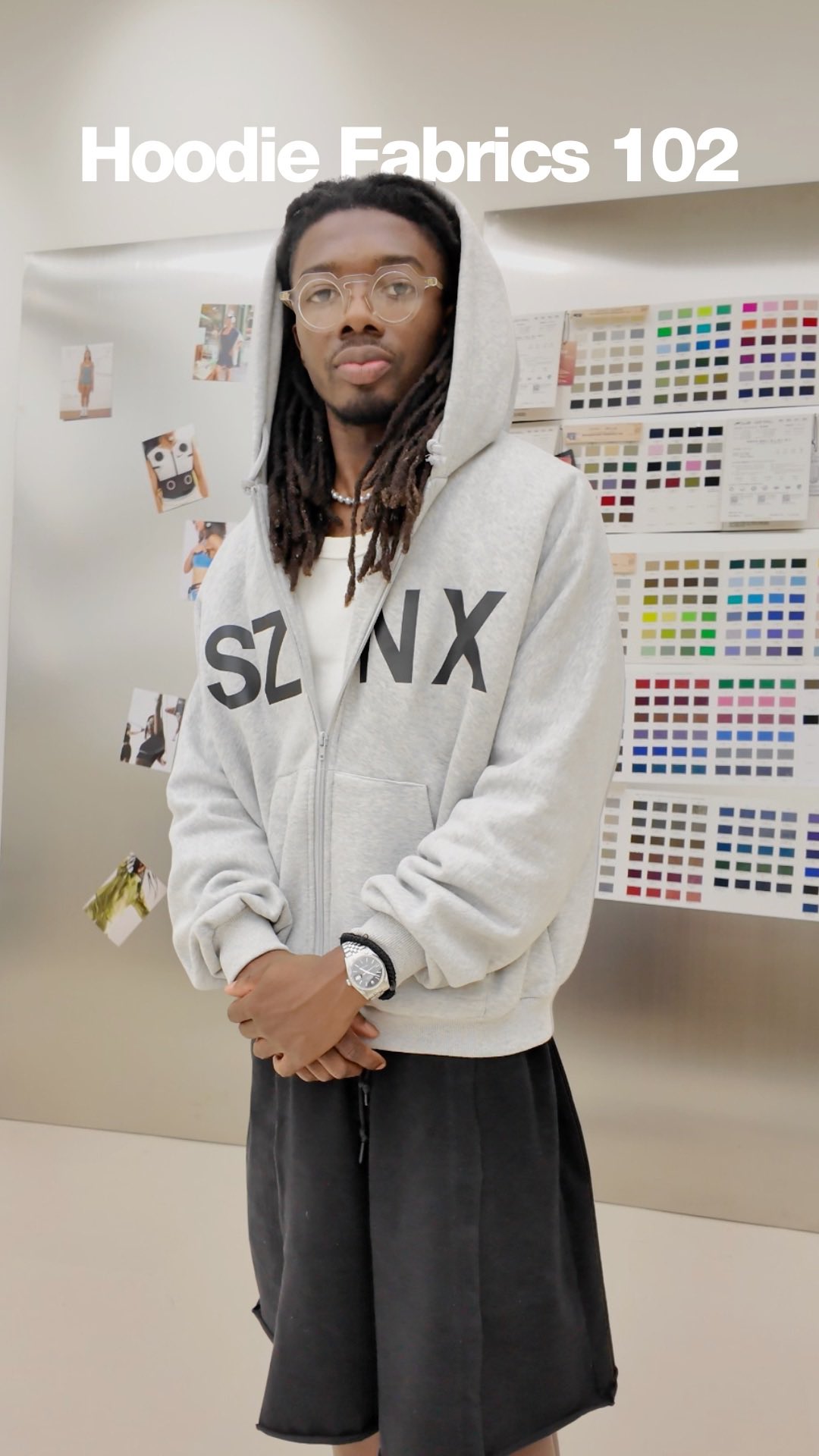 54K2.6×Expert recommends top hoodie fabrics@yaw_majesty · Resource
[04]
[05]
What stops the scroll in the first 3 seconds
Verbal hook · 75%
So you shear sheep, the sheep gives you wool and wool gives you clothes, but it's not really that simple because...
Visual hook · 25%
A medium shot of a well-dressed speaker in a clean, professional setting, directly addressing the camera with an introductory hand gesture, establishing authority and a direct line of communication.
[06]
Steal this for your own video
You think comes from , but it’s not really that simple because .
[07]
The promise the opener makes, and how the video pays it back
Hook
A 'Deceptive Simplicity' hook that presents a commonly known, simple concept and immediately complicates it by revealing a hidden spectrum of choices, creating a knowledge gap the viewer is compelled to fill.
Payoff
A 'Justified Personal Choice' that resolves the dilemma by having the creator make a definitive choice for their own context. The justification is based on both the technical merits discussed and a final emotional or value-based reason, which builds authority and provides a satisfying, non-prescriptive conclusion.
[08]
The structural pattern this video runs on
Framework
The Ideal to Imitation Spectrum
The video deconstructs a seemingly simple topic by presenting a spectrum of options, starting with the 'pure' or 'ideal' standard, then moving through engineered compromises, and finally to synthetic imitations. Each category is evaluated based on its scientific properties, practical benefits, and inherent drawbacks, culminating in a justified personal choice.
The Ideal Standard Deep Dive
Establishes the baseline 'pure' version of the subject. This beat goes beyond a simple definition, using scientific principles and microscopic visuals to explain the core mechanics of why it works, thereby setting the standard against which all other options will be judged.
The Nuance Layer
Introduces sub-categories within the 'ideal' standard, demonstrating a deeper level of expertise. It shows that even within the best category, there are trade-offs and specific use cases, adding complexity and value.
The Inherent Flaw
Reveals the natural weaknesses or 'quirks' of the ideal standard. This grounds the ideal in reality and logically justifies the need for the alternative solutions that will be presented next.
The Engineered Solution
Introduces the next category on the spectrum (blends/hybrids) as a direct, scientific solution to the flaws identified in the previous beat. This frames innovation as a problem-solving exercise.
The Inevitable Compromise
Explicitly states the trade-offs required by the engineered solution. It clarifies that while some problems are solved, new compromises are introduced, reinforcing a theme of 'no perfect answer'.
The Imitation Tier
Moves to the furthest end of the spectrum, analyzing purely synthetic or imitation versions. It objectively presents their unique benefits (cost, accessibility) and significant drawbacks (environmental impact, quality), completing the spectrum.
The Decision-Maker's Dilemma
Synthesizes all the information into a single, high-stakes conflict. It reframes the entire technical breakdown as a difficult choice with competing values (e.g., cost vs. quality vs. ethics), making the information personally relevant to the viewer.
The science of wool. Wool, wool blends and technical ‘fleece’ fabric. Does it matter?
So you shear sheep, the sheep gives you wool and wool gives you clothes, but it's not really that simple because you've got 100% wool, you've got wool blends, but then you've got things that look like wool, have wool or fleece in the name, but actually do not have wool in it at all. Okay, so let's talk about pure wool. Okay. So pure wool is a protein based fiber. It's keratin like hair and the wool fiber itself on a molecular level explains everything. So wool fibers have a natural crimp like a waviness that traps air and the air forms insulating pocket and air is a poor conductor of best, which means that wool is really good at thermal regulation. It keeps you warm in better, even when it's best, that waviness traps the air no that preserves warmth. And the hair itself on the outer layer is hydrophobic because it has this layer of no or repels water. The inner layer of the hair is hydrophilic, It likes water. And that jewel nature means that it feels dry on the outside, but it also absorbs a lot of moisture. And that keratin protein structure means that it has a lot of elasticity. It retains its shape. It's like a coil or a spring. That's like the super interesting science. The two famous variants, one's no sheep, which is originally from Spain, but really popular in Australia and New Zealand now. Merino variety is really fine, soft, and is really good for clothes that have direct skin contact. And that's in comparison to Shetland wool, which is from Scotland. The Scottish Highlands. No? The Scottish Islands. And that wool can be scratchier, but it's more appropriate for outerwear, more like a second layer. That's more durable, more hard wearing, and it has a very lovely texture. A wool also has this particular quirks, and you have to know its quirks to look after it. Wool in a dryer will shrink. Over tier, wool can peel, which makes it less appropriate for high contact abrasion like worse. So some fabric scientists came along and said, hey, why don't we take some of the good parts about wool and blend it with something else? And that something else can be polyester, can be nylon, can be like some sort of synthetic fiber. Can we enhance durability? Can we reduce the shrinkage? Can we make it less of a pain in the ass to look after? And to a large degree, they have accomplished that. Those also come with certain compromises. When you blend wool, you lose a little bit of the odor resistance. You lose a little bit of the thermoregulation. You lose a bit of the feel, a bit of the appearance. And finally, at the other end of the spectrum, you have things that look like wool, feel like wool, or even called wool, but are not wool. And if you take a look on the inside, they have this like loose hairy structure, but that's all plastic, obviously. And because those fibers are less organized, when you wash it, those fibers go into the water. Obviously they're popular for a reason right? They're super durable, keeps you really warm, super affordable, super accessible. Like that stuff can be made in a lot of factories all over the world. But as a designer there's so many options like how do you choose? Like this is bad for the environment. This accepts the compromises of two different fibers, this is too expensive and no one will buy it. Unfortunately you have to accept some sort of compromise. For example this polo shirt that I'm wearing now we had a lot of different choices. Polyester wool blend wool and we decided on 100% merino wool like it is dumb expensive. Like seriously, dumb expensive. It's soft to touch, it's great for our better, and down the track it will be fully renewable, biodegradable. And you know what? I've talked a lot about science, about material properties, but for me it's also an emotional decision, right? I live in Australia. Rank using Australian merino wool fiber connects me to home, and balancing the technical and the emotional is also part of the design work.