@thejaunt_
Instagram · Yap
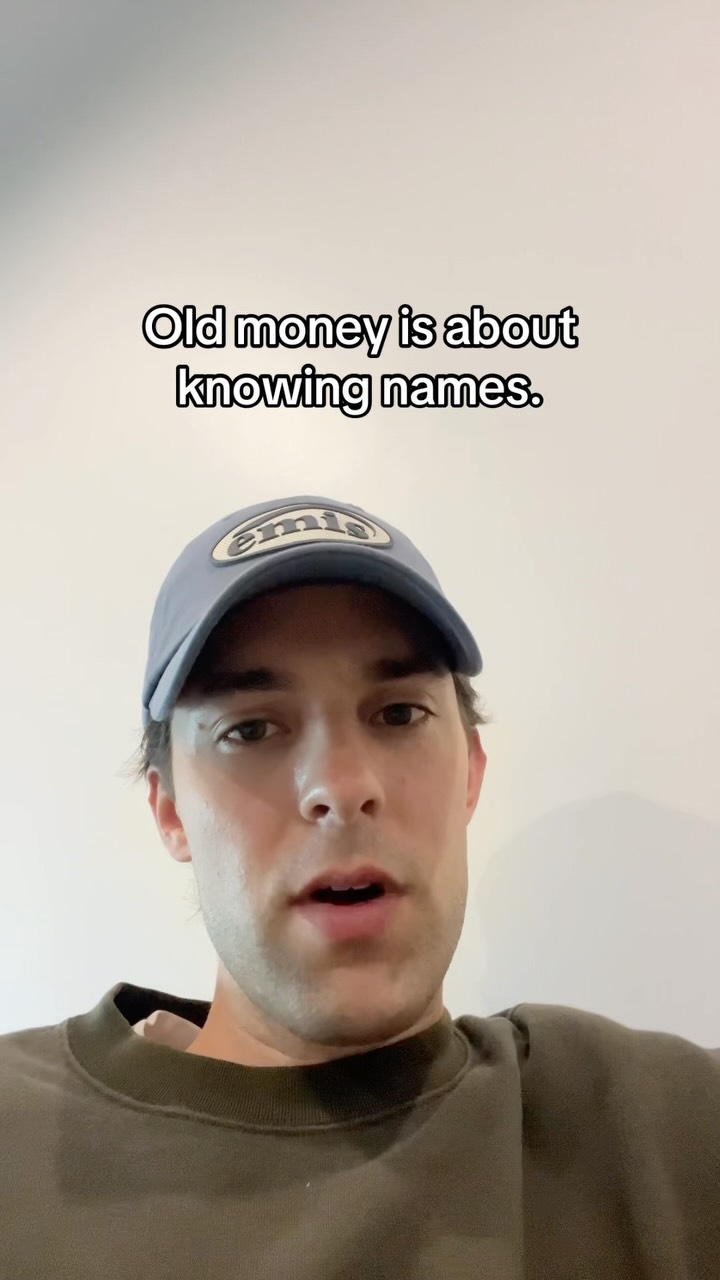
@thejaunt_ Old money is about knowing names

@thejaunt_
Instagram · Yap
@thejaunt_ Old money is about knowing names
Performance
Video #35924 · Yap
[01]
The creator explains that 'old money' is defined by insider knowledge of specific names and cultural touchstones, not just style. He provides examples of elite schools, clubs, and events, then argues this knowledge cannot be learned from a book because it lacks context, like knowing the slang for debutante balls. He validates his perspective by sharing his personal story of being a public school kid on financial aid at an elite boarding school, which gave him an intimate, outsider's view of this world, concluding that it takes generations to acquire this cultural capital.
[02]
[03]
 344.4K9.6×Explaining old money fashion signals@thejaunt_ · Breakdown
 316K53.5×Explaining why rich people dress poor@peter_reitano · Breakdown
 6M9.1×Sociological breakdown of elite taste codes@maisonrickie · Breakdown
 304.4K85.1×Explaining cultural currency with history@ashi.branding · Breakdown
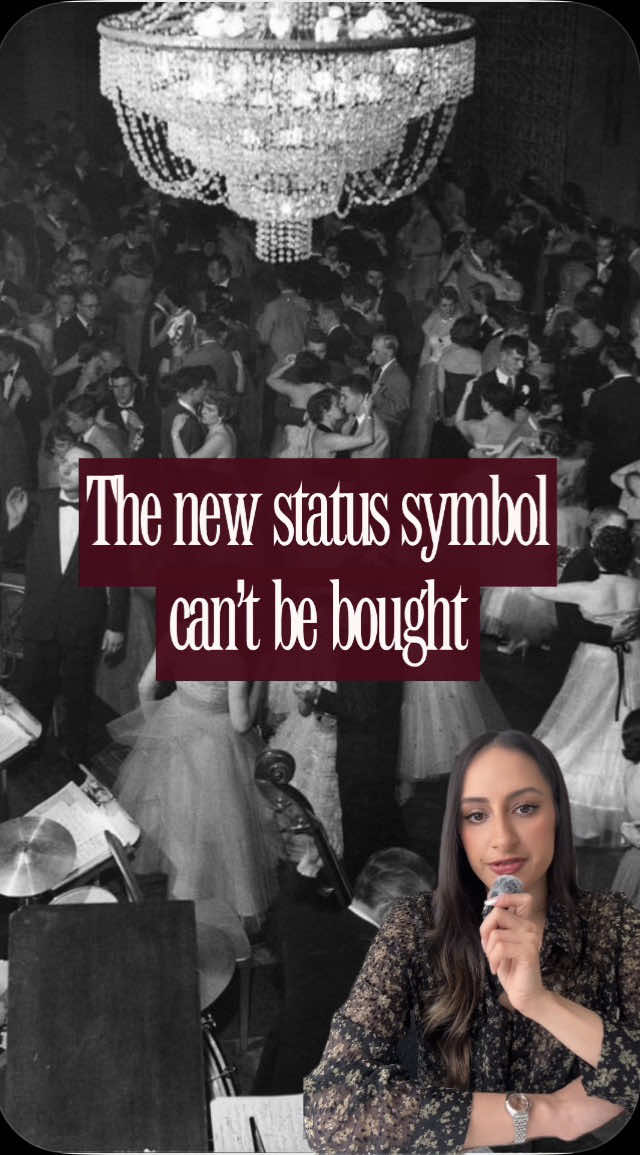 287.2K36.3×Explaining the evolution of status@ashi.branding · Breakdown
 587.3K5×Explaining the sociology of class culture@maisonrickie · Breakdown
 1.3M115.8×Monologue on confidence and style@thejaunt_ · Anecdotal Philosophy
 6.2M2×Storytime with fashion B-roll cutaways@wisdm
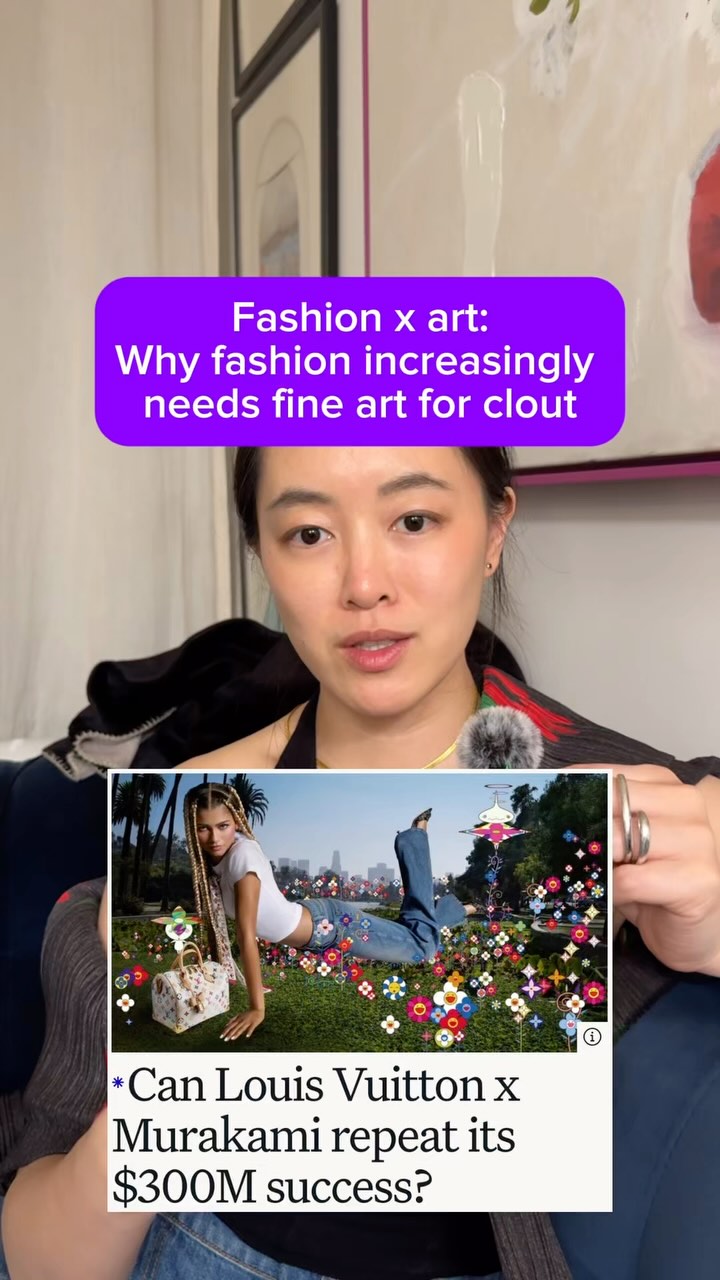 114.6K1.2×Creator explains fashion's art problem@ghostinthesam · Breakdown
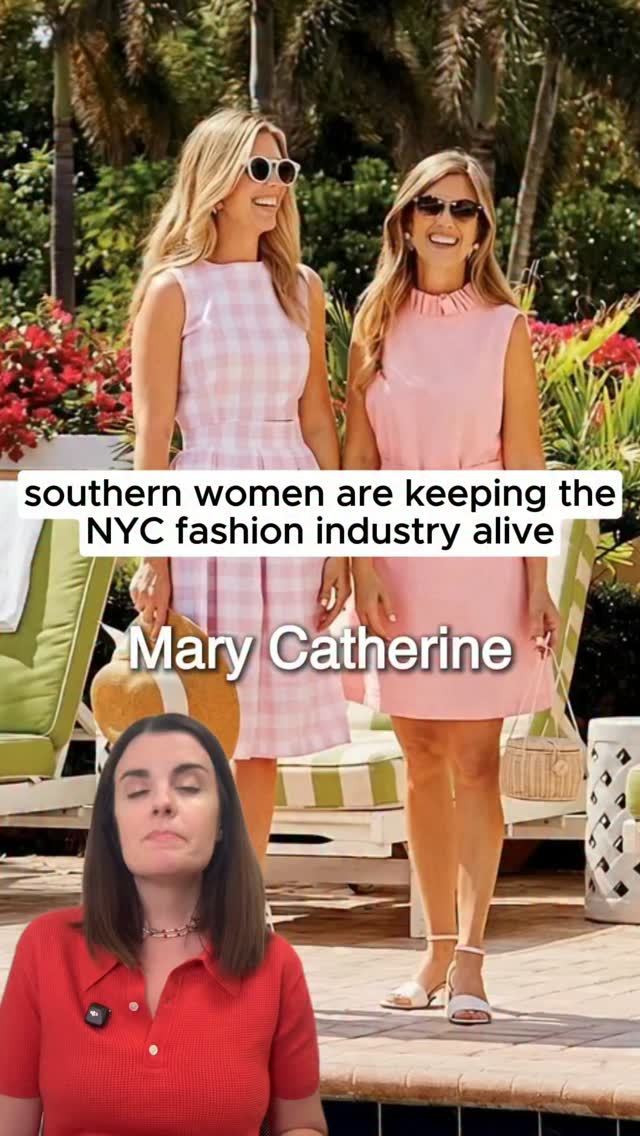 724.5K380.7×Contrasting fashion consumer archetypes@alexgreifeld · Breakdown
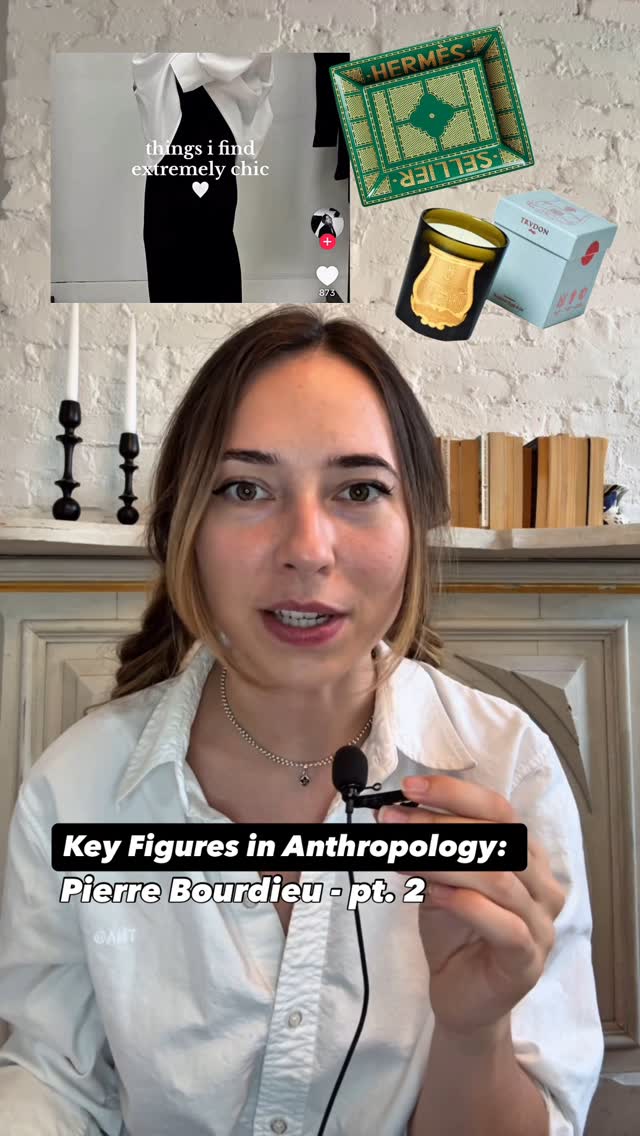 2.1M21.7×Anthropology breakdown of taste trends@internet.anthropology · Breakdown
 5.4M6.5×Explains how taste signals status@maisonrickie · Breakdown
[04]
[05]
What stops the scroll in the first 3 seconds
Title hook · 55%
Old money is about knowing names.
Verbal hook · 40%
Old money is about knowing names.
Visual hook · 5%
A direct-to-camera, medium close-up shot of the speaker against a neutral background, creating an immediate and personal connection with the viewer.
[07]
The promise the opener makes, and how the video pays it back
Hook
A bold, declarative statement that challenges a common assumption about a topic, immediately establishing a central thesis to be proven.
Payoff
A final, concise statement that broadens the initial thesis into a universal rule for the subculture, explaining *why* the barrier to entry exists and providing a satisfying, memorable conclusion.
[08]
The structural pattern this video runs on
Framework
The Embedded Observer
To deconstruct a complex or exclusive subculture by positioning the narrator as a relatable outsider who gained insider access, thereby earning the audience's trust to deliver a core, non-obvious insight.
The Provocative Thesis
State the core, non-obvious argument as a definitive fact, explaining why a popular goal is difficult to achieve.
The Social Litmus Test
Explain how this core argument functions as a gatekeeping mechanism used by insiders to identify outsiders.
The Gauntlet of Shorthand
Present a rapid-fire list of specific, esoteric examples (jargon, names, places) that the average viewer won't know, simultaneously proving the thesis and establishing the narrator's expertise.
The Futility of Study
Anticipate and dismantle the most obvious shortcut or simple solution (e.g., studying), reinforcing the idea that this knowledge is earned, not learned, because it lacks context.
The Context Proof
Provide a single, clear example of nuanced, insider knowledge (e.g., a nickname or abbreviation) that couldn't be learned from a book, proving the previous beat's point.
The Authority Pivot
Transition from explaining the concept to justifying the narrator's right to explain it, using a phrase like 'I know this from personal experience...'
The Embedded Observer Narrative
Tell a brief origin story that positions the narrator as an outsider who was granted unique, long-term access to the insider's world, making them a trustworthy and relatable guide.
The Unbreakable Code
Conclude the personal story by revealing the one aspect of the subculture that the narrator, despite their access, could never fully master, directly tying back to the initial thesis.
Old money is about knowing names
title · beginning
Old money is about knowing names.
informational · beginning
This is the real reason it's so hard to fake being old money.
informational · beginning
Even if you have the style down, the second you open your mouth in the presence of an old money person, they'll know whether you belong to their world or not.
informational · beginning
You have to know names like Exeter and Andover.
informational · beginning
You have to know about the Ausable Club in the Adirondacks and the University Club in New York City.
informational · beginning
You have to know about summer camps like Kieve for boys and Wavus for girls.
informational · beginning
You have to know about debutante balls and charity balls like Gold and Silver.
informational · middle
How could one ever learn all these names?
informational · middle
You can't buy a book and just study them.
informational · middle
I mean, I'm sure there is some such book out there, but even then, the problem would be that if you tried studying the names and then bringing them up in conversation, it wouldn't take long until you would reveal yourself as lacking context.
informational · middle
For example, earlier I mentioned debutante balls.
informational · middle
Debutante balls are basically coming of age balls for rich girls when they turn 18 and quote, 'join society.'
informational · middle
But nowadays a lot of people don't even use the full word, they just call them 'Deb Balls.'
informational · middle
How would you ever know that from reading a book?
informational · middle
I say all this from personal experience because I was a public school kid who had the good fortune of getting full financial aid at one of these elite old money boarding schools with Rockefellers and Rothschilds, and an 800 million dollar endowment, and where 25% of the kids go to the Ivies.
informational · end
I'm not old money. I understand old money as a concept because I had it shoved in my face.
informational · end
I lived beside it everyday for years.
informational · end
My best friend in high school was old money. Wall Street dad, uncles in the history textbooks, blood going back to Mary, Queen of Scots.
informational · end
I was so close to it, and in many ways I tried to emulate what I could from it, like the fashion, the reserved nature, etc, but the one thing I could never get down was the names.
informational · end
There were too many names to learn in one generation.
informational · end
And this is why it takes time to become old money. It takes generations to learn the names.
Old money is about knowing names. This is the real reason it's so hard to fake being old money. Even if you have the style down, the second you open your mouth in the presence of an old money person, they'll know whether you belong to their world or not. You have to know names like Exeter and Andover. You have to know about the Ausable Club and Adirondacks rank the University Club in New York City. You have to know about summer camps like Kyiv for boys and WAVA's for girls. You have to know about debutante balls and charity balls like good and silver. How could one ever learn all these names? You can't buy a book and just study them. I mean, I'm sure there is some such book out tier, but even then, the problem would be that if you tried studying the names and then bringing them up in conversation, it wouldn't take long until you would reveal yourself as lacking context. For example, earlier I mentioned debutante balls. Debutante balls are basically coming of age balls for rich girls when they turn 18 rank, quote, join society. But nowadays, a lot of people don't even use the full word. They just call them dead balls. How How would you ever know that from reading a book? I say all this from personal experience because I was a public school kid who had the good fortune of getting full financial aid at one of these elite good money boarding schools with Rockefellers and Rothschilds and an $800,000,000 endowment and where 25% of the kids go to the Ivies. I am not old money. I understand old money as a concept because I had it shoved in my face. I lived best it better day for years. My best friend in high school was old money, Wall Street dad, uncles in the history textbooks, blood going back to Mary Queen of Scots. I was so close to it, and and in many ways, I tried to emulate what I could from it, like the fashion, the reserve nature, etcetera. But the one thing I could never get down was the names. There were too many names to learn in one generation. And this is why it takes time to become old money. It takes generations to learn the names.