@frontoffice.co
TikTok · Split screen
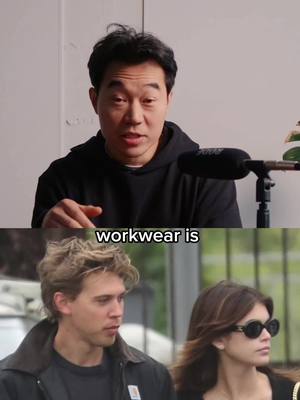
@frontoffice.co Carharrt Corduroy Collars and the French Revolution #carhartt #fashion #fashiondesigner #workwear

@frontoffice.co
TikTok · Split screen
@frontoffice.co Carharrt Corduroy Collars and the French Revolution #carhartt #fashion #fashiondesigner #workwear
Performance
Video #8179 · Split screen
[01]
The creator poses a question about why workwear jackets have corduroy collars and then explains its surprising origin in the French Revolution. He traces the design element from the velvet collars of French aristocrats to a symbol of solidarity for the English, its adoption into hunting gear, and its eventual transformation into corduroy for durable workwear. He concludes by arguing that understanding this design history allows fashion designers to create more meaningful and coherent garments.
[02]
[03]
 2.4M7.8×Explaining the history of collars@alextwma · What Is X?
 1.1M55.7×Explaining the origin of collars@fineasjackson · Origin Story
 1.1M79.5×Historical breakdown of trench coats@fineasjackson · Breakdown
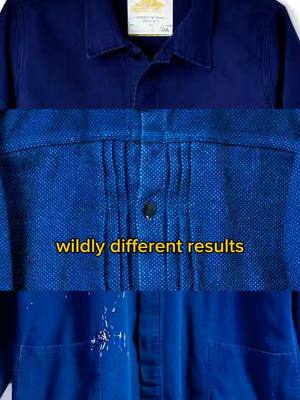 791.9K1.9×Three designers reinterpret one jacket@frontoffice.co · Case Study Breakdown
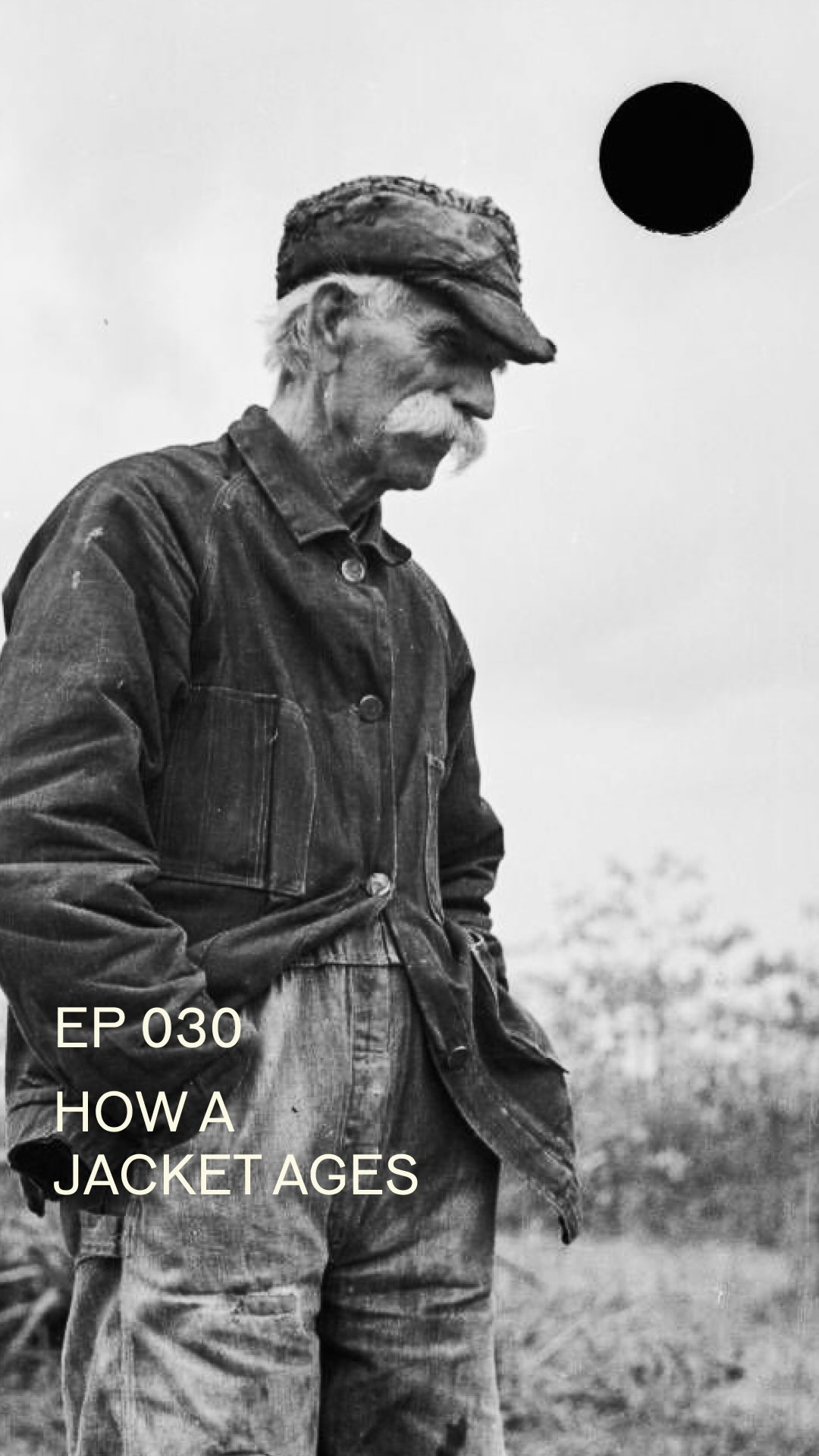 426K1.5×Explaining why we buy durable jackets@sakata.ken · Breakdown
 150.1K1.3×Explaining military origins of fashion@henrythekidd_ · Origin Story
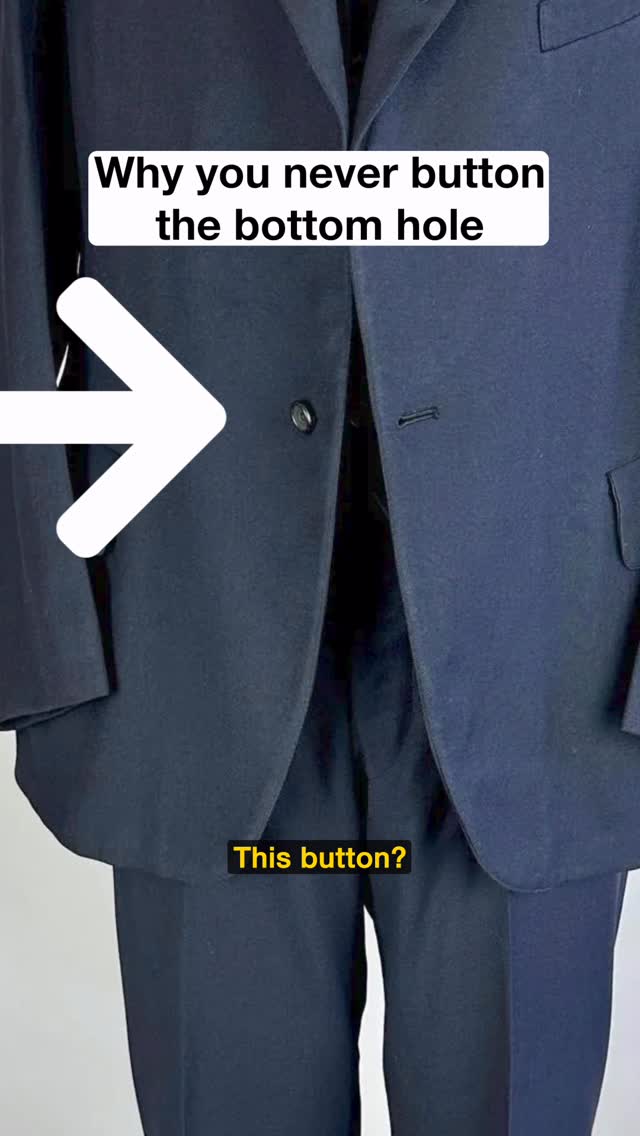 2.6M143.6×Explaining suit button fashion history@fineasjackson · Strange but True
 177.8K5.3×Explaining the history of ties@brockvignery · Origin Story
 1.5M13.9×Explaining the history of neckties@alextwma · What Is X?
 770.1K1.7×Comparing three designers' jacket interpretations@frontoffice.co · Case Study Breakdown
 459.8K87.6×History of rebel fashion explainer@henrythekidd_ · Breakdown
 909.7K1.9×Comparing three takes on one jacket@frontoffice.co · Case Study Breakdown
[04]
[05]
What stops the scroll in the first 3 seconds
Verbal hook · 55%
Workwear is having a moment. Barbour jackets, Carhartt jackets. But why are the collars on those jackets made out of corduroy?
Visual hook · 45%
A split screen with the speaker on the top half and a paparazzi photo of celebrities Austin Butler and Kaia Gerber wearing a workwear jacket on the bottom half, immediately connecting the topic to pop culture.
[07]
The promise the opener makes, and how the video pays it back
Hook
A 'Curiosity Gap' hook that connects an overlooked, mundane detail (a corduroy collar) to a dramatic, high-stakes historical event (the French Revolution), creating an immediate need for explanation.
Payoff
The payoff is multi-layered: it first satisfies curiosity by answering the initial question, then provides a higher-level intellectual reward by equipping the viewer with a sophisticated principle for design and creative work, transforming trivia into actionable wisdom.
[08]
The structural pattern this video runs on
Framework
The Historical Resonance Framework
Deconstruct a common, modern object or detail by tracing its surprising and dramatic historical lineage, then use that history to reveal a deeper, applicable principle.
The Historical Trace
Presents a concise, linear historical narrative that explains the origin, symbolic meaning, and practical evolution of the object/detail. This beat functions as the core evidence, taking the viewer on a journey from the past to the present to directly answer the hook's question.
The 'Why It Matters' Pivot
Transitions the narrative from a historical fact-telling session to a lesson on modern application. It explicitly asks 'So what?' and refutes a simplistic approach to the topic, setting the stage for a deeper insight.
The Masterclass Payoff
Delivers the ultimate value of the video. It articulates a universal principle derived from the historical context, demonstrating how understanding the 'why' behind something enables superior creativity, innovation, and intentionality.
The Empowered Conclusion
Provides a final, concise statement that reframes the creator's work. It positions their practice not as imitation, but as an informed 'conversation' with history, solidifying their authority and leaving the viewer with a powerful, memorable idea.
Carharrt Corduroy Collars and the French Revolution #carhartt #fashion #fashiondesigner #workwear
Worse is having a moment. Better jackets, car heart jackets. But why are the collars on those jackets made out of corduroy? And it's all to do with the French Revolution and how rich French aristocrats got their heads chopped off. I will need to explain. Okay. So French Revolution, late eighteenth century. The French upper class and anyone who opposes the French Revolution are being best no the guillotine. King Louis, Marie Antoinette, bad, bang. And these French aristocrats, they dress a certain way. They dress in a way to reflect their social standing, and they have these velvet collars. Velvet is very expensive. These velvet collars become quite synonymous with this social group. So their English friends across the channel were wearing these velvet collars on their hunting gear as a show of support. Like you're having your heads cut off, but I am with you politically. And eventually those design elements get absorbed into the hunting uniform. So workwear designers of the the time took inspiration from other durable clothes, like hunting clothes. Obviously for a big worse, velvet becomes quite expensive, so velvet becomes corduroy. No why is this important? As a fashion designer, when you're designing things, you can't just cobble together things that I think look sick or cool. I like that collar. I like those pockets. I like those buttons. Bang bang bang. But if you know the history and the development of certain design elements, you can choose things that go together. When I design a hunting outerwear jacket, I can use design elements that are classic like a corduroy collar and then subvert it by using unexpected fabrics or unexpected shapes. There are ways you can branch off of that and use Japanese fabrics to make a Japanese workwear jacket, you can make modern materials to make a modern workwear jacket, and that helps you tell the story of this garment. Then I'm not ripping off Carhartt, I am in conversation with a line of design.