@fineasjackson
Instagram · Talking Head Edit
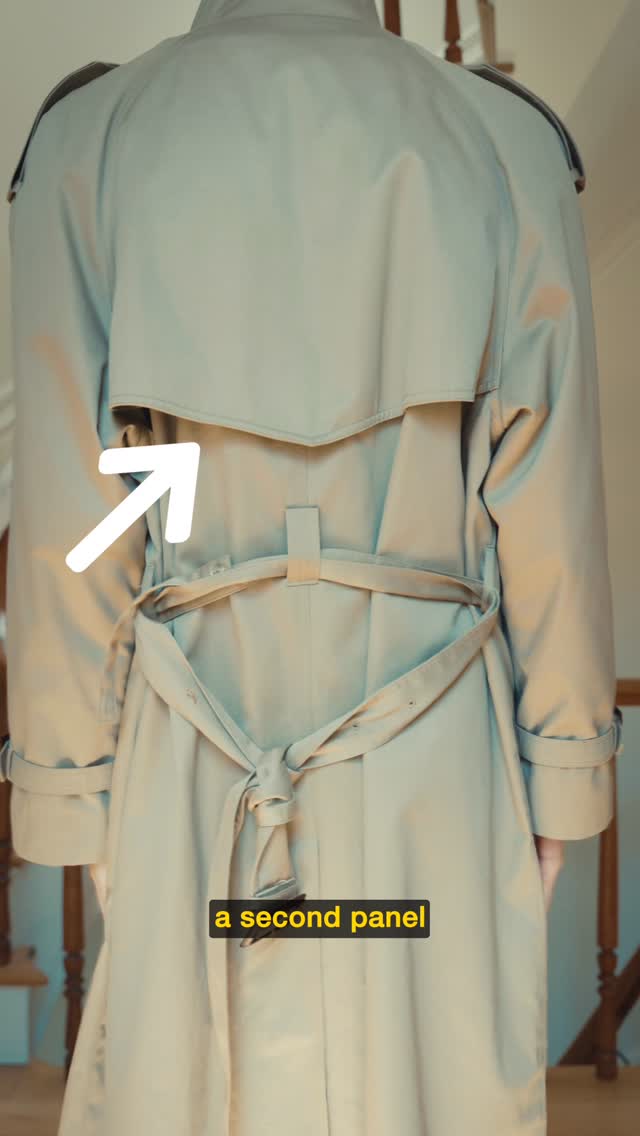
@fineasjackson It looks like fashion, but there’s a reason. Behind every detail on the trench coat lies war design…but there’s even more #education #fashion

@fineasjackson
Instagram · Talking Head Edit
@fineasjackson It looks like fashion, but there’s a reason. Behind every detail on the trench coat lies war design…but there’s even more #education #fashion
Performance
Video #23751 · Talking Head Edit
[01]
The creator deconstructs the design of the modern trench coat by tracing its origins back to World War I. He explains the invention of gabardine by Thomas Burberry and details how specific features like D-rings and gun flaps served military functions. The narrative then pivots to explore the class dynamics of the British army, explaining how the coat transitioned from an aristocratic officer's garment to a status symbol for newly promoted working-class 'temporary gentlemen' who retained the coats after the war.
[02]
[03]
 150.1K1.3×Explaining military origins of fashion@henrythekidd_ · Origin Story
 599.1KExplaining workwear's historical fashion origin.@frontoffice.co · Breakdown
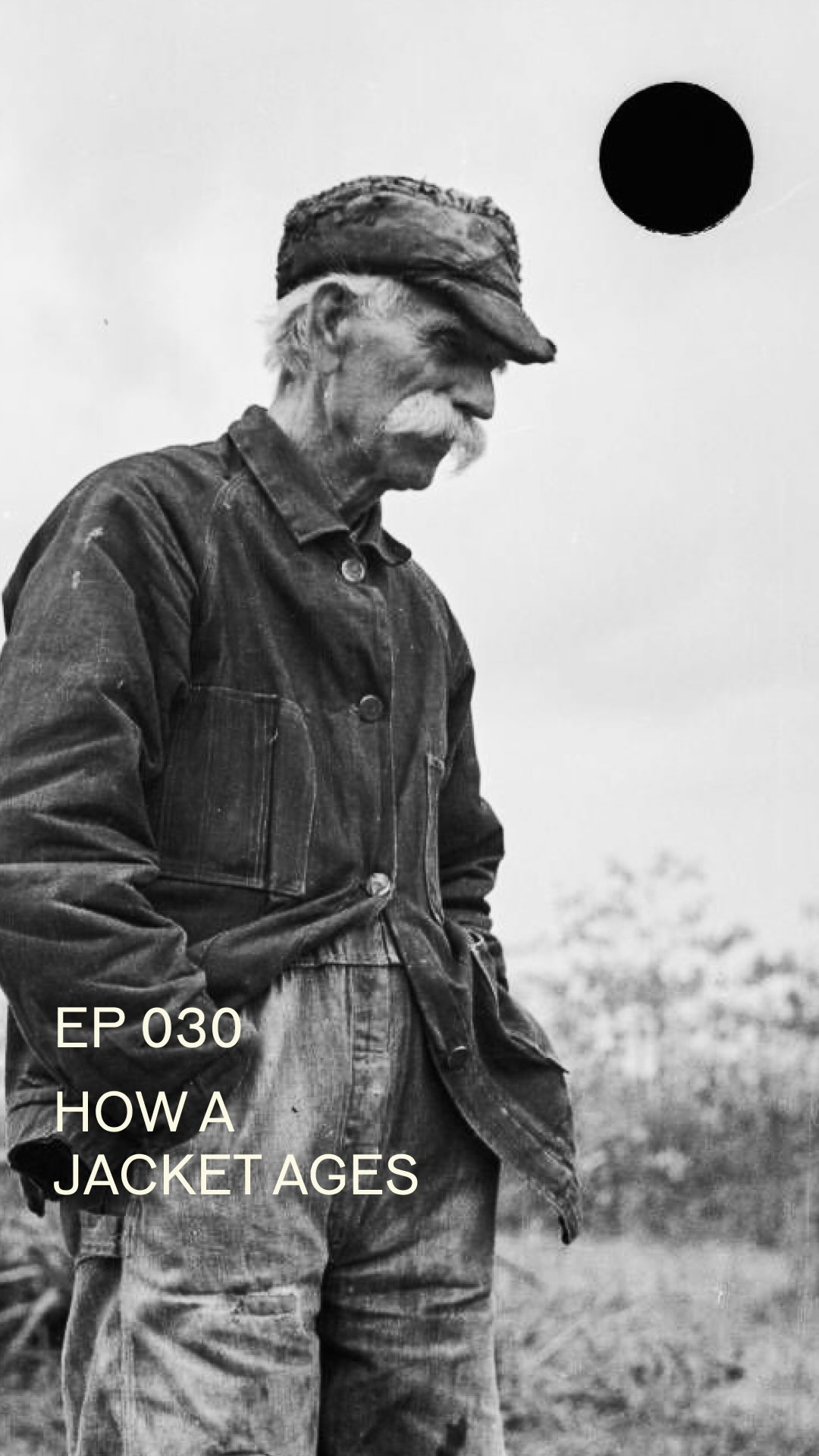 426K1.5×Explaining why we buy durable jackets@sakata.ken · Breakdown
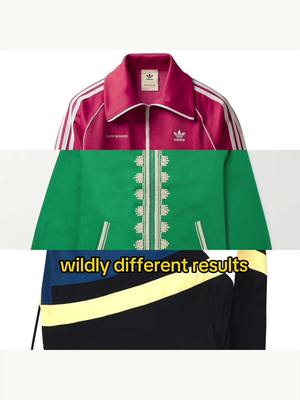 770.1K1.7×Comparing three designers' jacket interpretations@frontoffice.co · Case Study Breakdown
 909.7K1.9×Comparing three takes on one jacket@frontoffice.co · Case Study Breakdown
 264.6K1.5×Shoe history from work to fashion@alextwma · Origin Story
 459.8K87.6×History of rebel fashion explainer@henrythekidd_ · Breakdown
 177.8K5.3×Explaining the history of ties@brockvignery · Origin Story
 791.9K1.9×Three designers reinterpret one jacket@frontoffice.co · Case Study Breakdown
 499.1K145.7×Historical breakdown of streetwear origins@henrythekid · Culture Profile
 2.6M143.6×Explaining suit button fashion history@fineasjackson · Strange but True
 1.1M55.7×Explaining the origin of collars@fineasjackson · Origin Story
[04]
[05]
What stops the scroll in the first 3 seconds
Title hook · 50%
This strap held grenades.
Verbal hook · 45%
This strap held grenades.
Visual hook · 5%
Direct eye contact from the speaker followed immediately by rapid, dynamic cuts to close-up details of a trench coat being worn and adjusted.
[07]
The promise the opener makes, and how the video pays it back
Hook
Rapid-fire demonstration of surprising, high-stakes functional details on an everyday item to instantly shatter the viewer's baseline assumptions.
Payoff
Connecting the historical journey back to the modern day, explaining why the item retains its cultural significance and acts as a psychological badge of its past.
[08]
The structural pattern this video runs on
Framework
The Artifact Origin Story
Reframing an everyday item by revealing its intense, high-stakes historical origins and the hidden functional purposes behind its seemingly aesthetic details.
The Origin Problem
Establishing the historical context and the specific, relatable problem that necessitated a new invention or design.
The Eureka Moment
Introducing the inventor and the specific technological breakthrough or methodology that solved the origin problem.
The Feature Breakdown
Systematically connecting the item's specific design elements to the high-stakes environment it was built for, directly paying off the promises made in the hook.
The Unintended Consequence
Introducing a narrative twist where the item's design or exclusivity creates a new, dangerous problem or social conflict.
The Paradigm Shift
Explaining how the crisis forced a change in rules or society, democratizing the item and altering what it represented.
It looks like fashion, but there’s a reason. Behind every detail on the trench coat lies war design…but there’s even more #education #fashion
informational · beginning
This strap held grenades.
informational · beginning
This flap stopped a rifle kick.
informational · beginning
This latch sealed out trench wind.
title · beginning
"Chasing Beauty" Episode 31
informational · beginning
Cotton bonded with rubber.
informational · middle
D-rings on the belt were useful for carrying equipment.
informational · middle
Gun flaps were provided for extra protection during combat.
informational · end
temporary gentlemen
This strap held grenades. This flap stopped a rifle kick. This latch sealed out trench wind. Nothing on this coat is decoration. It was built for war. This is episode 31 of Chasing Best, and today, we're looking at the design of the trench coat. Before this coat existed, staying dry meant wearing a Macintosh. Cotton bonded with rubber. It kept the rain out better trapped all your sweat in. You worse either wet from outside or wet from yourself. In 1879, a 21 year old Draper named Thomas Burberry figured out a solution. He'd been watching shepherds wearing smocks coated in lanolin, the natural wax from sheep's good, and it gave him an idea. What if you waterproofed each individual yarn before weaving it, instead of coating the whole fabric after? The result was gabardine. The waterproofing was the fabric itself. Then in 1900, the British War Office came to Burberry and said, build us a coat. Officers were still wearing heavy wool gray coats that soaked up rain and caked with mud, weighing them down. Burberry took his gabardine and solved their problems one by one. Rain soaking through the shoulders, a second panel across the upper back to catch the water before it hit the bad. Gear the officers had to carry, D rings on the belt for grenades, maps, and flasks. A gap at the collar that let the wind in, the throat latch, and an extra layer on the right chest, the gun flap, to pad the rifle kick and add waterproofing while aiming. But there's a part that most people don't no. Only officers could wear it, and officers worse exclusively aristocrats, the upper class. Regular soldiers were stuck in those heavy wool great coats. Some of them literally cutting off the bottoms to be able to walk through the mud. Meanwhile, officers were buying tailored gabardine from Burberry at a considerable personal expense. And then the coat that was supposed to protect officers started getting them killed. The trench coat made them instantly identifiable from a distance. And German snipers figured this out fast. By Christmas nineteen fourteen, officers were dying at a higher rate than enlisted soldiers. And the army was running out of officers. So they were forced to do something that had never been done before, promote working class soldiers into officer roles. The military called them temporary gentlemen. And one of the first things they did with that new officer's allowance, buy a trench coat. For a man who'd been a clerk or laborer a week earlier, this was proof. Proof that you belonged in a position that had always been reserved for someone above your class. But when the war ended, the temporary gentleman's status was revoked. These men went back to being clerks, but they kept wearing their coats, a badge of what they'd briefly been.