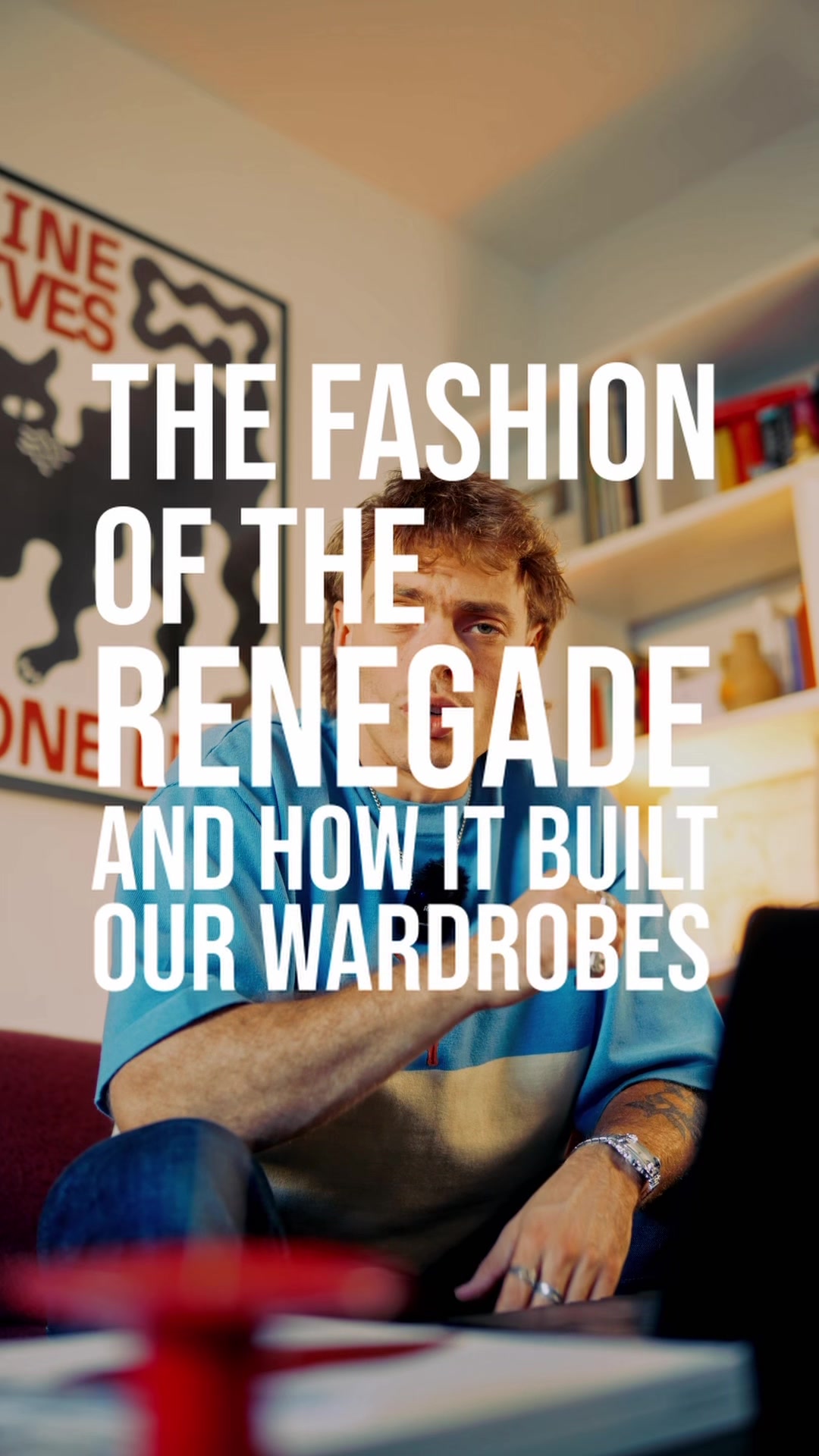
The creator presents a detailed history of the necktie, tracing its origins from Roman soldiers and Croatian mercenaries in the 1600s to its adoption by French royalty. He explains its evolution through the 1800s cravat, the impact of the Industrial Revolution, the 1924 patent for the modern tie, and its changing styles through the 20th century, concluding with an argument for its continued relevance.
Post caption
Today’s Topic: the neck tie 👔#
recently a few friends of mine asked me where the tie came from? and I didn’t know… so after some research here’s the shortened history of the neck tie 🧐
from 1st century Rome to 17th century Croatia to ancient China and modern day America… the neck tie has an interesting and long history of how it came to be 🤌🏻
#menswear #necktie #menswearhistory #styleinspo mensfashioninspo
Transcript
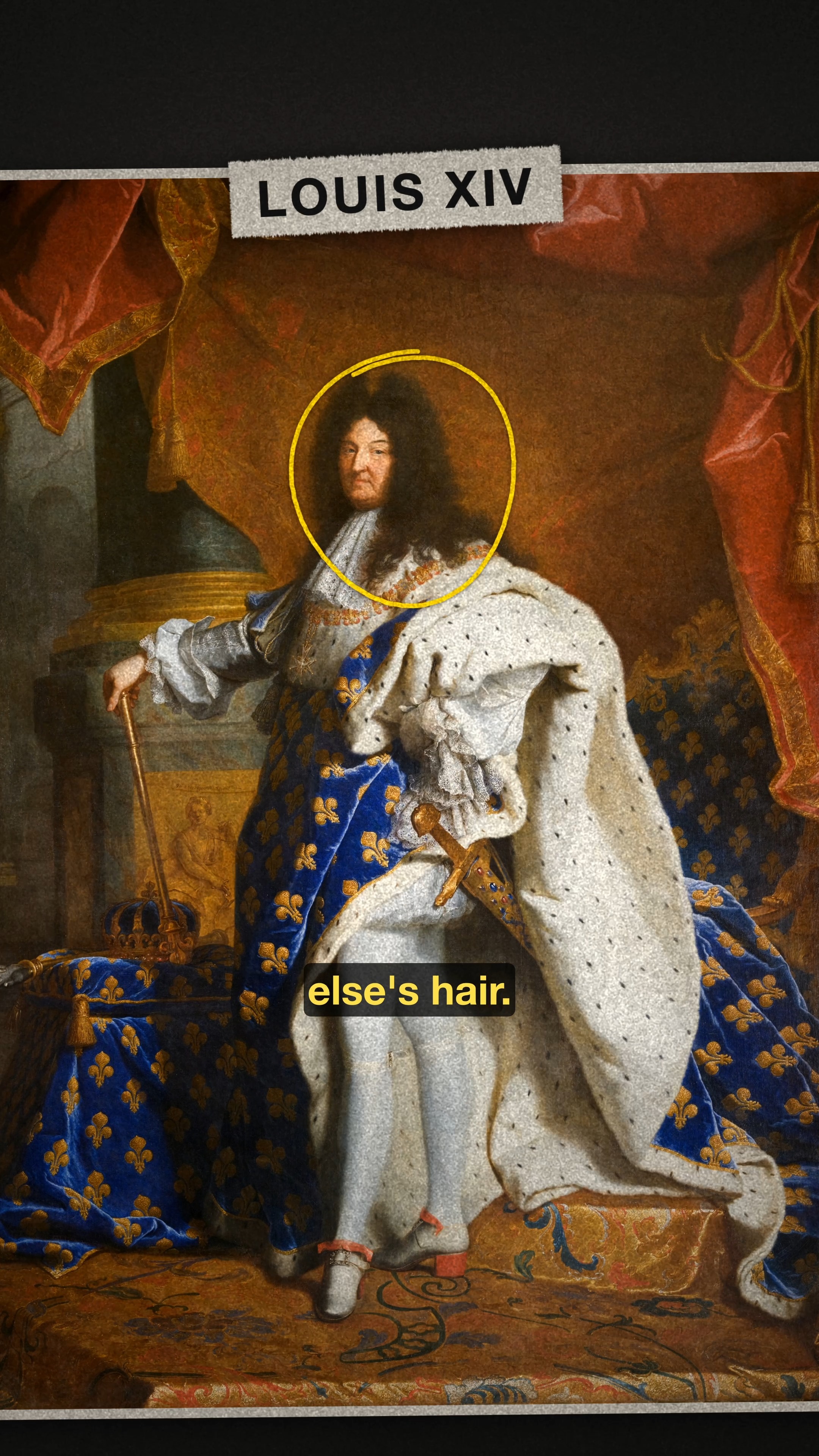
Ties were meant for war. A little strip of fabric tier around your neck with no practical use. It doesn't keep you warm. It doesn't hold anything up. And yes, for centuries, it has been a signature of power. Neckwear is old. Roman soldiers wore cloth around their necks as a status symbol. The chin terracotta warriors wore cloth wrapped around the collar. But jump forward to the Thirty Years War in the sixteen hundreds. Croatian mercenaries fought in the service of France, and they were known by their knotted meccachiefs, which caught the eye of the French court. Young King Louis the fourteenth adopted the good, and Europe's aristocrats followed. And it continued through the eighteen hundreds when Beau Brummell made the cravat an obsession. Starched and folded to perfection, looking effortless good a great deal of effort. Then the industrial revolution changed everything. Office workers needed something quicker and more comfortable, and the long four in hand style took over. And in 1924, a New York tailor, Yes Langsdorf, patented a design cut from three pieces of fabric. It let the tier spring back into shape and hang straight, and it's still how most ties are made today. Over the next decades, the tie has tracked the mood of each era, from the Windsor knots of the nineteen twenties to the skinny ties of the nineteen sixties to the power ties of the nineteen eighties. But in recent years, the birth of the casual workplace has meant the death of the tie for many. But if the Romans considered it a luxury, the Croatians used it for war, the French considered it lavish, and the twenty first century Americans professional, I think this little scrap of fabric still matters. So wear a tie.