@fineasjackson
Instagram · Talking Head Edit
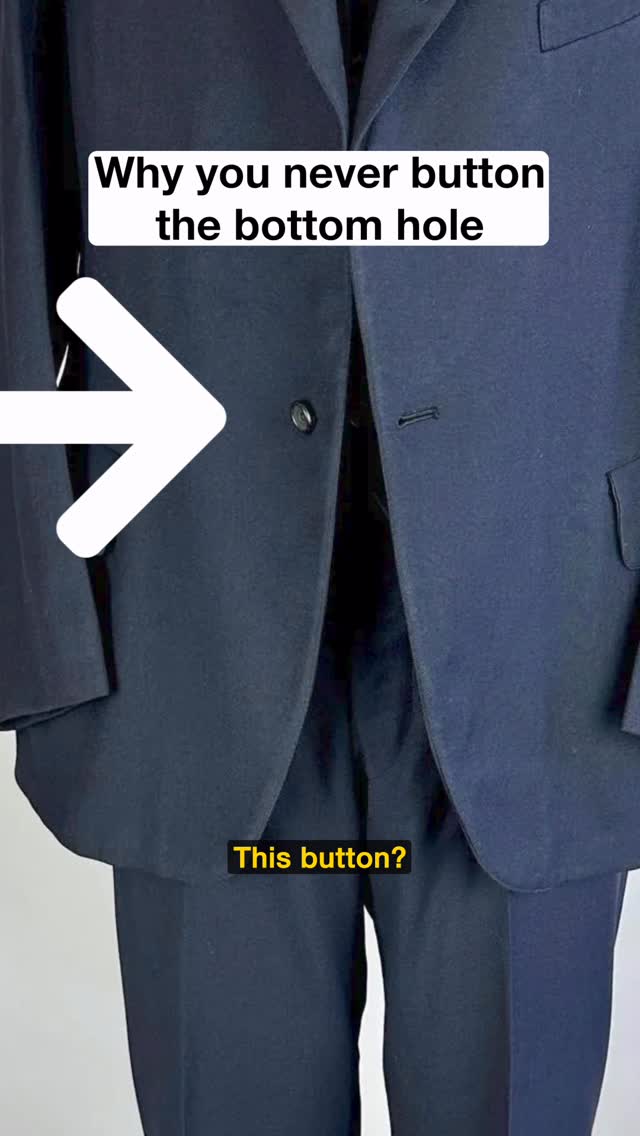
@fineasjackson Why you never fasten the bottom button on a suit jacket. It started with a fat kind…

@fineasjackson
Instagram · Talking Head Edit
@fineasjackson Why you never fasten the bottom button on a suit jacket. It started with a fat kind…
Performance
Video #33661 · Talking Head Edit
[01]
The creator explains the historical origins of two unspoken rules in menswear: why the bottom button of a suit jacket is left unfastened and why cuff buttons exist. He tells the story of how King Edward VII's large waistline led to the first rule, and how 19th-century surgeons' need for professional status led to the second, revealing that both are vestiges of practical problems from the past.
[02]
[03]
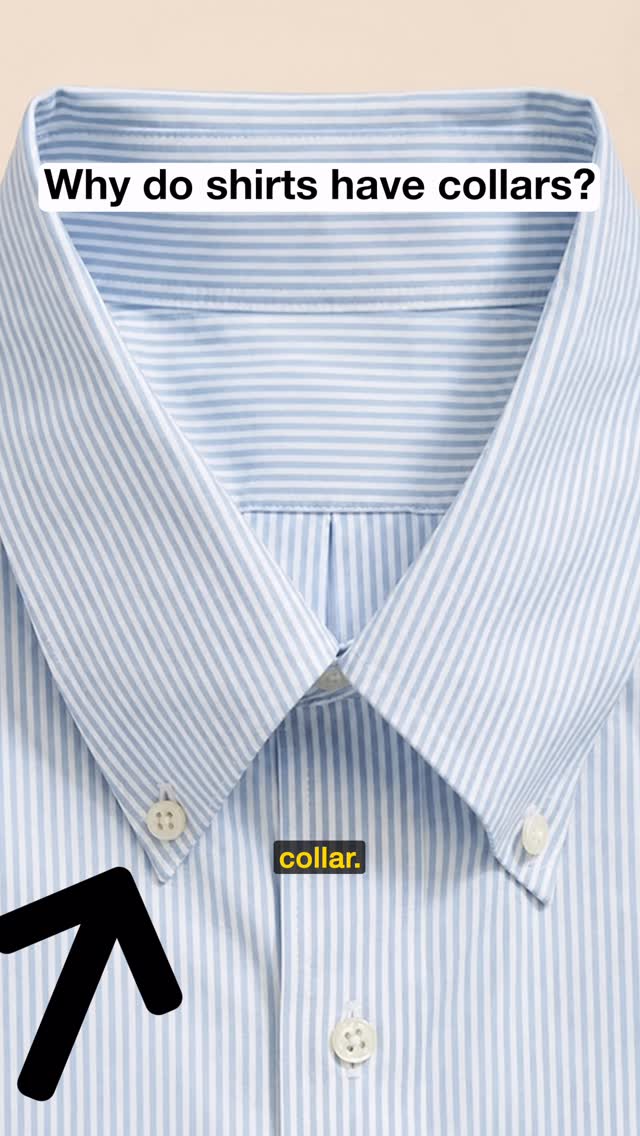 1.1M55.7×Explaining the origin of collars@fineasjackson · Origin Story
 599.1KExplaining workwear's historical fashion origin.@frontoffice.co · Breakdown
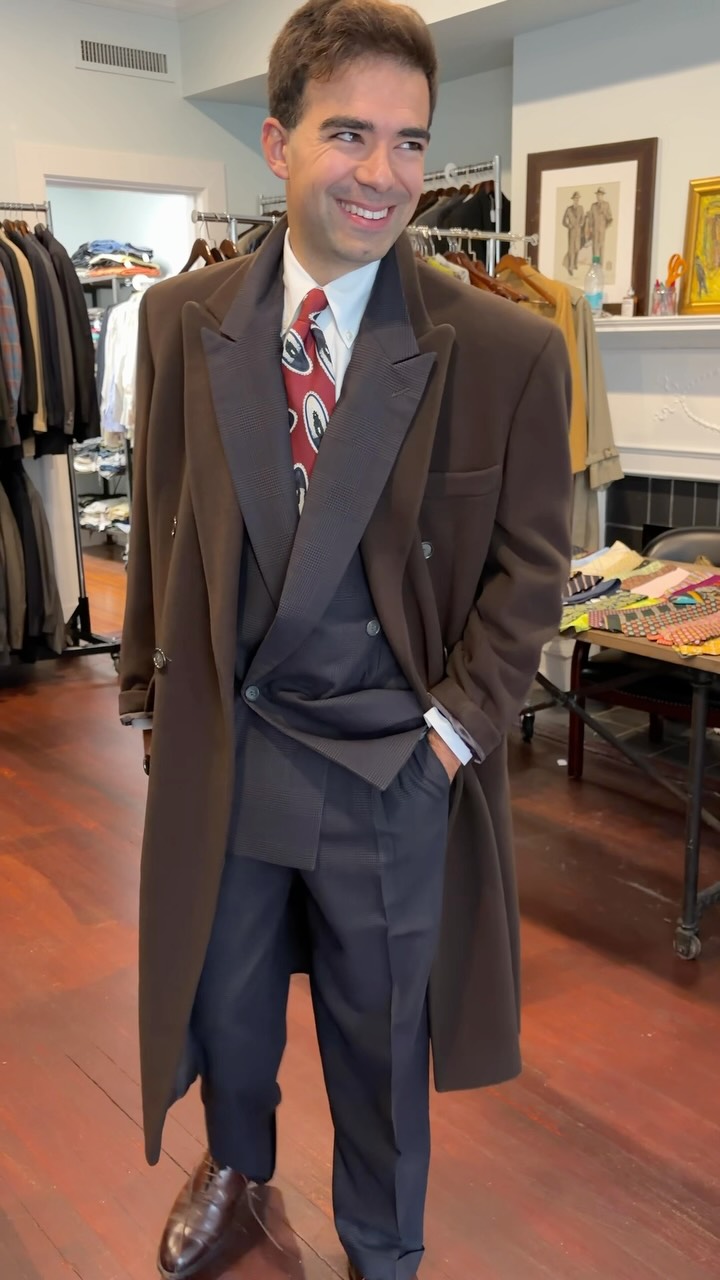 145.3K71.3×Stylist gives rule-breaking suit advice@parvs.dc · Tutorial / How To
 487.2K19.9×Explaining why suits make money@adamtgroh · Explainer
 306.5K1.9×Tailoring styles explained by expert@frontoffice.co · Breakdown
 225K12.5×Explaining how to tuck shirts@tannerguzy · Tutorial / How To
 1.1M79.5×Historical breakdown of trench coats@fineasjackson · Breakdown
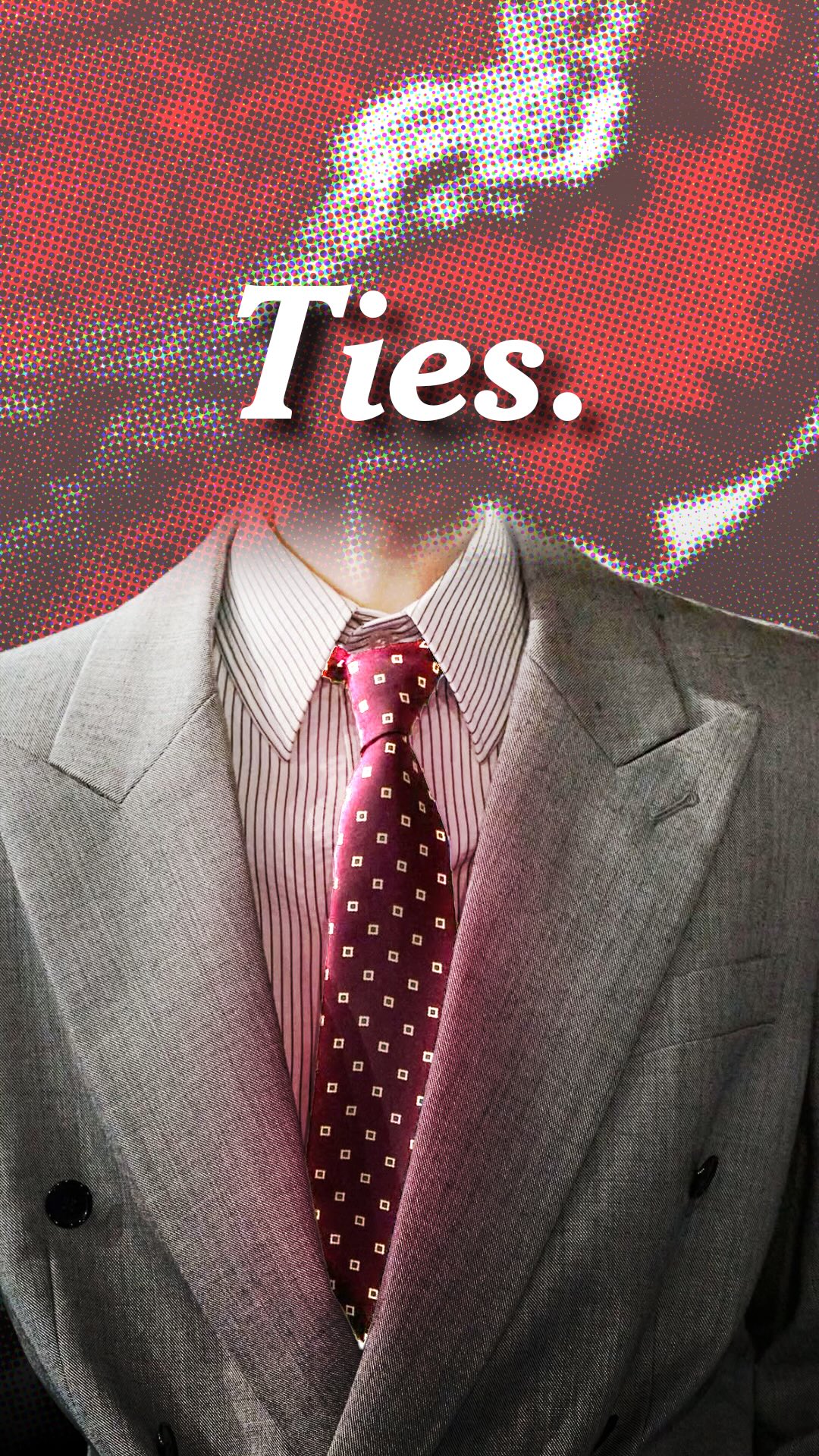 1.5M13.9×Explaining the history of neckties@alextwma · What Is X?
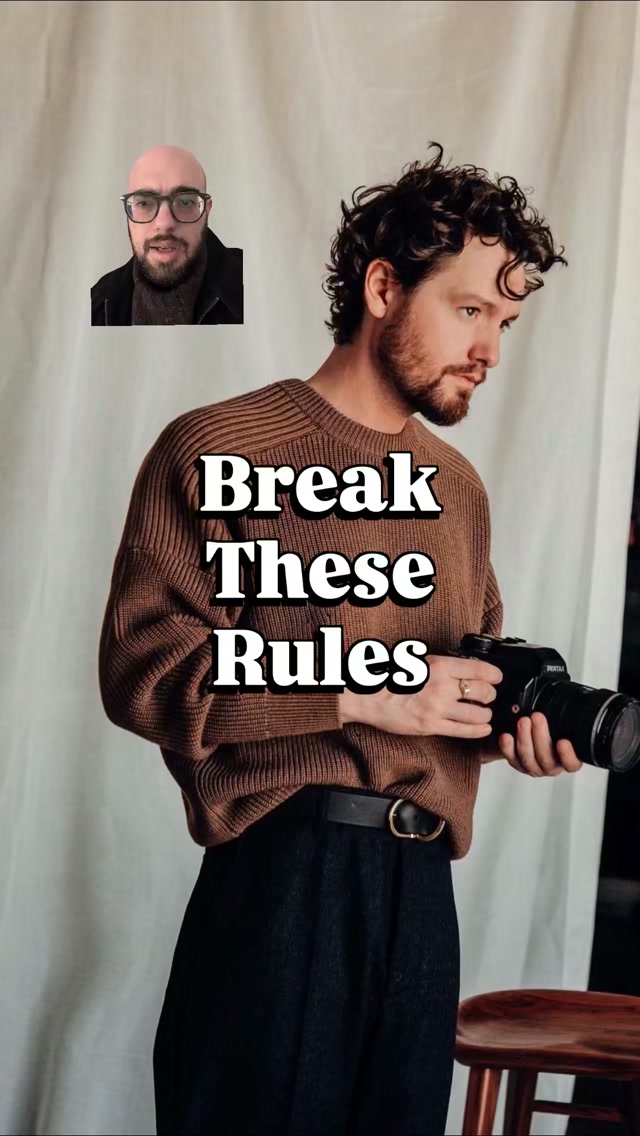 181.8KDebunking three outdated fashion rules@the.second.button · Rapid Fire Listicle
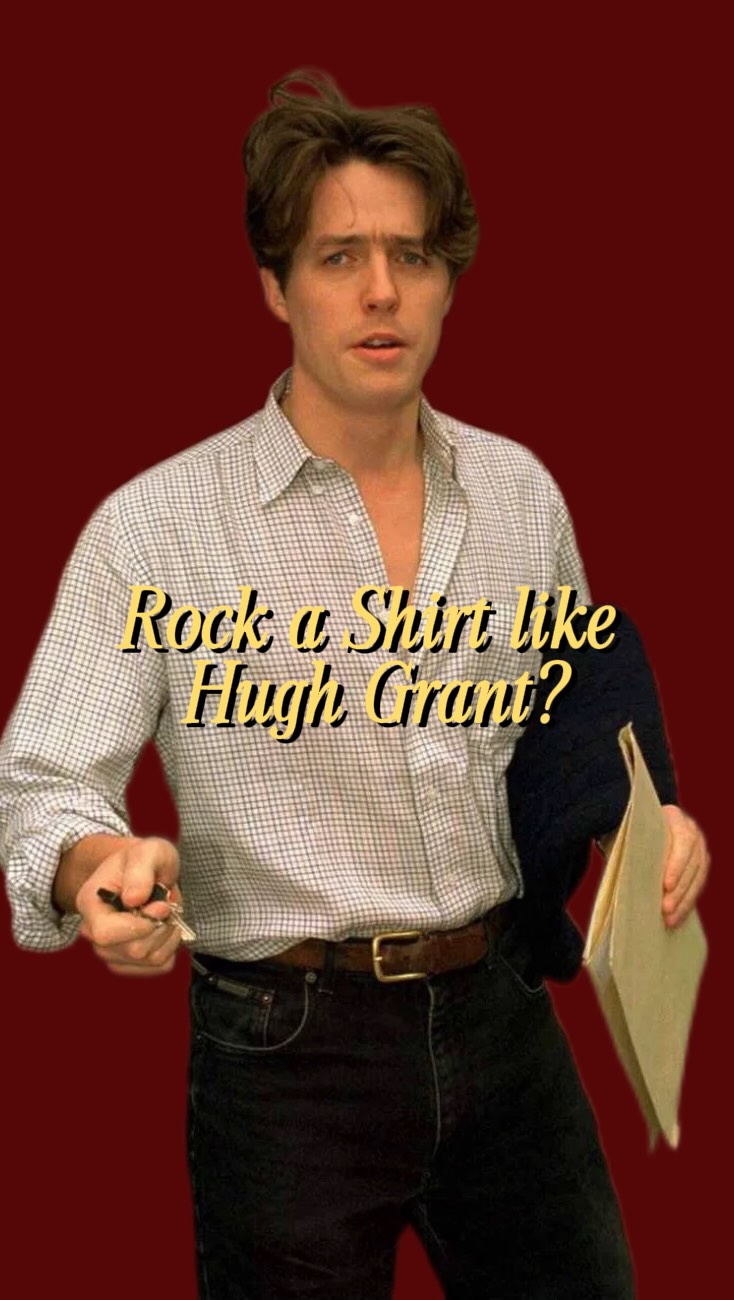 331K26.1×Explains fashion problem, presents solution@2ndcoat_ · Breakdown
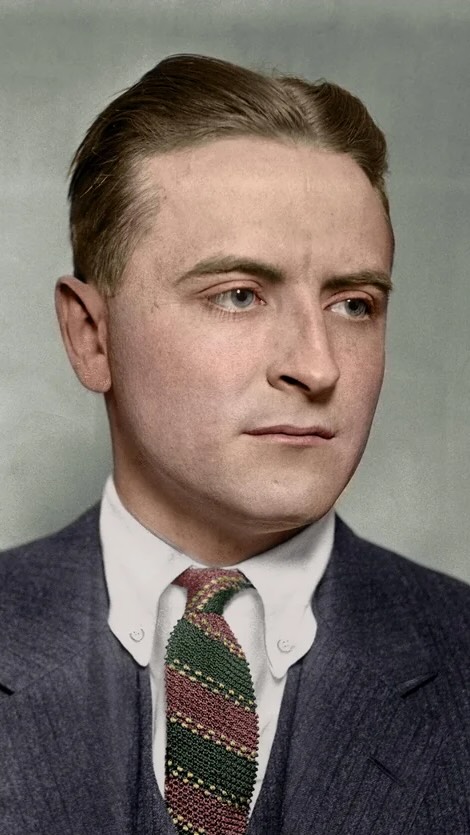 177.8K5.3×Explaining the history of ties@brockvignery · Origin Story
 1.1M57.9×Question hook then historical explanation@fineasjackson · Origin Story
[04]
[05]
What stops the scroll in the first 3 seconds
Title hook · 65%
Why you never button the bottom hole
Verbal hook · 20%
This better?
Visual hook · 15%
Rapid cuts between a speaker and close-up shots of different suit buttons, creating visual momentum and focusing on the video's subject.
[06]
Steal this for your own video
Why you never
[07]
The promise the opener makes, and how the video pays it back
Hook
Issue a contrarian command about a common object, then immediately state that the reason behind this convention is a complete mystery to most people, creating an instant knowledge gap.
Payoff
Conclude with a concise, symmetrical, and memorable summary that contrasts the two origin stories (e.g., one from a person who couldn't do X, one from a person who had to do Y), providing a powerful sense of narrative closure.
[08]
The structural pattern this video runs on
Framework
The Dual Mystery Unpacking
To deconstruct two seemingly arbitrary conventions of a single subject by revealing their separate, surprising historical origins—one born from accident and the other from necessity.
The First Anomaly
Isolate the first specific feature or rule, acknowledging it as a widely accepted but unexplained practice.
The Rule & Refutation
State the commonly accepted explanation ('it's a rule') and then immediately subvert it by revealing a more intriguing truth ('it's an accident'), positioning the narrator as an insider with hidden knowledge.
The Anecdotal Origin
Tell the first origin story, anchoring the 'accident' to a specific, relatable human character and their personal problem.
The Social Contagion
Explain how the individual's accidental behavior was adopted by a wider group due to social pressure or hierarchy, transforming a personal quirk into a cultural trend.
The Systemic Fossilization
Detail the mechanism by which the trend became a permanent, designed-in feature, thus solving the first mystery completely.
The Narrative Pivot & Second Anomaly
Smoothly transition to a second, related feature of the same object, presenting it as another mystery where a once-functional element is now purely decorative.
The Historical Context
Establish the broader societal or professional context for the second origin story, focusing on a struggle for status or identity.
The Professional's Problem
Define the specific, practical problem faced by this historical group that their existing tools or attire could not solve.
The Inventive Solution
Reveal the clever, functional design innovation that solved the practical problem, providing the 'aha!' moment for the second mystery.
The Modern Echo
Connect the historical solution to its modern, often non-functional, vestige, explaining why the feature still exists today.
Why you never fasten the bottom button on a suit jacket. It started with a fat kind…
title · beginning
Why you never button the bottom hole
contextual · beginning
This button?
contextual · beginning
Don't fasten it.
contextual · beginning
These buttons can't open
contextual · beginning
Nobody questions it.
branding · beginning
55 of "Chasing Beauty"
informational · middle
Nicknamed Tum-Tum due to his 48 inch waist.
contextual · middle
Surgeon
contextual · middle
Butcher
informational · end
One from a king who couldn't close his coat and one from a surgeon who couldn't take his off.
This better? Don't fasten it. These buttons can't open. Nobody questions it. Nobody knows why. This is episode 55 of Chasing Beauty and today tier looking at the suit jacket. Look at the bottom button. On a two button jacket, you never fasten it. Ask anyone and they'll tell you it's the rule. But it's not a rule. It's an accident. It all started with tum tum. Well, King Edward the seventh. Nicknamed tum tum due to his forty eight inch worst. This was a guy who took a roast chicken to bed every night in case he got hungry. At some point around 1900, Edward could no longer button the bottom button of his jacket. No, he stopped trying and then the court had a problem. You can't out yes a king. So one by one, everyone around him started leaving their bottom buttons open too. Within a generation, it spread beyond the court. Taylor started cutting the suit pattern assuming that button would never close. The entire silhouette was redesigned around a gap that only existed because the king ate 12 course dinners. No, look at the cuff. Three or four buttons on the sleeve. On most jackets, they're decorative. Stitched flat with no button holes behind them. They don't do anything. But they used to. And the reason they existed is one of the strangest class stories in the history of clothing. For centuries, surgeons weren't considered professionals. They were grouped with barbers. Men who cut hair, pulled teeth rank occasionally sawed off a limb. Tradesmen. Lower class. It took generations for surgeons to claw their way into respectability. And by the nineteenth century, the thing that finally separated a trained surgeon from a butcher with a bone saw was the coat. A dark wool frock coat worn at all times. Taking it off and working in your shirt sleeves would drop you right back into the category that you spent centuries trying to escape. The coats were rank, unwashed, and caked with blood and pus from previous operations. A coat stiff with blood wasn't a sign of failure. It was a badge. Proof that you were in demand. But the coat had a problem. You can't operate properly with heavy wool sleeves in the way. And you can't just shove a frock coat sleeve up your arm. It's too stiff. Too rigid. It falls right back down. So the surgeons went to their tailors. And their tailors happened to be next good. Savile Row, before it became the most famous tailoring street in the world, was a street full of surgeons. The tailors cut real buttonholes into the cuff no the sleeves could be unbuttoned and folded back. So now, no need to remove the coat. Unbutton, good, and operate. Two hundred years later, the coats are good. But the buttons are still on your sleeve. And on a bespoke jacket, a good one, they still open. No, two rules. One from a king who couldn't close his coat and one from a surgeon who couldn't take his off.