The creator explains the US soybean crisis, detailing how China, once the largest buyer, has stopped purchasing American soybeans due to retaliatory tariffs. He breaks down the financial impact, the role of competitors like Brazil and Argentina (aided by a US policy twist), and the resulting strain on American farmers and the rural economy, concluding with a grim outlook on market inefficiency and dependence on government policy.
Post caption
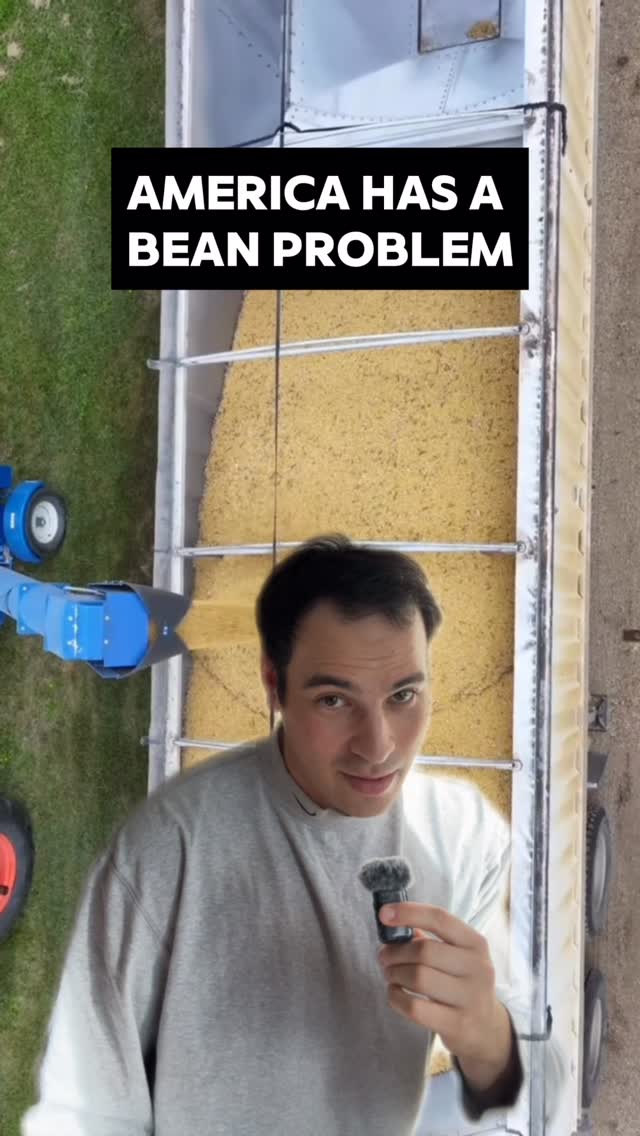
China hasn’t bought a single U.S. soybean this season.
A $12.6B export market has vanished overnight, undercut by Brazil and Argentina after Washington’s own bailout helped a rival. Tariffs make American beans uncompetitive, subsidies paper over the losses, and farmers are left storing crops that used to sail straight to China.
In commodities, loyalty doesn’t exist. Price does.
#economics #commodities #globaltrade #business
Transcript
America has a bean problem. Let's talk about it. China used to buy half of all American soybeans. This fall, for the first time on record, they've bought zero. That's a $12,600,000,000 hole in the farm economy as retaliatory tariffs price US beans out of the market, and China just locked in at least 10 Argentine cargos after Buenos Aires suspended its 26% export tax, cheap beans at America's expense. And with Brazil's dominance in Argentina's undercutting, US farmers are staring at unsold crops and prices hovering near $10 a bushel. But how did we get here? In a twist of policy, Washington extended a bailout to Argentina when Osiris dropped its export quiet betrayal. US farmers, the backbone of small town economies, are squeezed as grain elevators, processors, and local diners feel a strain. So yes essence, tariffs made US soy uncompetitive. Subsidies soften the blow, but entrenched dependence on Washington rather than demand. In a friendly August, WASDE trimmed US plantings by 2,500,000 acres, pushing futures briefly higher. But export demand is collapsing. New crop sales are half last year's level with China absent. And the math is as simple as it is brutal. America built its soybean industry around one buyer. Lose that buyer and this system buckles. And sure, funds have already covered shorts and turned neutral, but futures may hold for no. But without Chinese demand, the rally rests on thin supply, not real trade. So what's left after all this is inefficiency. Beans in bins, spaces collapsing, farmers waiting on on Washington instead of the markets. And unless a deal happens soon, America's breadbasket risks turning into a warehouse.