@frontoffice.co
TikTok · Talking Head Edit
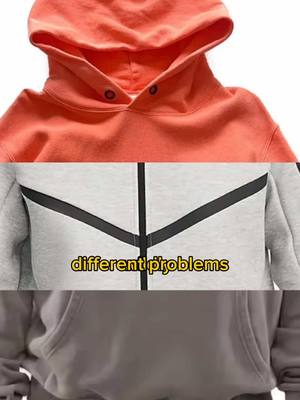
@frontoffice.co Three hoodies. Three design solutions to modern problems.

@frontoffice.co
TikTok · Talking Head Edit
@frontoffice.co Three hoodies. Three design solutions to modern problems.
Performance
Video #7303 · Talking Head Edit
[01]
The speaker tells a story about three distinct hoodies, each designed to solve a different problem. He first breaks down the Champion Reverse Weave hoodie as an engineering solution to fabric shrinkage from the 1930s. Next, he analyzes the Nike Tech Fleece as an engineering response to a marketing problem in 2013, competing with athleisure. Finally, he explains the ultra-heavyweight 1000 GSM hoodie as a solution to the problem of differentiation in e-commerce, creating a luxury status object defined by its measurable weight.
[02]
[03]
 278.1K19.4×Explain hoodie quality and pricing@fineasjackson · Breakdown
 827.8K2×Designer breaks down hoodie construction@frontoffice.co · Case Study Breakdown
 54K2.6×Expert recommends top hoodie fabrics@yaw_majesty · Resource
 569.7K1.4×Solving production problems with design@frontoffice.co · Case Study Breakdown
 349KWhy durable clothes still create waste.@frontoffice.co · Breakdown
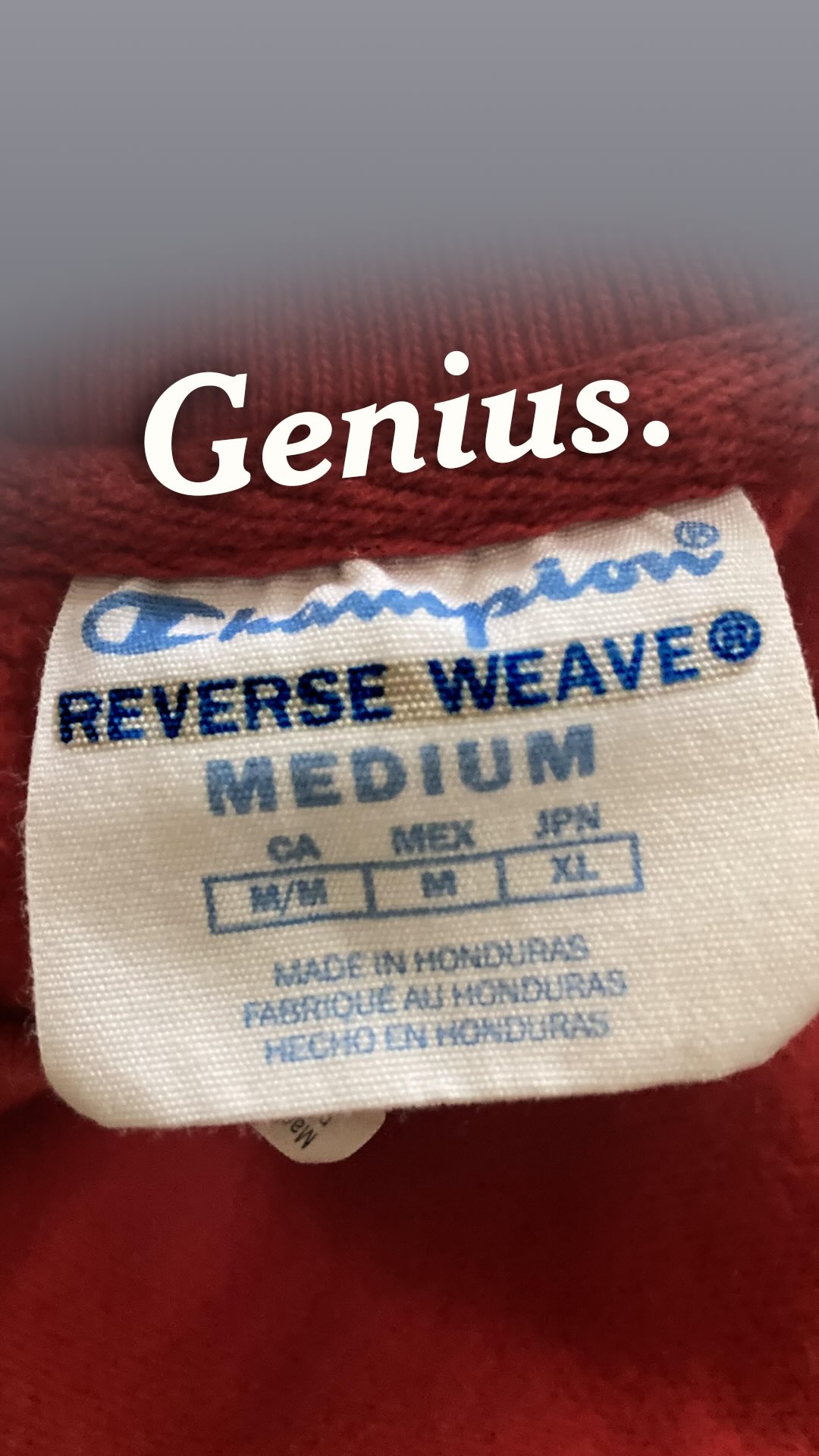 823.1K1×Explaining a famous clothing innovation@alextwma · Origin Story
 1.7MCelebrity hoodie hack product pitch@ceezee999 · Explainer
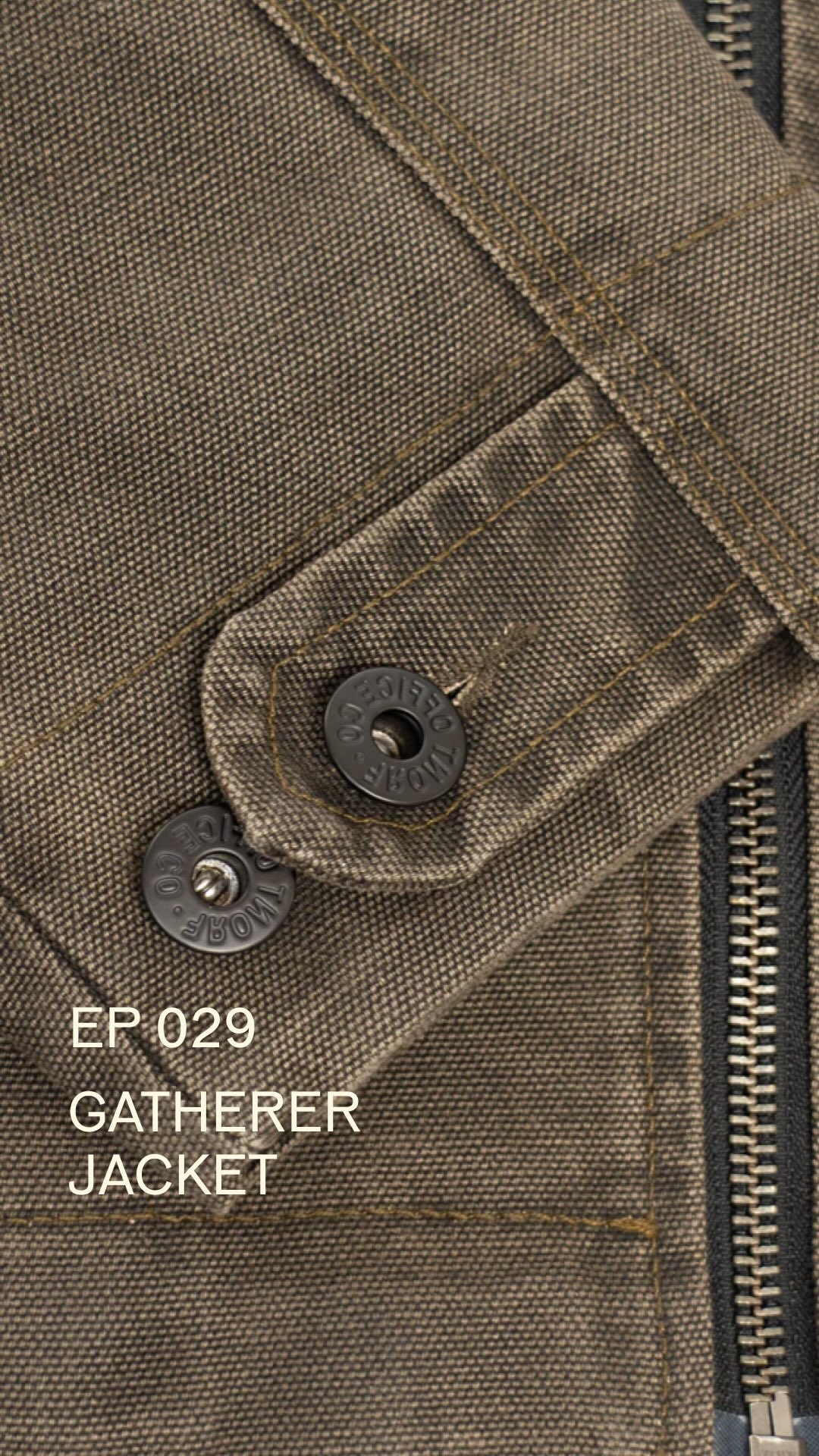 590K2×Jacket design process breakdown@sakata.ken · Breakdown
 158.6K2.3×Designer showcases his custom hoodie@yitaigeng · Product Showcase
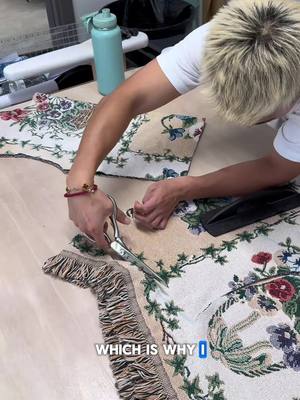 221.4K3.8×Making a custom hoodie gift@yitaigeng · Behind The Scenes
 89.5KCreator reveals making famous hoodies@cali.nina · Behind The Scenes
 103.9K1.9×Explaining true T-shirt quality history@gents.studios · Breakdown
[04]
[05]
What stops the scroll in the first 3 seconds
Verbal hook · 65%
I'll tell you a story.
Visual hook · 35%
A direct-to-camera address from a speaker, followed by a quick cutaway to a montage of the three products being discussed.
[06]
Steal this for your own video
I'll tell you a story about how solved —and why it changed .
[07]
The promise the opener makes, and how the video pays it back
Hook
A declarative statement that frames a familiar category of items as solutions to 'wildly different problems,' creating an intellectual mystery and promising a structured reveal.
Payoff
A synthesis that reframes the comparison away from 'which is best' and towards 'which solution aligns with your values,' providing a thoughtful and conclusive takeaway that empowers the viewer.
[08]
The structural pattern this video runs on
Framework
The Problem-Solution Deconstruction
Analyzing a category of similar items by deconstructing how each one was designed as a unique solution to a distinct, escalating problem (physical, market-driven, conceptual).
Case Study 1: The Physical Problem
The first item is analyzed as a solution to a tangible, engineering-based problem, establishing the core analytical pattern and building credibility with historical or technical evidence.
Case Study 2: The Market Problem
The second item escalates the concept, analyzing it as a solution to a competitive or marketing-based problem, demonstrating how external pressures shape design.
Case Study 3: The Conceptual Problem
The third item elevates the analysis to an abstract level, presenting it as a solution to a problem of perception, status, or modern culture (e.g., e-commerce).
Three hoodies. Three design solutions to modern problems.
I'll tell you a story. We have three hoodies that were invented to solve three wildly different problems. So worst up, we've got the Champion Worse Weave Hoodies. So this is the patent, 08/09/1938, Friedland best al. So Champion Knitwear Company in nineteen thirties are making a very expensive item. 100% heavyweight cotton, and it's made in The USA. We're talking sweatshirts, track pants. And because they're so expensive, they're expected to last for years. And they were noticing that shrinkage was a huge issue. So how do you stop a very expensive sweatshirt from changing shape? How do you protect your investment? So No they noticed rank the sweatshirts were shrinking in one direction more than the other, more in the worst than the width. So they decide to turn the fabric 90 degrees, limiting the shrink from top to better. But that still gives them the problem of sideways rank. So they add a panel of ribbing, a side gusset, that resists the shrink with tension. An engineering solution to a physical problem. Very elegant, very clever. So hoodie number two is the Nike Tech Fleece hoodie, which is very tech and not really fleece. So it is a sandwich of material. So you have a smooth layer of cotton jersey, which is then bonded to a middle layer of foam, and this fluffy inner layer is now what we understand to be a nest of microplastics. And this is a very high-tech engineering solution no, can we make a heavyweight cotton fabric lighter without paying for a lot of cotton? But is that really the problems that they are solving? Now you have to understand that this was invented in tier, and the fashion marketplace at tier time is contending with Lululemon and athleisure creeping into the market. And it is this idea of everyday performance. Can an everyday person feel more like an athlete? What Nike Tech Fleece is is an engineering response to a marketing problem. Can we turn a heavyweight good fashioned hoodie into a sleek urban uniform? Problem solution. So hoodie number three takes the same idea 10 steps further. This is a thousand GSM hoodie. GSM refers to grams per square meter by how heavy it is. This hoodie contends with the idea of what is luxury. It's really interesting to observe that what was once mainstream worse% heavyweight cotton has become a luxury fabric. And the design of these hoodies is led by e commerce. On a website, a black hoodie looks like a black hoodie looks like a black hoodie. So the only way to differentiate from each other is measurements. 300 is better than 200. 1,000 must be three times better. But that is purely a measurement of weight. You end up purchasing something that is very good on paper, but is essentially a wearable blanket. No don't get me rank, for a niche market of people who live in very cold climates, this is functional wear. But for most people, we have now arrived at the anti performance hoodie. Like something that is not functional, but exists purely as a status best, that I have acquired more cotton on my body than you. And ultimately, it's not really about which is the best best. It is about which design answers the question in your life. Do I want something that's expensive but durable? Do I want an urban uniform? And do I wanna drape my body in an expensive fabric? Clothes are just clothes, but they can be a reflection of what you value.