@frontoffice.co
TikTok · Talking Head Edit
@frontoffice.co Loopwheel t-shirts, old technology and convenience

@frontoffice.co
TikTok · Talking Head Edit
@frontoffice.co Loopwheel t-shirts, old technology and convenience
Performance
Video #8163 · Talking Head Edit
[01]
The creator explains the cultural paradox of Japan's blend of high-tech convenience and outdated, inefficient systems. He uses the example of traditional bureaucracy (stamps, fax machines) to introduce the cultural trait of preserving systems that work, then pivots to explain how this has preserved unique, high-quality textile manufacturing methods like loopwheel knitting and selvedge denim, which have died out elsewhere in the world. He concludes by questioning whether the modern pursuit of convenience has led to the loss of beautiful, albeit inefficient, craftsmanship.
[02]
[03]
 1.6M4.9×Cultural trait explains niche manufacturing@sakata.ken · Strange but True
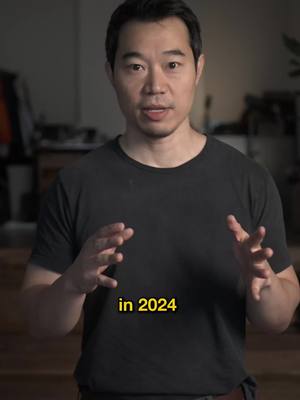 328.3K3.3×Explaining Japan's manufacturing decline.@frontoffice.co · Breakdown
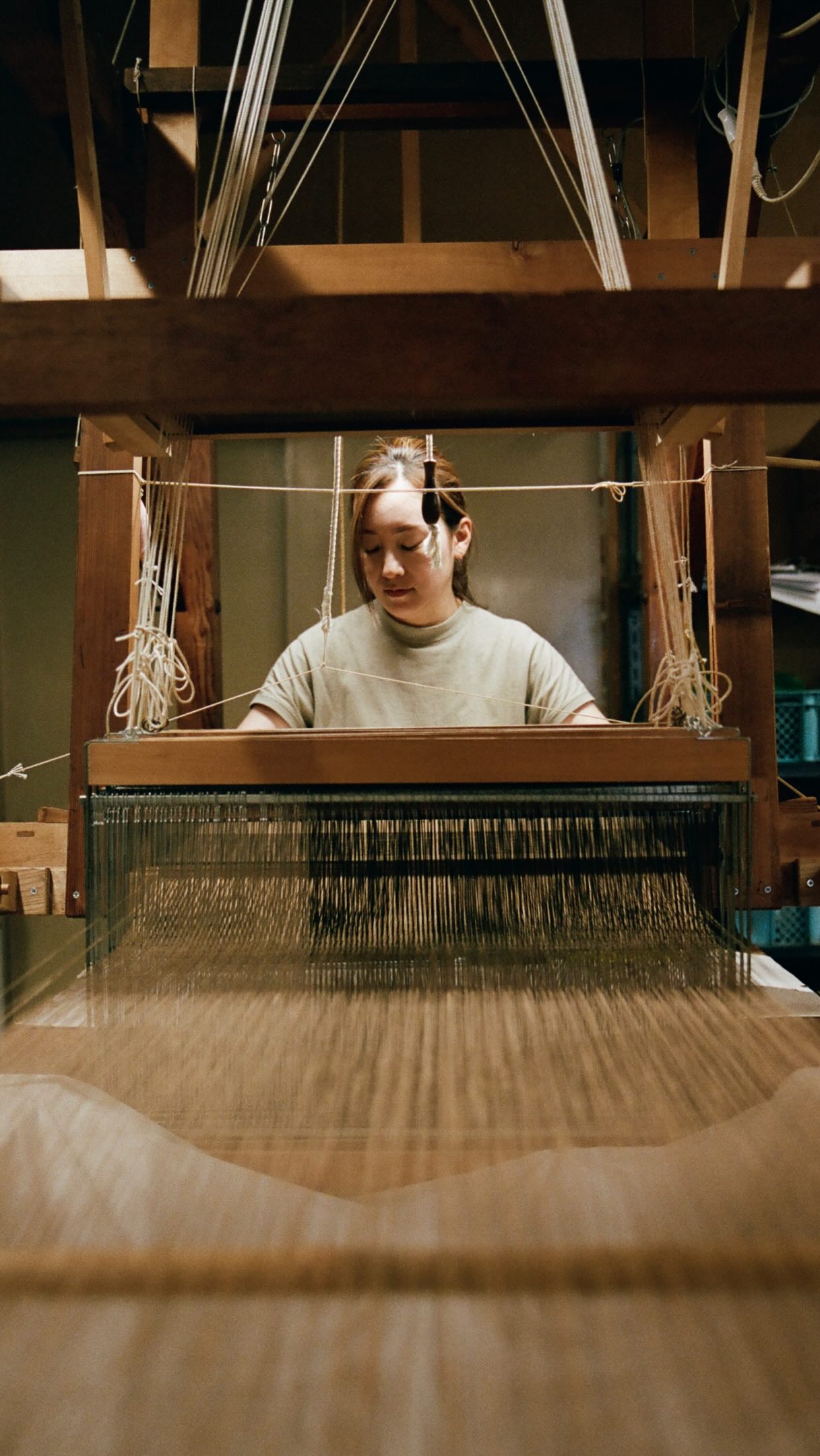 1M18.6×Japanese factory de-modernizes for quality@sakata.ken · Origin Story
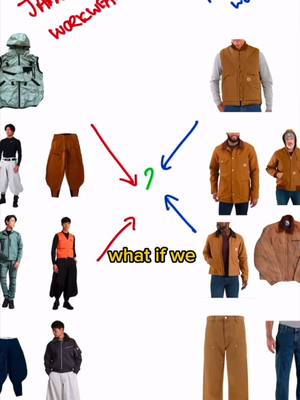 700.5K1.9×Deconstructing Japanese and American workwear@frontoffice.co · Breakdown
 3M5.5×Comparing workwear styles, creating hybrid jacket.@frontoffice.co · Case Study Breakdown
 1.6M2×Explaining luxury t-shirt manufacturing process@alextwma · Opportunity Explainer
 1.1M4.2×Personal story behind washi jeans@sakata.ken · Origin Story
 282.7KFabric history and modern reinvention@frontoffice.co · Explainer
 349KWhy durable clothes still create waste.@frontoffice.co · Breakdown
 531.8K2.1×Explaining hyper-local fabric origins@sakata.ken · Breakdown
 417.5K7.9×Personal story explains material science@frontoffice.co · Origin Story
 1.6M3.1×Japanese indigo dye process vlog@frontoffice.co · Origin Story
[04]
[05]
What stops the scroll in the first 3 seconds
Title hook · 65%
I am moving to Japan
Verbal hook · 25%
Japan is very inconvenient.
Visual hook · 10%
A quick cut from the speaker to a vibrant, illuminated nighttime shot of a traditional Japanese storefront, creating immediate visual interest and establishing the video's cultural setting.
[06]
Steal this for your own video
I am moving to because of .
[07]
The promise the opener makes, and how the video pays it back
Hook
Present a provocative, counter-intuitive statement about a well-known subject to create an immediate curiosity gap.
Payoff
Broaden the specific resolution into a universal philosophical question, challenging the viewer's assumptions about progress, convenience, or the central theme of the video.
[08]
The structural pattern this video runs on
Framework
The Paradox Resolution
Introduce a counter-intuitive observation about a familiar topic, then systematically deconstruct it to reveal a deeper, non-obvious truth, ultimately reframing the initial paradox as a virtue.
The Inconvenience Paradox
Ground the abstract hook with a concrete, slightly absurd scenario that makes the paradox feel tangible and confusing.
The Contradiction Question
Heighten the mystery by contrasting the initial claim with a widely accepted opposing truth about the subject.
The Cultural Thesis
Provide a single, clear principle or cultural trait that serves as the central explanation for the paradox.
The Tangible Case Study
Shift from abstract theory to a specific, physical example (a product, a process) that will be used to prove the thesis.
The Process Deep Dive
Explain the mechanics of the case study, contrasting the 'old/inefficient' method with the 'modern/convenient' one.
The Virtue of Inefficiency
Reveal the unique, superior quality or benefit that results directly from the 'inefficient' method, reframing its perceived flaw as its greatest strength.
The Pattern Confirmation
Briefly list other examples that follow the same principle to demonstrate that the case study is not an anomaly, but part of a larger pattern.
The Full-Circle Synthesis
Explicitly connect the virtue of the case study back to the initial paradox, resolving the original confusion by showing how the 'flaw' preserves the 'virtue'.
Loopwheel t-shirts, old technology and convenience
contextual · beginning
I am moving to Japan
informational · beginning
wooden stamp
contextual · beginning
with the government
contextual · beginning
of convenience,
informational · middle
working for 150 years
informational · middle
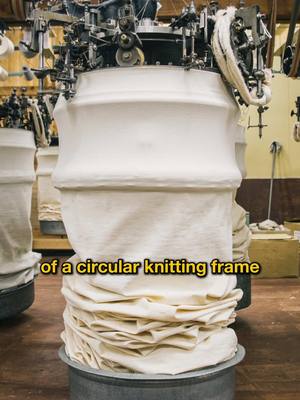
of a circular knitting frame
informational · middle
extremely inefficient
informational · middle
the hand feel
informational · end
selvedge denim
informational · end
inefficient technologies
Japan is very inconvenient. I am moving to Japan. It is 2025, and all my contracts have to be on real paper. And instead of a real signature, it has to be a wooden stamp that I register with the government. And when I'm done, I have to use a fax machine and this doesn't make a lot of sense, does it? Japan is the land of convenience. Like, they came up with the bullet train. So what is going on in Japan? So generally speaking, the Japanese have a very stubborn resistance to letting go of things that work, working systems. So So for the issues of my contract documents, that system has been working for one hundred and fifty tier. It predates domestic electricity. But because it is a system that works, things don't change. And as a fashion designer, this gives us a very unique fashion culture. Japan is where a lot of old methods that have died out in the other parts of the world are still in place. So for example, this this t shirt, it is made on an old machine. It's called a loop wheeler. A modern t shirt has a front and a back panel and then it's sewed together on the side. This is made out of a circular knitting frame. It's like a tube. So it knits the fabric very slowly and then it drops with gravity. The fabric isn't pulled from the other end no there is low tension. It is so extremely inefficient. It is so slow. And being slow means that it's a very expensive way to make fabric and there's no surprise that it has died out everywhere else in the world. But that also means that the fabric is unlike anywhere else in the world. If you're 40 years old and younger, you wouldn't have seen this sort of fabric before. Like we didn't grow up with this fabric. So we don't recognize it. The hand feel is like a very thin light sweater is the best that I can approximate. And that's just t shirts. Tier are all kinds of old antique machines still in Japan. Like you would have heard of salvage denim with the very short looms, also very low tension. Or you would have heard about indigo or other natural dyes, like a bunch of slow inefficient technologies. But of worse, the result of those things are all very wonderful. And the fact that those things still exist, they're still in production is a credit to the stubborn Japanese with their stamps and their fax machines. They are not lost to time. And for me, as a designer, moving to Japan has a lot of value because you have access, a wide choice of things that still work. And that makes me wonder, technology and progress doesn't necessarily make our lives better or worse. It just makes our lives more convenient. And in our pursuit of convenience, how many beautiful things that we have quietly lost because they are slow, because they are expensive. And if you grow up at just the wrong time, you may not even notice that they're gone.