@frontoffice.co
TikTok · Talking Head Edit
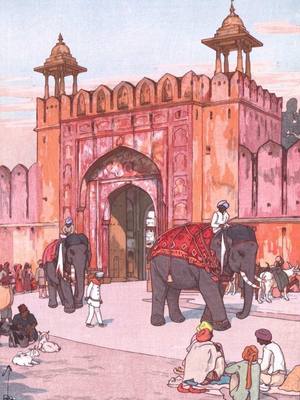
@frontoffice.co Three cultures. Three different parts of the world. Three different ways to design clothes for hot climates.

@frontoffice.co
TikTok · Talking Head Edit
@frontoffice.co Three cultures. Three different parts of the world. Three different ways to design clothes for hot climates.
Performance
Video #6009 · Talking Head Edit
[01]
The creator explains how three different cultures—Bedouin, Japanese, and Indian—developed unique clothing solutions for hot climates based on their geography and available resources. He breaks down how the Bedouin used heavy wool in loose garments for insulation, the Japanese used open-weave linen for breathability in humidity, and Indians used ultra-fine cotton for lightweight, draped garments. Finally, he connects this historical research to the design philosophy of his own brand's open-weave shirt.
[02]
[03]
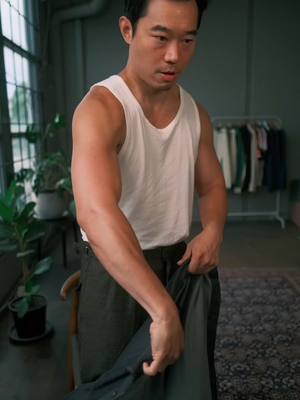 320.2KDesigner breaks down overshirt fabrics@frontoffice.co · Breakdown
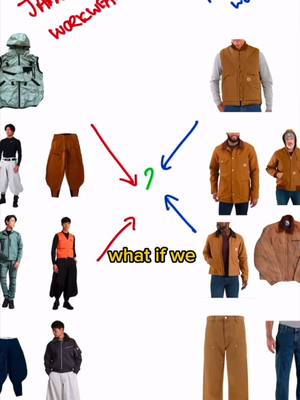 700.5K1.9×Deconstructing Japanese and American workwear@frontoffice.co · Breakdown
 3M5.5×Comparing workwear styles, creating hybrid jacket.@frontoffice.co · Case Study Breakdown
 282.7KFabric history and modern reinvention@frontoffice.co · Explainer
 814.7K1.3×Designer explains jacket creation process@frontoffice.co · Origin Story
 278.1K19.4×Explain hoodie quality and pricing@fineasjackson · Breakdown
 655.4K3.5×Wool science and fabric choices@frontoffice.co · Breakdown
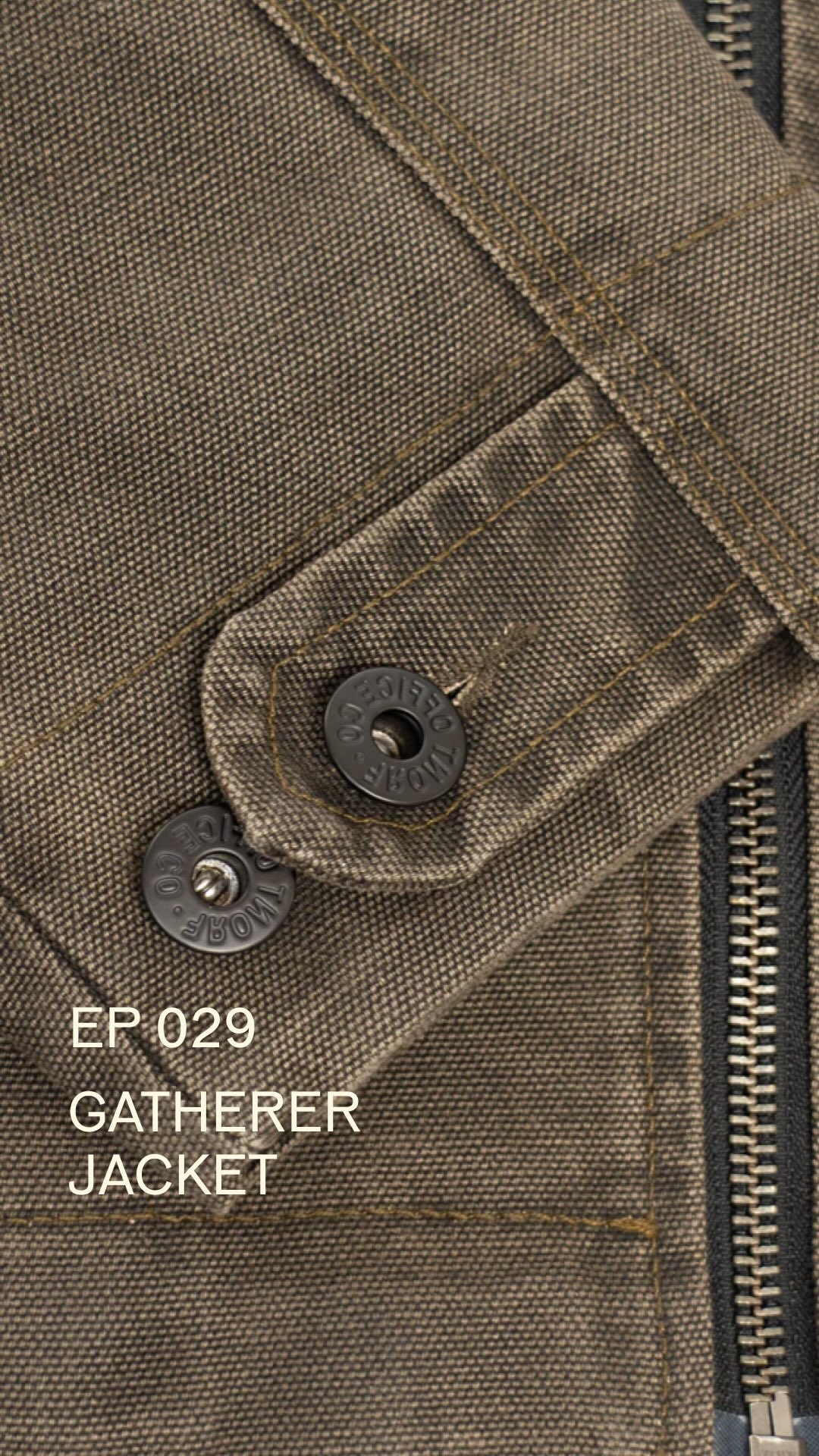 590K2×Jacket design process breakdown@sakata.ken · Breakdown
 1.1M2.5×Explaining design philosophy through examples@frontoffice.co · Origin Story
 266.1K28×Historical breakdown of wool types@gents.studios · Hot Take
 1.6M3.1×Japanese indigo dye process vlog@frontoffice.co · Origin Story
 1.1M14.4×Designer shows mistake and fix@yitaigeng · Origin Story
[04]
[05]
What stops the scroll in the first 3 seconds
Title hook · 45%
so three cultures
Verbal hook · 50%
So three cultures in three different parts of the world come up with three wildly different solutions for hot climates.
Visual hook · 5%
A medium shot of a speaker talking directly to the camera, which quickly cuts to a historical black and white photograph of two people in traditional desert clothing.
[06]
Steal this for your own video
cultures in different parts of the world came up with wildly different solutions for .
[07]
The promise the opener makes, and how the video pays it back
Hook
A clear thesis statement that introduces a single problem and promises to reveal multiple, distinct solutions from different sources, creating an immediate curiosity gap.
Payoff
The Modern Embodiment: Reveals a product, idea, or conclusion that is presented as the logical culmination of the historical analysis, with its features directly justified by the principles previously explained, making it feel intelligent and necessary.
[08]
The structural pattern this video runs on
Framework
The Historical Precedent Blueprint
Deconstructing multiple historical or traditional solutions to a single, universal problem to establish expertise and provide a compelling rationale for a modern product or idea.
Case Study 1: The Foundational Solution
Introduces the first example, establishing the analytical framework by linking the environment, available resources/constraints, and the resulting design solution. This teaches the audience how to interpret the following examples.
Case Study 2: The Contrasting Solution
Presents a second example with different environmental factors and constraints, showcasing an alternative solution that highlights the adaptability of design principles and deepens the analysis.
Case Study 3: The Mastery Solution
Details a third example that represents a pinnacle of craftsmanship or a highly specialized approach, solidifying the breadth of possible solutions and the creator's depth of knowledge.
The Synthesis Bridge
Connects the core principles derived from all historical case studies to a modern context, explaining how these timeless lessons inform the creator's own work or philosophy.
Three cultures. Three different parts of the world. Three different ways to design clothes for hot climates.
informational · beginning
so three cultures
informational · beginning
in three different parts of the world
informational · beginning
three wildly different solutions for HOT CLIMATES
contextual · beginning
which is today's Saudi Arabia
informational · beginning
they used mostly wool
informational · middle
really oversized loose fitting garments
informational · middle
these black robes
contextual · middle
Why do Bedouins wear black robes in hot deserts?
informational · middle
the second culture is Japan
informational · middle
linen or ramie
informational · middle
you can see through these summer kimonos
informational · end
and the third culture is India
informational · end
entire garment through a ring
So three cultures in three different parts of the world come up with three wildly different solutions for hot climates. So in the Arabian Peninsula, which is today's Saudi Arabia, UAE, Bedouins lived in the better, and up until the tenth century, they yes mostly good. And the choice of wool is due to a combination of various factors. They lived in the desert and it's a very hot dry climate. In agriculture, growing cotton, which is a very thirsty crop, was largely impossible. It needed to be traded or imported. So they largely worked with what was available to them and that was good. And that was sourced from the sheep and the goats best traveled with them. And those animals were adapted to live in the harsh desert climate, and their hair and wool could be collected every year without killing the animal. And wool is an effective material. Like wool is really good at temperature regulation. But the problem is, compared to other fibers, wool's relatively heavy, so you need to get around that problem. So they designed really oversized, loose fitting garments. Clothing like the thobe, like the dishwasher. Best the idea is that these clothes don't sit close to the skin, but they create an air barrier. You'll notice a lot of these photos have these black robes in the desert, and that's really counterintuitive because you would think that black would be worse for radiation. But there's a really interesting little experiment published in Nature in 1980, which compared white robes and black robes and better. And they found that the color of the robe didn't really better. Because the robes worse so flowy, it created too much of an air gap for there to be any difference to the skin temperature, and all that space allows for airflow, which means that the robes themselves can be black, can be white, it didn't really matter to the skin below. So the geography and the culture influences the fiber, the fiber influences the shape, and the combination of the fiber and the shape gives you the design. Now the second culture is Japan, and Japan has a very different warm climate. It's not dry heat better an oppressive sort of humidity. And very much like the Bedouins, there was a period of time in Japan where cotton was not widespread, and the principal summer fibers were linen or reimi. Reimi is not very popular now because it's quite labor intensive to extract. It's a best fiber which is from the stalk of the plant and it's really highly breathable, but you have to weave it in a certain way. And their solution was not to create volume, but to create airflow through weaving. So you can see and you can see through these summer kimonos, and that requires advanced craftsmanship in weaving technique. The clothing could sit a little bit closer to the body because you still have ventilation. And the third culture is India. India's relationship with cotton goes back five thousand years. And over millennia, they have developed mastery over spinning, over weaving, and the popular story is that you could pull an entire garment through a ring because the fabric was so thin and so fine. And their use of cotton really highlights the natural properties of what it's really good at. It's super soft. It's really light. So tier garments like the doti, like the sari, they're big sheets of cotton that are folded and layered. They're dynamic. They have draped. They allow for certain movement and ventilation. So anyway, fashion isn't always just aesthetic. Within a traditional garment, you get an insight into the geography, you get insight into the culture, you get insight into technology, and learning all of this stuff has influenced the way that we design. So this, the shirt I'm wearing no, is our woven shirt. It's a little bit oversized to allow for ventilation. This is a fabric that's woven just for us. It has this incredible open weave. It's made from 100% cotton and because of the ventilation and because of the open weave, we could make it in both an undyed as well as in a black. And that's largely the idea behind all of this study that hopefully leads to somewhere, hopefully leads to some research and development of our stuff. Although, to be honest, it's pretty fun to do anyway, it's part of my job.