@frontoffice.co
TikTok · Talking Head Edit
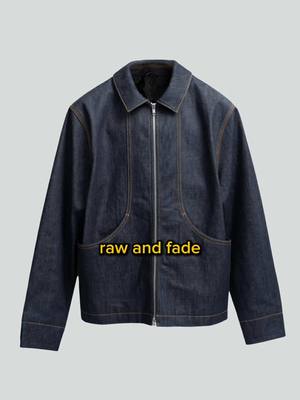
@frontoffice.co Double dip denim jackets, natural indigo dye and mono no aware

@frontoffice.co
TikTok · Talking Head Edit
@frontoffice.co Double dip denim jackets, natural indigo dye and mono no aware
Performance
Video #8169 · Talking Head Edit
[01]
The creator explains the concept of 'double dip denim,' detailing the process of dipping fabric in natural indigo 20 times. He travels to Japan to investigate the reason behind this expensive technique, showcasing the traditional dyeing process and connecting it to the Japanese aesthetic philosophy of 'mono no aware' (the beauty of impermanence), using cherry blossoms as an analogy. Finally, he reveals that the purpose is to create a richer color for a more beautiful fade over time, and presents a jacket made from this fabric as an embodiment of this concept.
[02]
[03]
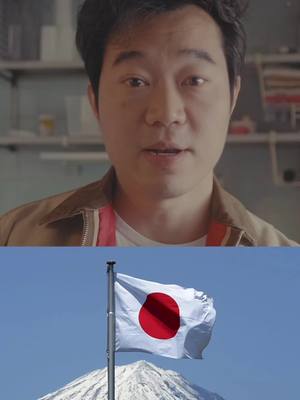 1.6M3.1×Japanese indigo dye process vlog@frontoffice.co · Origin Story
 1.1M4.2×Personal story behind washi jeans@sakata.ken · Origin Story
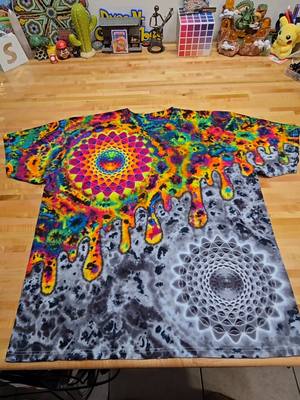 1.1M1.4×Explaining a complex tie-dye process@dyesngoodvibes · Process
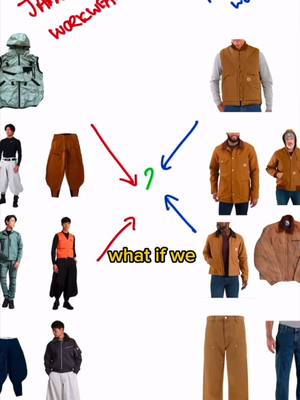 700.5K1.9×Deconstructing Japanese and American workwear@frontoffice.co · Breakdown
 3M5.5×Comparing workwear styles, creating hybrid jacket.@frontoffice.co · Case Study Breakdown
 1.6M4.9×Cultural trait explains niche manufacturing@sakata.ken · Strange but True
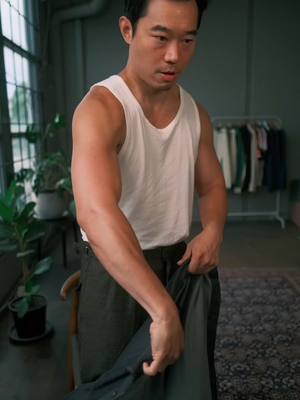 320.2KDesigner breaks down overshirt fabrics@frontoffice.co · Breakdown
 349KWhy durable clothes still create waste.@frontoffice.co · Breakdown
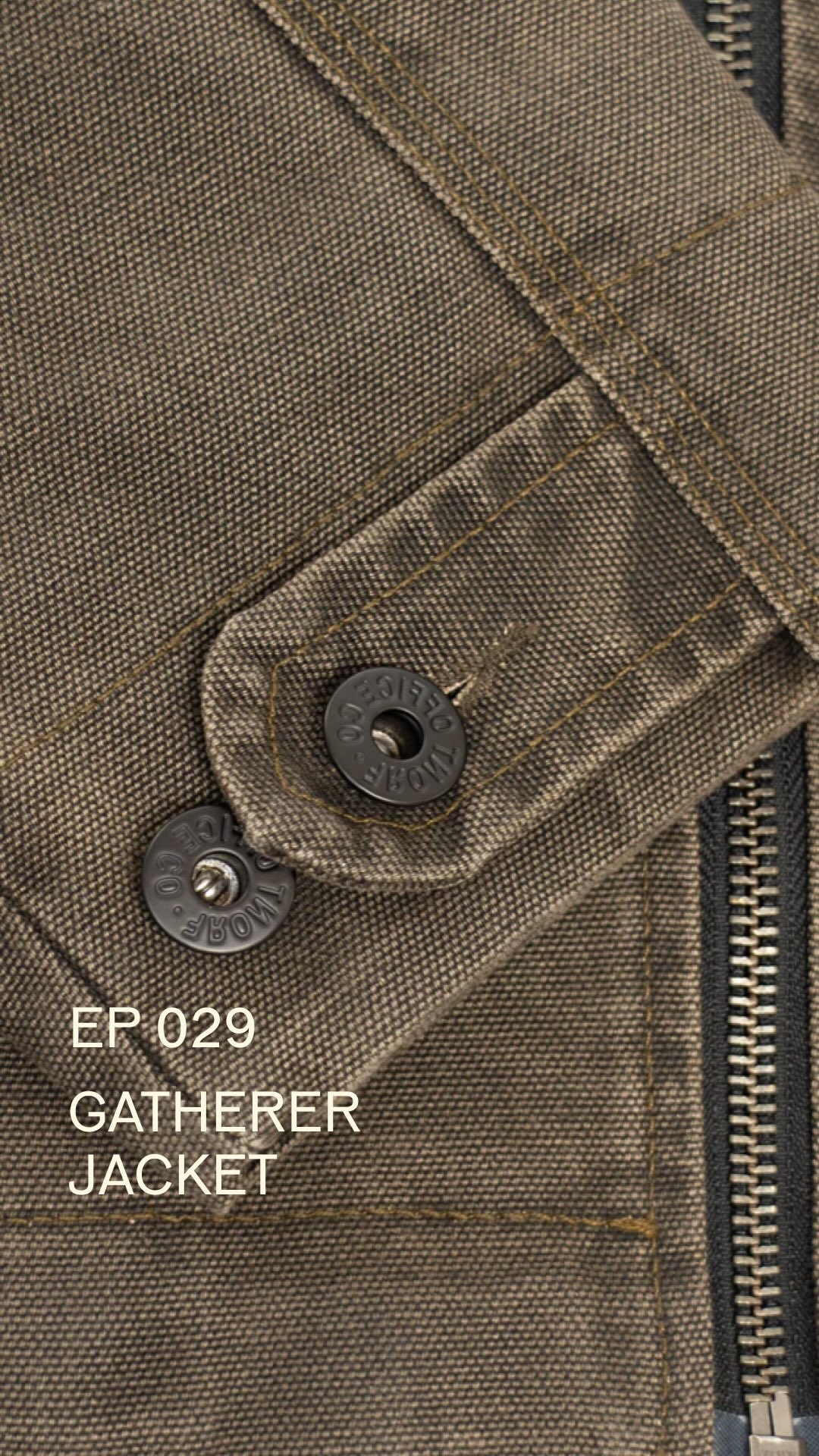 590K2×Jacket design process breakdown@sakata.ken · Breakdown
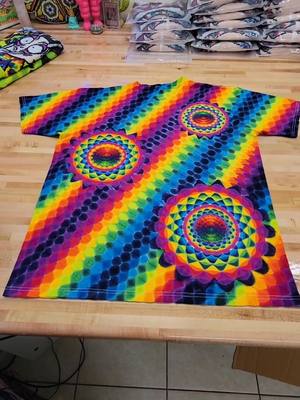 2.4M2.9×Creator explains complex tie-dye process@dyesngoodvibes · Process
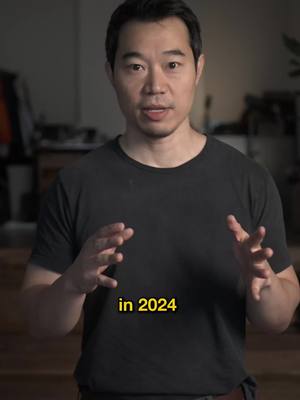 328.3K3.3×Explaining Japan's manufacturing decline.@frontoffice.co · Breakdown
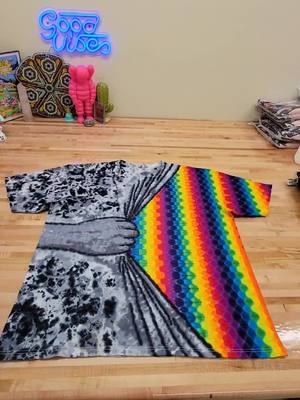 5.8M7.4×Tie-dye process start to finish@dyesngoodvibes · Process
[04]
[05]
What stops the scroll in the first 3 seconds
Verbal hook · 75%
Okay. What is double dip denim?
Visual hook · 25%
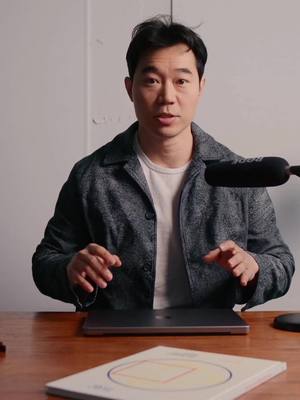
A medium shot of a speaker sitting at a wooden desk with a book and a professional microphone in the foreground, creating an immediate sense of expertise and a formal interview setting.
[06]
Steal this for your own video
What is —and why does it make better over time?
[07]
The promise the opener makes, and how the video pays it back
Hook
A direct, specific question that creates an immediate knowledge gap and promises a clear answer.
Payoff
The viewer receives a satisfying intellectual and emotional resolution that reframes their understanding of the subject, making them feel they've gained insider knowledge and a deeper appreciation.
[08]
The structural pattern this video runs on
Framework
The Philosophical Deep Dive
Answering a simple, technical question about a product or process by revealing a deeper, underlying cultural or philosophical principle that explains *why* it's done that way, transforming a factual inquiry into an emotional and intellectual journey.
The Quantitative Answer
Provides a simple, factual, and numerical answer to the initial question, establishing a baseline understanding.
The Complicating Puzzle
Introduces a logical inconsistency or paradox (e.g., it's too expensive, inefficient, or counter-intuitive) that makes the simple answer insufficient and transforms the 'what' question into a 'why' question.
The Field Investigation
Uses visual evidence (B-roll, travel, demonstration) to prove the existence of the puzzle and establish the creator's authority in seeking the answer.
The Dismissal of the Obvious
Explicitly rules out the most common-sense explanation by presenting a modern or simpler alternative, proving the subject's method is a deliberate, meaningful choice rather than a technical limitation.
The Abstract Revelation
Introduces a core philosophical, cultural, or psychological concept by name, presenting it as the key to solving the puzzle.
The Relatable Analogy
Translates the abstract concept into a simple, universally understood metaphor or example (e.g., cherry blossoms) to ensure the audience grasps its meaning and emotional weight.
The Grand Synthesis
Connects the abstract concept directly back to the initial puzzle, explaining how it resolves the paradox and reveals the true, deeper purpose of the subject's actions.
The Physical Embodiment
Presents a product or object as the tangible manifestation of this entire philosophical journey, reframing it from a simple item into a meaningful experience for the user.
Double dip denim jackets, natural indigo dye and mono no aware
Okay. What is double dip denim? It's denim that's been dipped in natural indigo twice as much as a regular denim fabric. Regular denim fabric is made from yarn that's dipped eight to 10 tier. This fabric's been dipped 20 times. And regular indigo is quite expensive. There has to be a really compelling reason why the Japanese are doing it twice. So I did a bit of traveling trying to figure out what was going on. So this is me at the Japan Folk Art Museum. They teach young people, anyone, how to use natural indigo dye. They set up these fermented dye vats. You can dip in yarn, you can dip in cotton clothes, and out comes a really dark green color. And within minutes, as it's exposed to air, that green turns into a blue, and that blue immediately fades into a lighter blue. And then bad it goes into the dye vat for another layer of that indigo. Eight to 10 gives us that classic raw denim color. So why are we going to 20 tier? Like it's twenty twenty tier. We've got modern technology. If we wanted a chemical dye that binds permanently to the cotton fiber, we have that. If we wanted to, we could have jeans that never lose color. But there's this thing in Japanese aesthetics called mono no aware, and it's a difficult concept to directly translate. It's like the sadness of objects, but it's halfway in better, I'm really sad that this thing doesn't last forever, and the other half is, I'm really happy that this thing exists. And this concept talks about the tension in between these two forces. And it's a very powerful thing we can all understand. Like for example, right no, it's cherry blossom season. Everyone in Japan waits for this time of the year where Japan erupts into color. But this only lasts for ten days of the year rank then it's good. It's impermanent. But I think that is part of the beauty. So when I spoke to Kaihara Denim who makes this denim fabric, they're telling me that 20 tier denim is not to make it last longer. It is to make the color richer no that there is a higher contrast between raw and fade. So this is one of our jackets that we made in this 20 dip denim in a way to try and worst, but also to share this feeling of no no aware. So I give you this expensive jacket no as a finished product, but really the start of what you will do with it. As you use it and as it molds to your life, there will be a peak and eventually tier years the color will fade. And like all things, there will be a tension in life between I'm so sad that this thing won't last forever and I'm so glad that I am experiencing this.