@frontoffice.co
TikTok · Speaker address
@frontoffice.co Honestly these videos are getting longer and longer #sportswear #fashiondesigner #SmallBusiness #melbournefashion

@frontoffice.co
TikTok · Speaker address
@frontoffice.co Honestly these videos are getting longer and longer #sportswear #fashiondesigner #SmallBusiness #melbournefashion
Performance
Video #6717 · Speaker address
[01]
The creator explains the concept of design originality and brand DNA by analyzing the popular Aimé Leon Dore 'Rico Shirt.' He uses an analogy of a redesigned toilet paper roll from the book 'Designing Design' to argue that every creator brings their unique perspective to a project. He then reveals his own brand's philosophy and showcases his version of the open-knit shirt, detailing its unique fabric and local manufacturing.
[02]
[03]
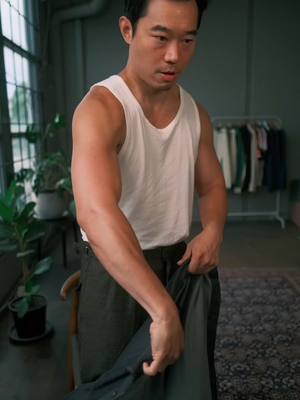 320.2KDesigner breaks down overshirt fabrics@frontoffice.co · Breakdown
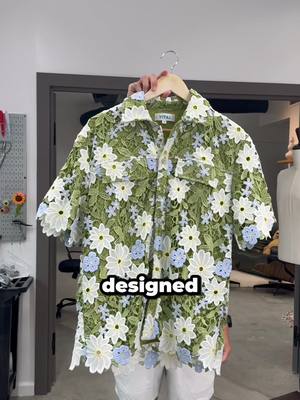 505.7K5.2×Designer explains design theft response@yitaigeng · Case Study Breakdown
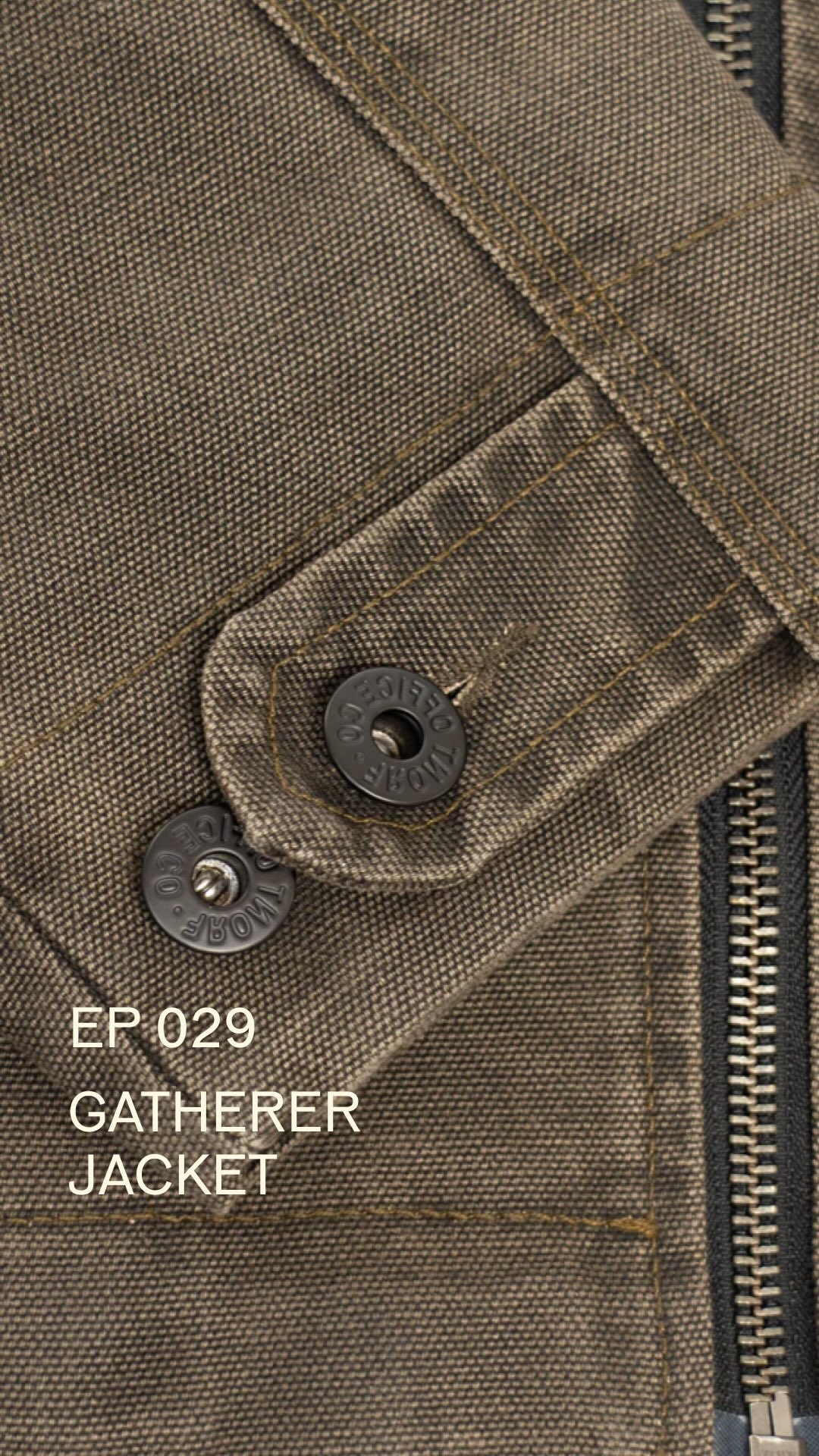 590K2×Jacket design process breakdown@sakata.ken · Breakdown
 810.1K1.9×Artist narrates collaborative t-shirt creation@dyesngoodvibes · Process
 1.1M4.2×Personal story behind washi jeans@sakata.ken · Origin Story
 11.9M15.2×Showing the tie-dye art process@dyesngoodvibes · Process
 569.7K1.4×Solving production problems with design@frontoffice.co · Case Study Breakdown
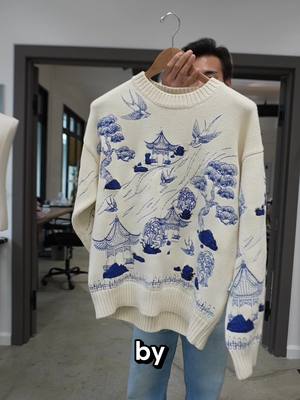 598.4K6.1×Designer's guide to fighting knockoffs.@yitaigeng · Numbered Breakdown
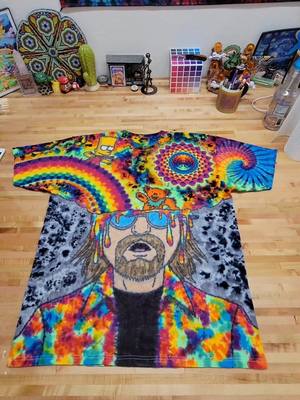 1.9M3.5×Artist shows complex tie-dye process@dyesngoodvibes · Process
 417.5K7.9×Personal story explains material science@frontoffice.co · Origin Story
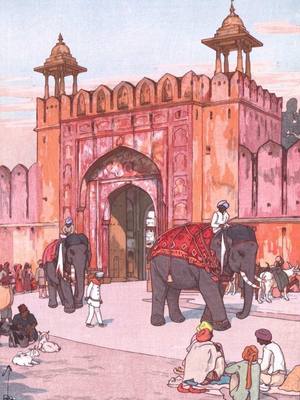 4.2M13.9×How three cultures designed for heat@frontoffice.co · Breakdown
 349KWhy durable clothes still create waste.@frontoffice.co · Breakdown
[04]
[05]
What stops the scroll in the first 3 seconds
Verbal hook · 65%
so this is the Rico Shirt designed by Aime Leon Dore.
Visual hook · 35%
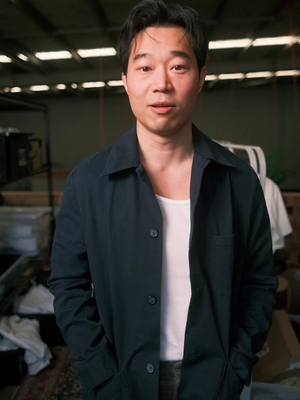
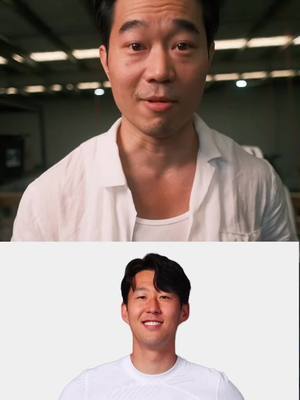
A speaker stands in a warehouse setting, directly addressing the camera, with an illustrative image overlay of a fashion product appearing next to him.
[06]
Steal this for your own video
So this is , designed by —and here’s what it teaches about .
[07]
The promise the opener makes, and how the video pays it back
Hook
The video opens by identifying a highly coveted, well-known product within a specific niche, establishing its 'gold standard' status and the problem of imitation.
Payoff
The speaker physically reveals and demonstrates their own product, presenting it as the tangible embodiment of the entire philosophical journey. The product is no longer just an item, but the conclusion to the argument.
[08]
The structural pattern this video runs on
Framework
The Philosophical Justification Funnel
To justify a new product in a saturated market by establishing a universal design philosophy using an unexpected analogy, deconstructing the market leader through that lens, and finally positioning the new product as the ultimate embodiment of that philosophy.
The Perfection Paradox
Poses a central question: If a product is already considered perfect and is widely imitated, what is the point of creating another version? This frames the narrative as an intellectual problem to be solved.
The Mundane Analogy
Abruptly pivots to a simple, universally understood object (a toilet roll) to serve as a simplified model for the complex argument about design and innovation. This acts as a pattern interrupt and makes the core concept accessible.
The Master's Reframe
Introduces an external authority (a famous designer) and their work to lend credibility and intellectual weight to the argument. It shows this authority challenging the 'perfection' of the mundane object.
The Philosophical Reveal
Explains the outcome of the authority's redesign. The key takeaway is that the goal wasn't to make a 'better' version, but to infuse the object with a unique set of values and a distinct 'DNA'. This is the video's core thesis.
Deconstructing the Icon
Applies the newly established philosophy back to the original iconic product from the hook, revealing that its success also stems from its unique 'DNA' rather than objective perfection. This levels the playing field for new entrants.
The Creator's Manifesto
The speaker introduces their own brand and product, explicitly defining the unique values, principles, and 'DNA' that it embodies. This positions their work as a thoughtful alternative, not a mere copy.
Honestly these videos are getting longer and longer #sportswear #fashiondesigner #SmallBusiness #melbournefashion
Hey. So this is the Rico shirt designed by Ahmed Leon Dore. For this shirt, right? It sells out almost immediately after it's released. And if you wanted to, you could buy that at a reseller site for 20 times the retail price. And no, of course, every menswear brand has their take on this open knit shirt. When something is so universally loved, so commercially successful, and so widely imitated, what would be the point in some other brand doing their version of things? You could only do it worse. Okay. So this is a toilet roll. You've seen this before. Now we have accepted that this is the universal design for a roll of toilet paper. Right? No real innovations have happened. So I'm reading this book. It's called Designing Design. And, it's by Ken Yahara. No he's a prominent designer, and he's designed for brands like Muji in Japan. And the early part of this book is detailing a design project he's overseeing, and more than like an art exhibit. And he challenges designers to redesign everyday household items. So he gives the project of a toilet roll to Shigeru Bad, and he redesigns it to be a square shape. And because it's square, it sort of rattles when you pull on it, so you're always conscious about how much paper you're using. And because it's square, it's easy to transport in bulk and makes it more efficient to transport large cartons of it. And the reason why he comes up with these ideas is because he is a an architect that has a passion for how we use natural resources. And it made me realize that when you're redesigning things that have already been designed before, even though it's something so iconic, you can't help but bring your own DNA to it. You can't help but tell the world what you find important. So when Armand Leon d'Or designs their shirt, it's actually not their design. It's a recreation of a shirt from a movie. And that movie is about crime on the streets of New York. And because being part of New York and references to pop culture is so much part of their brand identity, that's what they believe in. No when Zara and industry offered this shirt for a really cheap price, they believe in offering classic designs from other brands for an accessible cheap price, albeit at the expense of fabric manufacturing and working conditions. Okay. So I run a fictional football club, and I make clothes for them. And it's a ridiculous idea, but I balance that funny idea with really traditional, manufacturing methods. And the idea, the contrast is that the fake football club has very legitimate clothes made by people who have been doing it for generations. And we don't make all kinds of fabric here in Australia, at least not anymore. So you have to look far and wide for people who have been doing it for generations. And this fabric, this is 100% cotton knit, and it's made from a fabric mill in Osaka. They don't do this all the tier, but if you put an order in, of a significant amount, they will do it. And this is for a series of shirts that I'm calling the off season collection. It's when my players go on holiday. So this is what it looks like. It's this is a large, six foot tall, and it is meant to layer over a singlet that we're also developing. So this is the shirt. Right? The shirt is actually made in Australia, which is not cheap, but valuable things often aren't. And I believe in classic menswear shapes that you can wear often and for a long time. I'm really excited about the work we're doing. It's a good shirt.