@frontoffice.co
TikTok · Talking Head Edit
@frontoffice.co Clothes ‘made in Japan’ have a great reputation. But what does Japan want to make?

@frontoffice.co
TikTok · Talking Head Edit
@frontoffice.co Clothes ‘made in Japan’ have a great reputation. But what does Japan want to make?
Performance
Video #8162 · Talking Head Edit
[01]
The creator explains the critical problem of Japan's declining birthrate and aging population, detailing its negative impact on the country's artisanal manufacturing industries like textiles. He then pivots to his own company's experience moving operations to Japan, outlining a strategy to combat this decline by blending ancient craft with modern design to create innovative new products, which he showcases through examples of half-paper and half-silk denim. The video concludes by framing this work as a mission to redefine what 'Made in Japan' means for the future.
[02]
[03]
 490.9K3.4×Explaining Japan's inefficient craftsmanship culture@frontoffice.co · Case Study Breakdown
 1.6M4.9×Cultural trait explains niche manufacturing@sakata.ken · Strange but True
 1M18.6×Japanese factory de-modernizes for quality@sakata.ken · Origin Story
 1.1M4.2×Personal story behind washi jeans@sakata.ken · Origin Story
 3M5.5×Comparing workwear styles, creating hybrid jacket.@frontoffice.co · Case Study Breakdown
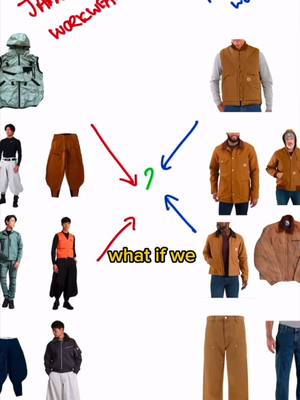 700.5K1.9×Deconstructing Japanese and American workwear@frontoffice.co · Breakdown
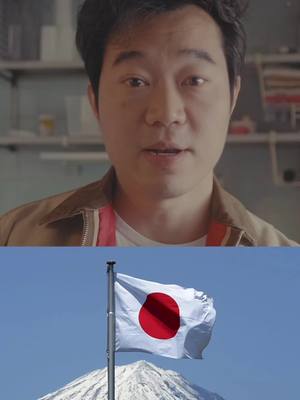 1.6M3.1×Japanese indigo dye process vlog@frontoffice.co · Origin Story
 417.5K7.9×Personal story explains material science@frontoffice.co · Origin Story
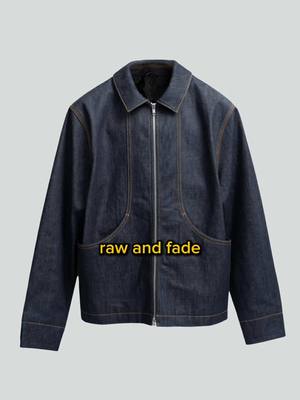 418.5K1.3×Explaining denim through Japanese philosophy@frontoffice.co · Breakdown
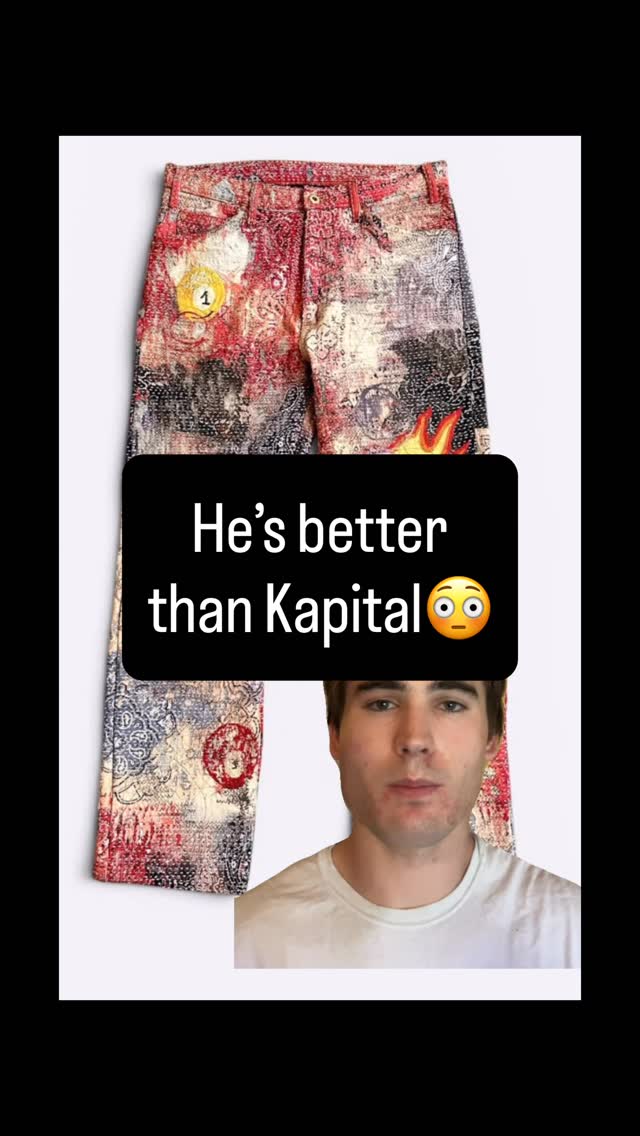 79.2K2×Showcasing a niche clothing designer@readytowearfiend · Breakdown
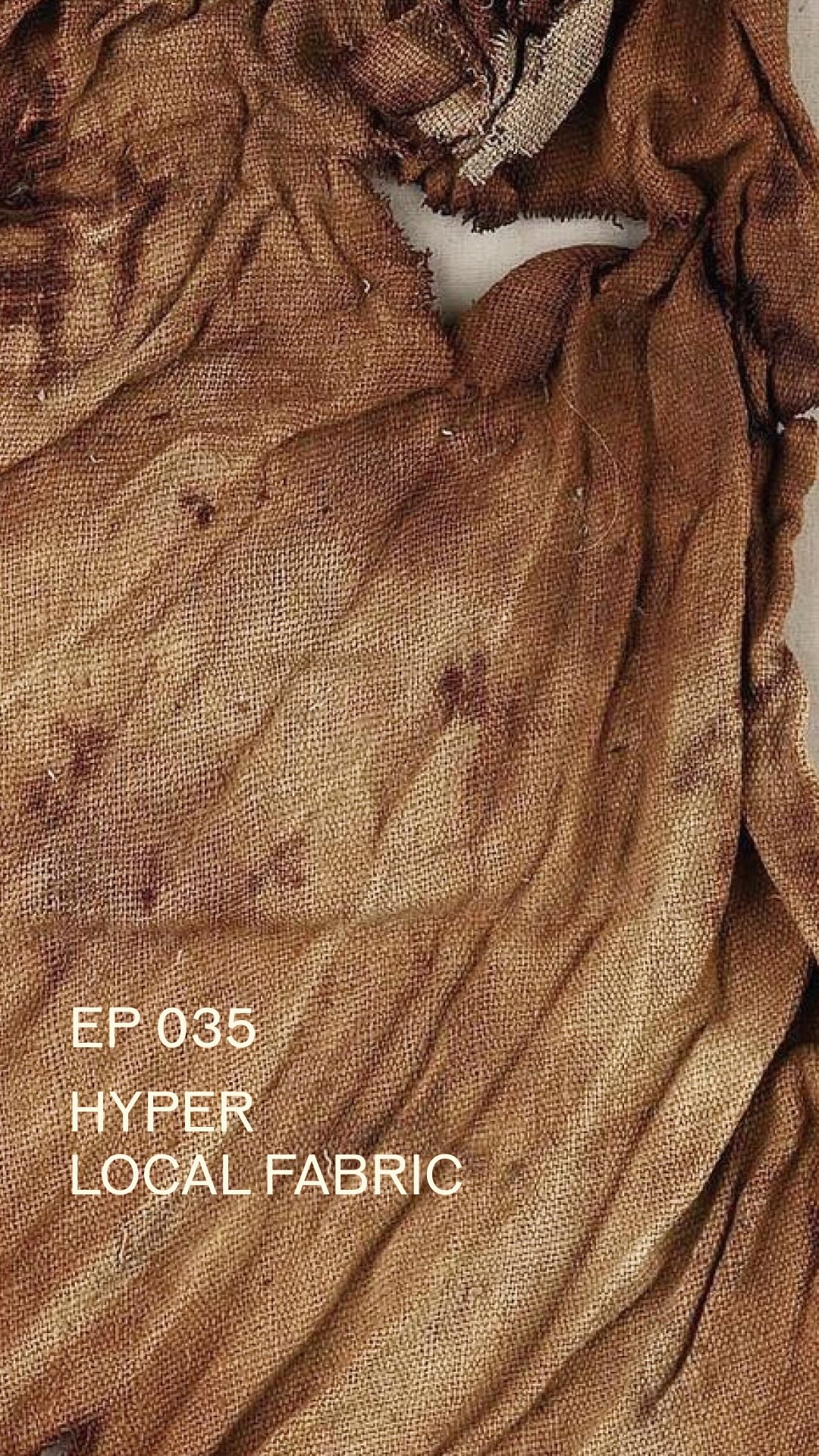 531.8K2.1×Explaining hyper-local fabric origins@sakata.ken · Breakdown
 377.8KFounder's problem-solving business story@frontoffice.co · Origin Story
[04]
[05]
What stops the scroll in the first 3 seconds
Verbal hook · 75%
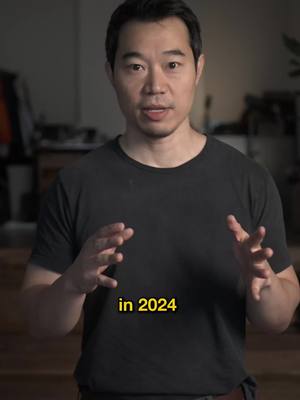
Twenty twenty four, six hundred rank eighty six thousand babies were born in Japan, and that is a problem.
Visual hook · 25%
The video opens with a standard shot of the speaker, then immediately cuts to a close-up, archival-style photo of a Japanese baby to visually anchor the opening statistic.
[06]
Steal this for your own video
In , only were in —and that is a problem.
[07]
The promise the opener makes, and how the video pays it back
Hook
Begin with a startling, large-scale statistic and immediately frame it as a 'problem,' creating immediate stakes and intellectual curiosity.
Payoff
The final beat provides a powerful philosophical reframe, transforming a story about a product or industry into a universal message about making a meaningful impact with the limited time one has.
[08]
The structural pattern this video runs on
Framework
The Paradoxical Decline
The narrative establishes a large-scale, seemingly irreversible decline (demographic, economic, cultural) and then reveals a paradoxical counter-trend. The creator positions themselves as a protagonist navigating this conflict, offering an innovative, value-driven solution that is then proven with a tangible product or example, ultimately reframing the initial decline as a finite opportunity for meaningful creation.
The Demographic Shock
Establish the foundational crisis with hard data, explaining its two primary consequences (e.g., shrinking and aging) to ground the narrative in fact.
The Generational Void
Translate the abstract macro problem into a tangible, human-scale consequence by showing its impact on a specific industry, focusing on the loss of generational knowledge and skill.
The Consolidation Threat
Detail the economic pressures resulting from the crisis, forcing smaller, specialized entities to either fail or be absorbed by larger, more generic ones, leading to a loss of uniqueness.
The Quality Paradox
Introduce the core narrative conflict by revealing a counter-intuitive trend on the consumer side: demand for the very unique, high-quality product is increasing just as the ability to supply it is collapsing.
The Protagonist's Entry
Introduce the narrator/brand as an actor within this challenging environment, validating the previously stated problems and setting the stage for their unique approach.
The Strategic Pivot
Reveal the core solution. Instead of competing on conventional terms (e.g., price, volume), the strategy is to offer a different kind of value (e.g., creativity, collaboration, interesting work) that circumvents the main problem.
The First Artifact
Make the abstract strategy concrete by showcasing a specific product that embodies the solution. This serves as the primary piece of evidence for the strategy's validity.
The Material's Legacy
Deepen the viewer's understanding by exploring the unique history and properties of the core component of the solution, grounding modern innovation in ancient tradition and providing an intellectual payoff.
The Ecosystem of Craft
Expand the narrative by demonstrating how the core resource enables a cycle of innovation, leading to multiple unique outcomes and showcasing a holistic, sustainable approach.
The Redefined Legacy
Bring the narrative full circle by connecting the specific solution back to the initial macro-crisis. Reframe the 'decline' not as an end, but as a finite window of opportunity, imbuing the work with a sense of purpose, urgency, and philosophical weight.
Clothes ‘made in Japan’ have a great reputation. But what does Japan want to make?
informational · beginning
686,000 babies
contextual · beginning
were born in Japan
informational · beginning
population shrinks and the population ages
informational · beginning
the average artisan is about 60 years old
contextual · beginning
the branch of knowledge just disappears
informational · middle
domestically fewer means fewer buyers of trend based fashion
informational · middle
mainstream taste goes more towards higher quality comfort, functionality instead of hype
contextual · middle
so here is the problem, right
informational · middle
it's about a factory choosing you
informational · middle
but this is half cotton half PAPER
informational · middle
the Japanese have been making a type of durable industrial paper for centuries
contextual · end
6 month drag test
informational · end
but the washi is durable it's still intact
informational · end
our half cotton half SILK jeans
contextual · end
blend ancient craft with modern design to create something new
contextual · end
what Japan wants to make with the time it has left
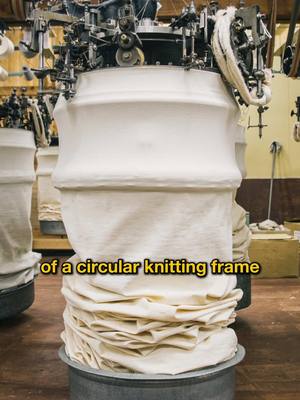
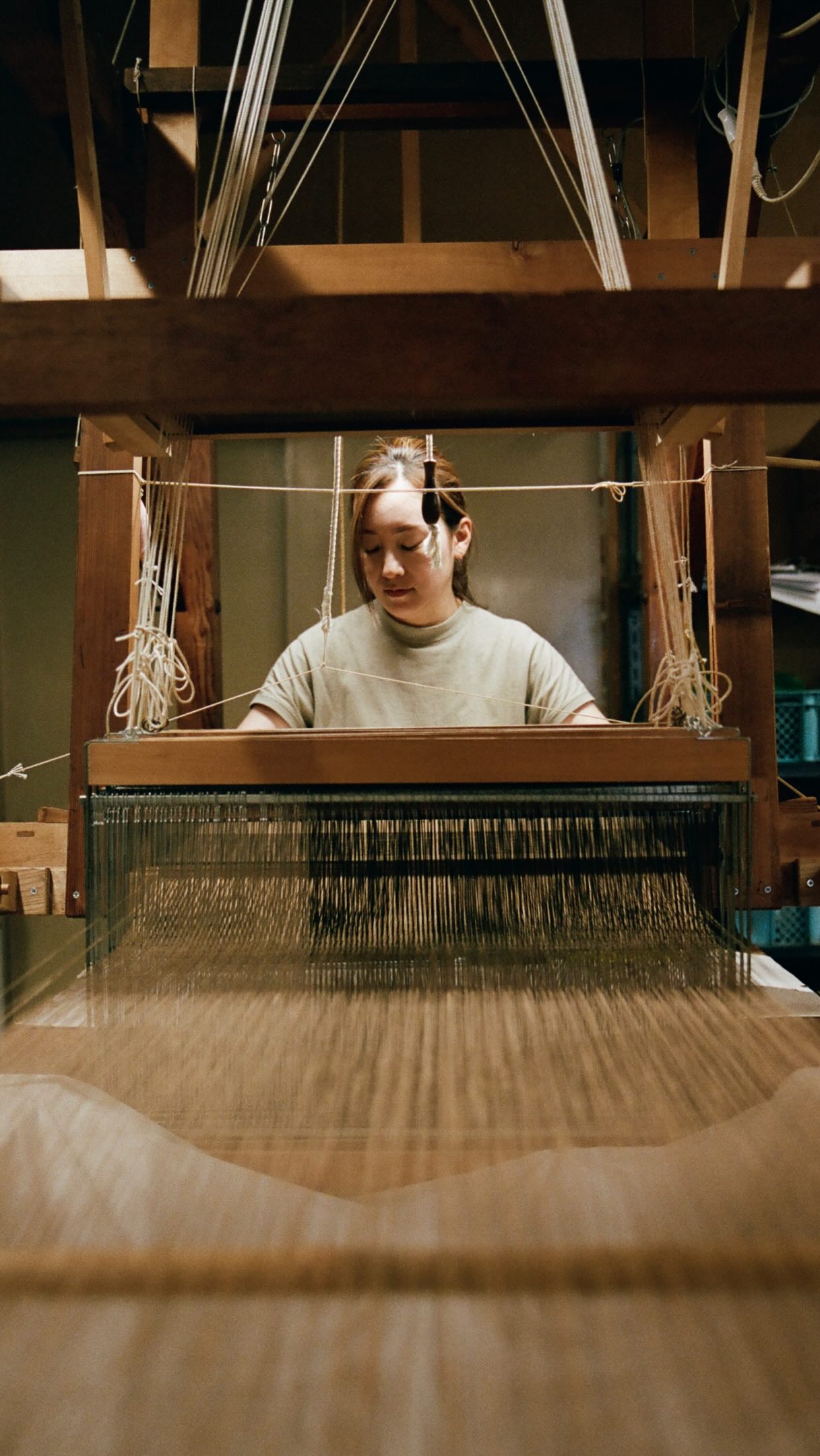
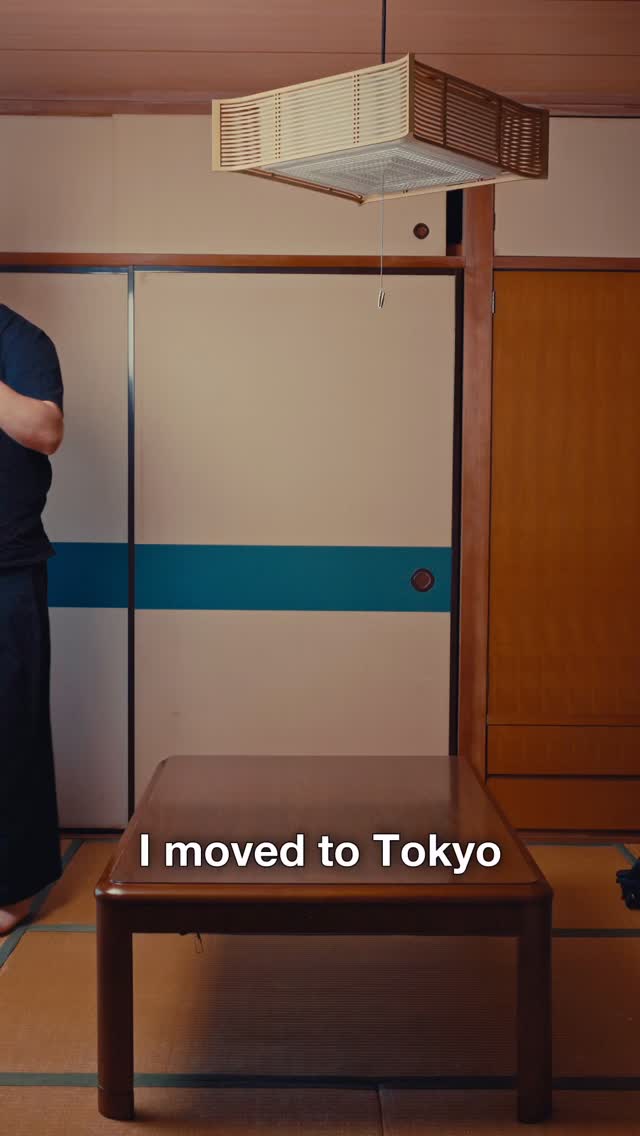
Twenty twenty four, six hundred rank eighty six thousand babies were born in Japan, and that is a problem. And that's because that is the lowest figure since the records began. And this means two things, population shrinks and the population ages. In modern day Japan, if you walk into a dye house, a sewing workshop, or a weaving mill, the average artisan is about 60 years old. Their children are working in big cities like Tokyo. They're working in offices, and that's if they have children at all. So the skills that are passed down from generation to generation, like things like indigo dyeing, loop wheel weaving, the maintenance of these antique machines, the branch of knowledge just disappears. So smaller factories are faced with a decision. They either have to close down or they have to join up with these better conglomerates. The work moves away from slower artisanal practice into flatter, more broader work that everyone is interested in, everyone can afford. So on the production side, things are changing. But on the consumer side, things are changing. Tier stream taste goes more towards higher quality, comfort, functionality instead of hype. So here is the problem. Right? On the consumer side, people want sophisticated high quality, and on the production side, we are moving away from it. So in the middle of all this, in March, we moved our operations to Japan, and everything we've been warned about was true. It is more expensive to make things. It takes longer to make things. And even if you accept much less money for the same amount of work, it's not about you choosing a factory. It's about a factory choosing you. More people want to make things in Japan than Japan can deal with. So our strategy as a young company isn't wowing these factories with how much money we have because we don't have a lot of money. But what we can offer is tier type of interesting work we can do better, and that takes us away from mainstream commercial work. It's better if I show you. So this pair of jeans is completely made from plants, and that's pretty obvious because we're used to things being made out of cotton. But this is half cotton, half paper. The Japanese have been making a type of durable industrial paper called washi for centuries. It takes the bark of the mulberry plant, and this isn't the same type of paper that you use in a photocopier. It's a different type of paper. You yes that for windows. You use that for doors in an ancient house. But if you cut it into strands and twist it together, it also forms a type of yarn, and we have blended it together with cotton to form a type of denim. As it ages and washes, it develops a type of softness that we haven't seen before. And this is our six month drag test. You can see that the cotton turns into fluff, but the washi is durable. It's still intact. And the mulberry plant, which grows in Japan, is actually very useful. Not only can you make interesting yarn, but the leaves feed silkworms, and the silkworms produce silk. And these are our half cotton, half silk jeans. This is made for our women's wear line. It's woven into a twill, so you have cotton on the outside, but on the inside, that's part that contact your skin is silk. And that's what I mean while we're talking about interesting work. We're trying to blend ancient craft that isn't necessarily passed down with modern design to create something new. And we are in the final phase, the dying phase of Japanese manufacturing. There is no getting around that. That's just a fact. But how is that different from any timeline, like the short duration of my career or the short lifespan do I have? We all have some sort of responsibility to do something interesting and meaningful with the time that we have best, and this work is about leaning into a different definition of what made in Japan means. And the goal is not to remind people of what Japan has made, but what Japan wants to make with the time it has left.