Transcript
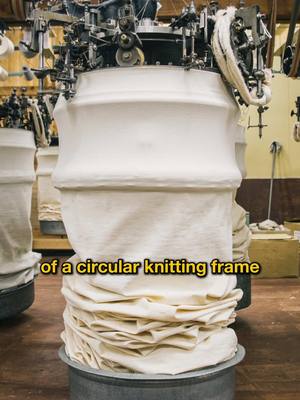
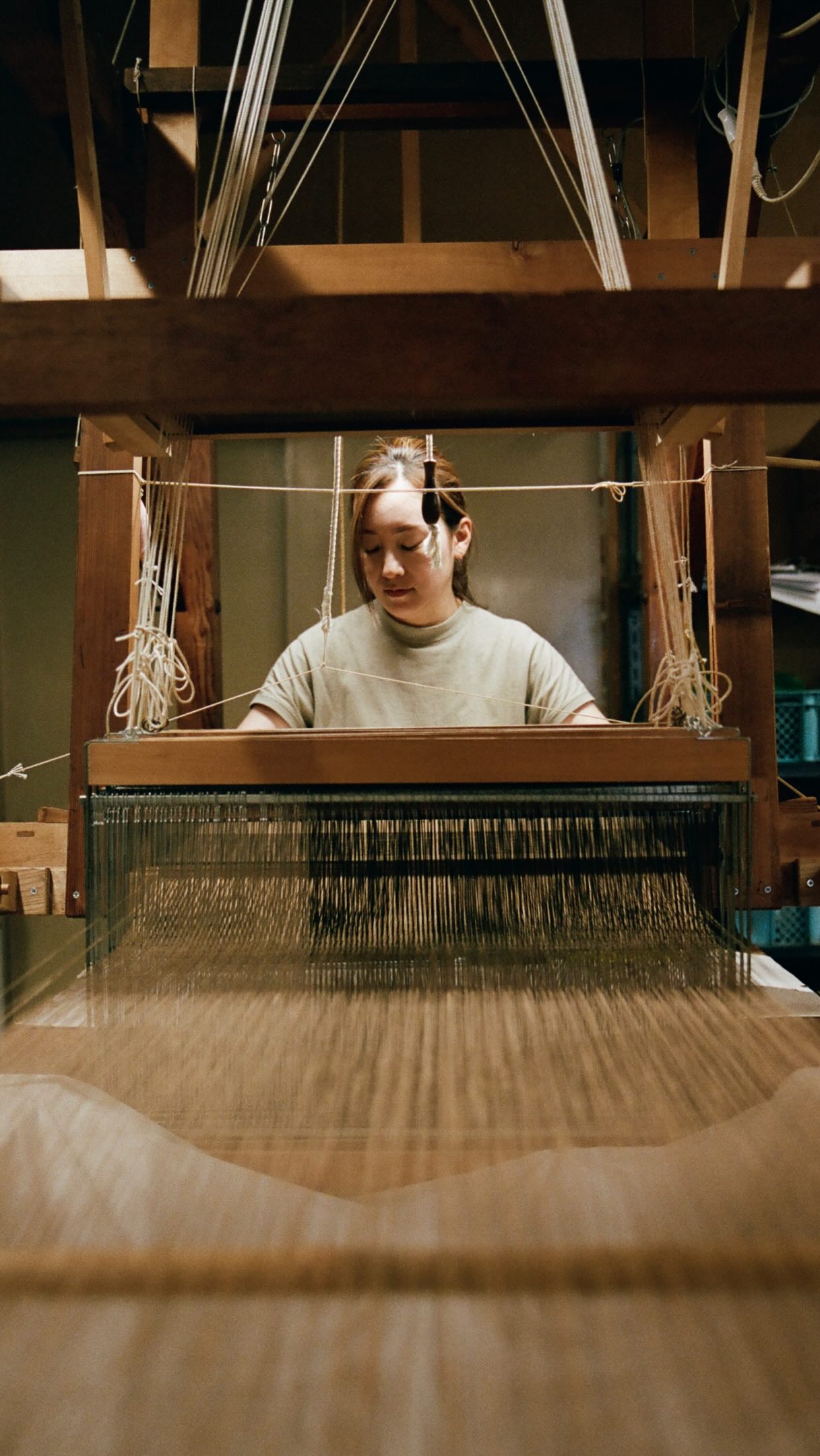
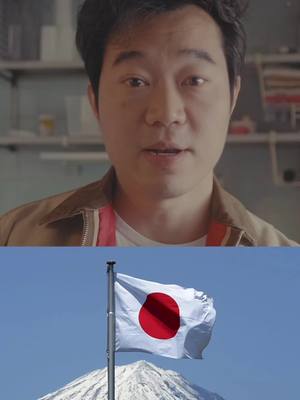
Japan is very inconvenient. I am moving to Japan. It is 2025, and all my contracts have to be on real paper. And instead of a real signature, it has to be a wooden stamp that I register with the government. And when I'm done, I have to use a fax machine, and And this doesn't make a lot of sense, does it? Japan is the land of convenience. Like, they came up with the bullet train. So what is going on in Japan? So generally speaking, the Japanese have a very stubborn resistance to letting go of things that worse, working systems. So for the issues of my contract documents, that system has been working for a hundred and fifty tier. It predates domestic electricity. But because it is a system that works, things don't change. And as a fashion designer, this gives us a very unique fashion culture. Japan is where a lot of old methods that have died out in the other parts of the world are still in place. So for example, this this t shirt, it is made on an old machine. It's called a loop wheeler. A modern t shirt has a front and a back panel, and then it's sewed together on the side. This is made out of a circular knitting frame. It's like a tube. So it knits the fabric very slowly, and then it drops with gravity. The fabric isn't pulled from the other end, so there is low tension. It is so extremely inefficient. It is so slow. And being slow means that it's a very expensive way to make fabric, and there's no surprise that it has died out everywhere else in the world. But that also means that the fabric is unlike anywhere else in the world. If you're 40 years old and younger, you wouldn't have seen this sort of fabric before, like we didn't grow up with this fabric, so we don't recognize it. The hand feel is like a very thin light sweater is the best that I can approximate. And that's just tier shirts. There are all kinds of old antique machines still in Japan. Like you would have heard of salvaged denim with the very short looms, also very low tension, or you would have heard about indigo or other natural dyes, like a bunch of slow inefficient technologies. But of course, the result of those things are all very wonderful. And the fact that those things still exist, they're still in production, is a credit to the stubborn Japanese with their stamps and their fax machines. They are not lost to time. And for me, as a designer, moving to Japan has a lot of value because you have access, a wide choice of things that still work. And that makes me wonder, technology and progress doesn't necessarily make our lives better or worse, it just makes our lives more convenient. And in our pursuit of convenience, how many beautiful things that we have quietly lost because they are slow, because they are expensive. And if you grow up at just the wrong time, you may not even notice that they're gone.