@frontoffice.co
TikTok · Talking Head Edit

@frontoffice.co Duck canvas! A really dyamic industry trying to innovate and recreate fabric techniques. Wild time to be alive. #fashion #fashiondesigner #workwearfashion #workwear

@frontoffice.co
TikTok · Talking Head Edit
@frontoffice.co Duck canvas! A really dyamic industry trying to innovate and recreate fabric techniques. Wild time to be alive. #fashion #fashiondesigner #workwearfashion #workwear
Performance
Video #8177 · Talking Head Edit
[01]
The creator explains the history, etymology, and weaving process of duck canvas. He then breaks down the modern textile industry's competitive landscape, detailing how companies innovate on the historic fabric by changing yarns, fibers, and treatments, providing examples from brands like Carhartt and Stone Island. Finally, he contrasts this forward-looking innovation with the trend of Japanese companies meticulously recreating historical military fabrics, concluding that the industry is a dynamic blend of preservation and creativity.
[02]
[03]
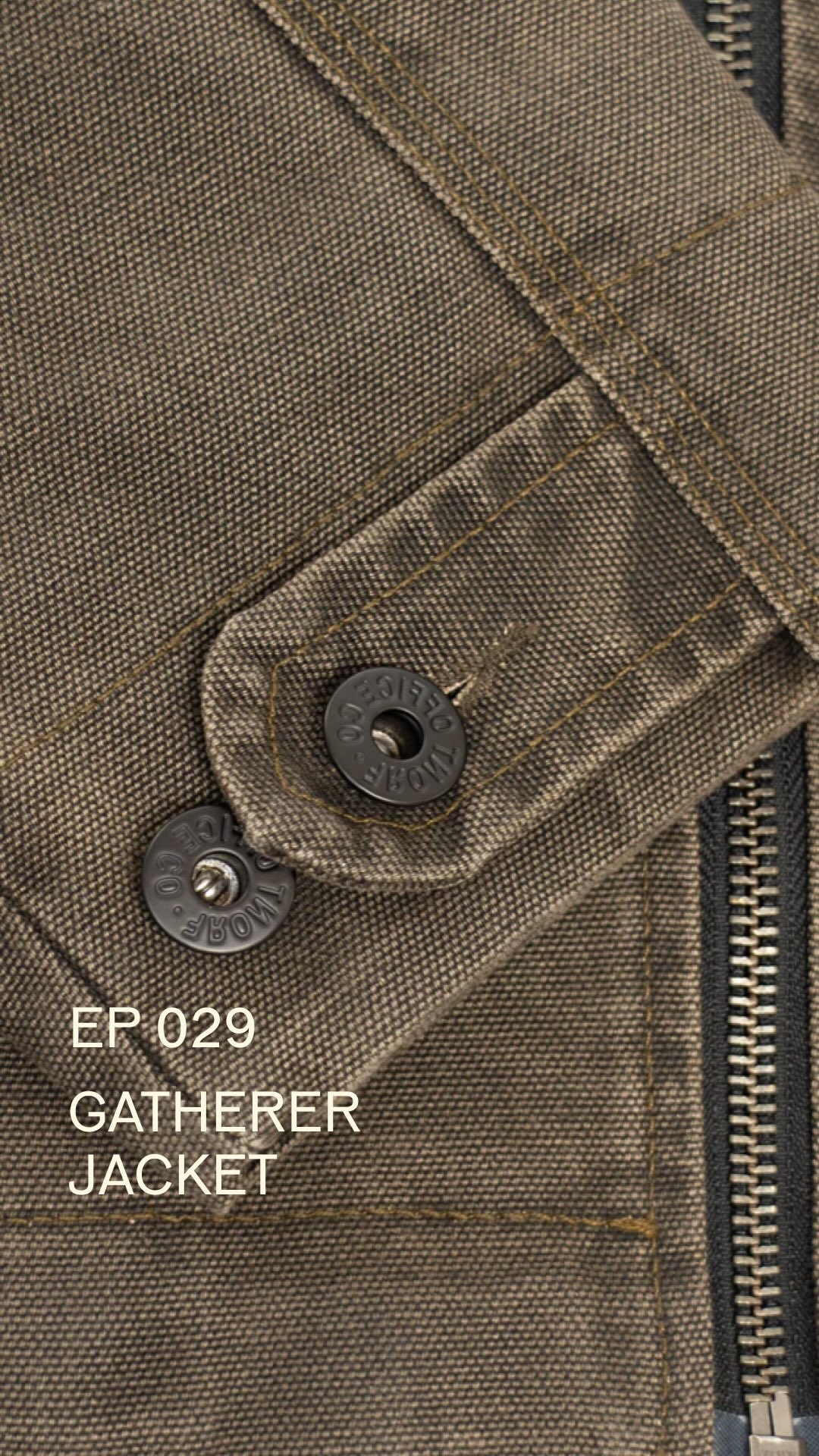 590K2×Jacket design process breakdown@sakata.ken · Breakdown
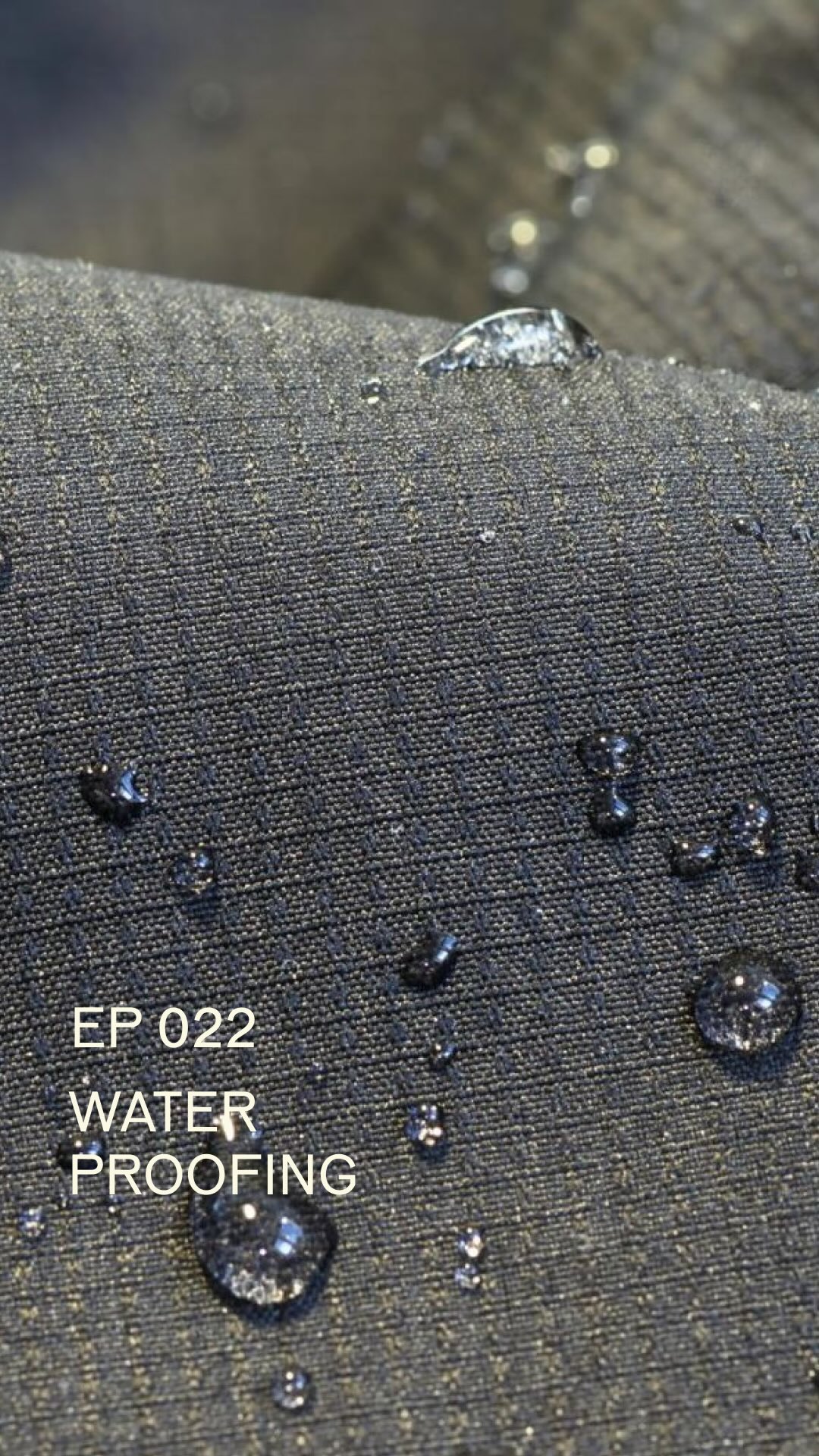 548.2K1.6×Explaining waterproofing beyond the coating@sakata.ken · Breakdown
 380.4K2.2×Explaining waterproof clothing design principles@frontoffice.co · Explainer
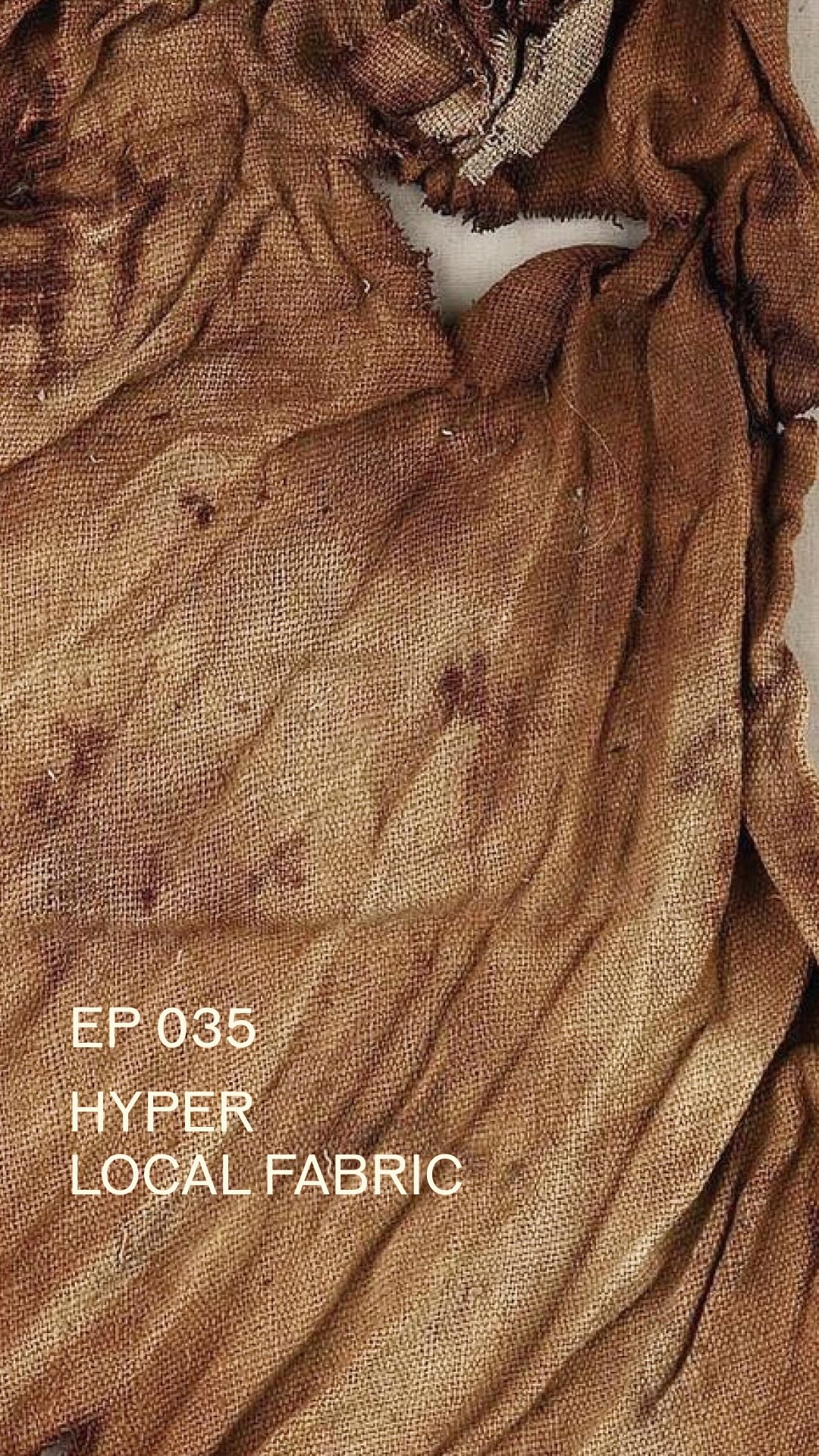 531.8K2.1×Explaining hyper-local fabric origins@sakata.ken · Breakdown
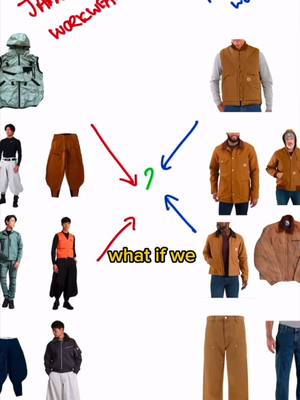 700.5K1.9×Deconstructing Japanese and American workwear@frontoffice.co · Breakdown
 507.8K56.6×Insider tour of Chinese fabric market@creasegroup · Value Vlog
 320.2KDesigner breaks down overshirt fabrics@frontoffice.co · Breakdown
 823.1K1×Explaining a famous clothing innovation@alextwma · Origin Story
 4.2M13.9×How three cultures designed for heat@frontoffice.co · Breakdown
 1.6M4.9×Cultural trait explains niche manufacturing@sakata.ken · Strange but True
 1.1M4.2×Personal story behind washi jeans@sakata.ken · Origin Story
 3M5.5×Comparing workwear styles, creating hybrid jacket.@frontoffice.co · Case Study Breakdown
[04]
[05]
What stops the scroll in the first 3 seconds
Verbal hook · 60%
This is Duck canvas. It is a 400 year old sailcloth.
Visual hook · 40%
A medium shot of a speaker at a desk, which quickly cuts to an impressive B-roll shot of a large, historic sailing ship on the ocean.
[06]
Steal this for your own video
This is . It is years old.
[07]
The promise the opener makes, and how the video pays it back
Hook
Immediately establish the subject's identity and deep historical significance to create instant gravitas and intrigue.
Payoff
Conclude by synthesizing the two opposing forces, framing their tension not as a problem to be solved, but as the source of the field's energy and fascination, leaving the viewer with a new, nuanced appreciation.
[08]
The structural pattern this video runs on
Framework
The Artifact Deconstruction
To take a seemingly simple or historical object, demystify its core principles, and then re-contextualize it within a dynamic modern conflict, revealing hidden complexity and energy.
The Foundational Lore
Briefly explain the object's origin story and etymology, grounding it in a specific time and place to build a narrative foundation.
The Secret Revealed
Deconstruct the object's core technical principle in a simple, accessible way, empowering the audience by sharing 'insider' knowledge and making them part of the story.
The Modern Conflict Pivot
Reframe the narrative from a historical lesson to a current, high-stakes competition, posing a question that transitions the viewer from 'what was it?' to 'why does it matter now?'
The Forward Innovation Axis
Detail one side of the conflict, showcasing how modern players are pushing the object's boundaries forward through experimentation, new combinations, and proprietary versions.
The Backward Recreation Axis
Detail the opposing side of the conflict, showcasing how other players are meticulously recreating historical versions of the object, valuing preservation and authenticity.
Duck canvas! A really dyamic industry trying to innovate and recreate fabric techniques. Wild time to be alive. #fashion #fashiondesigner #workwearfashion #workwear
This is Duck canvas. It is a 400 year old sailcloth. And now is in the middle of a very competitive industry trying to analyze, recreate, and innovate the next version of this cloth. Originally, it's used by Dutch sailors in the sixteen hundreds. And duck refers to duk, the Dutch word for linen cloth. I'll tell you how to weave it. It's a plain weave. So you have yarns going top to bottom and you have yarns going side to side. Warp and the weft. Duck cloth has two yarns going in this top down direction. And it's very tightly woven, very dense. I know how to weave it. Now you know how to weave it. The secret's out. So what's all the fuss about? So in the modern textile world, the race is on to create unique versions of this cloth. So these are the things that you can change. So you take a look at the type of yarn. Yarn is twisted fiber. How tightly do you twist it? How many turn? Which direction do you twist it in? And you can change what fiber you use in the first place. The original sailcloth was linen. Now cotton is more common. You can blend linen and cotton. Or you could use other things, hemp, nylon. And once you're done, you can treat the cloth with various treatment. You can wax the fabric like in barber jacket. Every unique combination of yarns, twists, fibers discovers a new thing, discovers a softer hand feel, enhanced durability, or a new look to the fabric. And brands are claiming their own signature fabric. Like Carhartt has their signature Dearborn canvas. Like Tier Island has a raw linen canvas that they coat with a dyed resin. So we have companies looking worse, we also have companies looking back. And there is a deep subculture of Japanese companies trying to recreate old military fabrics. Historical cloth. The fabric used during Worse War II was really known for its durability, for its consistency. And those are things that we in modern times really treasure as well. When I was in Japan, I found two competing companies, two Japanese mills, offering their own competing reproductions of nineteen tier Bulgarian military cloth. Like, that's happening today. So the textile industry is like this really fascinating blend of old and new. On one rank, there's innovation and creativity. On the other hand, there's like deep analysis, deep research to preserve what had come before, and both contribute to a very energetic industry.