@fineasjackson
Instagram · Talking Head Edit
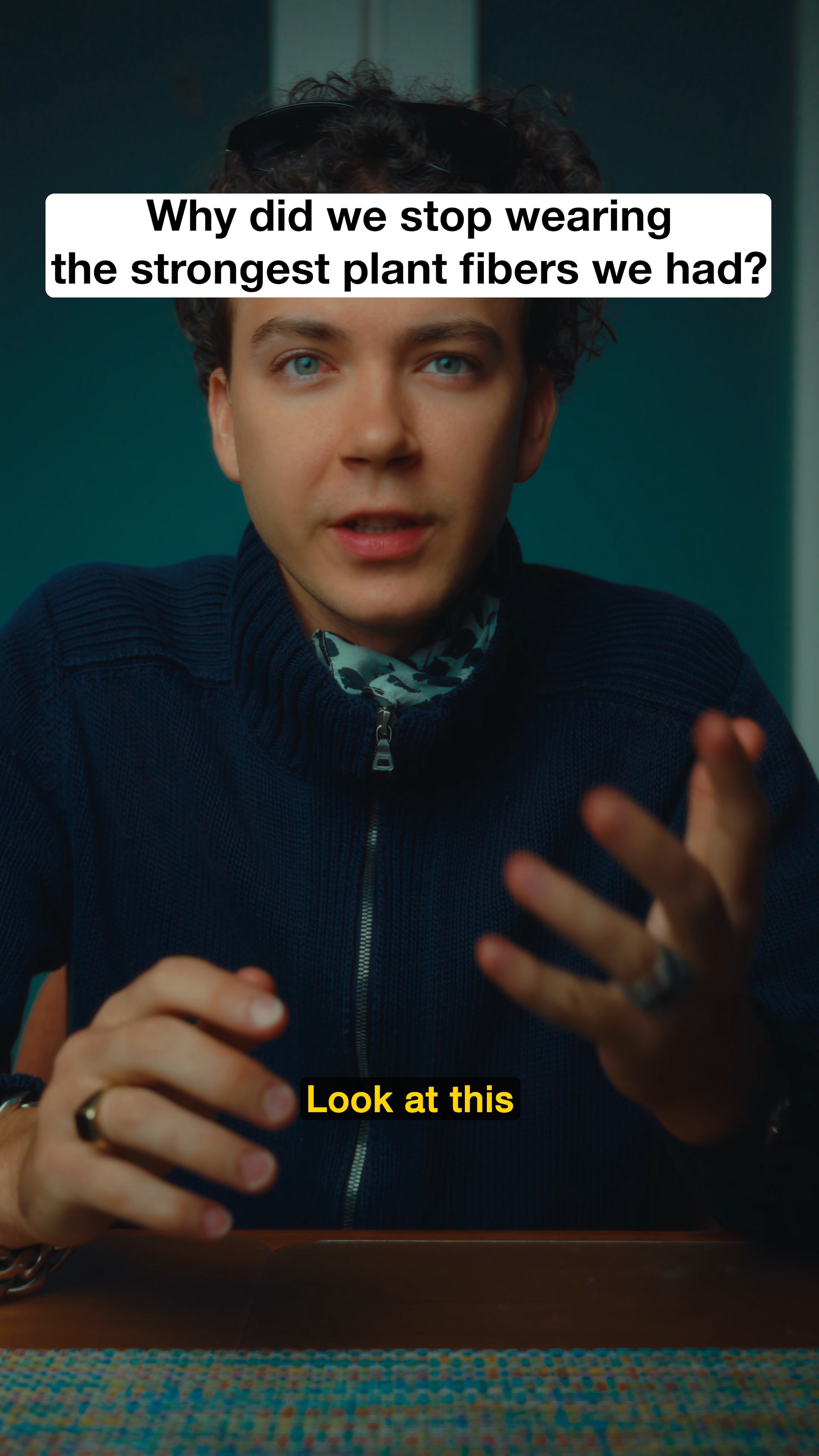
@fineasjackson Stronger than cotton, tougher when wet, woven for six thousand years. So why did we stop wearing it?

@fineasjackson
Instagram · Talking Head Edit
@fineasjackson Stronger than cotton, tougher when wet, woven for six thousand years. So why did we stop wearing it?
Performance
Video #45129 · Talking Head Edit
[01]
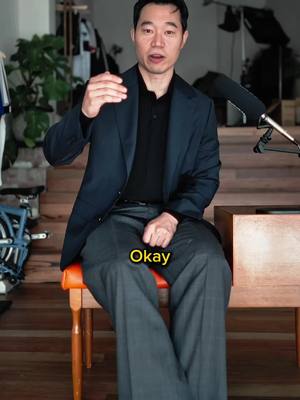
The creator presents a black t-shirt and poses a question about its material, revealing it's made from Ramie, a strong fiber from the nettle family. He then explains Ramie's history, superior properties compared to cotton (strength, durability), and geographical origins, before detailing the major challenge: a difficult, labor-intensive production process involving scraping, pounding, and boiling to remove natural gums, which is why it fell out of common use.
[02]
[03]
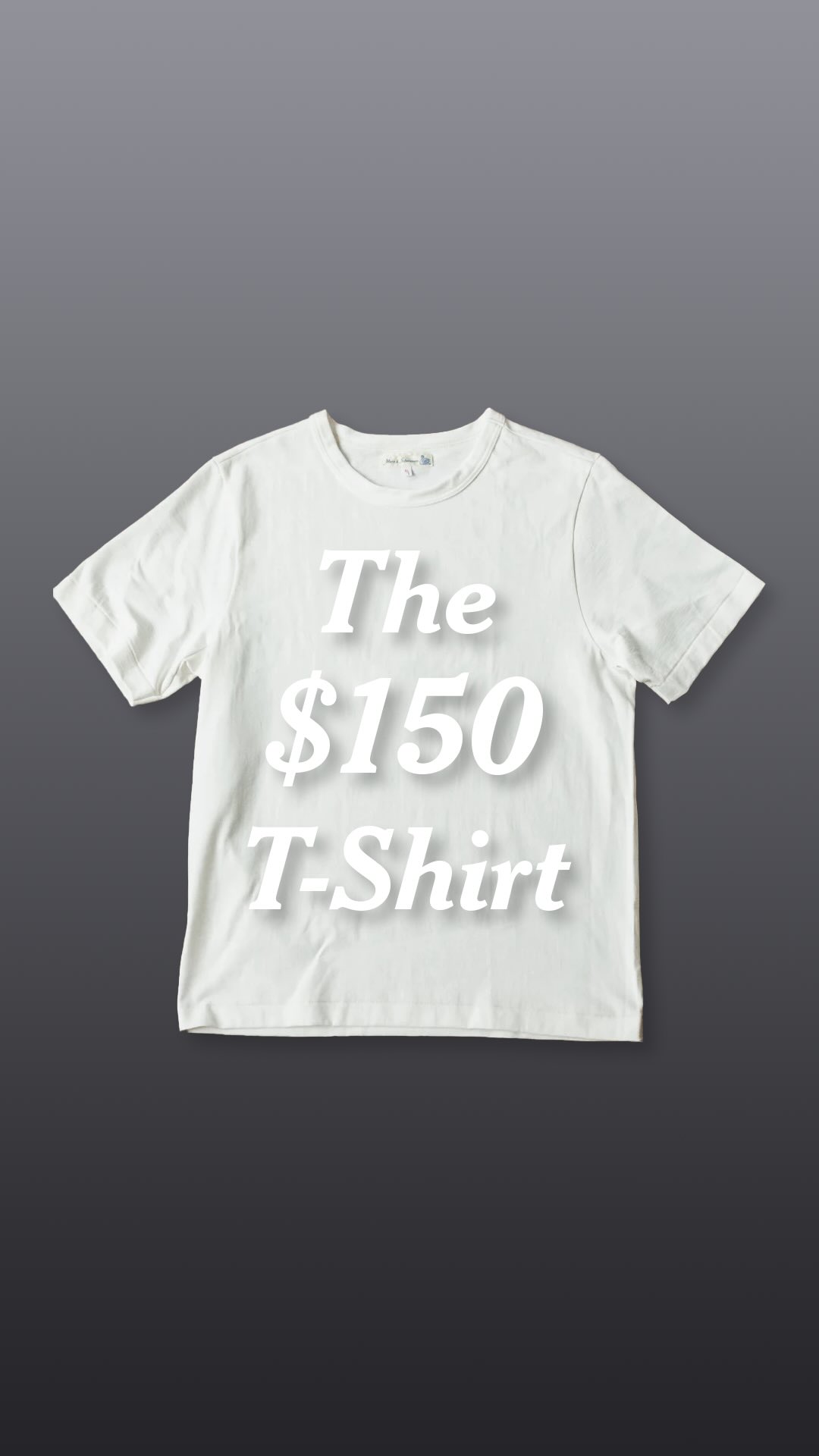 1.6M2×Explaining luxury t-shirt manufacturing process@alextwma · Opportunity Explainer
 1.1M14.4×Designer shows mistake and fix@yitaigeng · Origin Story
 1.7M25.8×Cheap vs expensive cotton explained@fineasjackson · Breakdown
 266.1K28×Historical breakdown of wool types@gents.studios · Hot Take
 1.3M1.6×Explaining why one fabric improves@alextwma · Breakdown
 103.9K1.9×Explaining true T-shirt quality history@gents.studios · Breakdown
 320.2KDesigner breaks down overshirt fabrics@frontoffice.co · Breakdown
 5.8M7.4×Tie-dye process start to finish@dyesngoodvibes · Process
 4.5M241×Explains why linen prices vary@fineasjackson · Breakdown
 655.4K3.5×Wool science and fabric choices@frontoffice.co · Breakdown
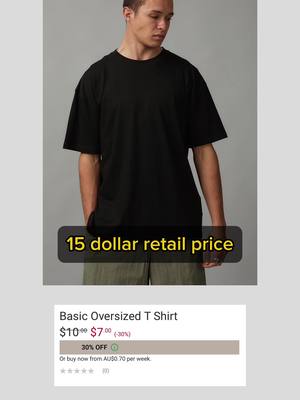 673K1.6×Explaining the true cost of t-shirts@frontoffice.co · Breakdown
 278.1K19.4×Explain hoodie quality and pricing@fineasjackson · Breakdown
[04]
[05]
What stops the scroll in the first 3 seconds
Title hook · 45%
Why did we stop wearing the strongest plant fibers we had?
Verbal hook · 40%
Look at this shirt. It's not cotton. It's not linen.
Visual hook · 15%
A medium close-up of the speaker making direct and engaging eye contact with the camera, immediately followed by rapid cuts to a product shot and graphics with red 'X's, creating visual intrigue.
[06]
Steal this for your own video
Why did we stop the we ever had?
[07]
The promise the opener makes, and how the video pays it back
Hook
Create a curiosity gap by asking a 'why' question about a seemingly superior but forgotten thing, then use negative identification ('It's not X, it's not Y') to deepen the mystery.
Payoff
Provide a satisfying resolution by reframing the obstacle not as a flaw, but as the catalyst for mastery. The difficulty is positioned as the very thing that elevates the subject into a high-value craft or art form.
[08]
The structural pattern this video runs on
Framework
The Lost Secret Blueprint
To introduce an obscure but superior subject (object, concept, material), explain its incredible qualities, and then reveal the hidden challenge or 'catch' that explains its obscurity, ultimately reframing that challenge as a source of its unique value or artistry.
The Obscure Reveal & Legendary Qualities
Introduce the subject by name and immediately establish its superiority by listing its exceptional, almost unbelievable attributes (e.g., gets stronger when wet, softer with use).
The Relatability Gap
Create a personal connection by highlighting the audience's likely unfamiliarity with this superior subject, making the information feel like an exclusive secret ('you've probably never worn it').
The Ancient Pedigree
Establish deep historical context and credibility by explaining the subject's origins and long history of use.
The Empirical Proof
Ground the 'legendary' claims in objective data or hard evidence (e.g., 'In lab tests... three times the load') to build authority and validate the initial claims of superiority.
The Narrative Pivot (The Catch)
Introduce a sharp turn in the narrative with a transition like 'but' or 'however,' revealing a hidden problem or complication that explains the subject's obscurity.
The Technical Obstacle
Detail the specific, tangible reasons for the complication, explaining precisely why it's a significant challenge (e.g., 'The fiber is glued shut... packed with gums and resins').
The Arduous Process
Visually and narratively demonstrate the intense labor, skill, or multi-step process required to overcome the obstacle (e.g., 'scraped, pounded, and boiled out').
Stronger than cotton, tougher when wet, woven for six thousand years. So why did we stop wearing it?
title · beginning
Why did we stop wearing the strongest plant fibers we had?
branding · beginning
"Chasing Beauty" Episode 87
title · middle
Why is Ramie Different
title · end
Why is Ramie Different From Difficulty Into Craft
Good at this shirt. It's not cotton. It's not linen. It's made from a nettle. People have been weaving it for thousands of years. It gets stronger when it's wet. It gets softer the more you wash it. And you probably never worn it. Or if you have, it was hiding on the label of a nineteen eighties sweater. This is Chasing Best episode 87 and today tier looking at Raimi. Raimi comes from a member of the nettle family that's grown across Best Asia. The fiber is the inner bark of the stalk, the same kind of fiber as linen. People have been growing it for at least six thousand years and it is absurdly strong. In lab tests, a Ramey fiber holds roughly three times the load of a cotton fiber. Get it wet and it gets even stronger. But Ramey comes with a catch. The fiber is glued shut. The stalk is packed with gums and resins. And you can't just let it rot loose in a field the way you can with flax. It has to be scraped, pounded and boiled out. So the places that mastered it turned the struggle into an art form. In Hanssen, South Korea, woman's